
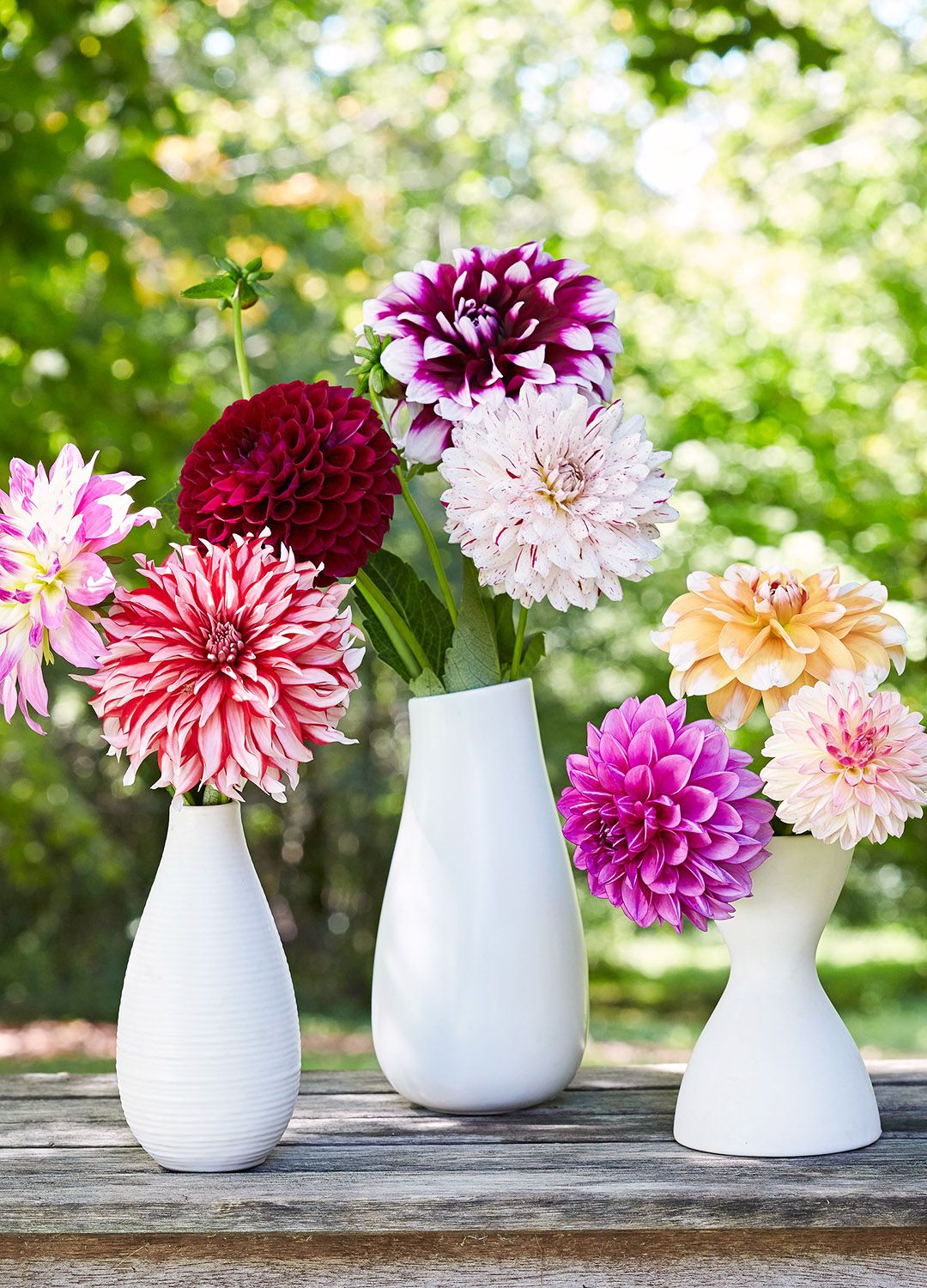
There is something wildly satisfying about walking into your yard with a pair of snips and coming back looking like you robbed a flower shop. A cut flower garden makes that possible. Instead of admiring blooms from a polite distance like a museum guard, you grow flowers specifically to cut, arrange, and enjoy indoors all season long. It is practical, beautiful, and just a little addictive. One minute you are sowing a few zinnia seeds. The next minute you are discussing stem length like a tiny backyard florist with very strong opinions.
If you want your vases full from spring through frost, the secret is not luck. It is planning. A productive cutting garden starts with the right site, a smart mix of flowers, and succession planting so everything does not bloom at once like it is trying to win a talent show in a single weekend. Add a little maintenance, regular harvesting, and a few “why didn’t anybody tell me this sooner?” tricks, and you can keep your home stocked with bouquets for months.
This guide walks you through exactly how to plant a cut flower garden that keeps producing. Whether you have one raised bed, a sunny side yard, or a modest patch of lawn you are ready to turn into floral greatness, you can build a space that gives you armloads of stems for bouquets, gifts, and those “I totally meant to make the dining table look this pretty” moments.
What Makes a Great Cut Flower Garden?
A cut flower garden is different from a traditional ornamental bed. In a display border, you may choose plants mainly for how they look in the landscape. In a cutting garden, you choose plants for performance: long stems, repeat blooms, strong vase life, good productivity, and colors or shapes that play nicely together in arrangements.
The best cutting gardens also mix flower types. You want:
- Focal flowers like sunflowers, dahlias, and zinnias that steal the spotlight.
- Spikes and airy forms like snapdragons, larkspur, and salvia for height and movement.
- Fillers and foliage like basil, ornamental grasses, bells of Ireland, or leafy stems that make bouquets feel lush instead of lonely.
That mix is what turns a few pretty stems into arrangements that look thoughtful and full. A vase with three identical flowers can be nice. A vase with form, texture, movement, and scent looks like you know exactly what you are doing, even if you are still wearing yesterday’s gardening shoes.
Start with the Right Spot
Give flowers the light they crave
Most annual cut flowers want full sun, which means at least six to eight hours of direct light a day. More sun usually means stronger stems, better flowering, and fewer sulky plants. Choose the brightest spot you have, preferably one with easy access to water. A cutting garden tucked into a far corner of the yard may sound romantic until you are dragging a hose across the county in July.
Prioritize soil before seeds
Good flowers begin underground. Your soil should be loose, fertile, and well drained. If your soil is compacted, improve it before planting by mixing in compost or other organic matter. Raised beds are excellent for cut flowers because they warm up faster in spring, drain better in wet weather, and make planning rows easier. A soil test is even better. It takes the guesswork out of fertility and pH, which means fewer random fertilizer decisions made with the confidence of someone assembling furniture without reading the instructions.
Think in rows, not just romance
For a productive cut flower garden, neat rows often beat dreamy drifts. Rows make it easier to sow successions, weed, harvest, and support taller plants. Beds about 3 to 4 feet wide are ideal because you can reach the middle from either side without stepping into the soil. Add paths wide enough for a bucket, your feet, and your future self carrying an unreasonable number of sunflowers.
Choose Flowers That Bloom in Waves
If your goal is season-long bouquets, do not plant only one type of flower or only one bloom season. Build your garden like a relay team. When one group slows down, another should be ready to sprint.
Early season stars
For spring and early summer, consider cool-season flowers such as snapdragons, larkspur, sweet peas, bachelor’s buttons, stock, and calendula. Many of these can be started early and give you the first real stems of the season, which feels especially glorious after winter has been showing off for long enough.
Summer workhorses
Summer is where the cutting garden really earns its keep. This is the time for zinnias, cosmos, sunflowers, celosia, gomphrena, marigolds, basil, rudbeckia, salvia, and dahlias. These are the reliable, high-output plants that make you feel like a genius even when you are mostly surviving on iced coffee and garden optimism.
Late-season support cast
To keep bouquets interesting into late summer and fall, include plants with strong late-season performance such as amaranth, ornamental grasses, strawflower, tithonia, eucalyptus in warm climates, and fall-blooming perennials where appropriate. Foliage matters, too. A cutting garden without foliage is like a sandwich without bread: technically possible, but a lot less satisfying.
Annuals plus perennials is the sweet spot
Annual flowers give you speed, abundance, and flexibility. Perennials and woody shrubs add structure and dependable seasonal stems. A smart garden often combines both. Peonies, coneflowers, yarrow, hydrangea, lilac, lady’s mantle, and grasses can all add value, while annuals handle the heavy bouquet production.
The Real Secret: Succession Planting
Here is the mistake beginners make most often: planting everything at once. This creates a glorious flower explosion followed by a long stretch of disappointment and suspiciously empty vases. Succession planting fixes that.
Instead of sowing all your zinnias or sunflowers in one weekend, plant smaller batches at intervals. For many cut flowers, every 1 to 3 weeks works beautifully, depending on the crop and your climate. This spreads out bloom time and gives you steady harvests instead of one big floral traffic jam.
Sunflowers are the poster child for succession planting. Single-stem pollenless types can be sown every week or two for regular harvests. Branching sunflowers can be planted in fewer rounds because each plant yields multiple stems. Zinnias, cosmos, basil, and gomphrena can also be planted in batches so new plants are always coming on as older ones slow down.
Think of your cutting garden in thirds:
- One section blooming now
- One section actively growing
- One section just being planted
That rhythm is what keeps your vases full all season instead of just for one glorious week in June.
How to Plant for More Stems, Not Just More Leaves
Start seeds the smart way
Some cut flowers are easy to direct sow, while others perform better as transplants. Direct sowing works well for sunflowers, zinnias, cosmos, bachelor’s buttons, and some filler flowers. Transplants are helpful when you want an earlier start or are dealing with slower crops like snapdragons and lisianthus. If you are new, start with easy annuals first. There is no prize for choosing the fussiest plant on Earth in your first season.
Space plants for airflow
Cramped flowers may look cute at first, but crowding invites disease, weak stems, and awkward harvesting. Follow spacing recommendations for each crop, and do not assume tighter is better. Good airflow helps keep foliage healthier and makes the whole patch easier to manage.
Pinch the right plants
Pinching sounds dramatic, but it is simply removing the growing tip of certain young plants to encourage branching. This often leads to more stems and more flowers over time. Zinnias, cosmos, dahlias, marigolds, rudbeckia, branching sunflowers, and sweet peas often benefit. Single-stem sunflowers, however, should not be pinched. They are not being difficult; they just have a different game plan.
Support tall flowers early
Many beloved cut flowers flop like exhausted extras in a period drama unless they are supported. Use netting, stakes, cages, or a simple corral system for plants such as snapdragons, sweet peas, dahlias, cosmos, and branching sunflowers. Put supports in place early. Waiting until plants are already leaning is like buying an umbrella after you are soaked.
Keep cutting and deadheading
Many cut-and-come-again flowers produce more blooms the more you harvest them. Zinnias, cosmos, basil, celosia, snapdragons, and sweet peas are famous for this. If you stop cutting and let plants go to seed, they often slow down. So yes, the solution to getting more flowers is, delightfully, to cut more flowers.
A Simple Beginner Layout That Actually Works
If you want a practical starter plan, imagine a 4-by-12-foot bed in full sun.
- Back row: branching sunflowers, snapdragons, and basil
- Middle row: zinnias, cosmos, celosia, and gomphrena
- Front row: calendula, marigolds, and filler foliage
Then reserve a small section or a second bed for succession sowing. Every two weeks, sow another round of sunflowers and zinnias. If you have more room, add dahlias for high-impact focal blooms and sweet peas for spring fragrance. If you have less room, skip the fussiest crops and double down on three stars: zinnias, sunflowers, and basil. That trio punches far above its weight.
How to Harvest for Longer Vase Life
Growing beautiful flowers is only half the job. Harvesting them well is what gets them from garden glamour to indoor staying power.
Cut at the right time of day
Harvest in the cool of the morning or evening when plants are hydrated. Midday cutting in summer heat is basically asking your flowers to perform while dehydrated and annoyed.
Use clean tools and a clean bucket
Bring a bucket of clean water to the garden and place stems into it immediately. Use sharp snips or pruners so you make smooth cuts instead of crushing stems. Remove leaves that would sit below the water line. Submerged foliage encourages bacteria, and bacteria are not invited to this bouquet.
Cut low on repeat bloomers
When harvesting branching flowers, cut deep enough to encourage long replacement stems. Shallow snipping can leave you with short, awkward regrowth that is only useful if your favorite vase is a teacup.
Condition flowers before arranging
Once inside, re-cut stems and let them rest in fresh water with flower food for several hours before arranging. This conditioning step helps flowers hydrate fully and can noticeably improve vase life.
Common Mistakes That Shrink Your Bouquet Supply
- Planting only one bloom window: pretty for two weeks, depressing afterward.
- Skipping succession sowing: the fastest route to feast-or-famine flowers.
- Choosing only showy flowers: bouquets need fillers and foliage, too.
- Not harvesting often enough: many flowers produce more when you keep cutting.
- Ignoring support: floppy stems are hard to love in the vase.
- Overcrowding plants: poor airflow invites disease and weak growth.
- Waiting too long to cut: overblown flowers fade faster indoors.
What a Season in a Cut Flower Garden Really Feels Like
The best part of planting a cut flower garden is that it changes how you experience the season. In early spring, the garden feels like a promise. You are staring at bare soil, tiny labels, and seedlings so small they seem to require emotional support. Then the first snapdragons open, or the first sweet peas climb, and suddenly the whole project feels real. You cut a handful of stems, stick them in a jar, and act as if you have discovered agriculture itself.
By early summer, the garden starts teaching you rhythm. You learn that a vase does not fill itself in one grand cinematic sweep. It fills because you sowed a second batch of sunflowers when the first ones were just getting started. It fills because you pinched the zinnias even though it felt a little cruel at the time. It fills because you kept harvesting basil tips, deadheaded spent blooms, and paid attention when one bed started slowing down. The garden rewards consistency more than heroics.
There is also a surprising shift in how you see flowers. At first, beginners focus on the biggest bloom in the patch. After a while, you notice the supporting cast. You start appreciating the feathery foliage, the odd little filler stems, the arching grasses, and the herbs that make arrangements smell amazing. A bouquet becomes less about one perfect flower and more about balance, texture, and mood. You become the sort of person who gets excited about a well-timed stem of basil, which is both charming and impossible to explain to non-gardeners.
Midseason is usually when the cutting garden feels wonderfully generous. The zinnias are pumping out color, cosmos are floating above the beds like confetti, and the sunflowers are arriving in waves because you had the foresight to succession sow instead of planting every seed in a single burst of optimism. This is when you start bringing flowers indoors regularly, sharing bunches with neighbors, and finding excuses to put a vase in every room. Kitchen counter? Needs flowers. Bathroom sink? Tiny vase. Nightstand? Obviously.
Then late season arrives with its own kind of beauty. The tones get richer, the stems get moodier, and the garden starts to feel more textured than flashy. Amaranth trails, grasses catch the light, and the last strong zinnias look like they know they are closing the show. Even the work changes. You cut with more intention. You notice what lasted best, what was worth the space, and which flowers turned out to be divas. This is where experience grows.
And that may be the biggest lesson of all: a cut flower garden gets better every year because you get better every year. You remember which flowers earned their keep, which supports you should have installed earlier, and how much easier life becomes when you keep a clean bucket by the back door. The garden teaches timing, patience, and a little humility. It also gives you armfuls of beauty for the effort. Not a bad deal for a patch of dirt and a packet of seeds.
Final Thoughts
If you want vases full from spring through fall, plant a cut flower garden like you mean business. Give it sun, improve the soil, choose productive flowers, and plant in waves. Add fillers and foliage, support your tall growers, and harvest often. The more thoughtfully you plan, the more relaxed the season becomes. Instead of chasing blooms, you will have a steady parade of stems ready when you are.
Start small if you need to. One sunny bed can produce a shocking number of bouquets when planted well. And once you experience the joy of cutting your own flowers for the table, the porch, or a gift for a friend, you may never look at an empty vase the same way again.













