
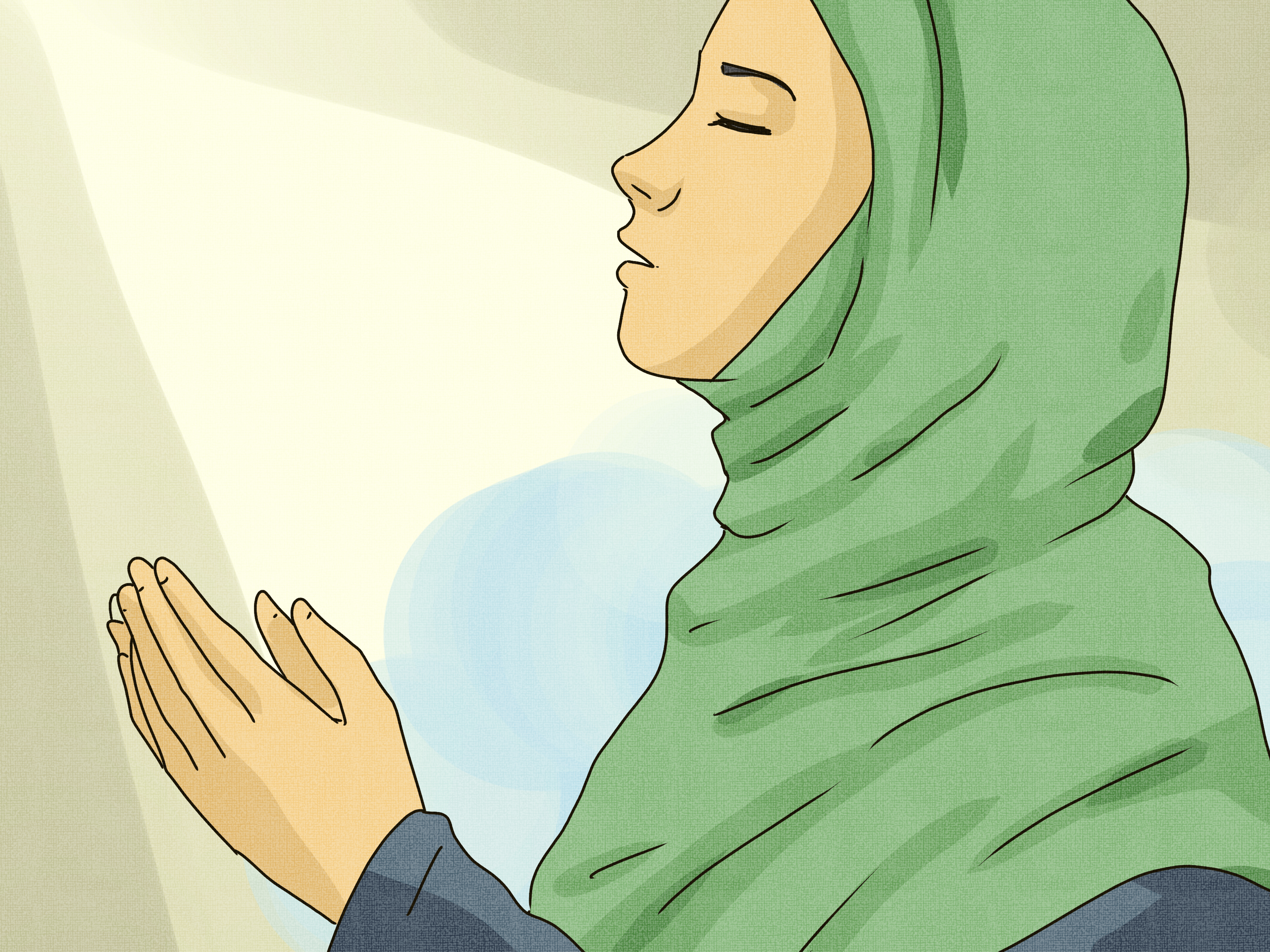
Maghrib prayer has a special kind of beauty. It arrives right after sunset, when the sky is changing colors, the day is taking off its work shoes, and your phone is probably asking for attention like a toddler with Wi-Fi. In Islam, Maghrib is the fourth of the five daily obligatory prayers, performed after the sun has set. It is short, powerful, and deeply meaningful: three obligatory rak‘ahs that help a Muslim pause, remember Allah, and reset the heart before night begins.
If you are new to salah, returning after a long break, teaching someone else, or simply trying to make your Maghrib prayer more focused, this guide will walk you through the process in plain American English. No complicated lecture. No “you should already know this” attitude. Just a clear, respectful, step-by-step guide to praying Maghrib properly, with practical tips for timing, preparation, recitation, and focus.
What Is the Maghrib Prayer?
Maghrib is the sunset prayer. The word “Maghrib” is connected to the west and the setting of the sun. It is prayed after sunset and before the time for Isha begins. Since sunset changes daily and differs from city to city, Muslims usually rely on a local masjid timetable, a trusted Islamic app, or a reliable prayer calendar to know the correct Maghrib time.
The obligatory Maghrib prayer consists of three rak‘ahs. A rak‘ah is one complete unit of prayer that includes standing, recitation, bowing, rising, prostrating twice, and moving to the next position. Maghrib is unique because it is the only obligatory daily prayer with exactly three rak‘ahs. Fajr has two, Dhuhr has four, Asr has four, Isha has four, and Maghrib stands in the middle like, “I’ll be different, thank you very much.”
How Many Rak‘ahs Are in Maghrib?
The core Maghrib prayer is three fard rak‘ahs, meaning three obligatory units. Many Muslims also pray two sunnah rak‘ahs after the fard prayer, and some may add voluntary prayers as part of their personal worship. However, this article focuses mainly on how to pray the three obligatory rak‘ahs of Maghrib step by step.
Basic Maghrib Structure
- First rak‘ah: Recite quietly or aloud depending on context, then complete bowing and two prostrations.
- Second rak‘ah: Recite, bow, prostrate twice, then sit for the first tashahhud.
- Third rak‘ah: Stand again, recite Al-Fatihah, bow, prostrate twice, sit for the final tashahhud, then end with tasleem.
In congregational prayer, the imam usually recites aloud in the first two rak‘ahs of Maghrib and silently in the third. When praying alone, practices may vary slightly according to school of thought and personal learning background, so beginners should follow a trusted teacher, imam, or local community standard.
Before You Pray Maghrib: Prepare Properly
1. Make Sure the Time Has Entered
Maghrib begins after sunset. Because sunset time changes every day, do not guess based only on how the sky looks. Clouds, buildings, and “I think it looks sunset-ish” are not always reliable scholars. Use a local prayer timetable or app and make sure you are checking the correct location.
2. Perform Wudu
Wudu is the ritual washing required before salah. A basic wudu includes washing the hands, rinsing the mouth and nose, washing the face, washing the arms to the elbows, wiping the head, and washing the feet. If your wudu is still valid from a previous prayer, you do not need to repeat it unless it has been broken.
3. Wear Clean and Modest Clothing
Before salah, make sure your body, clothing, and prayer area are clean. Dress modestly and cover the required areas for prayer. The goal is not fashion-week perfection. The goal is dignity, cleanliness, and readiness to stand before Allah.
4. Face the Qiblah
The qiblah is the direction of the Ka‘bah in Makkah. Muslims face the qiblah during prayer. If you are unsure, use a qiblah app, a mosque marker, or ask someone nearby. If you are traveling and genuinely cannot determine the exact direction, do your best.
5. Make Your Intention
Niyyah means intention. You do not need to say a long formula out loud. In your heart, know that you are praying the three fard rak‘ahs of Maghrib for the sake of Allah. A simple inner intention is enough: “I intend to pray the obligatory Maghrib prayer.”
How to Pray the Maghrib Prayer Step by Step
Step 1: Stand for Prayer
Stand facing the qiblah with calmness. Keep your feet steady and your posture relaxed. Try to leave the day behind for a moment. The emails can wait. The dishes can wait. The group chat can absolutely wait.
Step 2: Say the Opening Takbir
Raise your hands and say, “Allahu Akbar,” meaning “Allah is the Greatest.” This opening takbir begins the prayer. After this, avoid unnecessary movement, talking, eating, drinking, or anything unrelated to salah.
Step 3: Place Your Hands and Begin Recitation
Place your right hand over your left, according to the method you have learned. Some Muslims place the hands on the chest, while others place them lower. These differences exist among recognized schools of Islamic practice, so do not turn hand placement into a family debate at dinner.
Begin with the opening supplication if you know it. Then recite Surah Al-Fatihah. Al-Fatihah is essential in every rak‘ah for many Muslims and is the central opening chapter of the Qur’an. After Al-Fatihah in the first rak‘ah, recite another short surah or a few verses from the Qur’an, such as Surah Al-Ikhlas.
Step 4: Go into Ruku
Say “Allahu Akbar” and bow. This bowing position is called ruku. Keep your back level as much as you reasonably can, place your hands on your knees, and remain still. In ruku, you may say, “Subhana Rabbiyal Azim,” which means “Glory be to my Lord, the Most Great.” It is commonly repeated three times.
Step 5: Rise from Ruku
Rise back to standing and say, “Sami‘ Allahu liman hamidah,” meaning “Allah hears the one who praises Him.” Then say, “Rabbana wa lakal hamd,” meaning “Our Lord, to You belongs all praise.” Stand calmly before moving down. Salah is not a fitness race. No one gets bonus points for speed-running Maghrib.
Step 6: Perform the First Sujood
Say “Allahu Akbar” and go down into prostration. This position is called sujood. Place your forehead, nose, palms, knees, and toes on the ground. In sujood, say, “Subhana Rabbiyal A‘la,” meaning “Glory be to my Lord, the Most High.” It is commonly repeated three times.
Sujood is one of the most humbling and spiritually powerful parts of prayer. Your head, the place of pride, thought, worry, planning, and overthinking, is placed on the ground before Allah. It is a physical reminder that peace begins with surrender.
Step 7: Sit Between the Two Prostrations
Say “Allahu Akbar” and sit briefly. You may say, “Rabbighfir li,” meaning “My Lord, forgive me.” Sit with calmness, then say “Allahu Akbar” and perform the second sujood just like the first.
Step 8: Stand for the Second Rak‘ah
After the second sujood, say “Allahu Akbar” and stand again. You have completed the first rak‘ah. In the second rak‘ah, recite Surah Al-Fatihah again, followed by another short surah or some verses from the Qur’an.
Then repeat the same movements: ruku, rising from ruku, first sujood, sitting between the two prostrations, and second sujood.
Step 9: Sit for the First Tashahhud
After completing the second sujood of the second rak‘ah, sit instead of standing immediately. This sitting is for the first tashahhud. Recite the tashahhud according to the version you have learned. Many beginners learn it gradually, phrase by phrase. If you are still memorizing, use a trusted teacher or printed guide outside the prayer until you can recite it confidently.
Step 10: Stand for the Third Rak‘ah
After the first tashahhud, say “Allahu Akbar” and stand for the third rak‘ah. In the third rak‘ah of Maghrib, recite Surah Al-Fatihah. In many common practices, no additional surah is recited after Al-Fatihah in the third rak‘ah of the fard prayer.
Then complete ruku, rise from ruku, perform two prostrations, and sit again for the final tashahhud.
Step 11: Recite the Final Tashahhud and Salawat
In the final sitting, recite the tashahhud. Then recite salawat upon the Prophet Muhammad, often known as the Ibrahimiyyah prayer. Many Muslims also make a short personal dua before ending the prayer, especially asking for forgiveness, guidance, mercy, and protection.
Step 12: End with Tasleem
Turn your head to the right and say, “As-salamu ‘alaykum wa rahmatullah,” meaning “Peace and the mercy of Allah be upon you.” Then turn to the left and say the same. This tasleem ends the prayer.
Congratulations. You have completed the three fard rak‘ahs of Maghrib. No fireworks are required, but a quiet “Alhamdulillah” is always a good idea.
Common Mistakes to Avoid in Maghrib Prayer
Praying Before the Time Begins
Because Maghrib is tied directly to sunset, timing matters. Do not pray before sunset. Check your local prayer time and wait until Maghrib has entered.
Rushing Through the Prayer
Maghrib is short, but short does not mean careless. Pause in each position. Let your body settle in standing, bowing, sitting, and prostration. A calm prayer is easier to remember and more meaningful to experience.
Forgetting the First Sitting
Since Maghrib has three rak‘ahs, many beginners accidentally stand after the second rak‘ah and forget the first tashahhud. A helpful memory trick: Maghrib is “two plus one.” After two rak‘ahs, sit. Then stand for the final one.
Confusing Maghrib with Isha
Maghrib has three fard rak‘ahs. Isha has four fard rak‘ahs. If you are learning multiple prayers at once, write down the rak‘ah numbers and keep them somewhere visible until they become second nature.
Tips for Better Focus During Maghrib
Focus in salah is called khushu‘. It does not always come automatically. Some days your heart feels present. Other days your brain decides to replay a conversation from three years ago while you are trying to recite Al-Fatihah. That does not mean you have failed. It means you are human.
- Pray early: Maghrib has a relatively short window, so try not to delay it without reason.
- Silence distractions: Put your phone away or switch it to silent mode.
- Understand what you recite: Learning the meanings of Al-Fatihah, tashahhud, and common phrases can transform your prayer.
- Slow down: Stillness helps the heart catch up with the body.
- Create a prayer spot: A clean, quiet space makes consistency easier.
Should You Pray Maghrib at the Mosque or at Home?
For men, praying in congregation at the mosque is strongly emphasized in many Islamic teachings, especially when it is possible and safe. Women may pray at home or at the mosque depending on their circumstances, comfort, and local community practice. The most important point is to pray Maghrib within its time, with sincerity and proper care.
If you are new, praying at a mosque can help you learn the rhythm of Maghrib. You can follow the imam, observe the sequence, and become more comfortable. If you pray at home, use a reliable step-by-step guide and practice consistently.
What to Do After Maghrib Prayer
After finishing Maghrib, many Muslims remain seated for a few moments of dhikr, dua, and reflection. You can say “Astaghfirullah,” ask Allah for forgiveness, recite short remembrances, or make personal dua. You may also pray two sunnah rak‘ahs after Maghrib if that is part of your practice.
Maghrib is also connected to family routines in many homes. During Ramadan, it marks the time to break the fast. Outside Ramadan, it can still become a beautiful family anchor: pray, eat dinner, check in with loved ones, and let the evening begin with remembrance instead of chaos.
Beginner-Friendly Maghrib Prayer Summary
- Check that Maghrib time has entered after sunset.
- Make wudu and wear clean, modest clothing.
- Face the qiblah.
- Make the intention to pray three fard rak‘ahs of Maghrib.
- Say “Allahu Akbar” to begin.
- Pray the first rak‘ah with Al-Fatihah and another surah.
- Pray the second rak‘ah the same way, then sit for tashahhud.
- Stand for the third rak‘ah and recite Al-Fatihah.
- Complete ruku and sujood.
- Sit for the final tashahhud and salawat.
- End with tasleem to the right and left.
Personal Experiences and Practical Reflections on Learning Maghrib Prayer
One of the most common experiences when learning how to pray Maghrib is realizing that the prayer is both simple and deep. On paper, it looks like a sequence: stand, recite, bow, rise, prostrate, sit, prostrate, repeat. But once you begin practicing, you discover that salah is not only about movement. It is about attention. It asks the whole person to show up: body, voice, mind, and heart.
For beginners, Maghrib can feel like the perfect prayer to learn early because it has only three obligatory rak‘ahs. It is not as long as Dhuhr, Asr, or Isha, but it has enough structure to teach the full rhythm of salah. You learn the first two rak‘ahs, the first tashahhud, the final rak‘ah, and the closing tasleem. In a way, Maghrib is like a compact training course in daily prayer. No tuition required, just sincerity and repetition.
Many people also find Maghrib emotionally different from other prayers. Fajr comes with the stillness of morning. Dhuhr and Asr often happen in the middle of work, school, errands, or traffic. Isha arrives at night, when the day is nearly over. Maghrib, though, lands right at the transition point. The sun sets. The sky softens. The world looks briefly paused. That moment can make the prayer feel like a spiritual doorway between what happened today and what comes next tonight.
A practical challenge is timing. Maghrib can be easy to miss because the window is shorter than people expect. You might be commuting, cooking dinner, helping family, finishing homework, or stuck in the classic “I’ll pray in five minutes” trap. Five minutes then turns into twenty, and suddenly the evening is moving faster than a cat near an open tuna can. A helpful habit is to prepare before sunset whenever possible. Make wudu early, know where your prayer mat is, and set an alarm a few minutes before Maghrib rather than at the exact time.
Another experience many learners share is nervousness about recitation. They worry about pronunciation, forgetting tashahhud, or mixing up the order. The best solution is steady practice. Learn Al-Fatihah carefully. Memorize one short surah at a time. Repeat the tashahhud daily outside prayer until it becomes familiar. You do not need to become perfect overnight. Salah is learned through repetition, and every sincere effort matters.
Maghrib can also become a family habit. In some homes, it is the prayer that gathers everyone before dinner. In Ramadan, it is especially memorable because families break their fast at Maghrib. Even outside Ramadan, praying Maghrib together can change the atmosphere of the evening. Instead of rushing straight from sunset into screens, food, noise, and chores, the family begins with worship. That small shift can bring calm into the home.
For people praying alone, Maghrib can become a private moment of repair. Maybe the day was stressful. Maybe you were impatient, distracted, or overwhelmed. Maghrib gives you a chance to stop and return to Allah. You place your forehead on the ground and admit, without a dramatic speech, that you need guidance. That humility is not weakness. It is one of the strongest things a person can practice.
The more consistently you pray Maghrib, the more it becomes part of your internal clock. Sunset no longer feels like just “evening.” It becomes a call to remember. The changing sky becomes a reminder that time is passing, life is moving, and the heart needs regular light. Maghrib teaches that worship does not have to be loud or complicated to be powerful. Sometimes it is three rak‘ahs, a quiet room, a sincere intention, and a servant returning to the Creator at the edge of night.
Conclusion
Learning how to pray the Maghrib prayer is a beautiful step toward building a consistent relationship with salah. Maghrib is performed after sunset and consists of three obligatory rak‘ahs. The prayer includes intention, standing, Qur’an recitation, bowing, prostration, sitting for tashahhud, and ending with tasleem. While the steps may feel new at first, they become natural with practice.
Start with accuracy, then work on calmness. Learn the words, but also learn their meanings. Pray on time, but also bring your heart along. Maghrib is more than a sunset ritual; it is a daily invitation to pause, reset, and remember Allah before night begins.














