
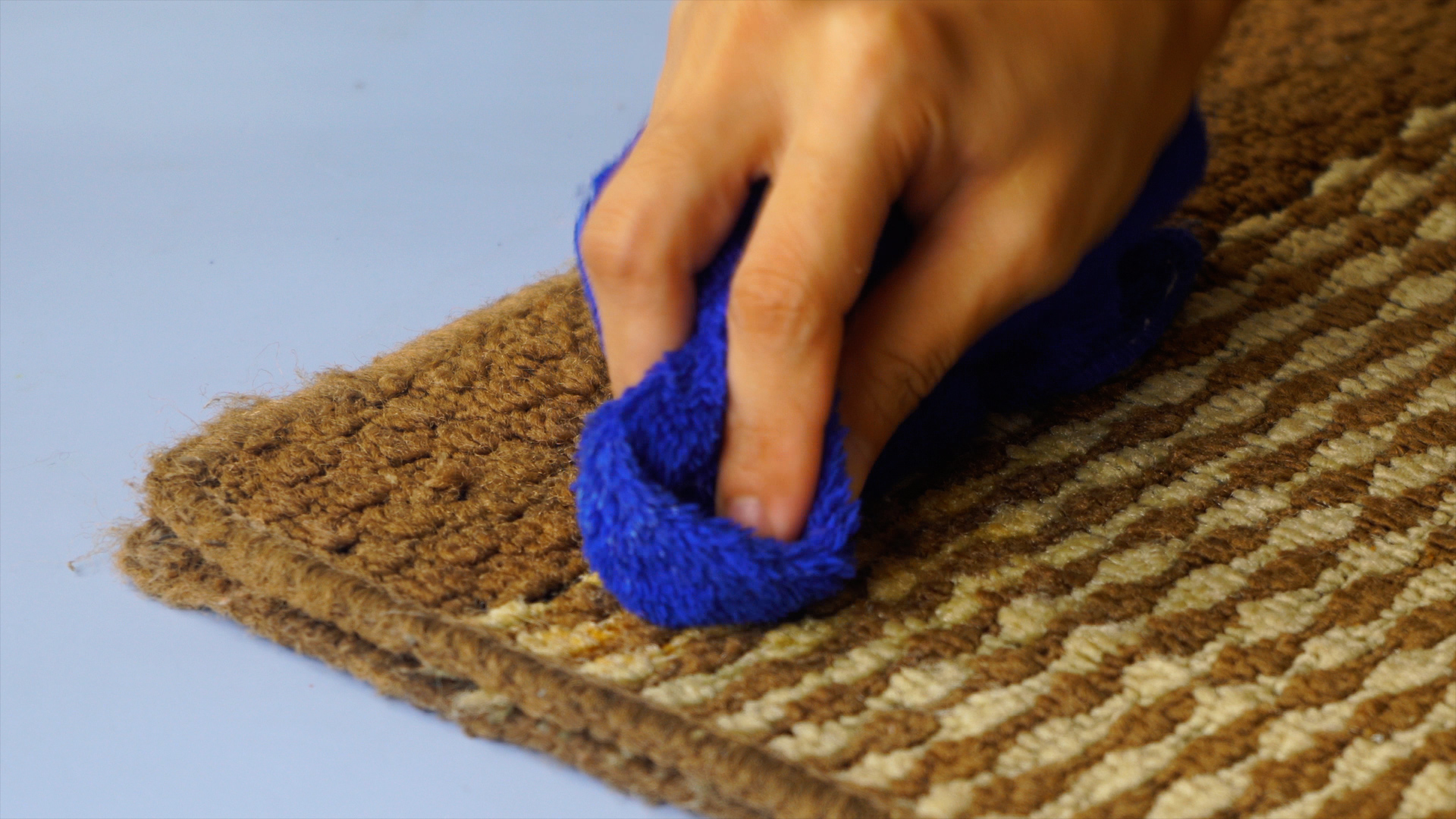
Curry is wonderful on a plate and dramatic everywhere else. One tiny splash of tikka masala, yellow curry, vindaloo, or turmeric-heavy sauce can turn your favorite shirt into a crime scene starring the color orange. The good news? Curry stains are stubborn, not magical. With the right order of attack, you can remove curry stains from clothes, table linens, carpets, upholstery, plastic containers, and even kitchen counters without losing your mindor your shirt.
The secret is understanding what you are fighting. Curry stains are usually a triple threat: turmeric pigment, cooking oil, and sauce ingredients such as tomato, cream, chili, or spices. Turmeric contains a strong yellow pigment that clings to fibers quickly, while oil helps carry that color deep into fabric. That is why simply tossing a curry-stained shirt into the washing machine often ends with disappointment and a still-yellow stain waving hello.
This guide explains how to remove curry stains in 10 practical steps, using common stain-removal tools like cold water, liquid laundry detergent, dish soap, baking soda, white vinegar, oxygen bleach, and careful laundering. The goal is not to panic-scrub like a raccoon washing treasure. The goal is to work smart, treat the stain gently, and avoid heat until the stain is gone.
Before You Start: What You Need
For most curry stain removal jobs, gather a spoon or dull knife, clean white cloths or paper towels, cold water, liquid dish soap, liquid laundry detergent, baking soda, white vinegar, oxygen-based bleach, a soft-bristled toothbrush, and a drying rack. For white cotton or other bleach-safe whites, you may also use chlorine bleach, but only if the care label allows it. For delicate fabrics like silk, wool, rayon, or anything labeled “dry clean only,” skip the DIY experiments and contact a professional cleaner.
Always test any cleaner on a hidden area first. This matters because the only thing worse than a curry stain is a curry stain surrounded by a faded cleaning halo. Also, never mix chlorine bleach with vinegar, ammonia, or other cleaners. Laundry should smell fresh, not like a science fair gone wrong.
How to Remove Curry Stains: 10 Steps
Step 1: Act Fast
The sooner you treat a curry stain, the better your chances of removing it completely. Fresh curry is easier to lift because the oils and turmeric pigment have not fully bonded with the fabric. If you are at a restaurant, do not wait until you get home to do something. Blot gently with a damp cloth or use a stain-removal pen if the fabric is washable and colorfast. Your goal is not to finish the whole cleaning job at the table; it is to stop the stain from settling in like it pays rent.
If the stain has already dried, do not give up. Dried curry stains can still improve with soaking and repeated treatment. They simply need more patience and possibly more than one cleaning round.
Step 2: Scrape Off the Excess Curry
Use a spoon, dull knife, or the edge of a credit card to gently lift away solid pieces of curry sauce. Work from the outside of the stain toward the center so you do not spread it. Avoid wiping the stain across the fabric, because rubbing pushes turmeric and oil deeper into the fibers.
For clothing, place the stained area flat on a clean surface. For carpets or upholstery, remove as much sauce as possible without pressing downward. Think “lift,” not “smear.” Your future self will thank you.
Step 3: Blot, Don’t Rub
Use a clean white cloth or paper towel to blot the stain. White cloths are best because colored towels can transfer dye, creating a bonus stain you absolutely did not order. Press gently and switch to a clean section of the cloth as it absorbs curry residue.
Do not scrub aggressively. Curry stains already have enough personality. Scrubbing can damage fabric, fuzz up fibers, and make the stain spread. If the stain is on a delicate garment, blot with extra care and stop if the fabric starts to distort.
Step 4: Rinse From the Back With Cold Water
Turn the fabric inside out and run cold water through the back of the stain. This helps push the curry out the same way it came in, rather than driving it deeper into the material. Cold water is usually safest at the beginning because heat can make some stains harder to remove and may damage certain fabrics.
Hold the stained area under running water for several minutes. If you are treating carpet or upholstery, use a damp cloth instead of pouring water directly onto the surface. Too much water can soak padding and create new problems, including odors or mildew.
Step 5: Treat the Oil With Dish Soap
Curry often contains oil, butter, ghee, coconut milk, or cream. That greasy layer can protect the turmeric pigment from regular washing. Apply a small amount of grease-cutting liquid dish soap directly to the stain. Gently work it in with your fingers or a soft toothbrush, then let it sit for 5 to 10 minutes.
Dish soap helps break down oily curry residue so detergent can reach the pigment. Rinse again with cool water. If the stain looks lighter but still visible, that is progress. Curry stains often leave in stages: first the grease, then the orange, then the faint yellow ghost that likes to be dramatic.
Step 6: Pretreat With Liquid Laundry Detergent
Next, apply liquid laundry detergent directly to the stained area. Choose a good-quality detergent, preferably one designed for stain removal. Massage it lightly into the fabric and let it sit for 10 to 15 minutes. This gives the detergent time to loosen remaining food particles, oils, and pigment.
For sturdy fabrics like cotton, denim, polyester, or washable table linens, a soft brush can help. For delicate fabrics, use your fingers and a gentle touch. If the stain is on a bright or dark garment, test first to make sure the detergent does not affect the color.
Step 7: Use Baking Soda for Stubborn Curry Stains
Baking soda is helpful because it can absorb oil and gently lift residue. Sprinkle baking soda over the damp stain or mix baking soda with a few drops of water to make a paste. Apply the paste to the stained area and let it sit for 15 to 30 minutes.
For extra cleaning power on sturdy washable fabrics, you can mix baking soda with a small amount of dish soap. Gently brush the paste into the stain, then rinse thoroughly. Do not use abrasive scrubbing on silk, wool, satin, or fragile materials. Baking soda is mild, but your vintage blouse still deserves respect.
Step 8: Try White Vinegar or Oxygen Bleach
If the curry stain remains yellow or orange, it is time for a second-level treatment. For many washable fabrics, white vinegar can help loosen stain residue. Mix one tablespoon of white vinegar with two cups of cool water, then dab the solution onto the stain. Let it sit for about 10 minutes and rinse well.
For colored washable fabrics, oxygen-based bleach is often a safer choice than chlorine bleach. Mix it according to the package directions and soak the garment for the recommended time. Oxygen bleach can help fade turmeric stains without the harsh color-stripping risk of chlorine bleach. However, always check the care label and test first.
For white cotton or bleach-safe white fabrics, chlorine bleach may work, but use it carefully and only when the label allows it. Never use chlorine bleach on wool, silk, leather, spandex-heavy fabrics, or colored garments unless the product specifically says it is safe.
Step 9: Wash According to the Care Label
After pretreating, wash the item using the warmest water recommended on the care label. Add regular detergent, and if suitable, include an oxygen-based laundry booster. For delicate items, hand-washing may be safer than machine washing. For dry-clean-only clothing, tell the cleaner exactly what caused the stain and when it happened.
Do not overload the washing machine. Clothes need room to move so water and detergent can do their job. If your curry-stained shirt is packed into the washer like luggage before a three-week trip, it will not clean as well.
Step 10: Air-Dry and Inspect Before Using Heat
This step is extremely important: do not put the item in the dryer until the curry stain is completely gone. Dryer heat can set turmeric pigment and oil residue, making the stain much harder to remove. Air-dry the garment, then inspect it in bright natural light.
If you still see yellow, orange, or oily residue, repeat the pretreatment and washing process. Many curry stains need two rounds. This is normal. The stain is not winning; it is just being annoying.
How to Remove Curry Stains From Different Surfaces
Clothes and Washable Fabrics
For washable clothing, the best method is to scrape, blot, rinse with cold water, treat oil with dish soap, pretreat with liquid detergent, then wash. Use oxygen bleach for persistent stains on colorfast fabrics. Always air-dry first and repeat if needed.
White Shirts
White shirts show curry stains loudly, but they also allow stronger treatment options. After rinsing and pretreating with dish soap and detergent, try an oxygen bleach soak. If the shirt is plain white cotton and the care label permits chlorine bleach, use a diluted bleach solution according to the product directions. Avoid bleach on elastic, silk, wool, or shirts with colored logos and embroidery.
Carpet
For carpet, scrape away solids first. Blot with a clean white cloth. Mix a few drops of dish soap with cool water and dab the stain from the outside inward. Blot with clean water to rinse, then blot dry. Avoid soaking the carpet. If the stain remains, use a carpet-safe oxygen cleaner or call a professional cleaner, especially for expensive rugs.
Upholstery
Check the cleaning code on the upholstery tag. If the fabric is water-safe, use a mild dish soap and cool water solution. Dab gently, rinse with a damp cloth, and blot dry. If the tag says “S” or “dry clean only,” do not use water-based cleaners. Curry on upholstery can spread quickly, so professional cleaning is often the safest route.
Plastic Containers
Curry can stain plastic food containers because oil helps pigment cling to the surface. Wash the container with hot, soapy water first. Then apply a baking soda paste and let it sit for 15 to 30 minutes. Rinse well. For stubborn stains, try white vinegar or a short soak with an oxygen-based cleaner made for kitchen-safe use. Sunlight can also help fade stains in plastic containers, but rinse and dry them first.
Kitchen Counters
For laminate, quartz, stainless steel, or sealed surfaces, wipe the curry immediately with dish soap and water. Use baking soda paste for lingering yellow marks, but avoid harsh scrubbing. For marble, granite, or natural stone, do not use vinegar or lemon juice because acidic cleaners can etch the surface. Use a stone-safe cleaner or a gentle baking soda poultice instead.
Common Mistakes That Make Curry Stains Worse
The biggest mistake is using heat too soon. Hot water, steam, ironing, or the dryer can make turmeric stains more difficult to remove. Another mistake is rubbing the stain aggressively. This spreads the curry and drives pigment deeper. A third mistake is using chlorine bleach on the wrong fabric. Bleach can damage fibers, remove color, or react badly with other cleaners.
Also, do not assume one wash will solve everything. Curry stains are layered stains. You may need to treat the oil, then the pigment, then the leftover shadow. That does not mean the method failed. It means curry came prepared.
Natural Curry Stain Removers: What Works?
Several household ingredients can help with curry stain removal. Dish soap is excellent for oil. Baking soda helps absorb grease and lift residue. White vinegar can loosen some stain particles and brighten washable fabrics. Lemon juice may help on white fabrics, but use caution because it can lighten colors and may damage delicate materials. Sunlight can fade turmeric stains on some white or light-colored items, but it should be used carefully and only after washing because sunlight is not a substitute for removing oil and food residue.
Natural methods are useful, but they are not magic. For a serious curry stain on a favorite garment, combine smart pretreatment with proper laundering. That balanced approach usually works better than relying on one pantry ingredient and a hopeful stare.
When to Call a Professional Cleaner
Call a professional cleaner if the stained item is silk, wool, leather, suede, vintage, heavily embellished, or labeled dry clean only. You should also get help for expensive rugs, upholstered furniture, or set-in stains that remain after several careful attempts. Tell the cleaner the stain is curry or turmeric-based. Specific information helps them choose the right treatment.
Professional cleaning is not admitting defeat. It is simply outsourcing the battle to someone with stronger tools and fewer emotional attachments to your shirt.
Extra Experience: Real-Life Lessons From Curry Stain Disasters
Anyone who eats curry often eventually learns that stain removal is partly science and partly timing. One of the most common real-life curry stain stories begins with confidence: “It is just a tiny drop.” Then, two hours later, that tiny drop has become a bright yellow badge on a white T-shirt. Curry has a way of making small spills look very committed.
The best experience-based lesson is to treat the stain immediately, even if you cannot fully wash the item right away. At a restaurant, gently remove any sauce with a spoon, then blot with a damp napkin. Do not scrub with a dry paper napkin, especially on dark or delicate clothing. Dry rubbing can grind the pigment into the fabric and leave lint behind, which is the opposite of helpful. If you carry a stain pen, use it only after removing excess sauce. A stain pen works better on light residue than on a blob of curry sitting proudly on your sleeve.
Another practical lesson: dish soap is often the unsung hero. Many people jump straight to vinegar or baking soda, but curry sauce usually contains oil. If you do not break down the oil first, the yellow pigment may stay trapped. A few drops of dish soap, worked in gently and rinsed well, can make the later detergent step much more effective.
For parents, curry stains on kids’ clothes are almost a weekly sport if your household loves flavorful food. The trick is to keep a small stain kit near the laundry area: dish soap, liquid detergent, baking soda, oxygen bleach, a soft toothbrush, and white cloths. When a stained shirt comes in, treat it before it joins the regular laundry basket. Once a curry stain sits under a pile of towels for three days, it becomes much more stubborn.
For home cooks, aprons are your best defense. A dark cotton apron hides splashes better and protects your regular clothes while cooking curry, frying spices, or stirring sauces. Keep paper towels nearby when cooking with turmeric, and wipe counters immediately. Turmeric on a white countertop can look terrifying, but quick cleaning with dish soap followed by a baking soda paste often handles it.
One more useful experience: inspect stains in daylight. Indoor lighting can lie. A shirt may look clean in the laundry room but reveal a yellow shadow near a window. Always air-dry first, then check the fabric under bright light. If a faint stain remains, repeat the treatment. Do not let impatience send the item into the dryer. Heat is the final boss of curry stain mistakes.
Finally, accept that some old curry stains may not disappear completely in one round. That does not mean the garment is doomed. Repeated gentle treatments are better than one harsh attack. A curry stain removed slowly is still a victory, and your shirt does not need to know how close it came to becoming a cleaning rag.
Conclusion
Removing curry stains is all about order: scrape, blot, rinse, degrease, pretreat, wash, and air-dry before applying heat. Because curry stains combine turmeric pigment and oil, they need more than a quick spin in the washing machine. Cold water helps flush the stain, dish soap tackles grease, detergent loosens residue, baking soda absorbs oil, and oxygen bleach can help fade stubborn color on washable fabrics.
The most important rule is simple: do not panic and do not use the dryer until the stain is gone. With patience and the right method, many curry stains can be removed or dramatically reduced. Your curry should be remembered for its flavor, not for the yellow souvenir it left on your clothes.













