
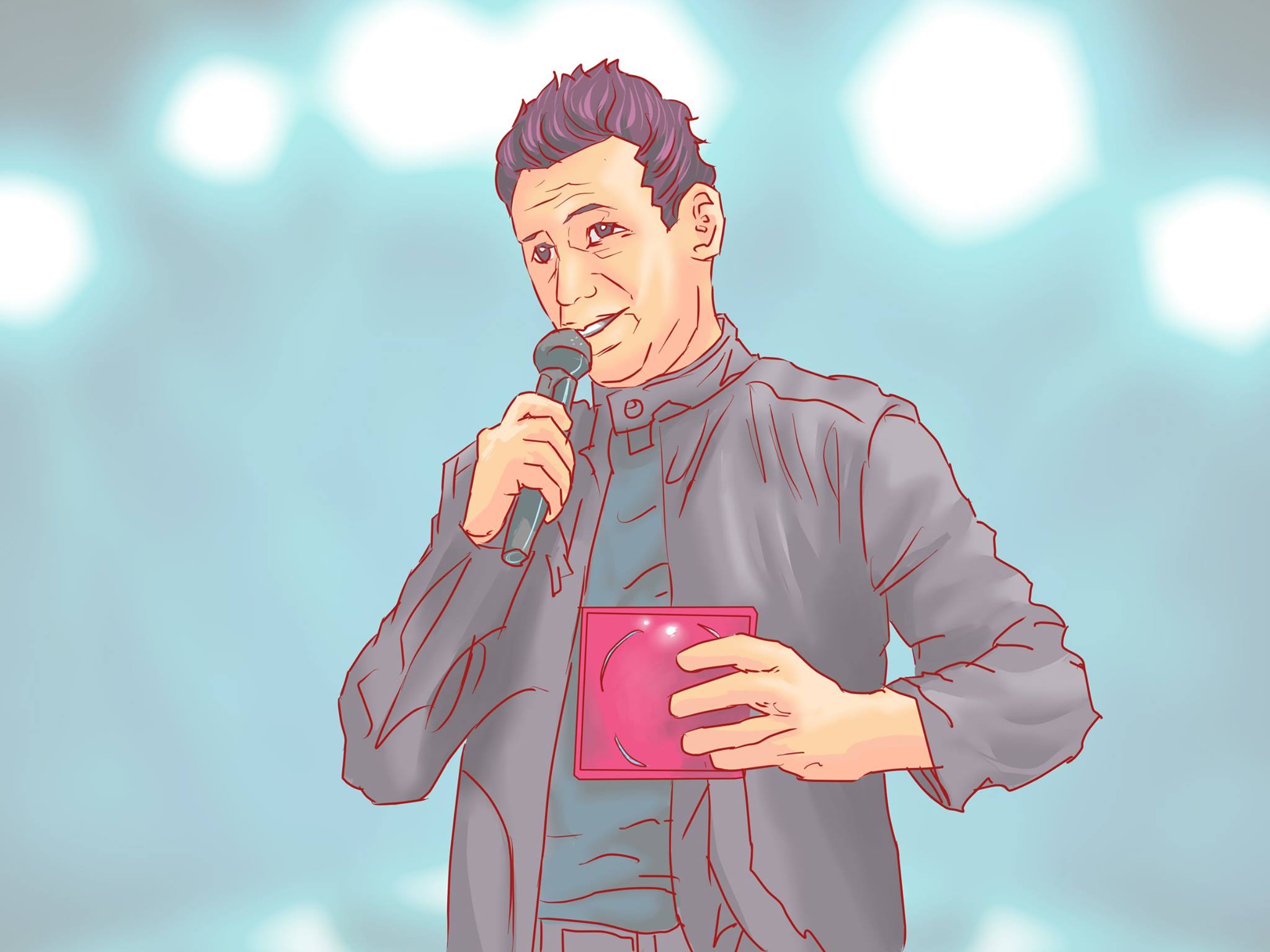
Selling music used to mean pressing CDs, begging a venue owner for a Tuesday night slot, and hoping your cousin did not “forget” to pay for the demo he definitely borrowed. Today, independent artists can upload songs to global streaming platforms, sell digital albums directly to fans, offer exclusive memberships, license tracks for video, create merch bundles, and build a business without waiting for a label executive to discover them in a coffee shop.
That is the good news. The slightly less glamorous news is that selling your music online is not as simple as shouting “new single out now” into the social media canyon and expecting money to float back like magical confetti. Music sales require a plan: rights, metadata, distribution, pricing, promotion, fan relationships, analytics, and steady follow-up. This guide breaks the process into 12 practical steps so you can turn your songs into a real, organized, revenue-generating catalog.
Step 1: Define What You Are Actually Selling
Before you sell your music, decide what your “music product” includes. Are you selling a single, an EP, an album, beats, sample packs, sheet music, vinyl, merch bundles, live recordings, sync-friendly instrumentals, or monthly access to unreleased demos? A song is not just an audio file; it can become several products when packaged correctly.
For example, one track might become a streaming release, a Bandcamp download, a limited cassette, a lyric video, a guitar tab PDF, a remix contest, a hoodie design, and a sync pitch for indie filmmakers. Same song, different doors. The smartest independent musicians do not rely on one revenue stream. They create a small ecosystem around their music.
Step 2: Clean Up Your Rights Before You Collect Money
Nothing ruins a release party faster than discovering that your drummer’s roommate technically owns part of the recording because he “helped with vibes.” Before distribution, confirm who owns the master recording and who owns the composition. The master is the specific recorded version. The composition is the underlying song: melody, lyrics, and musical work.
If you collaborated with producers, songwriters, session musicians, or beat makers, put the splits in writing. Decide percentages, publishing shares, producer points, and whether anyone receives backend royalties. You do not need to make it dramatic. A simple split sheet is better than a six-month argument conducted entirely through passive-aggressive group texts.
Step 3: Prepare Professional Audio, Artwork, and Metadata
Your song does not need a million-dollar studio polish, but it should sound intentional. Get the final mix and master ready for streaming, download, and video platforms. Test the track on headphones, car speakers, laptop speakers, and the tiny Bluetooth speaker that somehow exposes every bad snare choice known to humanity.
Then prepare clean cover art that meets distributor requirements. Avoid blurry screenshots, copyrighted images you do not own, or text so small it looks like a secret message for ants. Your metadata matters too: artist name, release title, featured artists, songwriter names, producer credits, ISRC codes, UPC codes, genre, release date, explicit content status, and lyrics if available. Good metadata helps platforms place, identify, pay, and recommend your music correctly.
Step 4: Choose a Digital Music Distributor
Most artists cannot upload directly to Spotify, Apple Music, Amazon Music, TikTok, YouTube Music, Tidal, Pandora, and other digital service providers. You usually need a distributor. Popular independent distribution options include companies such as DistroKid, TuneCore, CD Baby, LANDR, Ditto, Symphonic, UnitedMasters, and RouteNote. Each has different pricing, royalty models, payout timelines, support levels, add-ons, and store coverage.
Do not choose a distributor only because another artist said, “This one slaps.” Compare how they handle annual fees, per-release fees, commission, YouTube Content ID, lyrics delivery, pre-save tools, splits, cover songs, takedowns, customer support, and royalty reporting. If you release often, an annual unlimited plan may make sense. If you release rarely, a per-release model might be more comfortable.
Step 5: Register for Royalties Beyond Your Distributor
Your distributor usually collects master-side revenue from streaming and downloads, but that is not the whole royalty universe. If you write your own songs, register with a performance rights organization such as ASCAP, BMI, SESAC, or GMR to collect performance royalties when your compositions are publicly performed, broadcast, or streamed in qualifying contexts.
In the United States, songwriters and publishers should also understand The Mechanical Licensing Collective, which handles certain digital mechanical royalties from eligible interactive streaming services. SoundExchange is important for digital performance royalties connected to sound recordings on non-interactive digital radio, satellite radio, and similar services. The simple version: distributor, PRO, The MLC, and SoundExchange may all touch different money buckets. If you ignore them, you may leave revenue sitting in places you never check.
Step 6: Build a Direct-to-Fan Store
Streaming is useful for discovery, but direct-to-fan sales often build stronger income and stronger relationships. Platforms such as Bandcamp let artists sell digital albums, vinyl, CDs, cassettes, shirts, posters, and bundles directly to listeners who want to support music, not just passively consume it. Shopify can power a full artist store with merch, digital products, bundles, discount codes, and email capture.
A direct store gives you more control over pricing, presentation, customer data, limited editions, and storytelling. Instead of saying, “Please stream my song 900 times so I can buy one taco,” you can offer a $10 digital album, a $25 shirt, a $40 signed vinyl bundle, or a $75 deluxe package with handwritten lyrics. Fans who care want meaningful ways to support you. Give them the doorway.
Step 7: Price Your Music Like a Business, Not a Guessing Game
Pricing music is part math, part psychology, and part resisting the urge to undervalue your entire creative life. For downloads, many independent artists offer pay-what-you-want pricing with a suggested minimum. For physical products, calculate production cost, packaging, platform fees, shipping materials, transaction fees, and your desired profit margin.
Bundles are powerful because they increase average order value. A fan may hesitate to buy a shirt alone, but a shirt plus digital album plus sticker plus signed postcard feels like a special moment. Limited runs also create urgency without sounding desperate. “Only 100 signed copies” is charming. “Please buy this or I will emotionally collapse” is less ideal, although deeply relatable.
Step 8: Create a Release Plan Before Release Day
Release day should not be the first time anyone hears that your song exists. Build a runway. Four to six weeks before release, finalize the master, submit to your distributor, prepare artwork, write your pitch, update your bios, schedule short-form videos, create pre-save links, prepare email announcements, and plan content for the week before and after launch.
Use Spotify for Artists, Apple Music for Artists, YouTube Official Artist Channel tools, and other platform dashboards where available. Claim your profiles early so your photos, bio, canvas-style visuals, merch links, tour dates, and artist information look professional. A complete profile signals that you are not just dropping a song into the void and sprinting away.
Step 9: Build an Email List and Fan Funnel
Social media is rented land. Your account can be throttled, hacked, buried by an algorithm, or temporarily replaced by a trend involving soup. An email list gives you a direct line to fans who have chosen to hear from you. Offer something valuable in exchange for signups: unreleased demos, a discount code, early access, behind-the-scenes notes, a lyric booklet, or a private acoustic version.
Your fan funnel can be simple. A listener discovers your song on TikTok, YouTube Shorts, Spotify, or Instagram. Your profile points them to a smart link. The smart link offers streaming, a direct purchase, and an email signup. After they join, they receive a welcome email with your story and best music. Over time, they hear about releases, shows, merch, and exclusive offers. That is how casual listeners become supporters.
Step 10: Promote Without Becoming a Human Pop-Up Ad
Promotion works best when it feels like a story, not a sales alarm. Instead of posting “stream my song” 47 times, create content around the song. Share the lyric that started it, the voice memo demo, the mistake that became the hook, the guitar tone breakdown, the emotional backstory, the studio blooper, the visual mood board, or the fan challenge.
Pitch independent playlists, college radio, local press, music blogs, niche influencers, DJs, Twitch streamers, YouTubers, and creators whose audiences match your sound. Personalize each pitch. “Dear playlist curator, I love your late-night synth-pop selections” beats “Hello sir/madam, here is my universal masterpiece.” Keep your pitch short, include a private streaming link, explain the mood, and make it easy to say yes.
Step 11: Sell More Than Streams: Merch, Shows, Memberships, and Sync
If you want to make money from music, think beyond streaming royalties. Sell merch at shows and online. Offer memberships through platforms like Patreon or your own website. Create paid communities, private livestreams, early listening parties, sample packs, production breakdowns, handwritten lyric sheets, or fan-club-only songs.
Sync licensing is another valuable path. Sync means placing music in film, TV, ads, trailers, games, YouTube channels, podcasts, and branded content. To improve your odds, create clean instrumental versions, lyric-free edits, stems, short cutdowns, and clear metadata. Music supervisors love songs that are easy to license. If your rights are split among 11 people and one of them only responds by carrier pigeon, your track becomes harder to place.
Step 12: Track Data, Improve, and Repeat
Selling music is not a one-release miracle. It is a feedback loop. Study your distributor reports, streaming analytics, store sales, email open rates, merch conversion rates, playlist adds, YouTube retention, social engagement, and city-level listener data. Which song gets saved most? Which video brings new fans? Which merch item sells at shows but not online? Which email subject line actually gets opened?
Use data without letting it bully your creativity. If acoustic clips outperform polished visualizers, make more acoustic clips. If fans buy signed CDs in one city, bring more to that market. If a chorus sparks comments, build content around that line. The goal is not to become a spreadsheet wearing headphones. The goal is to notice what connects and make smarter decisions next time.
Common Mistakes Artists Make When Selling Music
Uploading Too Late
Submitting music two days before release limits pitching opportunities and increases the risk of errors. Give yourself enough time for review, profile linking, playlist pitching, and promotion.
Ignoring Ownership Details
Unclear splits can delay payments and create conflict. Handle rights early, even when everyone is friendly. Especially when everyone is friendly.
Only Promoting on Release Day
A strong campaign includes pre-release storytelling, release-week momentum, and post-release reminders. Songs need oxygen after launch.
Forgetting the Fan Experience
Your store, links, emails, and profiles should be easy to navigate. If fans need detective skills to buy your album, many will give up and go watch raccoon videos instead.
Experience Notes: What Selling Your Music Actually Feels Like
The first experience most artists have with selling music is humbling. You upload the track, announce it with the confidence of a Roman emperor, and then refresh the stats every nine minutes. At first, the numbers may look small. That does not mean the music failed. It means you are learning how attention moves. A listener may hear the song today, follow you next week, join your email list next month, and buy a vinyl record six months later. Music sales often grow through repeated contact, not instant fireworks.
One useful lesson is that fans respond to specificity. “New song out now” is fine, but “I wrote this after driving home at 2 a.m. from a show where only eight people came, and somehow it turned into the happiest chorus on the record” gives people a reason to care. Selling your music is not only about asking for money. It is about letting people understand why the song exists and why owning it feels meaningful.
Another real-world lesson: the best-selling item is not always the one you expected. Many artists assume fans only want the newest single, but supporters often love physical objects, signed items, handwritten notes, alternate artwork, and limited bundles. A simple sticker pack can outperform a complicated deluxe offer if it feels fun and affordable. A small run of signed CDs may sell faster than a generic shirt. Testing is not failure; it is market research with better bass lines.
Live shows also teach artists how people buy. At the merch table, fans often need a clear recommendation. If you place ten items on the table with no prices, they freeze. If you say, “The new EP is $10, the shirt-and-EP bundle is $30, and I can sign anything,” the decision becomes easy. Online stores work the same way. Clear product names, good photos, simple pricing, and direct calls to action can dramatically improve sales.
The biggest experience-based truth is that music income feels less mysterious when you treat it like a system. Register the songs. Keep metadata clean. Build the store. Promote consistently. Capture emails. Thank buyers. Study results. Release again. None of this removes the art from music. It protects the art by giving it a better chance to survive in the world. Creativity may start in your bedroom, studio, garage, church basement, or laptop at 1:13 a.m., but selling music requires a bridge between your private spark and a public audience. Build that bridge one smart step at a time.
Conclusion
Selling your music successfully is not about chasing one magic platform or copying the loudest artist on the internet. It is about building a practical system around your songs: clear rights, professional assets, reliable distribution, direct fan sales, smart pricing, consistent promotion, royalty registration, and ongoing analysis. Streaming can help people discover you, but direct sales, merch, memberships, sync licensing, shows, and fan relationships create a stronger business foundation.
Start with one release and one clean offer. Then improve with every campaign. Your first launch does not need to be perfect. It needs to be organized enough that fans can find the music, understand the story, support you easily, and stick around for what comes next. That is how independent artists move from “I posted a song” to “I am building a music business.”
Note: This article synthesizes current best practices from major music distribution platforms, direct-to-fan commerce tools, artist analytics resources, royalty organizations, and independent musician education sources. Platform policies, fees, and payout rules can change, so artists should verify terms before releasing or selling music.












