Note: Steaming times are starting points, not handcuffs. The size of your food, the strength of your burner, the snugness of your lid, and your personal definition of “tender” can all move the finish line by a few minutes.
A steamer basket is one of those humble kitchen tools that looks like it belongs in a drawer beside the potato masher and the mysterious single-use avocado slicer. Yet it can quietly transform weeknight meals. With a pot, a lid, a little water, and a basket that keeps food above that water, you can cook vegetables, dumplings, fish, eggs, tamales, and more without turning dinner into a greasy science experiment.
The basic idea is wonderfully simple: hot steam circulates around food and cooks it gently. Because the food is not submerged, vegetables can keep more of their flavor, color, and texture than they often do when boiled. There is also less chance of ending up with broccoli that has the emotional energy of a wet sock.
This guide explains how to use a steamer basket correctly, how much water to add, what foods work best, how to avoid common steaming mistakes, and how long to steam popular ingredients.
What Is a Steamer Basket?
A steamer basket is a perforated insert that sits inside a pot, wok, or saucepan. It holds food above simmering or boiling water, allowing steam to rise and cook the food without direct contact with the liquid.
The most common types include:
- Collapsible metal steamer baskets: These flower-shaped baskets expand to fit different pot sizes and are excellent for vegetables, potatoes, and eggs.
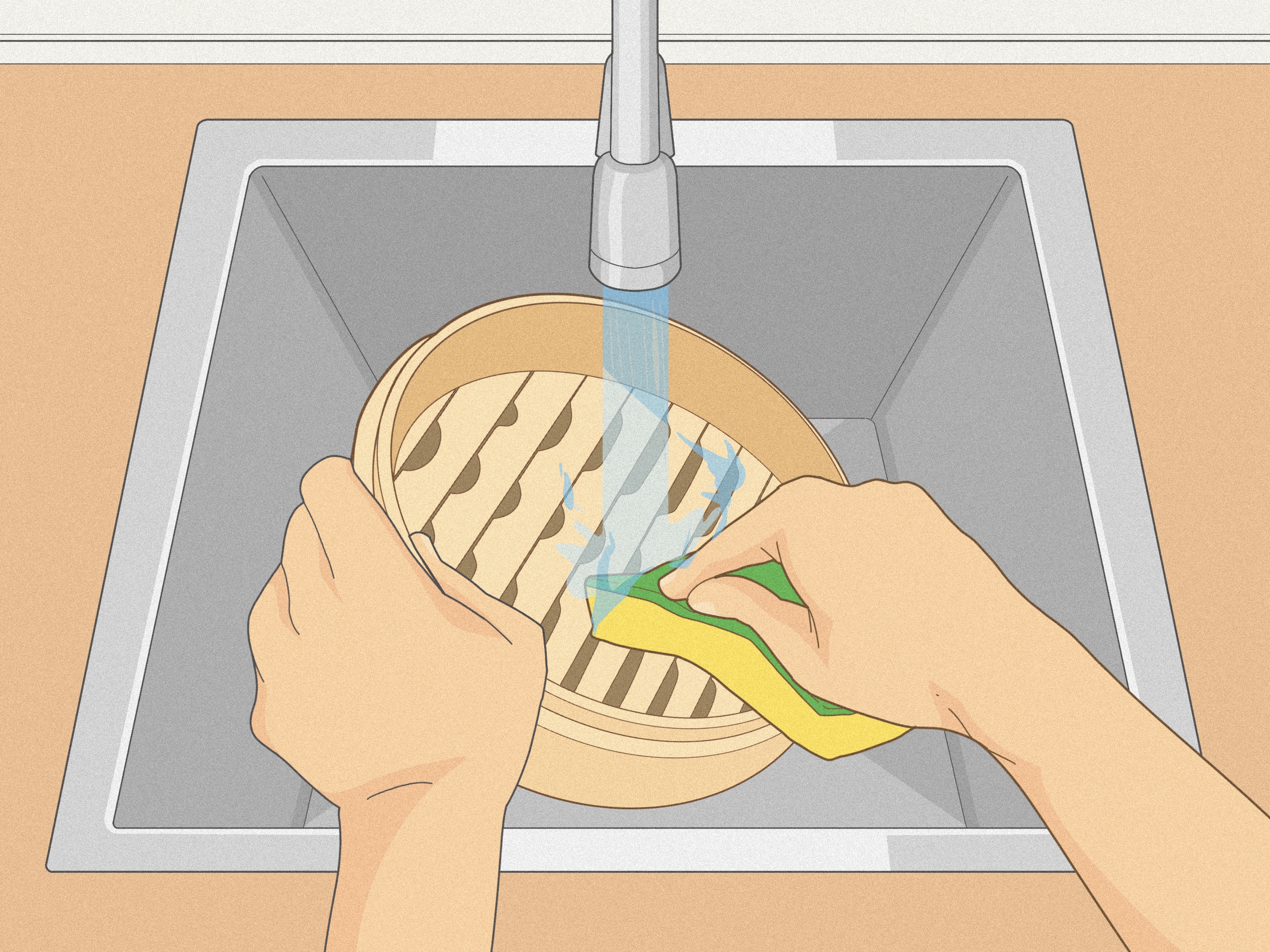
- Bamboo steamers: Often used for dumplings, buns, fish, and dim sum. They can stack, making them useful when you need to steam several foods at once.
- Silicone steamer baskets: Flexible, easy to clean, and often designed with heat-safe handles.
- Steamer inserts: Perforated metal inserts made for a specific saucepan or stockpot.
No matter which style you use, the rule is the same: the bottom of the basket should sit above the water level. Your food should be kissed by steam, not take a surprise bath.
How to Use a Steamer Basket: Step by Step
1. Choose a Pot That Fits the Basket
Pick a pot or saucepan wide enough for the basket to sit securely inside. A collapsible basket should open comfortably without climbing the sides of the pot like it is trying to escape. For bamboo steamers, use a wok, wide skillet, or pot that supports the steamer’s base.
A tight-fitting lid matters. Steam is the engine of this cooking method, so you do not want it making a dramatic exit every 20 seconds.
2. Add Water, but Not Too Much
Add about 1 to 2 inches of water to the pot. The exact amount depends on the pot’s depth and the basket’s height. Before heating, place the empty basket inside and make sure the water does not touch the bottom.
For longer steaming jobs, such as whole potatoes, beets, tamales, or large dumplings, use enough water that the pot will not boil dry. You can add more hot water during cooking if needed, but do it carefully to avoid a face-full of steam.
3. Bring the Water to a Simmer or Boil
For most vegetables, dumplings, and seafood, bring the water to a steady boil before adding the food. For delicate foods, such as flaky fish fillets or custards, a lively simmer may be enough. The goal is constant steam, not a volcanic eruption that rattles the lid across the kitchen.
4. Arrange Food in a Loose Layer
Place food in the basket in as close to a single layer as possible. Steam needs room to circulate. Overcrowding creates uneven cooking, which means one carrot may be tender while another remains suspiciously crunchy.
If you are cooking foods with different cooking times, place slower-cooking ingredients at the bottom or steam them first. Dense vegetables such as potatoes and carrots need more time than spinach, zucchini, snow peas, or asparagus tips.
5. Cover and Start Timing
Once the basket is in place and the lid is on, start timing when steam is actively circulating inside the pot. Keep the lid closed as much as possible. Every peek releases heat and steam, extending the cooking time and giving your vegetables an unnecessary sauna break.
6. Check for Doneness
Use a fork, paring knife, or skewer to test vegetables near the end of the suggested cooking time. For tender-crisp vegetables, the utensil should slide in with a little resistance. For soft vegetables intended for mashing or puréeing, it should glide in easily.
For meat, poultry, fish, and egg dishes, use a food thermometer rather than relying on color or confidence. Fish should reach 145°F, poultry should reach 165°F, and egg dishes should reach 160°F.
7. Remove Food Promptly
Steaming does not magically stop when the burner turns off. Food continues cooking in trapped heat, especially when left in a covered pot. Remove vegetables from the basket when they are just shy of your ideal texture, particularly broccoli, asparagus, spinach, and green beans.
If you are blanching vegetables for salads, meal prep, or freezing, transfer them immediately to an ice bath. That rapid cooling helps stop cooking and can preserve a brighter color and firmer texture.
Steamer Basket Cooking Times for Vegetables
The following cooking times assume the water is already steaming and the vegetables are cut into reasonably uniform pieces. Start checking early, especially if you prefer a crisp-tender texture.
| Food | Preparation | Approximate Steaming Time | Doneness Tip |
|---|---|---|---|
| Spinach | Whole leaves | 2–4 minutes | Wilted and bright green |
| Snow peas or sugar snap peas | Trimmed | 2–4 minutes | Bright green with a crisp bite |
| Zucchini | Half-moons or chunks | 3–5 minutes | Tender but not watery |
| Bell peppers | Strips | 4–6 minutes | Softer but still colorful |
| Asparagus | Whole spears | 4–8 minutes | Thicker spears need longer |
| Green beans | Trimmed | 5–8 minutes | Fork-tender with some snap |
| Broccoli | Medium florets | 5–8 minutes | Bright green and tender-crisp |
| Cauliflower | Medium florets | 6–10 minutes | Fork slides in with light resistance |
| Cabbage | Chopped | 3–5 minutes | Softened but not limp |
| Cabbage | Wedges | 6–10 minutes | Tender near the core |
| Carrots | Coins or sticks | 6–10 minutes | Fork-tender, not mushy |
| Brussels sprouts | Halved | 8–12 minutes | Tender through the center |
| Baby potatoes | Halved or quartered | 15–20 minutes | Knife enters easily |
| Sweet potatoes | 1-inch cubes | 15–20 minutes | Very tender for mashing |
| Beets | Small cubes or wedges | 10–15 minutes | Fork-tender |
| Beets | Medium whole beets | 20–30 minutes | Tender at the center |
| Corn on the cob | Husked ears | 7–10 minutes | Hot and juicy throughout |
How Long to Steam Other Foods
Vegetables are only the beginning. A steamer basket can rescue weeknight meals when you want food that is moist, tender, and not coated in enough oil to qualify as a small weather system.
Eggs
Steaming eggs can make them surprisingly easy to peel. For hard-cooked eggs, steam a single layer for about 15 to 17 minutes, then move them directly into ice water. For softer yolks, reduce the time and test a few until you find your household’s ideal egg personality.
Fish and Shellfish
Steam fish fillets for about 8 to 12 minutes, depending on thickness. Delicate white fish, salmon, shrimp, mussels, and lobster tails all benefit from the moist heat. Add ginger, lemon slices, herbs, scallions, garlic, or citrus to the fish itself instead of dumping seasonings into the water.
Use an instant-read thermometer for reliable results. Fish is safe when it reaches 145°F at the thickest part.
Chicken
Boneless chicken breasts or thighs can be steamed, although timing varies widely by thickness. Plan on approximately 15 to 25 minutes, then check the thickest portion with a thermometer. Poultry must reach 165°F before serving.
Frozen Dumplings, Buns, and Bao
Frozen dumplings generally take 10 to 15 minutes, while fresh dumplings may take 8 to 12 minutes. Keep them in a single layer and line a bamboo steamer with perforated parchment, cabbage leaves, or a reusable steamer liner to prevent sticking.
For bao buns, follow package directions when available. Their size, filling, and whether they are frozen can change the steaming time dramatically.
Tofu
Steam plain tofu cubes for 5 to 8 minutes to warm them gently before adding sauce. This is especially useful for silken tofu, which can be delicate enough to fall apart if you treat it like a stress ball.
How to Make Steamed Food Taste Better
Steaming is gentle, but gentle does not have to mean bland. The biggest reason people claim to dislike steamed vegetables is not the method. It is usually because the vegetables were overcooked, under-seasoned, and served with the enthusiasm of a parking ticket.
Try these easy flavor upgrades after steaming:
- Toss vegetables with olive oil, lemon juice, salt, black pepper, and grated Parmesan.
- Add butter, garlic, chopped herbs, and a squeeze of fresh lemon.
- Use toasted sesame oil, soy sauce, rice vinegar, scallions, and sesame seeds.
- Dress broccoli or cauliflower with tahini, lemon, garlic, and chili flakes.
- Finish green beans with almonds, shallots, or crispy breadcrumbs.
- Top steamed potatoes with yogurt, chives, mustard, or a spoonful of pesto.
For maximum flavor, season food after steaming rather than heavily salting the water. Salt in the water does not penetrate vegetables the way many people expect, and adding flavor directly to the finished food gives you much better control.
Common Steamer Basket Mistakes to Avoid
Letting Food Touch the Water
If the water reaches the basket, you are partly boiling the food. This can make vegetables soggy and dilute their flavor. Keep the water level below the basket at all times.
Overcrowding the Basket
A packed basket prevents steam from circulating. Cook in batches when necessary. It is better to steam two batches of excellent broccoli than one batch of broccoli with a confusing range of textures.
Opening the Lid Too Often
Every time you lift the lid, steam escapes. Check only near the end of the recommended cooking range, unless you hear the water boiling dry or smell something that suggests your pot has entered a new and troubling phase of life.
Walking Away During Long Steaming Jobs
Water can evaporate faster than expected, especially in a wide pot over high heat. For foods that need more than 15 minutes, check the water level once or twice. Add hot water carefully around the edge of the pot if needed.
Using Time as the Only Doneness Test
Cooking times are useful, but food does not own a stopwatch. A thick asparagus spear cooks differently from a skinny one. A potato cube the size of a dice game finishes long before one the size of a tennis ball. Use texture, appearance, and a thermometer when safety matters.
Steamer Basket Experiences: Lessons From the Everyday Kitchen
Most people’s first steamer-basket experience is not glamorous. It often begins with broccoli, a pot that is slightly too small, and a vague feeling that surely this cannot be harder than making toast. Then the lid comes off, a cloud of steam hits your glasses, and you discover that vegetables can go from bright and lovely to army-green sadness in what feels like three business seconds.
The first useful lesson is that steaming rewards attention more than effort. You do not need chef-level knife skills, imported cookware, or a soundtrack featuring intense French accordion music. You need evenly cut food, enough water to create steady steam, and a timer. The timer is not optional. The timer is the friend who prevents you from scrolling on your phone for “just one minute” and returning to a basket of zucchini with the structural integrity of a damp napkin.
Another kitchen truth is that not every vegetable belongs in the basket at the same time. Carrots and broccoli may look like natural side-dish roommates, but carrots are the slowpoke in that relationship. Start them first, then add broccoli later. The same goes for dense potatoes and delicate spinach. When ingredients have wildly different cooking times, steam them in stages instead of hoping the laws of physics will make an exception for dinner.
Steamer baskets also teach a surprisingly valuable lesson about seasoning. A plain steamed green bean is not bad; it is simply waiting for a personality. A little butter, lemon zest, flaky salt, toasted almonds, chili crisp, Parmesan, or sesame oil can turn a basic vegetable into something people actually reach for before the mashed potatoes disappear. The steamer handles the texture. You bring the flavor.
There is also a small joy in learning that a steamer basket is more versatile than its name suggests. It can make hard-cooked eggs for meal prep, warm frozen dumplings without drying them out, gently cook fish, soften potatoes for salads, and revive leftovers that would otherwise suffer in a microwave. It is the kitchen equivalent of a dependable multitool: not flashy, but always suspiciously useful.
Perhaps the best experience comes when steaming stops feeling like “healthy food homework.” Once you learn to remove vegetables while they are still vivid and slightly firm, then finish them with something savory, bright, creamy, or crunchy, the method becomes a real cooking shortcut. A steamer basket does not ask for much. It just wants a little water, a good lid, and your attention for a few minutes. In return, it gives you fast vegetables, tender dumplings, juicy fish, and one less pan to scrub. Frankly, that is a pretty strong résumé for a folding piece of metal.
Conclusion
Learning how to use a steamer basket is one of the easiest ways to make simple food taste fresher and feel more polished. Add water below the basket, keep the food above the waterline, use a snug lid, avoid overcrowding, and check doneness before the food crosses into mush territory.
Whether you are steaming broccoli for a quick side dish, potatoes for a salad, fish for dinner, or dumplings for a comfort-food emergency, a steamer basket gives you a fast, flexible, low-mess cooking method. Once you get comfortable with the timing, it may become the quiet MVP of your kitchen drawer.