
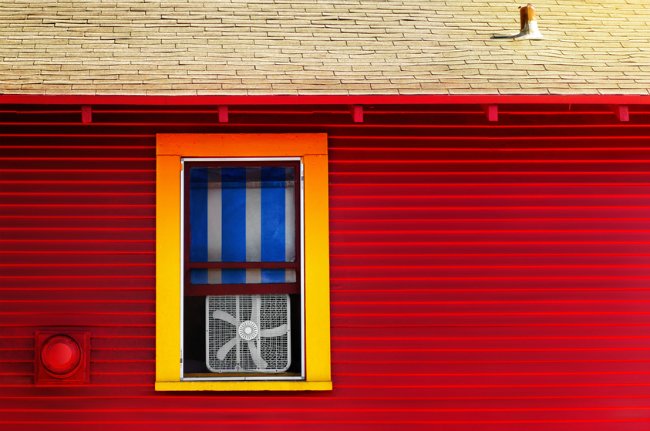
Window fans are the unsung summer heroes of the home-cooling world. They do not hum with the drama of central air, they do not require a professional installation, and they will not glare at you from the electric bill like an angry raccoon. But when used correctly, a window fan can move stale indoor air out, pull cooler outdoor air in, create a refreshing cross-breeze, and help your home feel noticeably more comfortable.
The secret is strategy. A window fan is not an air conditioner. It does not magically lower the temperature of the air. Instead, it works by moving air. That means placement, timing, direction, outdoor temperature, air quality, and even which side of your house gets shade can make the difference between “Ah, that’s better” and “Why is my bedroom now a wind tunnel full of pollen?”
This guide explains how to use a window fan effectively, with practical advice inspired by trusted home-improvement, energy-efficiency, safety, and indoor-air-quality recommendations. Think of it as the homeowner’s playbook for making a simple fan act much smarter than its price tag.
What a Window Fan Actually Does
A window fan is designed to exchange air between indoors and outdoors. Depending on how you face the fan, it can either pull cooler outside air into your home or push warm, stale indoor air out. Many modern window fans are reversible, which means you can switch between intake and exhaust without physically turning the whole unit around. That is helpful because summer weather changes throughout the day.
Fans cool people mainly by increasing air movement across the skin. This helps sweat evaporate faster, which makes you feel cooler. They also help with ventilation by replacing indoor air with outdoor air when outdoor conditions are favorable. Used at the right time, a window fan can reduce your dependence on air conditioning, freshen stuffy rooms, and make sleeping more comfortable during mild or moderately warm weather.
The Golden Rule: Use the Fan When Outside Air Is Cooler
The most important rule is simple: run your window fan when the outdoor temperature is lower than the indoor temperature. In many homes, this happens in the early morning, late evening, and overnight. During those cooler hours, a window fan can flush out heat that has built up inside walls, furniture, carpets, and upper rooms.
During the hottest part of the afternoon, however, leaving a fan blowing inward can invite hot air into your home. That is like opening the front door and politely asking summer to take a seat on your couch. Instead, close windows, lower blinds or curtains, and block direct sunlight during peak heat. Then reopen windows and restart the fan once outdoor temperatures drop again.
Simple Temperature Test
Place one thermometer indoors and check a reliable outdoor temperature reading. If it is cooler outside, use the fan for intake or cross-ventilation. If it is hotter outside, keep windows closed and use interior fans or air conditioning instead. This tiny habit can dramatically improve results.
Choose the Best Window for the Fan
Not every window deserves the honor of hosting your fan. The best window is usually one that faces a cooler, shaded area of the yard. North-facing or east-facing windows often work well because they may avoid the harshest afternoon sun. Windows near trees, shaded patios, or cooler side yards can bring in more comfortable air than windows above asphalt, driveways, trash bins, or sun-baked brick walls.
Avoid placing an intake fan near unpleasant outdoor sources such as garbage cans, compost piles, idling cars, smoky grills, or dusty roads. A window fan is very obedient. If you point it toward bad air, it will bring that bad air indoors with enthusiasm.
Face the Fan the Right Way: Intake vs. Exhaust
Direction matters. If you want to bring cool air inside, face the fan inward. If you want to remove warm indoor air, face the fan outward. The most effective setup often uses both intake and exhaust: one fan pulls cool air in from a shaded side of the home, while another fan pushes hot air out from the warmer side.
Use Intake on the Cool Side
Place an inward-facing fan in a window where outdoor air is coolest. This is especially useful in bedrooms at night, lower floors in the evening, or shaded rooms that naturally stay cooler.
Use Exhaust on the Hot Side
Place an outward-facing fan in a warmer room, upstairs hallway, attic-adjacent space, kitchen, or sunny side of the home. Hot air rises, so exhausting air from an upper floor can be especially effective in two-story houses.
Create a Cross-Breeze Instead of Random Wind
A single window fan can help, but a planned airflow path works better. Open a window on the opposite side of the room or house so air has a clear route. The fan pushes or pulls air, and the open window supplies the replacement air. This creates a cross-breeze, which is much more effective than simply blasting air into a closed room.
For example, place a fan blowing outward in an upstairs hallway window and open a shaded downstairs window. The fan exhausts warm upper-level air, while cooler air enters below and travels through the house. In a single room, place the fan in one window and crack another window across the room. Air should move through the space, not just swirl around like it lost its car keys.
Balance Multiple Window Fans
If you have more than one window fan, use them as a team. A balanced setup usually includes a similar number of intake and exhaust fans. If you have three fans, try two intake fans on the cooler side and one exhaust fan on the warmer side, or experiment with the reverse depending on your home’s layout.
The goal is controlled air exchange. Too many exhaust fans can create negative pressure, which may pull dusty, humid, or unwanted air through cracks, gaps, chimneys, or attached garages. Too many intake fans can make rooms feel breezy but may not remove enough heat. The best setup is the one that creates smooth, noticeable airflow through the living areas you actually use.
Seal Around the Fan for Better Performance
A window fan works better when air goes through the fan instead of sneaking around it. Most window fans include side panels or accordion extenders that help fill gaps. Use them. If your fan does not fit tightly, add removable weatherstripping, foam strips, or a fitted panel to reduce leaks.
This is especially important when using the fan as an exhaust fan. If nearby gaps are open, the fan may pull air from right beside itself instead of drawing air across the room. Close windows near the fan and open windows farther away to encourage whole-room or whole-house airflow.
Use Window Fans With Air Conditioning Wisely
A window fan and an air conditioner can be friends, but they should not fight over the same shift. If your AC is running and you open windows with fans blowing, you may be dumping conditioned air outdoors. That is not cooling strategy; that is donating electricity to the neighborhood.
A smarter routine is to use window fans during cooler morning or evening hours to flush the house, then close windows before the day heats up and let the AC maintain comfort. In mild weather, fans may reduce how often you need AC. In hotter weather, fans can help you feel comfortable at a slightly higher thermostat setting because moving air improves comfort.
Pay Attention to Outdoor Air Quality
A window fan is only as good as the air it brings in. On days with wildfire smoke, heavy pollen, high pollution, nearby construction dust, or strong outdoor odors, skip the intake mode. Close windows and use filtered HVAC, portable air cleaners, or recirculating indoor fans instead.
This matters for everyone, but especially for people with asthma, allergies, lung conditions, heart conditions, older adults, young children, and anyone sensitive to airborne irritants. Before running a window fan for fresh air, check local air quality. If the outdoor air is unhealthy, “fresh air” may not be very fresh at all.
Do Not Rely on Window Fans Alone During Extreme Heat
Window fans are excellent for mild summer nights, shoulder seasons, and homes in climates where temperatures drop after sunset. But during extreme heat, especially when temperatures remain high overnight, a fan may not be enough to prevent heat stress. When the air is very hot, blowing it across your body can feel like sitting in front of a hair dryer with commitment issues.
If your home becomes dangerously hot, use air conditioning, visit a cooling center, take cool showers, drink water, reduce activity, and check on vulnerable family members or neighbors. Fans are comfort tools, not emergency heat protection by themselves.
Install the Fan Safely
Safety is not the exciting part of window-fan ownership, but neither is explaining to your family why the fan fell out of the window at 2 a.m. Make sure the fan sits securely in the window frame. Follow the manufacturer’s instructions, extend the side panels, and lock or lower the sash as directed. Never balance a fan loosely on a sill.
Use a fan that is designed for window use. Look for safety certification from recognized testing organizations such as UL or ETL. Inspect cords for cracks, frays, or heat damage. Keep plugs away from rain, wet sills, and standing water. Avoid running cords under rugs, through pinched windows, or across walking paths where someone can trip.
Keep Rain, Bugs, and Security in Mind
Some window fans are better protected against light moisture than others, but most should not be exposed to heavy rain. If storms are expected, remove the fan or close the window. Water and electrical appliances are not a romantic pairing.
For bugs, use screens when possible and seal gaps around the fan. A slightly positive indoor pressure setup, with a bit more intake than exhaust, may also reduce the chance of insects entering through small cracks. For security, avoid leaving easily accessible ground-floor windows open when you are asleep or away unless the fan and window can be safely secured.
Clean the Fan Regularly
Dusty fan blades move less air and can spread dust through the room. Unplug the fan before cleaning. Remove the grille if the manufacturer allows it, wipe the blades with a damp cloth, vacuum dust from vents, and let everything dry before plugging it back in. Clean more often during pollen season, wildfire season, remodeling projects, or if you have pets that shed enough fur to build a second pet.
A clean fan runs more efficiently, smells better, and is less likely to develop annoying rattles. If the fan starts buzzing, overheating, sparking, or producing a burning smell, stop using it immediately and replace or repair it according to manufacturer guidance.
Room-by-Room Window Fan Tips
Bedrooms
Use intake mode at night if outdoor air is cool and clean. Place the fan so it does not blow directly on your face all night, which can feel drying or uncomfortable. A low or medium speed often works better for sleep than a roaring high-speed setting.
Kitchens
Use exhaust mode after cooking to remove heat, steam, and lingering food odors. This is especially helpful when the oven has turned the kitchen into a tiny bakery sauna.
Bathrooms
A window fan can help remove moisture if the window location is safe and appropriate, but it should not replace a properly installed bathroom exhaust fan in humid climates. Moisture control is important for reducing condensation and mold risk.
Living Rooms
Use cross-ventilation. Open a window across the room and place the fan where it can move air through the seating area without blowing papers, curtains, and snack bags into chaos.
Common Window Fan Mistakes to Avoid
Running the fan inward during peak heat: If it is hotter outside than inside, you may be warming your home.
Opening every window randomly: Air needs a path. Open selected windows to guide airflow from cool areas to warm areas.
Ignoring air quality: Do not pull in smoke, pollen, pollution, or chemical odors just because the air feels cooler.
Using the wrong fan: A regular box fan can work in some windows, but a true window fan is usually easier to secure and seal.
Leaving the fan dirty: Dust buildup reduces airflow and can make indoor air feel worse.
Expecting AC-level results: Window fans are powerful helpers, but they are not refrigerated miracle machines.
A Simple Daily Window Fan Schedule
Early Morning
Open windows and run fans to bring in cool air before the sun heats the house. Focus on shaded windows and lower floors for intake.
Midday and Afternoon
Turn off intake fans, close windows, lower blinds, and block direct sunlight. Use indoor fans for personal comfort or run AC if needed.
Evening
Once outdoor air cools, restart the window fan. Use exhaust mode upstairs or on the warm side of the house to push out trapped heat.
Overnight
Run the fan on a lower speed if conditions are safe, cool, dry, and clean. Secure the window and watch for rain forecasts.
Real-Life Experience: What Actually Works With Window Fans
After testing window-fan habits in real homes, the biggest lesson is that timing beats power. A loud fan running at the wrong time can make a room warmer, while a modest fan running during the right two-hour window can make the whole space feel fresher. The best routine is usually not complicated: cool the house early, seal it during the hot part of the day, then flush it again after sunset.
One practical example is a second-floor bedroom that stays hot long after the outdoor temperature drops. The mistake many people make is placing the fan in the bedroom window blowing inward and shutting the door. That may help a little, but it often creates a pocket of moving air rather than a full air exchange. A better setup is to place the fan blowing outward in the bedroom or hallway window, crack a cooler window elsewhere, and leave interior doors open. The warm air leaves, cooler replacement air enters, and the room feels less trapped.
Another useful experience is learning that window fans work best with shade. An intake fan facing a driveway or sun-baked wall may pull in air that feels warmer than the official outdoor temperature. Move that same fan to a shaded side of the house, and the difference can be surprisingly obvious. Even a few degrees matter when you are trying to sleep comfortably.
Noise is another real-world issue. Many people run fans on high because they assume more speed always means better cooling. In practice, medium speed often gives the best balance of airflow, sound, and comfort. High speed is useful for a quick evening flush, especially upstairs. But for overnight use, lower settings are usually easier to live with. Your fan should not sound like it is preparing for takeoff from a naval carrier.
Sealing gaps also matters more than most people expect. A fan sitting loosely in a window may recirculate nearby air instead of pulling air across the room. Foam strips, fitted panels, and fully extended side wings can make a basic fan perform like a more serious ventilation tool. The goal is to control where air enters and exits.
Finally, the best window-fan users treat outdoor air like an ingredient. If the air is cool, dry, and clean, bring it in. If it is smoky, dusty, humid, or loaded with pollen, keep it out. The fan is not making decisions for you; it is simply moving whatever air you give it. Use it thoughtfully, and it becomes one of the cheapest comfort upgrades in the house.
Conclusion
Using a window fan effectively is less about owning the fanciest model and more about understanding airflow. Run the fan when outdoor air is cooler than indoor air. Use intake fans on the shaded, cooler side of the home and exhaust fans on the warmer side or upper floors. Create a cross-breeze, seal around the fan, clean it regularly, and pay attention to outdoor air quality.
When used well, a window fan can make your home feel fresher, reduce stuffiness, support natural ventilation, and help you use less air conditioning during mild weather. It is simple, affordable, and surprisingly effectiveas long as you do not ask it to perform the job of a full HVAC system while the afternoon sun is roasting the siding.
Note: This article is written as original web-ready content based on practical home-cooling, ventilation, energy-efficiency, and fan-safety guidance. It contains no source-link elements or content-reference tags.














