Note: This article is written for publication and focuses on practical small bedroom organization ideas, real-life storage solutions, and easy systems that help a compact room feel calm, functional, and surprisingly spacious.
Introduction: Our Small Bedroom Was Cute Until It Started Acting Like a Storage Unit
Our small bedroom used to have a very specific personality: “cozy retreat” by day, “laundry avalanche with pillows” by night. It was not a disaster, exactly. It was more like a room that had quietly given up. Clothes lived on the chair. Books migrated to the nightstand and formed a literary skyscraper. Chargers tangled themselves like spaghetti with career goals. And the closet? Let’s just say opening it required courage, timing, and a mild disregard for personal safety.
So we decided to organize our small bedroom properlynot by buying every cute basket on the internet, but by thinking about how we actually used the room. The goal was simple: make the bedroom easier to clean, easier to sleep in, and easier to enjoy. We wanted storage that worked, surfaces that stayed clear, and a layout that made the room feel larger without knocking down a wall or convincing physics to be more generous.
Small bedroom organization is not about becoming a minimalist monk who owns one shirt and sleeps beside a single tasteful candle. It is about giving every item a logical home, using vertical space, creating hidden storage, and making the daily routine smoother. Here is exactly how we organized our small bedroom, what worked, what failed, and what we would do again in a heartbeat.
Step One: We Decluttered Before Buying Anything
The first rule of organizing a small bedroom is painfully obvious and frequently ignored: do not buy organizers for things you should not own anymore. We learned this the hard way after purchasing a drawer divider that mostly divided old receipts, mystery buttons, and three charging cables that belonged to devices last seen during the Obama administration.
Before adding storage, we removed everything from the obvious clutter zones: nightstands, dresser tops, under the bed, closet floor, and the famous “temporary” chair. Then we sorted items into four categories: keep, donate, relocate, and toss. This was not glamorous. Nobody makes a dramatic movie montage about deciding whether to keep a stretched-out hoodie. But it was the most important part of the whole project.
What We Removed
We donated clothes that did not fit, shoes we avoided wearing, extra bedding we never used, and decorative pieces that only collected dust. We threw away expired products, broken accessories, and packaging boxes we had saved “just in case.” Just in case what? Just in case the remote control wanted to return to its original cardboard apartment?
Decluttering instantly made the bedroom feel bigger because we stopped forcing the room to store our indecision. In a small bedroom, every square inch has a job. If an item does not support sleep, dressing, relaxing, or daily function, it probably belongs somewhere else.
Step Two: We Divided the Bedroom Into Zones
Once the clutter was gone, we stopped thinking of the bedroom as one tiny box and started treating it as several small zones. This helped us organize by activity instead of by panic.
The Sleep Zone
The sleep zone included the bed, pillows, bedding, and anything we genuinely needed at night. We kept this area simple: lamps, one book each, phone chargers, and a small tray for glasses and lip balm. Everything else had to leave. The bed became a bed again, not a conference table for laundry.
The Dressing Zone
The dressing zone included the closet, dresser, laundry hamper, and mirror. We placed the hamper where clothes naturally landed. This sounds too simple, but it changed everything. Instead of pretending we would walk across the room to use a hamper hidden in the closet, we put it near the spot where clothes actually came off. Organization works better when it cooperates with human behavior, especially lazy human behavior.
The Daily Drop Zone
Every bedroom needs a small drop zone for daily items: watch, wallet, earrings, headphones, hand cream, or whatever else comes out of your pockets at night. Without a drop zone, these things spread across surfaces like tiny rebels. We used a shallow tray on the dresser. The tray created a boundary, and the boundary created order. Civilization began with trays, probably.
Step Three: We Used Vertical Space Like We Finally Noticed Walls Exist
Small bedrooms often feel cramped because we overload the floor and ignore the walls. Once we started using vertical space, the room became more efficient immediately. Floating shelves, wall hooks, tall storage, and over-the-door solutions helped us move items upward instead of outward.
We installed two floating shelves above a small desk area and used them for books, a small plant, and a few attractive storage boxes. The trick was not to pack the shelves like a warehouse. Open space matters. A shelf that is only 70 percent full looks styled; a shelf that is 110 percent full looks like it is preparing for battle.
Wall Hooks Were Tiny Heroes
We added hooks behind the bedroom door for a robe, a tote bag, and the clothes that were clean enough to wear again but not clean enough to return to the closet. This category is real, and pretending otherwise is how chairs become wardrobes.
Hooks also helped keep accessories visible. Instead of tossing belts and hats into bins, we hung them where we could see them. Visibility is a major part of small bedroom organization. If something is hidden too well, it may as well be in another dimension.
Step Four: We Turned the Bed Into Storage
The space under the bed is prime real estate in a small bedroom. It is large, hidden, and usually wasted on dust bunnies that appear to be training for the Olympics. We measured the clearance under our bed and bought low-profile storage bins with lids and handles.
Under-bed storage became the home for off-season clothing, extra bedding, and less-used shoes. We labeled each bin so we did not have to perform an archaeological dig every time the temperature changed. Clear bins worked best for items we needed to identify quickly, while fabric bins looked nicer when slightly visible.
What Belongs Under the Bed?
The best under-bed items are things you need occasionally but not daily. Think winter sweaters, spare sheets, guest blankets, seasonal shoes, or travel bags. The worst under-bed items are random objects you are avoiding. Under-bed storage should be a system, not a witness protection program for clutter.
We also learned to review under-bed bins twice a year. Hidden storage can become a clutter cave if ignored. Every spring and fall, we pull everything out, donate what we no longer use, and vacuum the area. It is not thrilling, but neither is waking up next to a room that feels smaller every month.
Step Five: We Reworked the Closet for Real Life
Our closet was small, but the bigger problem was that it was poorly organized. There was one hanging rod, one shelf, and a floor area where shoes went to form alliances. We needed the closet to hold more without becoming harder to use.
We started by grouping clothes by category: shirts, pants, dresses, jackets, and special-occasion items. Then we removed anything that did not belong in the bedroom closet. Holiday decor? Out. Old electronics? Out. A box of sentimental objects we had not opened in years? Relocated. The closet was for clothing and accessories, not emotional storage with hangers.
Double Hanging Changed Everything
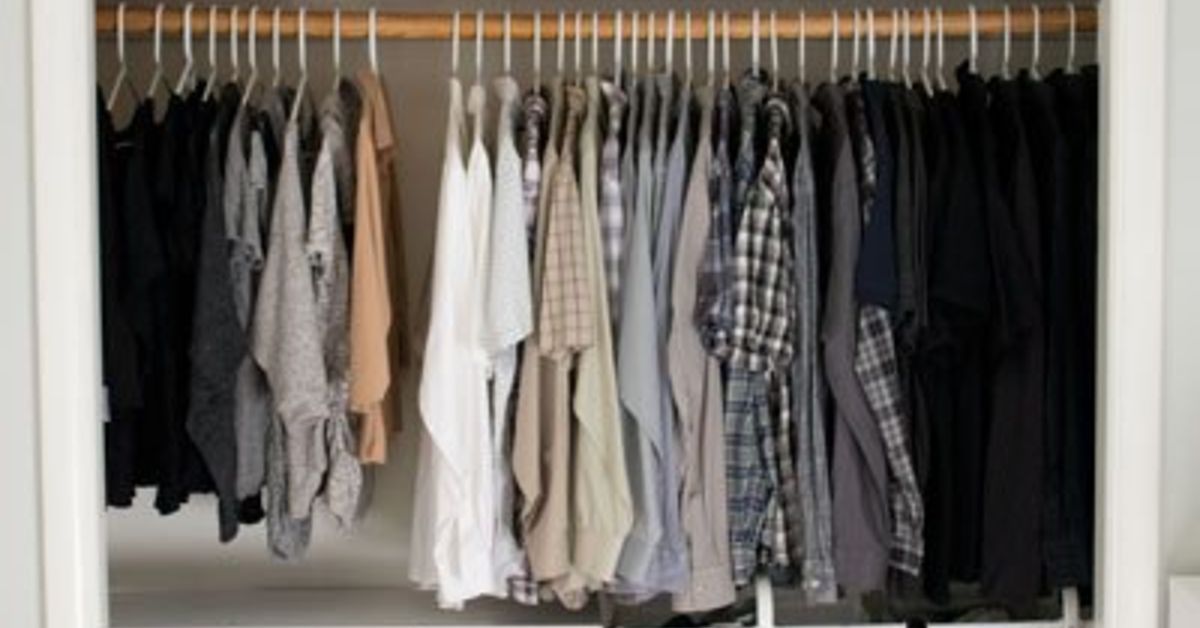
Adding a second hanging rod doubled usable hanging space for shorter items like shirts and folded pants. We placed longer items on one side and shorter items on the double-rod side. This created room underneath for a small shoe rack and a couple of labeled bins.
We switched to slim matching hangers, which made the closet look calmer and saved space. Matching hangers are not magic, but they do create visual order. And in a small bedroom, visual order matters almost as much as physical order. When the closet looks chaotic, the whole room feels chaotic.
We Used the Closet Door
The back of the closet door became storage for accessories. We used an over-the-door organizer for scarves, belts, and small bags. This kept little items from disappearing into drawers and freed up shelf space. Door storage is one of the easiest small bedroom organization ideas because it uses space that already exists but usually does nothing except hold fingerprints.
Step Six: We Made the Nightstands Work Harder
Nightstands are small, but they attract clutter with supernatural enthusiasm. Before organizing, ours held books, tissues, lotion, coins, receipts, cables, and at least one item that belonged in the kitchen. We emptied the drawers and assigned each one a purpose.
The top of each nightstand now holds only a lamp, one current book, and a small tray. Inside the drawer, we used small bins to separate items: sleep mask, lip balm, hand cream, charger, notebook, and pen. Drawer dividers turned the nightstand from a junk cave into a useful tool.
The One-Book Rule
We created a one-book rule for each nightstand. This was difficult because books multiply when unsupervised. But keeping only one current book beside the bed made the space calmer and made reading feel intentional. The rest of the books moved to a shelf. They were fine. They adjusted.
Step Seven: We Chose Furniture With Storage
In a small bedroom, furniture needs to earn its keep. Pretty is nice, but pretty plus storage is better. We replaced a simple bench with a storage ottoman at the foot of the bed. It holds extra blankets and a couple of travel items. It also gives us a place to sit while putting on shoes, which means we no longer perform the one-legged sock dance every morning.
We also chose a dresser with deep drawers instead of a wider piece that would steal floor space. Tall furniture can be a smart choice in a small bedroom because it uses vertical space while keeping the footprint compact. The key is proportion. Furniture should fit the room, not dominate it like a wooden landlord.
What We Avoided
We avoided bulky pieces with decorative legs that wasted space underneath, oversized nightstands, and furniture that served only one purpose. We also skipped open clothing racks because, while they can look beautiful in photos, our real-life version would have looked like a retail store after a raccoon incident.
Step Eight: We Created a Better Laundry System
No small bedroom organization plan survives without a laundry strategy. Laundry is the final boss. It appears constantly, grows when ignored, and somehow includes socks no one remembers buying.
We placed a slim hamper near the dressing zone and added a smaller basket inside the closet for items that needed special care. Clean laundry had a rule: it had to be put away the same day it entered the bedroom. This rule is ambitious, yes. But even following it 80 percent of the time made a big difference.
The “Not Dirty Yet” Solution
The most dangerous clothing category is “worn once but not dirty.” These items often end up on chairs, benches, or the floor. We solved this with three hooks behind the door. One hook for a robe, one for re-wearable clothes, and one for tomorrow’s outfit. It kept the chair clear and made mornings easier.
Step Nine: We Reduced Visual Clutter
Small bedrooms feel smaller when every surface is busy. Even useful items can create visual noise. We did not want the room to look empty, but we did want it to feel calm.
We used a simple color palette for storage bins, bedding, and baskets. Matching containers helped the room look organized even when the bins were doing very unglamorous work inside. We also limited decorative items to a few pieces we genuinely liked: one framed print, one plant, and one small dish for jewelry.
Clear Surfaces Became the Goal
We made a rule that dresser tops and nightstands should be easy to wipe down in under one minute. That meant fewer objects, fewer piles, and fewer excuses. Clear surfaces made the bedroom feel more peaceful immediately. It turns out the human brain enjoys not waking up to a pile of receipts and a rogue sock.
Step Ten: We Built a Maintenance Routine
Organizing a small bedroom once is helpful. Keeping it organized is the real victory. We created a short weekly reset that takes about 15 minutes. It includes putting away stray items, clearing surfaces, emptying the trash, returning clothes to their zones, and checking the laundry situation before it stages a coup.
We also do a deeper reset every season. That is when we rotate clothes, check under-bed bins, donate unused items, and clean the closet floor. Seasonal resets keep storage from becoming stuffed and mysterious.
Our 15-Minute Bedroom Reset
- Put dirty clothes in the hamper.
- Hang or fold re-wearable clothes.
- Clear the nightstands.
- Return books, chargers, and accessories to their homes.
- Empty trash and remove cups or dishes.
- Straighten bedding and pillows.
- Do a quick floor check for shoes, bags, and laundry.
This routine is not fancy, but it works. Small bedrooms punish delayed decisions. A five-minute mess can become a weekend project if ignored long enough.
Small Bedroom Organization Ideas That Made the Biggest Difference
After testing different systems, a few changes delivered the biggest results. First, decluttering before buying storage saved money and space. Second, under-bed bins gave us a hidden storage zone for seasonal items. Third, double hanging in the closet made clothing easier to manage. Fourth, hooks solved the “not dirty yet” clothing problem. Fifth, limiting nightstand items helped the room feel calmer at bedtime.
The biggest lesson was that organizing a small bedroom is not about one miracle product. It is about a series of smart decisions that support daily life. A bin helps only if it holds the right items. A shelf helps only if it does not become overcrowded. A closet system helps only if you can maintain it without needing a motivational speech.
Common Small Bedroom Organization Mistakes We Avoid Now
Buying Containers Too Early
Containers should be the last step, not the first. Measure the space, declutter the items, then buy storage that fits. Otherwise, you end up organizing clutter inside prettier clutter.
Ignoring the Floor
Floor space is precious in a small bedroom. We stopped storing random baskets and bags on the floor because they made the room feel crowded. Whenever possible, we moved storage under the bed, onto shelves, behind doors, or inside furniture.
Keeping Too Many “Maybe” Items
Maybe clothes are dangerous. Maybe I will wear this. Maybe I will fix that. Maybe this will come back in style. A small bedroom does not have room for a large collection of maybes. We became more honest about what we actually use.
Making Storage Too Complicated
If a system requires six steps, we will not use it on a tired Tuesday night. The best systems are simple: open drawer, place item, close drawer. Hook, hang, done. Bin, label, finished. Organization should reduce friction, not become a second job.
Extra Experience: What Living With an Organized Small Bedroom Taught Us
After organizing our small bedroom, we noticed something interesting: the room did not just look better; it behaved better. That may sound strange, but rooms have behavior patterns. Before, the bedroom encouraged clutter because everything was slightly inconvenient. The hamper was too far away. The closet was too full. The nightstand drawers had no structure. The under-bed space was unused. The chair was available, and the chair, as everyone knows, is where clean clothes go to lose their innocence.
Once we changed the systems, the room started guiding us toward better habits. It became easier to put things away than to leave them out. That is the secret nobody tells you: good organization is not about becoming a different person. It is about arranging the room so your normal habits create less mess.
One of the biggest improvements was emotional. A small bedroom can feel stressful when it is crowded. Because the room is compact, every pile seems louder. A few items on the dresser can make the whole space feel messy. After we cleared surfaces and reduced visual clutter, bedtime felt calmer. We stopped scanning the room and mentally adding chores to tomorrow’s list. Instead, the bedroom finally felt like a place to rest.
We also became more careful shoppers. Before organizing, we used to buy things because they were cute, useful, or on sale. Now we ask three questions before bringing something into the bedroom: Where will it live? Do we already own something that does the same job? Will we still want this in six months? These questions are not exciting, but they have saved us from many future piles.
Another lesson was that perfect organization is overrated. The goal is not to maintain a bedroom that looks like a catalog photo where nobody has ever sneezed. The goal is a room that resets quickly. Our bedroom still gets messy sometimes. Clothes still land in the wrong place. Books still wander. But now the mess is temporary because every item has a home. Resetting takes minutes instead of hours.
We also learned that labels are not just for people who own label makers and speak fluent pantry. Labels help because they remove tiny decisions. When a bin says “winter sweaters,” we do not have to wonder where winter sweaters go. When a drawer section is for chargers, chargers stop colonizing the nightstand. Labels are quiet little bosses, and we respect them.
Our favorite small bedroom experience has been the morning routine. Getting dressed is faster because clothes are grouped logically and visible. Shoes are not hiding in a floor pile. Accessories are on the door organizer. The hamper is nearby. The mirror is clear. The room supports the routine instead of arguing with it.
We would not say our small bedroom is perfect. It still has limitations. There is no walk-in closet, no luxurious sitting area, and no magical wall that expands when we buy new sweaters. But it works. It feels intentional. It gives us storage without swallowing the room. Most importantly, it reminds us that small spaces are not the problem. Unmade decisions are the problem. Once we made those decisions, the bedroom became not just organized, but genuinely enjoyable.
Conclusion: A Small Bedroom Can Still Feel Spacious, Calm, and Grown-Up
Organizing our small bedroom was not about chasing perfection. It was about making the room support real life. We decluttered first, used the walls, turned the bed into storage, improved the closet, simplified the nightstands, and created maintenance habits we could actually keep. The result was a bedroom that felt bigger, calmer, and easier to live in.
If your small bedroom feels crowded, start with one surface, one drawer, or one corner. Remove what does not belong. Give daily items easy homes. Use hidden storage for occasional items. Let the walls help. And please, for the sake of the chair, create a plan for re-wearable clothes.
A small bedroom can be organized beautifully. It does not need more square footage as much as it needs smarter systems, honest decluttering, and a little patience. Also, maybe fewer mystery cables.