
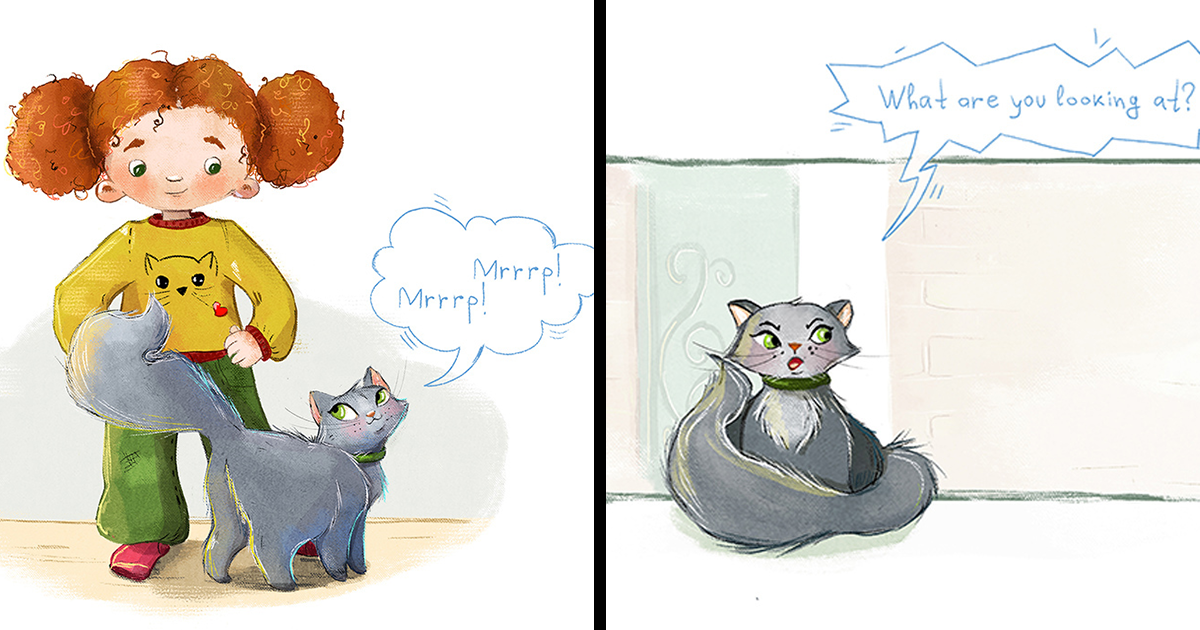
Borderline personality disorder is not exactly the kind of topic that slips easily into bedtime reading. It does not arrive wearing fuzzy pajamas. It does not politely knock. It bursts through the emotional front door holding a megaphone, a thundercloud, and possibly a raccoon with trust issues. That is precisely why I wanted to create a book that explains borderline personality disorder to younger readers in a way that feels honest, gentle, and understandable.
Young people hear a lot of grown-up words before anyone explains what they actually mean. Anxiety. Depression. Trauma. Personality disorder. Emotional regulation. Diagnosis. Therapy. These terms can sound like locked filing cabinets in a doctor’s office. My goal was to open one of those cabinets, take out the scary-looking papers, and turn them into pictures, metaphors, and simple language that a younger reader could actually hold.
This article explores why a children’s or young-reader-friendly book about borderline personality disorder matters, what BPD really means, how illustrations can make mental health less frightening, and why compassion should always be the main character. While the subject is serious, the tone does not have to be cold. A little warmth can do what a dictionary definition cannot: help someone feel seen.
What Is Borderline Personality Disorder?
Borderline personality disorder, often shortened to BPD, is a mental health condition that affects how a person manages emotions, understands themselves, relates to others, and responds to stress. People with BPD may feel emotions very intensely and for longer than others. A small conflict can feel enormous. A delayed text message can feel like rejection. A sad thought can become a whole weather system.
BPD is often associated with intense mood swings, fear of abandonment, impulsive behavior, unstable relationships, self-image struggles, anger that feels difficult to control, chronic emptiness, and sometimes self-harm or suicidal thoughts. Not everyone experiences BPD the same way, and symptoms can vary widely. That is one reason it is important to explain the condition carefully instead of reducing it to a stereotype.
For younger readers, I describe BPD as having an “emotional volume button” that sometimes gets stuck on full blast. The feelings are real. The pain is real. The person is not being dramatic for fun, collecting chaos as a hobby, or trying to win an Oscar in the category of Most Intense Tuesday. Their nervous system may be reacting as if danger is nearby, even when the situation looks small from the outside.
Why Explain BPD To Younger Readers?
Many mental health conversations begin too late. By the time a teenager or young adult hears the phrase “borderline personality disorder,” they may have already spent years feeling “too much,” “too sensitive,” “too angry,” or “too hard to love.” Those labels can stick like gum under a desk. A book written for younger readers can offer a better message: emotions can be confusing, but you are not broken.
Younger readers may encounter BPD in different ways. They may have an older sibling, parent, friend, classmate, or relative who lives with the disorder. Some may recognize emotional patterns in themselves and wonder what is happening. Others may simply be curious about mental health. A good educational book does not diagnose children. It gives them language, empathy, and a safe starting point for asking questions.
That distinction matters. Adolescence is already an emotional roller coaster, and no one should turn normal teenage intensity into a medical label after watching three social media videos and one suspiciously confident comment section. However, young people deserve accurate information. When mental health is explained early, shame has less room to build a fort.
The Idea Behind The Book
I created my book around one simple question: what would BPD look like if it were explained through pictures instead of clinical language? Not cartoonish in a mocking way. Not cute in a way that erases pain. But visual, symbolic, and approachable.
Each illustration in the book represents one part of the BPD experience. Instead of saying “emotional dysregulation,” the book shows a character trying to sail a tiny boat through giant waves. Instead of saying “unstable self-image,” it shows a mirror made of puzzle pieces. Instead of saying “fear of abandonment,” it shows a child holding a string connected to a loved one, terrified the string might snap.
Pictures help because children and teens often understand feelings before they can define them. They know what it feels like when their chest gets tight, when anger arrives too quickly, or when loneliness sits beside them like an uninvited lunch guest. Illustrations give those experiences a shape.
10 Pictures That Help Explain BPD
1. The Emotional Volcano
The first picture shows a small character standing beside a volcano labeled “big feelings.” The volcano is not evil. It is not bad. It is simply powerful. This image helps explain that people with BPD may experience emotions that erupt quickly and intensely. The goal is not to shame the volcano, but to learn warning signs, safe distance, and calming tools.
2. The Stormy Ocean
In this illustration, the character is in a little boat on a huge sea. The waves represent sadness, anger, fear, and confusion. This helps younger readers understand emotional regulation. Some people have calmer waters. Others have waves that rise suddenly. Therapy can act like a stronger boat, a better compass, and a lighthouse that says, “You are not lost forever.”
3. The Stretchy Heart
The heart in this picture stretches toward different people, sometimes too far, sometimes too fast. It represents intense relationships. Someone with BPD may deeply fear losing people they love, and that fear can make relationships feel urgent, fragile, and overwhelming. The picture teaches that love should not have to feel like a constant emergency drill.
4. The Puzzle-Piece Mirror
This picture shows a mirror made of pieces that shift around. It explains unstable self-image. A person with BPD may not always feel sure who they are, what they want, or whether they are good or bad. For younger readers, the message is simple: identity can feel wobbly, but it can also become steadier with support, practice, and time.
5. The Alarm Bell Brain
Here, the character’s brain has an alarm bell ringing loudly. This image explains sensitivity to rejection or abandonment. Sometimes the alarm rings even when there is no fire. A friend being busy may feel like being left forever. The picture helps readers separate “the alarm is loud” from “the danger is definitely real.”
6. The Balloon Of Anger
This illustration shows anger as a balloon filling with air. If no one notices it, the balloon may pop. The page teaches that anger is a signal, not a monster. Breathing, stepping away, naming the feeling, or asking for help can let some air out before the balloon becomes confetti with consequences.
7. The Empty Room
Chronic emptiness can be difficult to explain, especially to children. The book shows a quiet room with a character sitting inside, surrounded by blank walls. The point is not to make the feeling frightening, but to show that some people feel hollow or disconnected even when others are nearby. The next page adds small lights: music, therapy, friendship, routines, pets, art, and safe adults.
8. The Impulse Rocket
Impulsivity becomes a rocket taking off before mission control has finished counting down. This image helps explain why someone may act quickly when overwhelmed. The book introduces the idea of a “pause button,” because learning to pause can be a powerful skill. Not easy, of course. If pausing were easy, every group chat would be a peaceful meadow.
9. The Toolbox
This picture introduces coping skills. The toolbox includes breathing exercises, journaling, grounding techniques, talking to a trusted adult, therapy, sleep, movement, and crisis support. It shows that healing is not one magic wand. It is a collection of tools, and different tools help on different days.
10. The Bridge
The final picture shows a bridge between the person with BPD and the people who care about them. The bridge is built with validation, boundaries, patience, honesty, and professional support. This is one of the most important messages in the book: compassion and boundaries can exist together. You can care about someone without becoming their entire emergency response department.
Explaining BPD Without Stigma
One of the hardest parts of writing about borderline personality disorder is avoiding the heavy fog of stigma. BPD has often been misunderstood, even in healthcare settings. People with the diagnosis may be unfairly described as manipulative, impossible, attention-seeking, or dramatic. Those labels are not only unkind; they are also unhelpful.
A better explanation begins with pain. Many behaviors associated with BPD are attempts to cope with overwhelming fear, shame, sadness, or panic. That does not mean harmful behavior is okay. It means we can hold two truths at once: a person can be responsible for their actions, and they can also deserve care.
For younger readers, this balance is essential. The book does not say, “If someone is hurting, they can treat everyone however they want.” Absolutely not. That would be emotional spaghetti with no plate. Instead, it says, “Big feelings need support, and everyone deserves safety.”
Why Dialectical Behavior Therapy Belongs In The Conversation
Dialectical behavior therapy, or DBT, is one of the best-known treatments associated with BPD. It teaches practical skills in areas such as mindfulness, distress tolerance, emotion regulation, and interpersonal effectiveness. In young-reader language, DBT helps people notice feelings, survive emotional storms, make safer choices, and communicate without turning every disagreement into a courtroom drama.
Other forms of psychotherapy can also help, including mentalization-based treatment, transference-focused psychotherapy, cognitive behavioral approaches, and family-focused support. Medication is not considered a stand-alone cure for BPD, though doctors may sometimes prescribe medicine to help with related symptoms such as depression, anxiety, or mood instability.
The most hopeful fact is this: BPD is treatable. Many people improve significantly over time with the right support. That message belongs in any book for young readers because children should not walk away thinking a diagnosis is a life sentence written in permanent marker.
How To Talk To Kids About A Loved One With BPD
If a young reader has a parent or family member with BPD, the explanation needs extra care. Children may blame themselves for adult emotions. They may think, “If I had behaved better, Mom would not have cried,” or “If I had said the right thing, my brother would not have yelled.” A book can gently correct that misunderstanding.
Children need to hear that they are not responsible for managing another person’s mental health. They can be kind, but they are not the therapist. They can love someone, but they do not have to fix every crisis. They can ask for help from safe adults when things feel frightening, confusing, or unsafe.
The book uses simple scripts such as: “I care about you, but I need help from an adult,” “I am going to take a break,” and “Your feelings matter, and my feelings matter too.” These sentences may look small, but for a child, they can be life rafts.
What Younger Readers Should Know If They Recognize Themselves
Some young readers may see the pictures and think, “That feels like me.” The book handles this moment carefully. It does not encourage self-diagnosis. It encourages conversation. If a child or teen feels overwhelmed by emotions, fears being abandoned, self-harms, has thoughts of suicide, or feels unable to cope, they should tell a trusted adult and get professional help.
It is especially important to treat self-harm and suicidal thoughts as urgent. In the United States, anyone in immediate emotional distress can call or text 988 to reach the Suicide & Crisis Lifeline. If there is immediate danger, emergency services should be contacted right away.
The tone matters here. Young people do not need panic. They need seriousness with warmth. Not “Everything is fine, have a sticker.” Not “Everything is terrible, sound the alarm.” The better message is: “You deserve help, and help exists.”
The Role Of Humor In A Serious Mental Health Book
Humor in a book about borderline personality disorder must be handled like glitter: carefully, sparingly, and with full awareness that it can get everywhere. The goal is never to laugh at the disorder or the person experiencing it. The goal is to make the subject less intimidating.
A funny metaphor can lower defenses. Saying “the brain alarm gets a little too enthusiastic, like a smoke detector yelling about toast” helps children understand false alarms without feeling judged. Humor can make room for learning, as long as compassion is driving the bus and sarcasm is not allowed to touch the steering wheel.
Personal Experience: Creating A Book With A Softer Doorway Into BPD
When I began shaping this book, I kept imagining a younger reader standing outside a very large, very serious building called Mental Health Information. The building had tall doors, complicated signs, and adults walking around with clipboards. I wanted to build a smaller doorway next to it. Not a silly doorway. Not a watered-down doorway. Just one that a young person could open without feeling swallowed by medical language.
The first challenge was deciding what not to include. Borderline personality disorder is complex, and there is always a temptation to explain everything at once. But younger readers do not need a graduate seminar wearing a picture-book costume. They need clarity. So I focused on the emotional experience: big feelings, fear of being left, confusion about identity, relationship storms, impulsive choices, and the hope that skills and support can help.
As I drafted each page, I asked myself, “Would this make a child feel safer or more scared?” That question became my compass. Some early versions sounded too clinical. Others sounded too soft, as if I were trying to wrap a thunderstorm in bubble wrap. The right tone landed somewhere in the middle: honest, warm, and plainspoken. Children can handle truth when it is handed to them carefully.
The illustrations changed the project completely. A sentence like “people with BPD may struggle with emotional regulation” is accurate, but it can float right past a young reader. A picture of a tiny boat in giant waves says the same thing with more heart. Suddenly the child does not have to memorize a definition. They can point and say, “That is what it feels like.”
I also thought a lot about families. Some children may read this book because someone they love has BPD. I wanted them to understand without becoming frightened. I wanted them to feel compassion without accepting unsafe behavior. That meant including boundaries as part of love. A bridge is stronger when it has railings. Relationships are safer when people know where the edges are.
One of my favorite pages became the toolbox page. It felt hopeful without pretending healing is easy. A toolbox does not say, “Everything is fixed forever.” It says, “Here are things you can reach for.” Breathing, grounding, therapy, trusted adults, routines, creativity, and crisis support are not glamorous. They do not arrive with theme music. But they can help someone get through the next ten minutes, and sometimes the next ten minutes are the whole mountain.
Creating this book taught me that mental health education for younger readers should never be about shrinking the truth. It should be about translating the truth with care. A child should finish the book knowing that BPD is serious, people with BPD are not monsters, emotions can be managed, treatment can help, and asking for support is brave. That is the doorway I wanted to build: small enough to enter, strong enough to matter.
Conclusion
I created my book to explain borderline personality disorder to younger readers because silence does not protect children from difficult topics. Good explanations do. When BPD is described with accuracy, kindness, and age-appropriate language, it becomes less mysterious and less frightening. Young readers can learn that intense emotions are not moral failures, that people deserve help, and that boundaries are part of healthy love.
The ten pictures in the book are not meant to replace therapy, diagnosis, or professional care. They are invitations to understand. They turn clinical ideas into images a young person can remember: a volcano, a boat, a mirror, an alarm bell, a toolbox, a bridge. Mental health education does not have to be gloomy to be responsible. Sometimes the gentlest picture can carry the heaviest truth.
Note: This article is educational and not a substitute for professional diagnosis, therapy, or emergency care. If someone is in immediate danger or may hurt themselves, call emergency services. In the United States, call or text 988 for the Suicide & Crisis Lifeline.












