
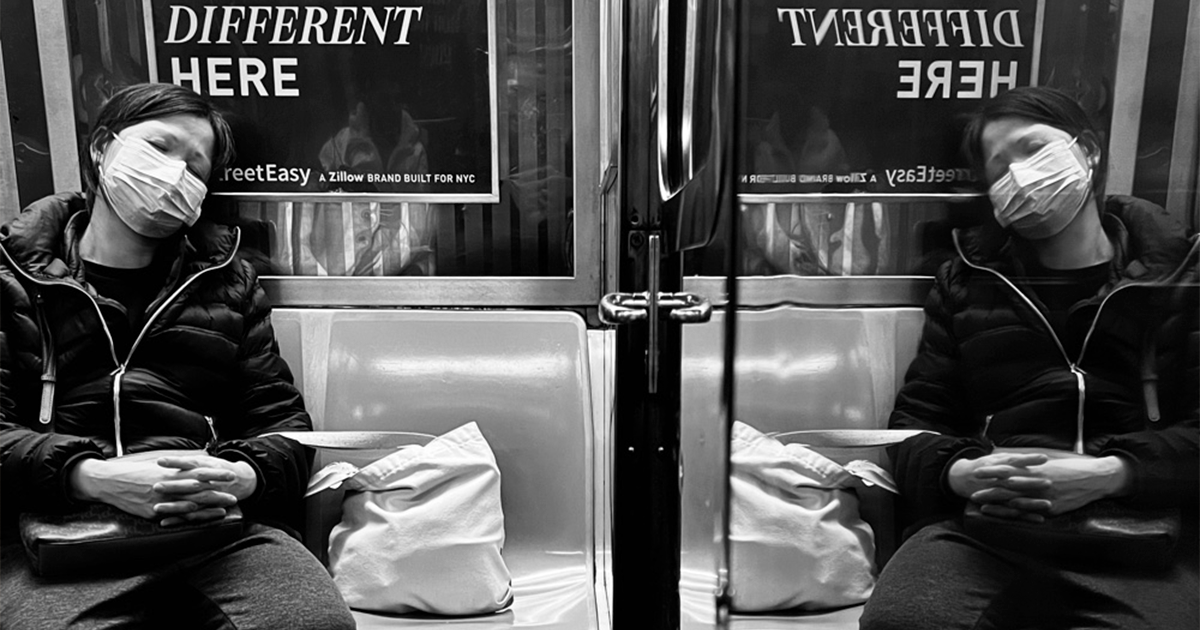
New York City does not pose for photographs. It rushes past you, honks at you, blocks your view with a delivery truck, and occasionally rewards your patience with a moment so perfectly arranged that it looks suspiciously staged. During my stay, I walked through Manhattan and Brooklyn with a camera close at hand, trying to document more than famous landmarks. I wanted the nervous energy, unexpected calm, wet sidewalks, crowded platforms, tired commuters, and tiny human stories that make the city feel alive.
After taking far too many photographsand developing an intimate relationship with my camera’s delete buttonI selected 16 images that best captured my New York experience. Some show classic attractions such as the Brooklyn Bridge, Central Park, Times Square, and the Statue of Liberty. Others focus on ordinary moments that could disappear in seconds. Together, they form a visual diary of a city that refuses to be reduced to a postcard.
Why New York City Is a Dream for Travel Photography
New York offers an unusual combination of monumental architecture and intimate street life. You can photograph a skyline visible for miles, turn around, and discover that the more interesting subject is a man balancing three coffee cups while arguing with his phone. Glass towers create reflections, old buildings add texture, subway stations provide movement, and waterfront parks open dramatic views across the rivers.
The light also changes the personality of the city. Early morning softens its hard edges. Midday creates sharp shadows between skyscrapers. Golden hour warms brick, steel, and stone, while rain transforms streets into mirrors filled with neon. Night photography in New York can be chaotic, but that is part of the fun. The city supplies the motion; the photographer only needs to decide how much of it to freeze.
I learned quickly that the best New York photography locations are not always secret places. Famous viewpoints became famous for good reasons. The challenge is finding a personal angle, waiting for the right person to enter the frame, or noticing a detail everyone else is walking past.
The Best 16 Photos From My Stay in New York
1. First Light on the Brooklyn Bridge
My first favorite photograph was taken shortly after sunrise, when the Brooklyn Bridge was still relatively peaceful. The stone tower caught the early light while its cables formed a web of diagonal lines above the walkway. A lone cyclist appeared in the distance, giving the enormous structure a sense of scale.
I deliberately left plenty of open walkway in the foreground. New York photographs often become crowded with visual information, so the empty space felt almost rebellious. Twenty minutes later, the bridge was full of walkers, runners, phones, tripods, and at least one person attempting a complicated dance video. Sunrise had definitely been the correct decision.
2. The Manhattan Bridge Framed by DUMBO
In DUMBO, the Manhattan Bridge rises between brick warehouse buildings like an industrial movie set. I photographed it from a cobblestone street, using the surrounding architecture as a natural frame. In the distance, part of the Manhattan skyline appeared beneath the bridge.
The location was busy, so capturing a clean photograph required patience and a flexible definition of “clean.” Instead of waiting for every person to leave, I included a pedestrian crossing the lower part of the frame. That small figure made the scene feel lived-in rather than sterilized. The final image became one of my favorite examples of New York architecture photography.
3. Morning Motion on a Subway Platform
The subway photograph is not polished, quiet, or geometrically perfect. That is precisely why I like it. A train entered the station as commuters moved toward the doors, creating a mixture of sharp faces and blurred motion. The platform signs anchored the composition while the silver train reflected streaks of fluorescent light.
I used a slower shutter speed to preserve movement instead of freezing everything. The result feels slightly restless, which is an accurate description of a New York commute. Photographing the subway also taught me to remain compact and aware. A giant equipment setup would have been inconvenient, conspicuous, and about as welcome as someone blocking the train doors.
4. The Clock at Grand Central Terminal
Grand Central Terminal invites wide photographs of its immense Main Concourse, but my strongest image focused on the four-faced clock above the information booth. Commuters streamed around it while the clock remained perfectly still, creating a visual contrast between timekeeping and human urgency.
The terminal’s grand windows, high ceiling, and layered architecture made the background feel almost theatrical. Instead of removing the crowds, I let them become part of the composition. Grand Central is not merely a beautiful building; it is an active transportation hub. The people hurrying beneath the clock are not clutter. They are the plot.
5. A Quiet Morning at Bow Bridge
Central Park produced a completely different version of New York. At Bow Bridge, the water was calm enough to hold a soft reflection of the bridge, trees, and surrounding buildings. A couple paused near the center, giving the photograph an unplanned romantic detail.
The city skyline remained visible beyond the foliage, reminding me that this peaceful landscape exists in the middle of Manhattan. I framed the image with overhanging branches to emphasize that relationship between nature and architecture. The photograph feels tranquil, although immediately after taking it I was nearly outmaneuvered by a squirrel with strong opinions about my breakfast.
6. Music Beneath Bethesda Terrace
Bethesda Terrace delivered one of the most atmospheric photographs of the trip. A musician performed beneath the arcade while decorative tiles and repeating arches guided the eye toward the figure. Warm light entered from the terrace and faded into the darker interior.
I waited until a family stopped to listen, creating several layers of activity without overwhelming the frame. The picture captured something I repeatedly noticed in New York: public spaces can become temporary theaters. A tunnel, stairway, plaza, or subway platform may suddenly hold a performance, and strangers who were rushing somewhere else will pause for one song.
7. Fifth Avenue Reflected in a Store Window
Rather than photographing Fifth Avenue directly, I used a storefront window to combine pedestrians, traffic, architecture, and an interior display in one layered image. A yellow taxi appeared in the reflection just as a woman in a bright coat passed the glass.
Reflections can become messy, but that confusion matched the street. The final photograph contains several versions of New York stacked together: commerce, fashion, transportation, and anonymous city life. It rewards a longer look because the eye keeps discovering new elements. It is also evidence that sometimes the best composition is behind you, reflected in something expensive that you have no intention of buying.
8. Times Square After the Rain
Times Square is visually loud even on a clear afternoon. After rain, it becomes gloriously unreasonable. Electronic billboards reflected across the wet pavement while umbrellas moved through the intersection. I crouched low enough to include the colored reflections but remained high enough to avoid becoming a traffic statistic.
The photograph works because it does not attempt to organize Times Square. It embraces the competing colors, advertisements, headlights, and crowds. A yellow taxi crossing the frame provided a recognizable New York element, while the dark pavement prevented the brighter signs from completely overpowering the image. Subtle it was not. Times Square has never applied for subtlety.
9. Washington Square Arch at Blue Hour
I reached Washington Square Park as daylight was fading. The arch remained bright against a deepening blue sky, while people gathered around the fountain and nearby paths. A musician, several students, and a dog with impressive confidence occupied the foreground.
Instead of centering the arch perfectly, I placed it slightly to one side and allowed the surrounding activity to fill the rest of the frame. This made the photograph feel less like an architectural record and more like a neighborhood portrait. The park’s appeal comes from the combination of monumental design and spontaneous public life, both of which were present that evening.
10. Greenery, Steel, and Glass on the High Line
The High Line offered a chance to photograph New York from an elevated but still intimate perspective. I composed one image with grasses in the foreground, an old brick facade in the middle distance, and glass towers rising behind it. The layers summarized several eras of the city in a single frame.
A visitor in a red shirt entered the path at exactly the right moment, adding a small point of color and scale. Without that person, the image felt like an architectural study. With them, it became a travel photograph. This was a useful reminder that people often give buildings emotional context, even when their faces are not visible.
11. The Flatiron District in a Crosswalk
For this street scene, I stood near a crosswalk and waited for the pedestrian signal. When the crowd moved, I photographed the flow of people beneath tall buildings, traffic lights, and street signs. The camera was positioned low enough to make the surrounding architecture appear especially imposing.
The resulting image is less about one landmark than the feeling of walking through Manhattan. Everyone seems to be heading somewhere important, even when they are probably searching for lunch. The mix of office workers, visitors, cyclists, and vehicles created a layered urban composition that felt energetic without becoming unreadable.
12. Lady Liberty From the Staten Island Ferry
The Staten Island Ferry gave me a moving viewpoint across New York Harbor. As the Statue of Liberty came into view, I used the ferry railing as a foreground line and waited for a passenger to raise a phone toward the monument. That gesture added a human connection to an otherwise distant subject.
Wind made the deck challenging, and keeping the horizon straight became a surprisingly athletic activity. Still, the changing perspective was worth it. The photograph shows the statue surrounded by open water and sky, emphasizing how different the harbor feels from Manhattan’s compressed streets.
13. Lower Manhattan Across the Water
On the return ferry ride, the Lower Manhattan skyline gradually expanded in front of us. I photographed it with a small boat crossing the foreground, creating a sense of distance and movement. One World Trade Center rose above the cluster of buildings as late-afternoon light reflected from the glass.
This image helped me appreciate the shape of New York. From street level, skyscrapers are experienced individually, usually while craning your neck and reconsidering your posture. From the harbor, the buildings become a collective silhouette. The skyline looks planned, even though the city below often feels delightfully improvised.
14. A Rose at the 9/11 Memorial
At the 9/11 Memorial, I put away the wide-angle approach and concentrated on one quiet detail: a flower resting beside a name on the bronze parapet. Water descended into the reflecting pool behind it, becoming a soft, subdued background.
This photograph required restraint. The setting is not simply another visual attraction, and I did not want the camera to create emotional distance. I took only a few frames, remained respectful of other visitors, and avoided turning private moments into subjects. The resulting image is simple, but it carries more weight than many of the larger cityscapes from the trip.
15. Sunset From One World Observatory
From high above Lower Manhattan, the streets became narrow lines and the rivers looked unexpectedly calm. I photographed the city near sunset, when warm light touched the buildings and long shadows stretched between blocks. The Hudson River glowed toward the west while bridges and neighborhoods faded into atmospheric haze.
Photographing through glass required careful positioning. I moved the camera close to the window and shielded it from interior reflections. The image’s strength comes from scale: the city appears enormous, yet individual streets remain visible. It is New York transformed into an intricate modelexcept the tiny taxis are real and still honking.
16. The Empire State Building After Dark
My final selection shows the Empire State Building illuminated above the nighttime skyline. I framed it from an elevated viewpoint, allowing surrounding rooftops and glowing windows to lead toward the landmark. The sky retained a trace of deep blue rather than becoming completely black.
I took several exposures to protect the bright lights while preserving detail in darker buildings. The winning frame included a faint streak of traffic below, connecting the famous tower to the movement at street level. It became the natural closing image for my New York photo story: recognizable, dramatic, and still surrounded by countless smaller lives unfolding beneath it.
Experiences Behind the Photos That My Camera Could Not Fully Capture
Walking Was the Real Itinerary
The most valuable part of documenting my stay in New York was not visiting a checklist of famous photography spots. It was walking between them. On foot, the city changed block by block. A polished avenue became a quiet residential street, which became a construction zone, which somehow became a tiny park containing three chess games and an argument about bagels.
Walking allowed me to notice details that would have disappeared from a taxi window: handwritten signs, steam escaping from street grates, reflections in puddles, fire escapes casting shadows, and people briefly interacting before continuing in opposite directions. Many of my favorite photographs were taken while traveling toward the place where I thought the “real” photograph would be.
Weather Made the Story Better
I initially treated rain as a disruption. It soon became one of the trip’s best creative tools. Wet pavement reflected signs, headlights, and traffic signals, adding color to otherwise gray streets. Umbrellas gave crowds shape and rhythm. Low clouds softened distant buildings and made familiar views feel less predictable.
The practical side was less poetic. Camera straps became damp, lenses collected droplets, and every available napkin was recruited into technical service. Still, imperfect weather produced more distinctive New York travel photos than a week of empty blue skies might have done.
Patience Was More Useful Than Equipment
New York constantly presented almost-perfect compositions. A taxi arrived too early. A pedestrian stepped behind a pole. A delivery bicycle entered from the wrong side. The natural response was to take dozens of frames, but the better solution was often to wait and observe the pattern of the street.
At busy locations, I began choosing the background first and letting the human element come to me. I would frame an arch, bridge, reflection, or patch of light, then wait for the right person to pass through. This approach created photographs that felt spontaneous without being random.
Small Conversations Became Part of the Visual Diary
Photography also gave me reasons to speak with people I might otherwise have passed. A street performer explained where the afternoon light reached his usual spot. Another visitor pointed out a skyline view hidden behind trees. A ferry passenger recommended changing decks for a clearer harbor photograph.
Those conversations do not appear visibly in the final images, but they changed how I remember them. A photograph may show a location, yet the experience surrounding it includes voices, sounds, weather, movement, and unexpected kindness.
I Stopped Trying to Photograph Everything
The greatest lesson came when I lowered the camera. New York can turn travel photography into a collecting contest: one more landmark, one more skyline, one more famous corner. Eventually, I realized that constant documentation was preventing me from fully experiencing the city.
I began taking fewer but more deliberate photographs. After capturing a scene, I stayed for another minute without looking through a screen. That balance improved both the trip and the images. The 16 photographs I selected do not represent everything I saw. They represent the moments when observation, timing, light, and emotion briefly came together.
That is what makes photographing New York so addictive. The city never offers a final version of itself. Return the next morning, and the weather, people, traffic, reflections, and mood will have changed. You can stand in the same place with the same camera and make a completely different photograph. New York is not simply photogenic; it is visually unfinished.
Conclusion: Sixteen Frames, One Unfinished City
My best New York photos were not necessarily the sharpest, cleanest, or most technically ambitious images. They were the photographs that brought back a complete moment: cold air on the Brooklyn Bridge, music beneath Bethesda Terrace, rain shining in Times Square, wind crossing the ferry deck, or silence beside the 9/11 Memorial pools.
New York rewards photographers who remain curious. Famous landmarks provide structure, but the city’s personality lives in transitions, interruptions, and people moving through the frame. The real goal is not to prove that you visited New York. It is to show how New York looked and felt during the brief period when you were there.
I arrived hoping to document the city. I left with evidence that the city had been documenting me tooone sore foot, missed train, surprise downpour, and unforgettable photograph at a time.











