
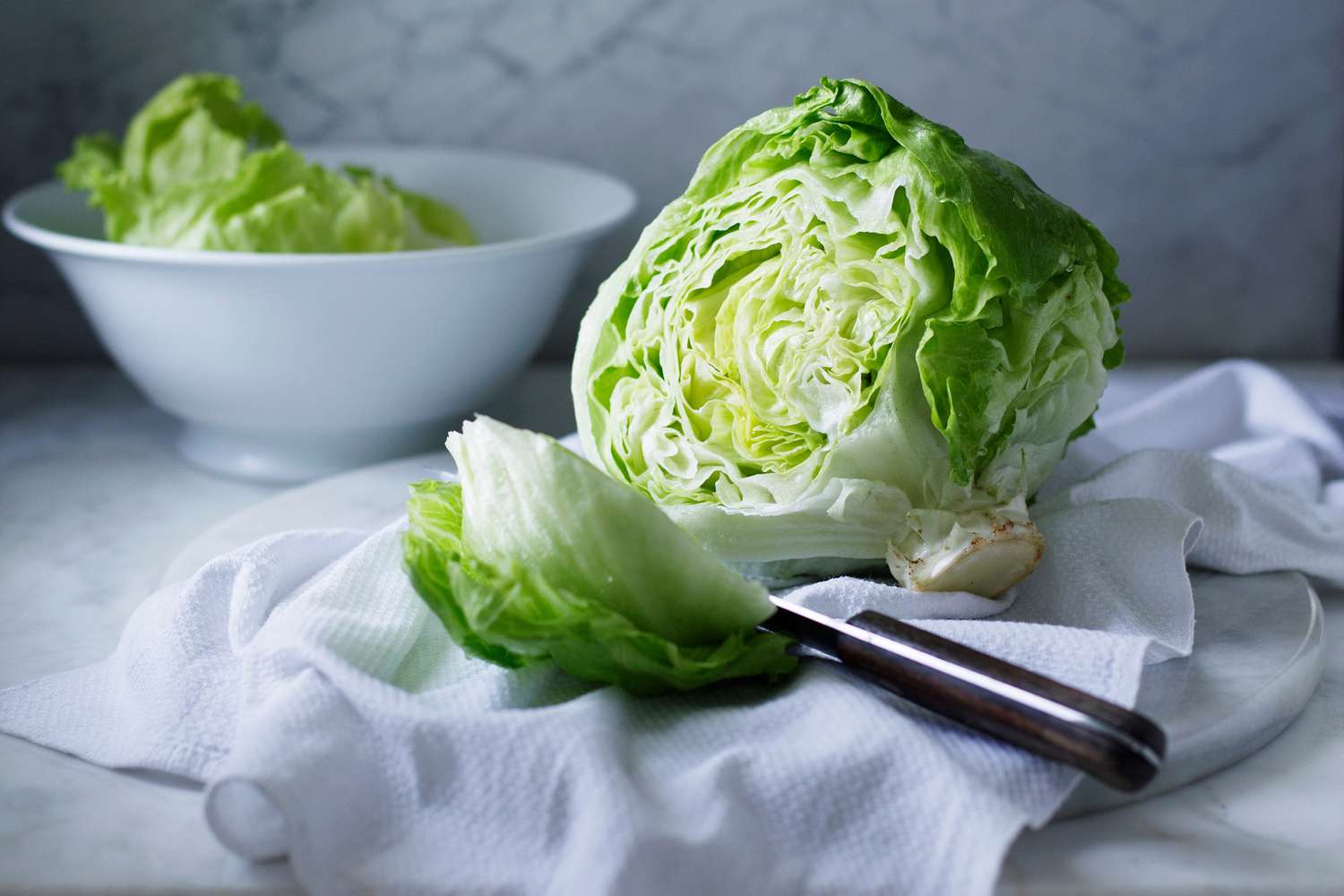
Iceberg lettuce has spent years being treated like the plain white T-shirt of the produce drawer: useful, dependable, and rarely invited to the cool-kids table. It does not have kale’s swagger, arugula’s attitude, or romaine’s Caesar-salad fame. But here is the truth: iceberg lettuce is very, very good at what it does. And what it does is bring serious crunch, refreshing bite, mild flavor, and a clean backdrop for stronger ingredients.
If you have ever bitten into a great diner salad, a stacked burger, a taco that needed one more layer of texture, or a steakhouse wedge with blue cheese dressing running gloriously down the sides, you have already benefited from iceberg lettuce doing its job like a pro. This is not a “settle for less” vegetable. It is a “know what works” vegetable.
In this guide, we will break down what iceberg lettuce is, what it offers nutritionally, how to buy and store it, and all the best ways to use it beyond the usual side salad. Spoiler alert: it is more versatile than its reputation suggests, and yes, it deserves a little respect.
What Is Iceberg Lettuce?
Iceberg lettuce is a type of crisphead lettuce. It forms a tight, round head with pale green leaves packed closely together, which is why it feels almost cabbage-like when you pick one up at the store. Compared with leaf lettuce or romaine, iceberg is milder in flavor and firmer in texture. That mildness is not a weakness. It is the reason iceberg plays so nicely with strong dressings, smoky bacon, spicy meats, pickled vegetables, creamy sauces, and salty cheeses.
Think of iceberg lettuce as the cool-headed friend who never hogs the conversation but somehow makes the whole group better. It is there to refresh, lighten, and add snap. That is why it works so well in classic American salads, deli sandwiches, tacos, burgers, and lettuce wraps.
Is Iceberg Lettuce Good for You?
The nutrition reality, without the drama
Iceberg lettuce often gets dunked on because it is lighter in color than darker greens, and in many cases darker greens do contain more concentrated nutrients. That part is fair. But the leap from “not the most nutrient-dense lettuce” to “nutritionally useless” is where the argument falls apart.
Iceberg lettuce is mostly water, which makes it incredibly hydrating and refreshing. It is also low in calories, contains some fiber, and provides vitamins A and K along with small amounts of folate and other micronutrients. No, it is not spinach in disguise. But it still contributes to a balanced plate, especially when it helps you eat more vegetables overall. A food does not need to be a nutritional superhero to earn a spot in your kitchen. Sometimes being crisp, convenient, and easy to enjoy is a health benefit all by itself.
What iceberg does better than “healthier” greens
Here is the part people forget: nutrition is not just what is on paper. It is also what you actually eat. Iceberg lettuce has a mild flavor and sturdy crunch that many people genuinely like, especially picky eaters, salad skeptics, and kids who hear the word “greens” and suddenly become part-time lawyers.
Because it is easy to eat, iceberg can help build healthier meals in real life. Add it to sandwiches, tacos, wraps, burgers, chopped salads, grain bowls, or snack plates, and suddenly a meal has more volume, freshness, and vegetable content without feeling like homework.
How to Choose the Best Head of Iceberg Lettuce
When shopping for iceberg lettuce, look for a head that feels heavy for its size and has tightly packed leaves. The outside should look fresh and crisp, not wilted, slimy, or badly bruised. Pale green is normal. You do not need it to look like it was painted by a lawn mower.
A few minor brown spots on the outer leaves are not always a dealbreaker because you can peel those off. What you do want to avoid is serious browning at the base, sogginess, or leaves that look tired enough to file for retirement.
How to Wash and Prep Iceberg Lettuce
Do not wash it too early if you can help it
One of the simplest ways to keep iceberg lettuce crisp is to wait and wash it close to the time you plan to use it. Extra moisture is the enemy of freshness. Wet leaves stored too long can become limp, slimy, or moldy faster than you can say, “I literally bought this yesterday.”
How to clean it the right way
Start by removing any damaged outer leaves. Then rinse the head or separated leaves under cold running water. If you are cutting the lettuce, wash before serving and dry it well. A salad spinner is ideal, but clean towels or paper towels work too. Drying matters more than most people realize. If lettuce goes into the fridge wet, it usually comes back out sad.
You should also know that washing produce helps reduce dirt and some germs, but it does not sterilize it. That is one reason good storage and general kitchen cleanliness matter too. No need for soap, bleach, mystery produce potion, or any chemistry experiment that would make your salad taste like a cleaning aisle.
How to Store Iceberg Lettuce So It Stays Crisp
Whole heads of iceberg lettuce generally last longer than chopped lettuce, so keep the head intact until you are ready to use it. Store it cold in the refrigerator, ideally in the crisper drawer. Wrap it loosely in paper towels or a clean kitchen towel to absorb excess moisture, then place it in a bag or keep it in its original wrap if it is sold that way.
If you have already chopped it, dry it thoroughly and store it in a container or bag lined with paper towels. Replace the towel if it becomes damp. For food safety, cut leafy greens should stay well chilled. Translation: do not let your shredded lettuce hang out for hours like it is at a pool party.
Another useful trick is to keep iceberg away from ethylene-heavy fruits such as apples, pears, and bananas when possible. Lettuce is sensitive to ethylene gas, and too much exposure can speed browning and deterioration. Your lettuce and bananas are not enemies, but they are better off with some space.
How to Use Iceberg Lettuce
1. Make a classic wedge salad
This is the dish that keeps iceberg lettuce from ever being truly irrelevant. A good wedge salad is simple, cold, crunchy, and deeply satisfying. Quarter the head, keep a bit of the core so the wedge holds together, then top it with blue cheese dressing, ranch, bacon, tomatoes, chives, red onion, or whatever makes your inner steakhouse fan happy.
The secret is contrast. Iceberg brings cold crunch. The toppings bring richness, salt, tang, and punch. It is not subtle, and that is exactly the point.
2. Build better chopped salads
Iceberg is excellent in chopped salads because it stays crisp under dressing better than delicate greens. Chop it into bite-size pieces and toss it with cucumbers, tomatoes, salami, chickpeas, shredded cheese, olives, avocado, grilled chicken, or crunchy pita chips. It gives every forkful a refreshing snap.
For a deli-style chopped salad, pair iceberg with pepperoncini, provolone, turkey, ham, and an Italian vinaigrette. Suddenly lunch feels much less like a sad desk event and much more like a reward.
3. Add crunch to burgers and sandwiches
There is a reason burger shops keep coming back to iceberg. It is crisp, juicy, and sturdy enough to hold up without immediately collapsing into a damp green shrug. Shredded iceberg is especially good on burgers, BLTs, club sandwiches, hoagies, and wraps because it spreads easily and gives every bite texture.
Try lightly dressing shredded iceberg before adding it to sandwiches. That small move wakes up the flavor and makes the sandwich taste more intentional, like you planned it instead of panic-assembled it.
4. Pile it into tacos, tostadas, and fajitas
Thinly sliced iceberg lettuce is fantastic in tacos because it adds coolness against warm, spicy fillings. It works with ground beef tacos, fish tacos, chicken tinga, carne asada, and vegetarian taco fillings too. It also brings a clean crunch to tostadas and nachos without overwhelming the other ingredients.
If your tacos taste heavy or one-note, iceberg often fixes the problem. It is the edible equivalent of opening a window.
5. Use the leaves as wraps or cups
The larger outer leaves of iceberg lettuce can be used as cups or wraps for fillings like chicken salad, egg salad, tofu, spicy minced turkey, shrimp, or stir-fried vegetables. The leaves are cool, crisp, and sturdy enough for hand-held eating, especially if you choose the larger outer layers.
This is one of the easiest ways to use iceberg lettuce for lighter meals without feeling deprived. You are not “replacing bread with lettuce” in a grim way. You are making something crisp and refreshing on purpose.
6. Stir it into hot dishes
Yes, hot dishes. Iceberg lettuce is not limited to cold salads. It can be lightly wilted in soup, added at the end of a stir-fry, or tucked into noodle bowls for contrast. A quick toss in a hot pan softens the leaves while keeping a little texture, especially when paired with garlic, sesame oil, shallots, or broth-based dishes.
This surprises people, mostly because lettuce has such a strong “cold only” reputation. But mild lettuces can work beautifully in warm dishes when handled briefly. Just do not cook it into oblivion unless your goal is “green memory foam.”
7. Turn it into a crunchy side for rich meals
Iceberg is particularly useful next to heavier foods. Serve a simple salad of iceberg, cucumbers, herbs, and vinaigrette with fried chicken, barbecue, pizza, burgers, pasta, or grilled steak. Because the lettuce is so watery and crisp, it cuts through richness and makes the whole meal feel more balanced.
Easy Iceberg Lettuce Ideas for Everyday Meals
- Weeknight taco bowl: chopped iceberg, seasoned ground turkey, black beans, salsa, avocado, and crushed tortilla chips.
- Diner-style salad: iceberg, tomatoes, cucumbers, carrots, cheddar, hard-boiled eggs, and ranch.
- Italian chopped lunch: iceberg, salami, chickpeas, mozzarella, red onion, olives, and red wine vinaigrette.
- Crispy lettuce wraps: iceberg leaves filled with chicken salad or spicy tofu.
- Burger night upgrade: shredded iceberg tossed with a little vinegar and olive oil, layered under the patty.
- Soup finisher: shredded iceberg stirred into hot broth at the end for extra body and freshness.
Common Mistakes to Avoid
Using soggy lettuce
If the leaves are wet, the texture suffers. Dry them well before storing or serving. Crunch is iceberg’s whole brand identity, so protect it.
Drowning it in dressing
Iceberg can handle creamy dressings, but too much will weigh it down. Dress enough to coat, not enough to create a salad lagoon.
Ignoring texture pairings
Iceberg shines when paired with ingredients that benefit from contrast: creamy cheese, crispy bacon, juicy tomatoes, warm meat, crunchy seeds, sharp onions, or tangy pickles. Give it something to bounce off.
Expecting it to taste like romaine or arugula
Iceberg is not trying to be peppery, bitter, or boldly green. It is meant to be cool, clean, and crunchy. Judge it for what it is, not for the identity crisis you assigned it.
Why Iceberg Lettuce Still Belongs in a Modern Kitchen
Food trends come and go, but texture never goes out of style. Iceberg lettuce has survived decades of culinary snobbery because it solves real kitchen problems. It adds freshness without bitterness, body without heaviness, and crunch without much prep. It works for family dinners, quick lunches, casual entertaining, and those nights when cooking ambition is somewhere between “minimal” and “absolutely not.”
It may not be the most glamorous vegetable in the produce section, but glamour is overrated when dinner needs to happen in 20 minutes. Iceberg lettuce is affordable, easy to use, widely available, and surprisingly flexible. That combination earns a permanent place in the fridge.
Experiences With Iceberg Lettuce: What It’s Like to Actually Use It More Often
Once people start using iceberg lettuce on purpose instead of as an afterthought, they usually notice the same thing first: meals feel fresher almost immediately. A burger with no lettuce can taste heavy by the third bite, but add a cold layer of shredded iceberg and suddenly the whole thing feels brighter. Tacos get the same boost. Even a simple turkey sandwich starts tasting more complete when there is a crisp, juicy layer in the middle.
Another common experience is that iceberg is less fussy than many other greens. It does not collapse at the first sign of dressing. It does not bruise emotionally because you looked at it too hard. It can sit in a bowl on the dinner table longer than delicate spring mix and still hold onto its dignity. That makes it useful for families, potlucks, parties, meal prep, and casual weekday lunches when food has to wait a little before being eaten.
Many home cooks also discover that iceberg is one of the easiest ways to win over people who claim they “do not like salad.” Often, what they really mean is they do not like bitter greens, soggy leaves, or giant bowls of virtuous sadness. Iceberg helps because it is crunchy, mild, and familiar. Add a good dressing, some protein, and something salty or tangy, and suddenly the anti-salad crowd is mysteriously clearing their plates.
There is also a practical pleasure to prepping iceberg lettuce. Cutting into a cold, tight head has a satisfying snap. Shredding it for tacos or sandwiches feels fast and efficient. Quartering it into wedges makes even a very simple dinner seem a little more put together, like you own cloth napkins and regularly remember to water plants. Iceberg gives low effort a high reward, which is one of the most useful qualities any ingredient can have.
Then there is the refrigerator experience, which matters more than food writers sometimes admit. Plenty of greens begin their lives with promise and end them as a damp science project. Iceberg tends to last longer, especially when stored properly. That means less guilt, less waste, and fewer moments of staring into the crisper drawer wondering whether the lettuce is still food or now a cautionary tale.
Perhaps the best experience of all is realizing that iceberg lettuce does not need to be defended so aggressively once you start using it well. It proves itself. Put it in a wedge salad with blue cheese and tomatoes, and no one asks where the kale is. Shred it over spicy tacos, and nobody files a complaint about nutrient hierarchy. Slide it into a burger or wrap, and it just works. Sometimes the best ingredients are not the loudest ones. Sometimes the best ingredients are the ones that make everything else taste and feel better.
That is the real charm of iceberg lettuce. It is not trying to be trendy. It is trying to be useful, refreshing, and delicious. And honestly, that is a lot more impressive.
Conclusion
Iceberg lettuce is not the flashy star of the produce aisle, but it is one of the most useful. Its mild flavor, satisfying crunch, long fridge life, and versatility make it a smart pick for salads, sandwiches, tacos, wraps, and even a few warm dishes. If you stop expecting it to be something it is not and start using it for what it does best, iceberg lettuce goes from underestimated to essential in a hurry.














