
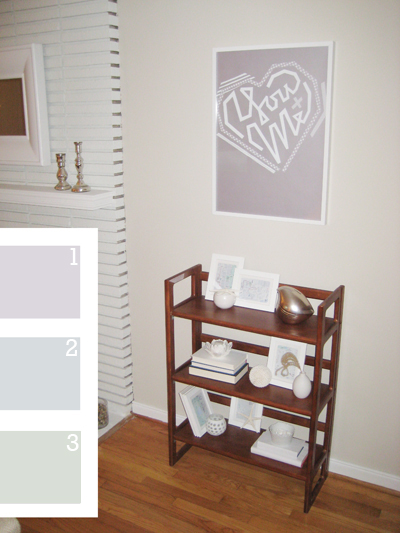
If this were your bookcase, I would not start by judging your taste. I would start by reading your life. A bookcase is one of the few pieces of furniture that quietly tattles on you. It reveals what you value, what you aspire to, what you bought during a wildly optimistic “new era” phase, and which titles you swear you are absolutely going to finish once life calms down. In other words, a bookcase is not just storage. It is biography with shelves.
That is exactly why bookcases matter more than people think. They are practical, yes. They hold novels, cookbooks, textbooks, art monographs, and that one giant photography book that weighs roughly the same as a baby elephant. But they also shape a room’s personality. A thoughtfully arranged shelf can make a home feel warmer, smarter, more personal, and far more lived-in than a dozen trendy decorative objects ever could. A badly arranged one, on the other hand, can make even great books look like they lost a fight with gravity.
The good news is that creating a beautiful, functional bookcase does not require a design degree, a celebrity stylist, or suspiciously photogenic neutral pottery. It requires intention. If this were your bookcase, the goal would not be perfection. The goal would be honesty, usability, and just enough style to make guests think, “Wow, this person definitely has opinions and perhaps also snacks.”
Why a Bookcase Says So Much About You
A bookcase works like a visual autobiography. Unlike a drawer, it does not hide your choices. Your shelves display your habits in plain sight: what you reread, what you collect, what you keep close for comfort, and what kind of chaos you tolerate before saying, “Okay, this has become a situation.”
That is part of the reason bookshelves feel emotionally charged. Books are not generic household objects. They are tied to identity. A shelf full of dog-eared mysteries tells a different story than a shelf packed with design books, fantasy sagas, parenting guides, travel memoirs, and one suspiciously intense sourdough manual. Even when the arrangement looks casual, the message is rarely accidental.
If this were your bookcase, it might reveal that you are a mood reader who keeps six unfinished books in circulation. It might show that you love history, keep family albums close, and still own the childhood classic you refuse to let go of. It might prove you buy books with the optimism of a person who believes weekends are 17 hours longer than they actually are. All of that counts. A good bookcase does not hide your personality. It edits it just enough to let it shine.
Start With the Shelf You Actually Need
Before styling comes the mildly annoying but absolutely necessary step: honesty. What does your bookcase need to do for your real life? Not your fantasy life. Not your “I host literary salons in linen pants” life. Your actual life.
For the heavy reader
If you actively read from your shelves every week, accessibility matters more than decorative drama. Your most-used books should live at arm’s reach. Series should stay together. Frequently referenced titles, cookbooks, work materials, or children’s books should be easy to grab without requiring a yoga pose or a stepladder.
For the style-focused room
If the bookcase is a major visual anchor in your living room, office, or bedroom, balance matters. The shelf still needs books, but it also needs rhythm: open space, varied heights, objects with texture, and a layout that feels deliberate instead of stuffed. Books are the stars, but supporting actors matter.
For the small-space dweller
If every square foot has to earn its rent, your bookcase may need to do double duty. Bottom shelves can hold baskets. Upper shelves can display art. A narrow shelf can become a mini library, a display wall, and a storage zone all at once. Tiny apartments love a multitasker.
The First Rule: Edit Before You Arrange
This is the step people skip because it sounds boring, and then they wonder why their shelves look stressed. If this were your bookcase, the first move would be taking everything off. Yes, everything. Books, picture frames, candles, mystery cords, old receipts masquerading as bookmarks, all of it.
Once the shelves are bare, sort your books into simple groups. Genre works. So does author, subject, family member, reading frequency, or even mood. The best organizing system is the one your brain can understand at a glance. If color coding brings you joy, do it. If color coding makes it impossible to find your cookbook when you are already hungry, maybe do not.
Editing also means letting go of shelf squatters. Not every object belongs on a bookcase. If something is broken, random, unrelated, or only there because it had nowhere else to go, remove it. Your bookcase is not a witness protection program for clutter.
How to Make a Bookcase Look Good Without Looking Overdesigned
The most inviting shelves usually combine order and looseness. They look intentional, but not frozen. Styled, but not staged within an inch of their lives. The trick is to create contrast.
Mix vertical and horizontal stacks
Rows of upright books are classic, but too many can feel flat. Horizontal stacks break the pattern and create resting places for small objects, framed photos, or a trailing plant. Used sparingly, they add dimension. Used everywhere, they create a tiny skyline of literary pancakes. Balance is the magic word.
Use negative space like a grown-up
Every shelf does not need to be packed. Empty space gives the eye somewhere to land. It also keeps special books and objects from disappearing into visual traffic. Think of negative space as the pause between good sentences. Without it, everything becomes one long breathless rant.
Add objects that mean something
The strongest shelves feel personal. A ceramic bowl from a trip, a framed black-and-white photo, a brass lamp, a child’s drawing, a favorite vintage camera, a small sculpture, or a postcard tucked into a stand can all work beautifully. The point is not to buy “bookshelf decor.” The point is to display evidence of a life.
Vary texture and scale
If every object is small, your shelf will look busy. If every object is large, it will look heavy. Mix materials, too: paper, wood, glass, metal, ceramic, linen. A bookcase becomes more dynamic when smooth surfaces meet rough ones, glossy accents sit near matte spines, and soft baskets balance harder shapes.
Keep heavier items lower
This is both a visual and practical win. Large art books, storage boxes, and dense hardcovers feel more grounded on lower shelves. Lighter objects and smaller books can move upward. The overall effect is calmer, and your shelf is less likely to look top-heavy and mildly dramatic.
Ways to Organize Books That Actually Make Sense
If this were your bookcase, the right organizing method would depend on your personality and your habits.
By genre
Excellent for real readers who want to find things fast. Fiction with fiction, cookbooks with cookbooks, essays with essays. It is classic because it works.
By author
Perfect for collectors, loyalists, and people who believe one novelist deserves an entire shelf and frankly they are correct.
By color
Visually striking and often gorgeous, especially in design-forward spaces. It is less practical for fast retrieval, but great if your shelf functions as both library and art installation.
By size
This can make a bookcase look cleaner and more architectural. It is especially helpful when mixing oversized coffee-table books with paperbacks and children’s titles.
By use
Keep daily-use books together, aspirational books together, and sentimental books together. This method is less traditional, but wonderfully human. Your life is not alphabetical, so your shelves do not have to be either.
Protecting the Books, Because They Deserve Better
Style is lovely, but a bookcase should also keep books in decent condition. That means thinking beyond looks. Books prefer stable, dry, low-light environments. Direct sunlight can fade covers and stress materials. Excess moisture can warp pages. Shelves crammed too tightly can damage spines, while books leaning at odd angles for years can lose shape.
If this were your bookcase, I would keep it away from harsh sun and major humidity swings, dust it regularly, and avoid shoving books in like they are boarding the last train out of town. Give them support. Use bookends where needed. Stand most books upright. Store especially large or fragile volumes thoughtfully. A little care goes a long way, and your future self will appreciate not pulling down a beloved book only to discover it now resembles a croissant.
Bookcase Personalities: Pick Your Vibe
The practical reader
This shelf is easy to navigate, lightly styled, and built for everyday use. Think organized categories, sturdy bookends, maybe one framed photo, maybe one plant that is somehow still alive. It says, “I read these, yes, all of them, and no, I do not alphabetize spices either.”
The cozy collector
Here, books mingle with warm wood, layered art, soft lighting, and meaningful keepsakes. The effect is rich, inviting, and slightly irresistible. This is the shelf that makes people want tea, a blanket, and a cancellation of all outside plans.
The curated minimalist
Fewer books, more breathing room, strong lines, intentional color, maybe a monochromatic moment. This bookcase does not shout. It raises one stylish eyebrow and lets proportion do the talking.
The joyful maximalist
Books everywhere, bright spines, objects with stories, maybe a globe, maybe a weird little ceramic bird, definitely no fear. Done well, this shelf feels energetic and alive rather than messy. The key is still structure. Even maximalism needs a backbone.
If This Were Your Bookcase, What Story Would It Tell?
That question is really the heart of the whole project. A great bookcase is not just arranged; it is authored. It says something before anyone reads a single title. It can communicate curiosity, humor, discipline, nostalgia, wanderlust, ambition, tenderness, or all of the above.
Maybe your shelf says you are rebuilding after a move. Maybe it says you finally made space for your interests instead of shrinking them into one forgotten corner. Maybe it says your family reads together. Maybe it says you are becoming the person you once imagined when you bought those ambitious biographies and heavily underlined self-improvement books.
The most memorable shelves usually avoid one mistake: trying too hard to look like someone else’s. A bookcase copied straight from a showroom may be pretty, but it rarely feels alive. Your shelves should make room for the oddities. The weird memoir. The battered childhood favorite. The cookbook with the stained page. The novel that changed your mind about something important. Those are not imperfections. They are the point.
Experiences That Make a Bookcase More Than Furniture
Over time, a bookcase becomes a map of your experiences, even when you do not notice it happening. A shelf that once held college textbooks starts sharing space with work manuals, travel guides, and novels you picked up during a difficult year because you needed somewhere safe to put your mind. A single cookbook turns into a whole row because you hosted dinners, learned three reliable pasta recipes, and briefly convinced yourself that making laminated dough at home was a normal Saturday activity. The bookcase keeps receipts for every phase.
There is also something deeply comforting about seeing your life arranged in physical form. Digital life is useful, but it is slippery. Files disappear into folders, recommendations blur together, and even favorite titles can feel oddly abstract on a screen. A real bookcase pushes back against that. It lets memory take up space. You remember where you bought a book, who gave it to you, what season of your life it belonged to, and why you kept it when you donated ten others. The shelf becomes a quiet archive of your tastes, your hopes, and your changing identity.
People often discover this most clearly when they move. Packing books is terrible for the back but excellent for the soul. As you box them up, you meet older versions of yourself. The aspiring intellectual. The tired parent. The obsessed hobbyist. The person who wanted to learn a language. The person who needed comfort and found it in fiction. Then, when you unpack in a new home, you get the rare chance to decide what still belongs in the story. That is not just decorating. That is editing a life chapter.
Bookcases also shape relationships. Children notice what lives on shelves. Guests scan them instinctively. Friends borrow from them. Partners negotiate them. Families build traditions around them, whether that means bedtime reading, recipe passing, seasonal book swaps, or the unbreakable household rule that nobody dog-ears the nice hardcovers. Even a small shelf can create a shared culture inside a home.
And perhaps that is why people care so much about getting shelves right. A bookcase is not only where books live. It is where identity, memory, aspiration, and daily life all bump into each other. If this were your bookcase, the most beautiful version would not be the one that looked expensive or perfectly styled. It would be the one that felt unmistakably yours: useful, welcoming, a little revealing, and full of things worth returning to. That is the magic of a good shelf. It does not just hold books. It holds a life in progress.













