
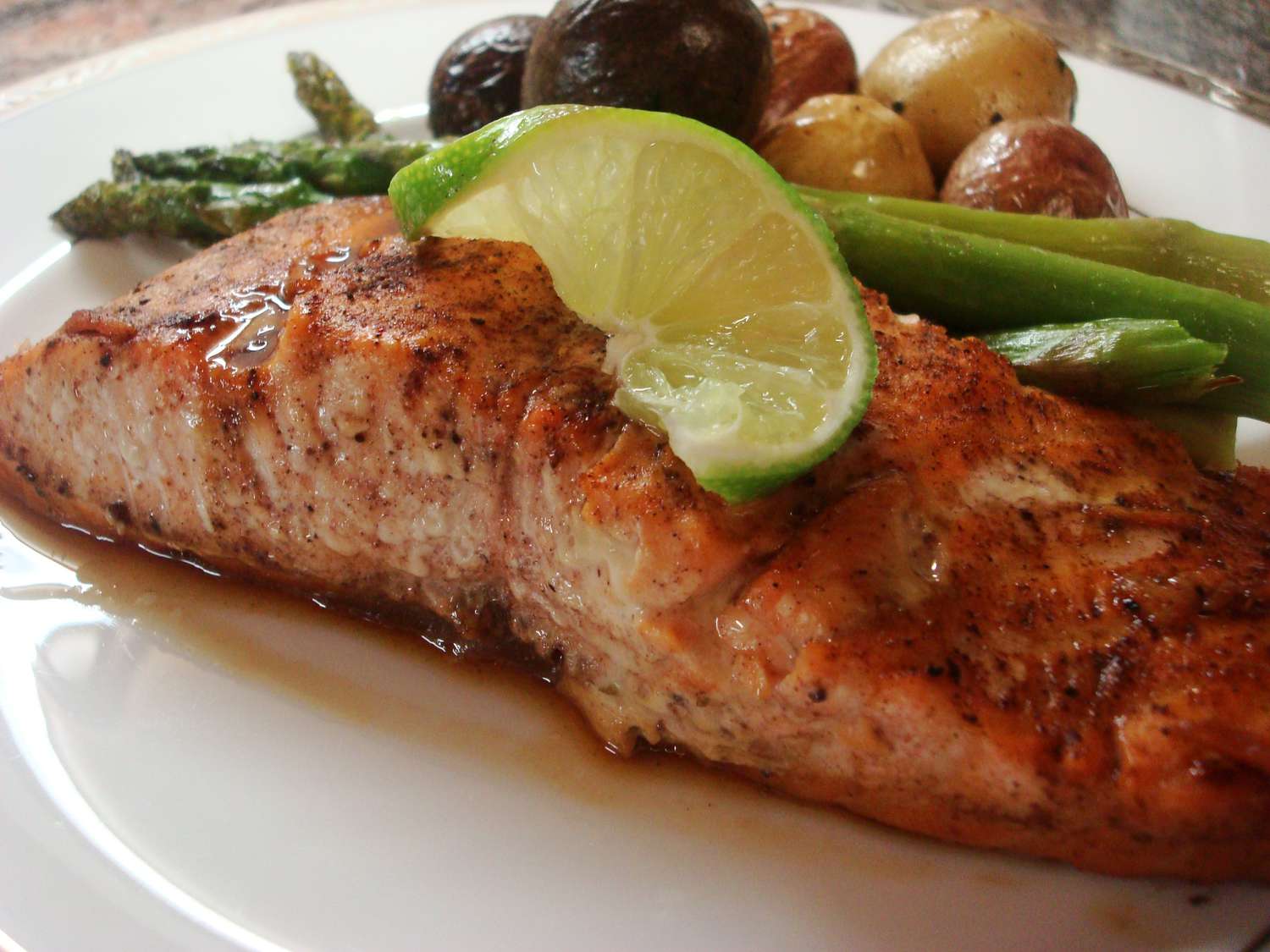
Salmon is already the overachiever of weeknight dinners: fast, forgiving, and it somehow looks fancy even when you’re
wearing sweatpants and negotiating with a smoke detector. Now give it garam masalathe warm, aromatic Indian spice blend
that smells like your kitchen just got promotedand you’ve got a meal that tastes “restaurant” without requiring
restaurant-level patience.
This Indian-Spiced Salmon With Garam Masala Recipe leans into three big wins:
(1) a quick spice rub that actually sticks, (2) a tangy-sweet glaze that turns glossy in the oven, and (3) an optional
cool yogurt-raita style sauce that makes every bite feel balanced instead of “I licked a spice rack (in a good way).”
Why Garam Masala + Salmon Works (A Quick, Delicious Nerd Moment)
Garam masala is typically a blend of warm spicesthink cinnamon, cardamom, cumin, coriander, cloves, black pepper, and
friends. It’s not necessarily “hot” the way chili is; it’s more like “warm sweater energy.” On rich fish like salmon,
those aromatics pop because salmon has enough natural fat to carry flavor. Translation: the spices don’t just sit on the
surface; they bloom, perfume, and make the whole bite taste bigger.
Two tiny technique choices make the difference between “nice” and “wow”:
blooming the spices in oil (so they smell like themselves, not like cardboard) and
adding a touch of sweetness to help a glaze cling and caramelize instead of sliding off like it’s late
for an appointment.
Indian-Spiced Salmon With Garam Masala (Recipe)
Time: 25–30 minutes total
Servings: 4
Best for: weeknights, meal prep, and impressing people who think you “don’t cook”
Ingredients
- 4 salmon fillets (about 5–6 oz each), preferably skin-on
- 2 tbsp olive oil (or avocado oil)
- 2 tsp garam masala
- 1 tsp ground cumin
- 1 tsp ground coriander
- 1/2 tsp ground turmeric (optional but lovely for color)
- 3/4 tsp kosher salt (adjust to taste)
- 1/4 tsp black pepper
- 1 tsp grated fresh ginger
- 2 cloves garlic, finely grated or minced
Quick Glaze (Tangy-Sweet)
- 1 tbsp tamari or low-sodium soy sauce
- 1 tbsp fresh lime juice (or lemon)
- 1–2 tsp maple syrup or honey
- 1 tsp olive oil
- Pinch garam masala or smoked paprika (optional, for extra aroma)
Optional Cool Yogurt “Raita” Sauce
- 3/4 cup plain Greek yogurt
- 1/2 cup cucumber, grated or finely chopped (squeeze out excess water)
- 1 tbsp chopped mint and/or cilantro
- 1 tsp lime juice
- 1 small clove garlic, grated (optional)
- Pinch salt + black pepper
How to Make It
-
Heat the oven. Set oven to 425°F. Line a rimmed sheet pan with foil or parchment
(your future self says thank you). -
Dry the salmon. Pat fillets dry with paper towels. This is the difference between “seared” and “sad
steaming.” -
Make the spice oil. In a small bowl, mix olive oil, garam masala, cumin, coriander, turmeric (if
using), salt, pepper, ginger, and garlic. You’re making a paste that hugs the fish instead of sprinkling off like
glitter at a craft store. -
Coat the salmon. Rub the spice paste over the top (flesh side) of each fillet. If you have 10 extra
minutes, let it sit while the oven heatsbonus flavor. -
Whisk the glaze. Stir tamari, lime juice, maple syrup (start with 1 tsp), and olive oil. Brush over
the salmon right before baking. -
Bake. Place salmon on the sheet pan skin-side down. Bake 10–14 minutes, depending on
thickness, until the salmon flakes easily and reaches your preferred doneness.
Food safety note: for fully cooked fish, aim for 145°F internal temperature at the thickest
part. -
Optional: Broil for drama. Want a more charred, tandoori-adjacent edge? Broil for 1–2 minutes
at the end, watching closely. Salmon goes from “beautiful” to “why is it yelling at me?” fast. - Rest + serve. Rest 2 minutes, then serve with extra lime and the yogurt sauce (below) if you’re doing it.
Make the Optional Yogurt “Raita” Sauce
- Stir yogurt, cucumber, herbs, lime juice, and garlic (if using) in a bowl.
- Season with a pinch of salt and pepper. Chill while salmon cooks.
Chef-ish Tips for Better Results (Without Becoming a Chef)
1) Don’t skip drying the fish
Moisture is the enemy of browning. Patting salmon dry helps the spice paste adhere and encourages better colorespecially
if you do that quick broil at the end.
2) Use skin-on fillets if you can
Skin acts like a built-in protective layer that keeps the fish juicy. Even if you don’t eat the skin, it’s basically
nature’s nonstick pan (with better PR).
3) Sweetness isn’t dessertit’s structure
A small amount of maple syrup or honey helps the glaze cling and caramelize. You’re not trying to make “salmon candy.”
You’re trying to round out the spices and build a glossy finish.
4) Garam masala variestaste and adjust
Some blends lean cinnamon-forward, others are more peppery. If yours is potent, start with 1 1/2 teaspoons in the rub
and add more next time. This is the fun part of cooking: the spice jar gets a personality.
Flavor Variations (Choose Your Own Adventure)
Oven-Roasted “Maple-Lime” Version
Keep the recipe as written, but bump maple syrup to 2 teaspoons and add a pinch of chili flakes. It’s tangy, warm, and
just spicy enough to make your taste buds sit up straight.
Grilled Garam Masala Salmon
Prefer the grill? Keep the spice rub and glaze. Oil the grates, grill salmon skin-side down over medium-high heat, and
use halved lemons on the grill for serving. Grilling adds smokiness that plays ridiculously well with warm spices.
“Tandoori-Style” Yogurt Marinade Shortcut
If you want a more tandoori vibe, swap the spice oil for a quick yogurt marinade:
Greek yogurt + garam masala + grated garlic + grated ginger + salt + a little lemon/lime. Let salmon sit 15–30 minutes,
then broil or grill. Yogurt helps tenderize and encourages browning in a very “charred edges = joy” way.
What to Serve With Indian-Spiced Salmon
You want sides that either cool things down (yogurt, cucumber, herbs) or soak up flavor (rice, naan, roasted veggies).
Here are winning pairings:
- Basmati rice with a squeeze of lime and chopped cilantro
- Cucumber-tomato salad with red onion and lemon
- Roasted cauliflower with a pinch of garam masala and salt
- Warm naan or flatbread (for scooping yogurt sauce like a professional)
- Simple lentils seasoned with cumin and a pinch of garam masala
Shopping Guide: Picking Salmon That Won’t Betray You
Wild vs. farmed
Both can be delicious. Wild salmon often tastes “more salmon-y” and can be leaner; farmed tends to be richer and
slightly more forgiving in the oven. Either way, choose fillets that look moist (not dried out) and smell clean, not fishy.
Thickness matters
A thick center-cut fillet is easier to cook evenly. If your pieces are thin at one end, place that thinner end toward
the hotter part of the pan (usually the edges) and keep an eye on it.
How to Tell When Salmon Is Done (Without Guessing)
- Thermometer method: 145°F at the thickest part for fully cooked fish.
- Fork test: flesh turns opaque and flakes easily.
- Touch test: salmon should feel slightly firm but still springy, not stiff.
If you like salmon a bit more tender and pink in the center, many cooks pull it earlier and let carryover heat finish
the job. Just be mindful of food safetyespecially for anyone pregnant, immunocompromised, or extra cautious.
Storage, Meal Prep, and Reheating
Storing leftovers
Cool salmon within 2 hours, then refrigerate in an airtight container. It’s best within 2–3 days.
Store yogurt sauce separately so it stays fresh and doesn’t get weird.
Reheating (the “don’t dry it out” plan)
- Oven: 275–300°F for 8–12 minutes, covered loosely with foil.
- Skillet: low heat with a splash of water, covered, just until warmed.
- Cold option: flake leftover salmon onto salad or rice bowls with yogurt saucezero reheating required.
FAQs
Can I use frozen salmon?
Yes. Thaw overnight in the refrigerator for best texture. Pat very dry before seasoningfrozen fish tends to carry extra
surface moisture.
Is garam masala spicy?
Usually it’s aromatic rather than hot. Heat typically comes from chili, not from garam masala itselfthough blends vary.
If you want more kick, add chili flakes or cayenne.
Can I make this dairy-free?
Absolutely. Skip the yogurt sauce or use a dairy-free yogurt alternative. The salmon itself is naturally dairy-free.
What if I don’t have tamari or soy sauce?
Use a pinch more salt in the rub and add extra lime plus a tiny splash of coconut aminos if you have it. The goal is a
salty-tangy backbone for the glaze.
Kitchen Notes & Experiences (500-ish Words of Real-Life Wisdom)
The first time most people try an Indian-spiced salmon, the surprise isn’t “wow, salmon can handle spices” (it can);
it’s “wow, my kitchen smells like I know what I’m doing.” Garam masala has that effect. It’s the spice blend equivalent
of lighting a fancy candleexcept you get dinner at the end.
A common weeknight scenario: you’re hungry, you want something healthy-ish, and you do not want to babysit a pot.
This recipe behaves beautifully under mild neglect. Mix the rub, coat the fish, slide it into a hot oven, and you’ve got
10 minutes to throw together a cucumber salad, cook rice, or dramatically stare into the fridge like it owes you answers.
The salmon still comes out tasting intentional.
Another frequent “experience moment” is discovering how much the sauce changes everything. The salmon is bold and warm;
the yogurt sauce is cool and bright. Together they’re balancedlike a good playlist that doesn’t blast one song for 45 minutes.
If you’ve ever eaten a spice-forward dish and thought, “I love this, but I need a reset,” that’s what the yogurt does.
Even a simple spoonful of plain yogurt with lime and a pinch of salt works in a pinch.
People also learn quickly that garam masala is not one-size-fits-all. Some jars are sweeter (more cinnamon/clove), some
are peppery, some smell like they’ve been sitting in a pantry since a previous era. If yours is super fragrant, you can
use less and still get a strong result. If it’s shy, you can add a pinch more to the oil (or finish the cooked salmon with
a tiny sprinkle right before serving). That last move is especially helpful when you’re serving guests: it adds a fresh
aromatic “top note” that reads as complex flavor rather than “I dumped spice on fish.”
There’s also the doneness learning curve. Salmon is famously easy to overcook because it goes from silky to dry in what
feels like one group text notification. The practical trick many home cooks settle on is: cook until it flakes easily,
then stop. If you’re using a thermometer, aim for safety (145°F) when needed, but don’t forget carryover heatsalmon
continues cooking after it leaves the oven. Resting it for just two minutes often makes the texture noticeably better,
like the fish had a chance to “settle.”
Finally, this dish has a habit of becoming a repeat not because it’s complicated, but because it’s flexible. It works
with roasted vegetables, rice bowls, salads, naan wraps, even next-day lunch. The flavor profile feels special, yet the
steps are simple. Which is exactly what we want from dinner: a little magic, minimal chaos.
Conclusion
This Indian-Spiced Salmon With Garam Masala Recipe is proof that bold flavor doesn’t need a long ingredient
list or a sink full of dishes. A warm spice rub, a tangy glaze, and (if you’re feeling fancy) a cool yogurt sauce turn
everyday salmon into a meal that feels like a treatwithout the “I need a nap after cooking” side effect.












