
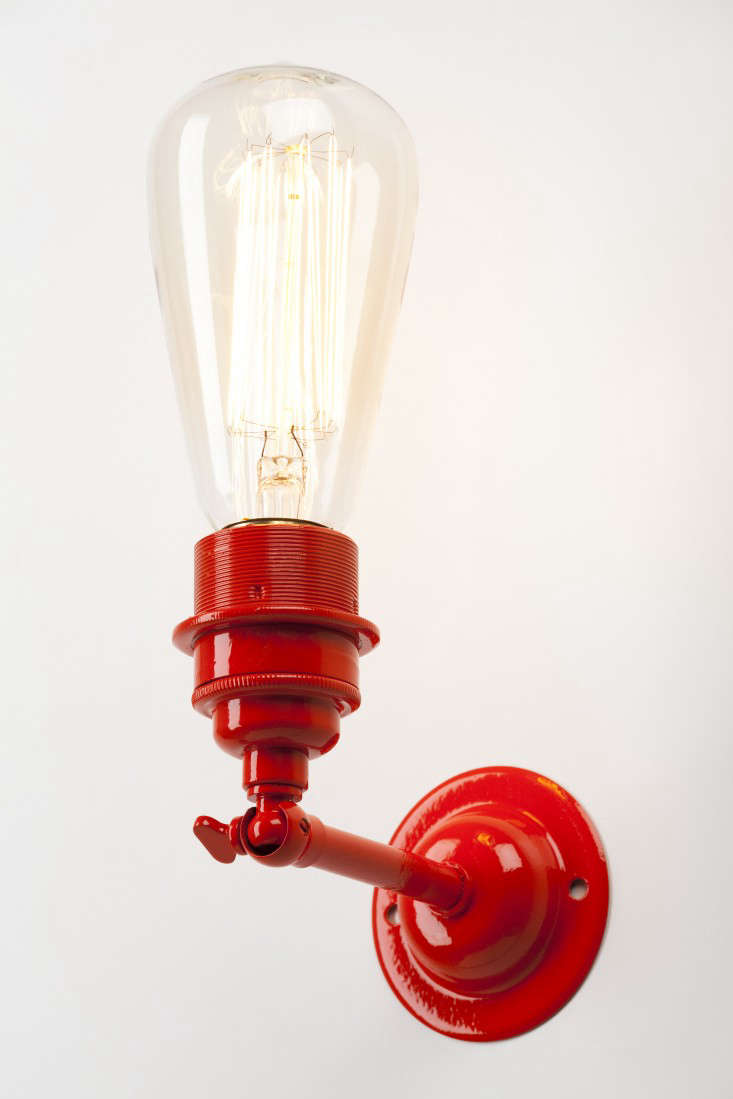
Industrial wall lights are the design world’s way of saying, “Yes, I am practical, but I also know how to make exposed screws look fashionable.” Once limited to factories, warehouses, workshops, docks, and old-school commercial buildings, industrial wall lighting has moved confidently into homes, restaurants, coffee shops, loft apartments, patios, offices, and even bathrooms that want a little more personality than a shy ceiling bulb.
The beauty of industrial wall lights is their honest character. They often feature metal shades, cage guards, gooseneck arms, matte black finishes, aged brass, galvanized steel, ribbed glass, visible bulbs, and clean mechanical lines. Instead of hiding their structure, they celebrate it. A good industrial wall light does not whisper from the corner. It clears its throat, rolls up its sleeves, and gets the room working.
But choosing the right fixture is not just about grabbing the most rugged-looking sconce and hoping your hallway suddenly becomes a Brooklyn loft. The best industrial wall lights balance style, scale, bulb temperature, safety rating, placement, and room function. When selected carefully, they can add warmth, texture, drama, and practical illumination without turning your home into an accidental machine shop.
What Are Industrial Wall Lights?
Industrial wall lights are wall-mounted fixtures inspired by the lighting once used in factories, barns, workshops, shipyards, warehouses, and utility spaces. Their original purpose was simple: provide strong, reliable light in environments where work happened. Modern versions keep that hardworking DNA but polish it for residential and commercial interiors.
Common industrial wall light designs include barn lights, cage sconces, swing-arm lamps, pulley-style fixtures, bulkhead lights, shaded sconces, pipe-style lights, and outdoor gooseneck lights. The materials are usually sturdy and tactile: steel, iron, brass, aluminum, glass, and sometimes wood or concrete. Finishes tend to be matte, weathered, brushed, oiled, or aged rather than overly glossy.
The result is lighting that feels grounded. Industrial wall lights can be bold without being fussy, decorative without being delicate, and timeless without pretending to be invisible. They are especially useful when a room needs both illumination and architectural presence.
Why Industrial Wall Lights Are So Popular
Industrial lighting has stayed popular because it solves a real design problem: many rooms look flat when they rely only on ceiling lights. Wall lights add a second layer of illumination, helping a space feel warmer, deeper, and more intentional. They also free up table and floor space, which is wonderful news for anyone whose nightstand is already hosting a phone charger, three books, lip balm, and a mysterious receipt from 2021.
Industrial wall lights also work across many design styles. In a modern farmhouse, they add sturdy charm. In a loft, they reinforce the architecture. In a minimalist room, they provide contrast. In a rustic cabin, they feel natural. In a contemporary home, a clean black metal sconce can sharpen the entire wall. Their versatility comes from the fact that industrial design is based on simple shapes and practical materials.
Popular Types of Industrial Wall Lights
1. Barn-Style Wall Lights
Barn-style industrial wall lights usually feature a curved metal shade and a gooseneck arm. They are popular over garage doors, kitchen sinks, entryways, mudrooms, and covered porches. The shade directs light downward, making this style useful for task lighting and outdoor visibility.
2. Cage Wall Sconces
Cage sconces use a metal wire guard around the bulb. Originally, cages protected bulbs in tough work environments. Today, they add texture and vintage attitude. They look great in hallways, bathrooms, staircases, laundry rooms, and casual dining areas. Pair them with warm LED Edison-style bulbs for a softer glow, unless you enjoy the interrogation-room lifestyle.
3. Swing-Arm Industrial Lights
Swing-arm wall lights are practical champions. Their adjustable arms allow you to direct light exactly where you need it, making them excellent for bedsides, reading corners, home offices, workshops, and craft areas. They deliver task lighting without taking up desk or table space.
4. Bulkhead and Marine-Style Lights
Bulkhead lights have a compact, protective design often associated with ships, utility corridors, and exterior walls. They usually include glass covers and metal guards. These fixtures are ideal for outdoor walls, bathrooms, basements, and spaces where you want a tough, slightly nautical industrial feel.
5. Pipe and Exposed-Hardware Lights
Pipe-style industrial wall lights use metal tubing, elbows, flanges, and exposed hardware as part of the design. They are bold, playful, and unapologetically mechanical. Used carefully, they can make a bar area, game room, workshop, or loft wall feel custom and creative. Used everywhere, they may make guests wonder when the plumbing inspection is scheduled.
Best Materials and Finishes
The finish of an industrial wall light has a major impact on the mood of the room. Matte black is the most versatile and works with modern, farmhouse, rustic, and transitional interiors. Aged brass adds warmth and sophistication, especially when paired with dark walls, wood cabinets, or marble surfaces. Galvanized steel feels casual and utilitarian, making it a strong choice for outdoor areas, laundry rooms, and farmhouse kitchens.
Oil-rubbed bronze provides a softer, vintage look. Brushed nickel and polished chrome can work in industrial spaces too, but they lean cleaner and more contemporary. For a more authentic old-factory feeling, look for slightly imperfect finishes, visible fasteners, ribbed glass, seeded glass, or powder-coated metal.
Durability matters as much as style. In damp or outdoor locations, choose fixtures specifically rated for those conditions. A beautiful indoor-only sconce placed on an exposed patio is not “character building.” It is a future electrical problem wearing a cute hat.
How to Choose the Right Industrial Wall Lights
Match the Fixture to the Room’s Function
Start by asking what the light needs to do. Is it for reading? Accent lighting? General brightness? Outdoor safety? Bathroom grooming? A hallway glow? Industrial wall lights can serve different purposes, but not every fixture can do everything.
For reading, choose an adjustable swing-arm sconce or a shaded fixture that directs light downward. For hallways, pick a slim sconce that does not stick out too far. For bathrooms, use damp-rated fixtures and consider frosted or opal glass to reduce glare. For entryways and porches, use wet-rated or outdoor-rated fixtures if the light will face rain, snow, or direct moisture.
Get the Scale Right
Scale is where many lighting mistakes happen. A tiny sconce on a large brick wall can look like a postage stamp trying to pay rent. A huge fixture in a narrow hallway can feel like it is about to introduce itself physically.
For standard interior walls, many sconces between 8 and 16 inches tall work well. For outdoor entryways, larger fixtures often look better, especially beside tall doors or wide garage openings. As a general design rule, the fixture should feel proportional to the door, mirror, bed, artwork, or architectural feature it supports.
Think About Projection
Projection is how far the fixture extends from the wall. This is especially important in hallways, staircases, and small bathrooms. A dramatic industrial arm may look fantastic online, but if it jabs everyone who walks by, it has become less of a light and more of a wall-mounted obstacle course.
For tight spaces, choose low-profile sconces or compact bulkhead designs. For reading nooks, bedsides, and desks, deeper projection can be useful because it brings the light closer to the work surface.
Bulbs, Brightness, and Color Temperature
Industrial wall lights often expose the bulb or put it behind clear glass, so the bulb becomes part of the design. LED bulbs are usually the best choice because they use less energy, last longer, and come in a wide range of shapes and color temperatures.
For cozy living spaces, bedrooms, restaurants, and reading corners, choose warm white bulbs around 2700K to 3000K. This range creates a comfortable amber glow that flatters wood, brick, leather, and warm metal finishes. For task-heavy spaces such as workshops, garages, laundry rooms, and utility areas, 3500K to 4000K can feel cleaner and brighter. Very cool bulbs above 5000K can look harsh in residential settings unless the goal is “operating room chic,” which is rarely the goal.
Brightness should be measured in lumens rather than watts. A decorative wall sconce may need only 300 to 600 lumens, while task lighting may require more. If the fixture has clear glass or an exposed bulb, consider a lower-lumen bulb or a dimmer to avoid glare. Dimmable lighting is one of the easiest ways to make industrial fixtures feel refined instead of raw.
Where to Use Industrial Wall Lights
Kitchen
Industrial wall lights work beautifully above open shelving, beside range hoods, over windows, or near breakfast nooks. A pair of black metal sconces above butcher block shelves can make a kitchen feel custom. Over a sink, a barn-style wall light provides focused task lighting and a charming focal point.
Bathroom
Industrial bathroom sconces can be mounted beside a mirror or above it. For the most flattering light, side-mounted sconces at roughly eye level usually perform better than a single overhead fixture. Look for damp-rated designs, especially in bathrooms with showers or limited ventilation. Frosted glass, opal shades, or diffused bulbs can soften shadows on the face.
Bedroom
Wall-mounted industrial reading lights are excellent beside beds. They save nightstand space and create a cozy hotel-like setup. Swing-arm styles are particularly useful because they can be moved for reading and pushed back when not in use. Choose warm bulbs and dimmers to keep the room relaxing.
Living Room
In living rooms, industrial wall lights can frame artwork, highlight built-ins, flank a fireplace, or create ambient evening light. They are especially effective against brick, concrete, shiplap, dark paint, or textured wallpaper. A single oversized sconce can also act as wall sculpture.
Hallway and Staircase
Hallways and staircases benefit from repeated wall lights because they create rhythm and improve visibility. Industrial sconces with compact shades or cage details add personality to spaces that are often ignored. Spacing fixtures evenly helps the design feel intentional rather than random.
Outdoor Spaces
Industrial outdoor wall lights are popular beside front doors, garage doors, patios, decks, sheds, and garden gates. Gooseneck barn lights and bulkhead fixtures are especially common. Always check the rating: damp-rated fixtures are suitable for covered areas with moisture, while wet-rated fixtures are designed for direct exposure to rain or snow.
Placement Tips for Better Results
For many interior wall sconces, mounting the center of the fixture around 60 to 66 inches from the floor is a practical starting point. This places the light near eye level for many adults and helps reduce glare. In hallways, multiple sconces are often spaced about 8 to 10 feet apart, depending on brightness and wall length.
Beside a bathroom mirror, place sconces around eye level and leave enough space between the fixture and mirror edge so the light spreads evenly. Beside a bed, the ideal height depends on mattress height and whether you read sitting up. A common approach is to place the light source slightly above shoulder height when seated.
Outdoor fixtures should be scaled to the door and mounted high enough to illuminate faces and pathways. For front entries, many designers place sconces near eye level or slightly above, while garage lights should be positioned to spread light evenly across the driveway and door area.
Industrial Wall Lights and Interior Design Styles
Industrial wall lights pair naturally with exposed brick, concrete floors, reclaimed wood, black-framed windows, metal railings, leather furniture, and vintage signs. But they can also create useful contrast in softer spaces. For example, a matte black sconce in a white bedroom can add definition. A brass industrial fixture in a traditional bathroom can make the room feel updated without losing warmth.
For modern farmhouse interiors, choose barn lights, black cage sconces, or galvanized finishes. For urban lofts, look for oversized metal shades, exposed bulbs, and dark finishes. For rustic spaces, oil-rubbed bronze, aged iron, and seeded glass work well. For modern interiors, choose simple silhouettes with clean lines and minimal ornament.
The trick is balance. If your room already has heavy wood beams, dark furniture, black hardware, and exposed brick, a very bulky industrial fixture may feel too intense. A cleaner sconce can keep the look sharp. If your room is plain and neutral, a bolder industrial light can provide the character the space is missing.
Common Mistakes to Avoid
Choosing Looks Over Light Quality
A fixture can be gorgeous and still produce terrible light. Clear glass and exposed bulbs can create glare, especially at eye level. If comfort matters, use frosted bulbs, lower lumens, warm color temperature, or dimmers.
Ignoring Safety Ratings
Bathrooms, covered porches, and exposed exterior walls require appropriate damp or wet ratings. Do not assume every metal fixture is outdoor-safe. Rust and electrical issues are not the kind of vintage charm anyone needs.
Installing Fixtures Too High or Too Low
Height affects both appearance and performance. A sconce mounted too high may cast awkward shadows. A sconce mounted too low may glare into your eyes or compete with furniture. Always measure before installation, and use painter’s tape to preview placement.
Using Too Many Industrial Elements
Industrial style works best when it has breathing room. If every item in the room looks like it came from a factory auction, the space can feel themed rather than designed. Mix industrial wall lights with softer textiles, plants, art, ceramics, rugs, and natural wood.
Maintenance and Cleaning
Industrial wall lights are usually easy to maintain. Dust metal shades regularly with a soft cloth. For glass shades, remove them carefully and wash with mild soap and water when needed. Avoid abrasive cleaners that can damage finishes. Outdoor fixtures may need more frequent cleaning because of pollen, dust, insects, and weather exposure.
Check bulbs periodically, especially in fixtures with cages or enclosed glass. If using LED bulbs in enclosed fixtures, confirm the bulb is rated for enclosed use. Heat buildup can shorten bulb life. For exterior lights, inspect seals, screws, and mounting plates occasionally to ensure the fixture remains secure and weather-resistant.
Smart Features and Modern Upgrades
Industrial design may look vintage, but it can work beautifully with modern technology. Smart LED bulbs allow you to adjust brightness, color temperature, schedules, and voice control without changing the fixture. Motion sensors are useful for outdoor industrial wall lights near garages, side doors, and pathways. Dimmers are ideal indoors because they let one fixture handle morning tasks, evening ambiance, and late-night snack missions.
Plug-in industrial wall lights are also a smart option for renters or anyone who wants the look without hardwiring. Many plug-in sconces include visible cords, which can actually fit the industrial style. Cord covers or fabric-wrapped cords can make the installation look cleaner.
Real-Life Experience With Industrial Wall Lights
One of the best things about industrial wall lights is how quickly they change the feeling of a room. In real homes, the difference is often more dramatic than people expect. A plain hallway with one ceiling light can feel flat and forgotten. Add two matte black cage sconces, and suddenly the hallway has rhythm, shadow, and character. It becomes a passage with intention instead of a place where laundry baskets go to block traffic.
In kitchens, industrial wall lights are especially rewarding. A gooseneck light over a sink does more than brighten dishes; it creates a visual anchor. The sink area starts to feel like a designed feature rather than a chore station. In one common setup, black barn lights above open wood shelves can tie together cabinet hardware, faucet finishes, and dark window frames. The result feels cohesive without needing a full remodel. Lighting is sneaky that way. It lets you upgrade the mood without making friends with demolition dust.
Bedrooms are another place where industrial wall lights prove their value. Bedside swing-arm sconces are practical because they clear space on nightstands and make reading easier. The key lesson from real use is to test the height before installing. Sit in bed with pillows arranged the way you actually use them, not the way they look in a catalog where nobody has ever spilled tea. The light should fall onto the book or tablet without shining directly into your eyes. A dimmable warm bulb makes the fixture much more comfortable at night.
Bathrooms require a little more planning. Industrial sconces can look fantastic beside a mirror, but clear bulbs may create harsh shadows. Frosted glass or diffused LED bulbs usually work better for grooming. Another practical experience: black fixtures show dust and water spots more than some people expect. They still look great, but they appreciate the occasional wipe-down. Consider it a small tax paid to the style department.
Outdoor industrial lights can make a home feel safer and more welcoming. A pair of appropriately rated barn lights beside a garage door adds curb appeal while improving visibility. Bulkhead lights near side doors are compact and tough, which makes them useful in narrow areas. The most important real-world rule is to respect weather ratings. A damp-rated light under a deep covered porch may be fine, but an exposed wall facing rain needs a wet-rated fixture. Outdoor lighting should look good, but it also has to survive the weather like a tiny metal warrior.
Another lesson from experience is that industrial wall lights work best when balanced with softer elements. Pair metal fixtures with warm wood, linen curtains, woven baskets, plants, or textured rugs. This keeps the room from feeling cold. Industrial lighting has strong bones; it needs a little softness around it so the space feels human.
Finally, do not underestimate dimmers. Many industrial fixtures have bold shapes and exposed bulbs, which means brightness can become intense quickly. A dimmer turns the same wall light from “task mode” to “dinner mode” to “I am wandering to the kitchen at midnight and do not wish to meet the full power of the sun.” That flexibility is what makes industrial wall lights not only stylish, but genuinely livable.
Conclusion
Industrial wall lights bring together function, character, and architectural style in a way few fixtures can. They can brighten a hallway, sharpen a kitchen, warm up a bedroom, improve outdoor safety, or give a bathroom a confident edge. Their appeal comes from honest materials, practical shapes, and a design language rooted in hardworking spaces.
The best industrial wall lights are chosen with more than appearance in mind. Consider the room’s purpose, fixture size, wall projection, bulb type, color temperature, brightness, dimming options, and safety rating. A well-selected fixture should look beautiful, feel comfortable, and do its job without drama. Unless the drama is visual drama. That kind is welcome.
Whether you prefer black barn lights, brass swing-arm sconces, wire cage fixtures, or rugged outdoor bulkhead lights, industrial wall lighting offers a reliable way to add depth and personality to your space. It is proof that practical design can still have style, charm, and just enough attitude to make a wall interesting.














