There was a time when “printing” meant paper, toner, and a mysterious office machine that jammed exactly five minutes before a meeting. Then 3D printing walked in wearing safety goggles and said, “What if we printed a lamp, a prosthetic hand, a tiny castle, a replacement dishwasher knob, and a dragon with movable joints?” Naturally, the internet applauded.
Today, 3D printing is no longer just a hobby for people who enjoy calibrating machines at midnight while whispering encouraging words to a spool of filament. It has become a serious creative tool for artists, engineers, doctors, teachers, cosplayers, home organizers, product designers, and everyday problem-solvers. From delicate resin jewelry to aerospace tools, from custom prosthetics to jaw-dropping home décor, additive manufacturing has turned digital ideas into touchable objects with remarkable speed.
This article celebrates 50 ingenious 3D printed creations that show how imagination, design software, and a heated nozzle can produce stunning results. Some are beautiful. Some are practical. Some are so clever they make you wonder why the object was not invented decades ago. Together, they prove that 3D printing is not just about making thingsit is about making things personal, useful, affordable, and wonderfully weird.
Why 3D Printing Turns Ordinary Ideas Into Stunning Objects
At its simplest, 3D printing builds objects layer by layer from a digital model. That sounds technical, but the magic is easy to understand: instead of cutting material away, the printer adds only what is needed. This opens the door to complex curves, hollow structures, lightweight patterns, custom-fit designs, and one-of-a-kind pieces that would be expensive or nearly impossible to make with traditional manufacturing.
Creators use different printing methods depending on the project. FDM printers melt plastic filament and are popular for home projects, tools, toys, and prototypes. Resin printers can capture tiny details, making them excellent for miniatures, jewelry, dental models, and decorative pieces. SLS and industrial additive manufacturing systems can produce strong, functional parts without the same support limitations as basic desktop machines. In plain English: there is a printer for the dragon, the dental crown, and the drone bracket.
The best 3D printed objects usually succeed because they solve a specific problem. They fit a real hand, a real shelf, a real cosplay helmet, or a real corner of the kitchen where chaos has been living rent-free. That is why 3D printing feels so personal. It rewards creativity at human scale.
50 Times People Used 3D Printing To Make Stunning Objects
1. Articulated Dragons That Wiggle Like Tiny Mythical Pets
Flexible, print-in-place dragons have become icons of the 3D printing world. Their segmented bodies move right off the print bed without assembly. They are part toy, part sculpture, and part “I need five more in different colors.”
2. Voronoi Lamps That Turn Plastic Into Luxury Décor
Voronoi patterns create organic, web-like shapes that look like coral, bone, or futuristic architecture. When used in lamp shades, they scatter light beautifully and make a humble desk lamp look like it came from an expensive design studio.
3. Custom Prosthetic Hands Built For Real People
Volunteer maker communities have shown how 3D printing can help produce affordable prosthetic hands and arms. The most stunning part is not only the engineeringit is the ability to customize size, color, comfort, and personality for the wearer.
4. Animal Prosthetics For Dogs, Ducks, and Turtles
3D printed animal prosthetics are proof that compassion sometimes wears a CAD file. Makers have produced custom wheels, beak supports, shell repairs, and limb devices for animals that need a second chance at moving around with dignity.
5. Anatomical Heart Models For Medical Planning
Doctors and educators use 3D printed anatomical models to visualize complex anatomy. A printed heart model can help medical teams explain procedures, plan operations, or teach students without relying only on flat images.
6. Surgical Guides That Fit A Patient’s Anatomy
In medical and dental settings, 3D printing can produce patient-specific guides. These objects may not look glamorous on Instagram, but they represent a beautiful kind of precision: tools shaped for one person’s body.
7. Dental Models, Crowns, and Clear Aligner Tools
Dental 3D printing has become one of the most practical uses of the technology. Printed models, surgical guides, temporary restorations, and aligner-related tools help speed up workflows while improving fit and repeatability.
8. Cosplay Armor That Looks Ready For A Movie Set
Cosplayers have embraced 3D printing like a superhero embraces dramatic lighting. Helmets, shoulder plates, gauntlets, masks, and props can be printed in sections, sanded, painted, and finished until they look like they escaped from a blockbuster.
9. Movie-Accurate Helmets With Swappable Parts
From sci-fi trooper helmets to fantasy warrior masks, 3D printing allows fans to create detailed wearable pieces. The best designs include ventilation, padding space, magnets, and modular components, because even fictional warriors appreciate comfort.
10. Tabletop Miniatures With Incredible Detail
Resin printing changed tabletop gaming forever. Miniature characters, monsters, terrain, ruins, ships, and accessories can be produced with sharp details that make a game night feel like a tiny cinematic universe.
11. Modular Dungeon Tiles For Role-Playing Games
Gamers can print interlocking dungeon floors, walls, doors, traps, barrels, bridges, and treasure chests. It is creative world-building with a side effect: your dining table becomes a medieval conflict zone.
12. Topographic Maps You Can Actually Touch
3D printed terrain maps transform mountains, valleys, coastlines, and national parks into tactile objects. They are beautiful for display, helpful for education, and especially meaningful for hikers who want to admire the trail without sweating.
13. Personalized Lithophane Lamps
Lithophanes are thin printed panels that reveal an image when backlit. Family portraits, pet photos, wedding pictures, and landscape shots become glowing keepsakes. It is basically a photo frame with a secret talent.
14. Parametric Vases With Impossible Curves
Parametric design lets creators generate flowing patterns, twisting surfaces, and mathematical textures. Printed vases can look handmade, futuristic, or alien in the best possible way.
15. Sculptural Wall Planters
3D printed planters can be geometric, self-watering, wall-mounted, modular, or designed to fit awkward corners. Add a succulent and suddenly the printer has become an interior designer.
16. Custom Chess Sets
People have printed chess sets inspired by architecture, animals, history, fantasy, science fiction, and abstract art. Because when your queen looks like a gothic cathedral, losing still feels classy.
17. Mechanical Clocks With Printed Gears
Functional printed clocks show off the engineering side of 3D printing. Gears, escapements, frames, hands, and pendulums can be designed, printed, assembled, and tuned into working kinetic art.
18. Kinetic Sculptures That Move With A Crank
3D printed kinetic sculptures use cams, gears, linkages, and clever tolerances to create motion. Birds flap, waves roll, flowers open, and tiny machines perform tiny miracles.
19. Replacement Parts For Household Repairs
A missing knob, broken clip, cracked bracket, or discontinued plastic part can turn into a DIY repair opportunity. Instead of throwing out an appliance, makers can measure, model, print, and replace the small part that failed.
20. Custom Drawer Organizers
One of the most satisfying 3D printing projects is the custom organizer. Kitchen tools, batteries, makeup, cables, screws, craft supplies, and desk clutter can finally stop living like raccoons in a junk drawer.
21. Cable Management Clips And Desk Helpers
Printed cable clips, under-desk hooks, headphone holders, laptop stands, and monitor accessories can transform a messy workspace. It is not glamorous, but neither is untangling seven charging cables before coffee.
22. Ergonomic Tool Handles
3D printing allows makers to create handles shaped for specific hands, grips, tasks, and accessibility needs. A screwdriver handle or garden tool adapter can be customized for comfort and control.
23. Workshop Jigs And Fixtures
In manufacturing and home workshops, 3D printed jigs can hold parts in place, guide drills, check alignment, or speed up repeated tasks. They may look simple, but they save time, reduce errors, and make work feel smoother.
24. Snap-Fit Enclosures For Electronics
Makers often print cases for Raspberry Pi boards, Arduino projects, sensors, battery packs, and custom gadgets. Snap-fit design means the parts can click together without screws, which feels deeply satisfying.
25. Drone Frames And Camera Mounts
3D printing is perfect for lightweight, customized drone parts. Creators print frames, landing gear, antenna mounts, camera brackets, and protective guards tailored to their equipment.
26. RC Car Bodies And Custom Chassis Parts
Remote-control hobbyists print wheels, bumpers, body shells, suspension pieces, and chassis upgrades. Breaking a part during a race becomes less tragic when a replacement can be printed before the next weekend.
27. Bicycle Accessories That Fit Perfectly
Bike light mounts, bottle cage adapters, phone holders, valve cap designs, and small repair tools are common 3D printing wins. The beauty is in the fit: the part can match the exact bike, rider, and need.
28. Camera Gear For Creators
Photographers and videographers print lens caps, cold shoe mounts, tripod adapters, filter holders, focus rings, and rig accessories. It is a practical way to solve niche gear problems without emptying the camera budget.
29. Musical Instruments And Experimental Sound Makers
Printed violins, flutes, ocarinas, guitar parts, whistles, and percussion pieces show how 3D printing can explore sound. Some are serious instruments; others are glorious noise machines. Both count as culture.
30. Jewelry With Intricate Geometry
Resin printing and castable materials allow designers to prototype rings, pendants, earrings, and bracelets with delicate detail. Some pieces are printed directly; others become molds for metal casting.
31. Fashion Accessories With Architectural Flair
3D printed handbags, buttons, buckles, shoe accents, eyewear frames, and statement pieces let designers experiment with shapes that fabric alone cannot create. Fashion meets engineering, and somehow nobody trips.
32. Custom Cookie Cutters
A 3D printer can make cookie cutters shaped like pets, logos, cartoon faces, wedding themes, initials, or inside jokes. This is dangerous knowledge if your family already expects themed desserts.
33. Cake Toppers And Party Decorations
Birthday names, wedding toppers, holiday ornaments, table markers, and themed props can be printed and painted for events. Suddenly the party has custom décor and the printer has become a tiny production studio.
34. Educational Molecule Models
Teachers and students can print molecules, DNA structures, crystal forms, and chemistry models. Abstract science becomes something students can rotate in their hands instead of squinting at a textbook diagram.
35. Historical Artifact Replicas
3D scanning and printing can reproduce artifacts for education, accessibility, and restoration. Museums and classrooms can use replicas to let people experience form and texture without risking the original object.
36. Architectural Scale Models
Architects use 3D printing to test massing, façade ideas, interior layouts, and urban planning concepts. A printed model communicates space faster than a flat rendering, especially to clients who do not speak fluent blueprint.
37. 3D Printed Buildings And Concrete Walls
Large-scale construction printers can extrude concrete-like materials to build walls and housing components. While still developing, the field has already produced real homes and experimental structures that suggest new ways to address labor, speed, and affordability challenges.
38. Bridges Made With Additive Manufacturing
3D printed bridges, including metal and concrete examples, show how additive manufacturing can scale beyond desktop objects. The results often look organic because the process allows flowing shapes and efficient structures.
39. NASA’s Printed Space Tools
One of the most famous examples is a ratchet wrench printed aboard the International Space Station. The idea of sending a digital file instead of waiting for a physical part feels like science fiction behaving responsibly.
40. Lightweight Aerospace Brackets
Engineers use generative design and additive manufacturing to create lightweight brackets with strong internal structures. These parts often look strange, almost skeletal, because the software removes unnecessary material.
41. Prosthetic Covers That Look Like Art
Beyond function, 3D printing can make prosthetic covers stylish and expressive. Floral patterns, geometric shells, superhero themes, and custom colors turn medical devices into personal design statements.
42. Accessibility Tools For Everyday Life
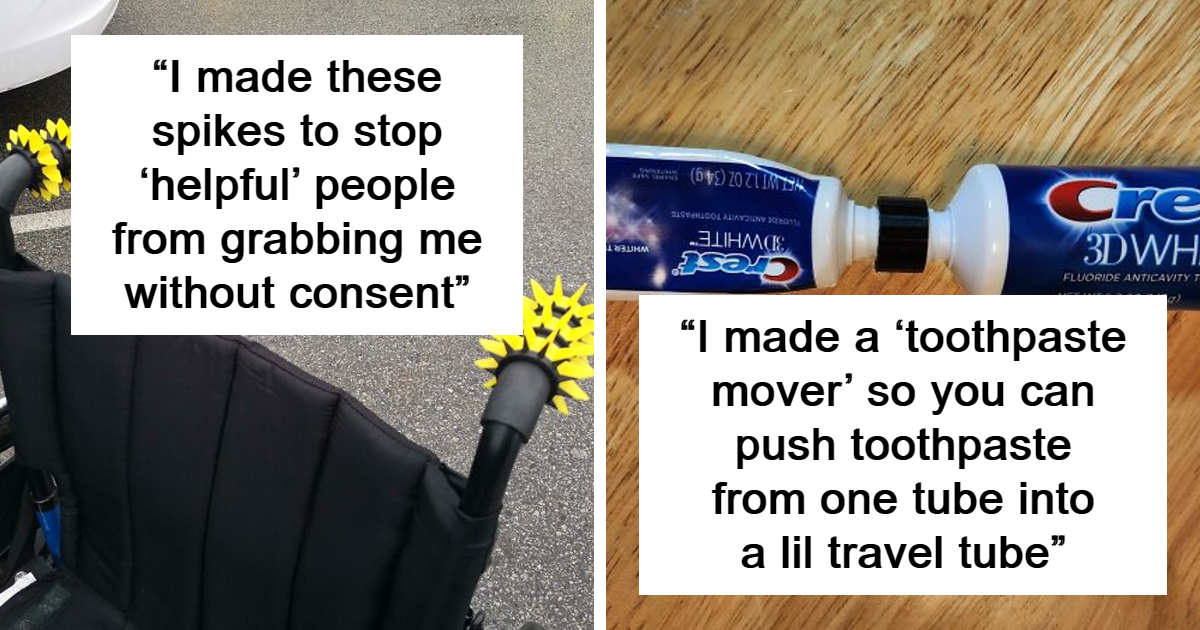
People print page holders, zipper pulls, cup holders, adaptive grips, wheelchair accessories, medication organizers, and switch mounts. These objects may be small, but they can make daily routines easier and more independent.
43. Pet Accessories With Personality
Custom name tags, feeding bowl stands, aquarium decorations, hamster tunnels, leash hooks, and toy parts are popular pet-related prints. Naturally, the cat will still prefer the cardboard box the filament came in.
44. Aquarium Decorations And Terrarium Structures
With safe material choices and careful finishing, makers create caves, towers, hides, and themed decorations for aquariums and terrariums. The creative range goes from natural rock shapes to tiny underwater castles.
45. Board Game Inserts
Printed board game organizers keep cards, tokens, dice, miniatures, and rulebooks in tidy compartments. Setup gets faster, cleanup gets easier, and no one has to ask where the tiny purple victory cubes went.
46. Custom Stamps And Texture Rollers
Artists print stamps, clay cutters, embossing tools, and texture rollers for ceramics, leather, paper crafts, and baking. It is a perfect blend of digital design and handmade creativity.
47. Outdoor Garden Tools And Plant Labels
Seed spacers, plant markers, hose guides, trellis clips, watering aids, and tool hangers are practical garden prints. A 3D printer may not weed the garden, sadly, but it can at least label the basil with dignity.
48. Lampshades Inspired By Nature
Creators print shades inspired by shells, honeycombs, leaves, mushrooms, and coral. With translucent filament or resin, the finished object can glow like something found in a futuristic forest.
49. Personalized Awards And Trophies
Schools, clubs, small businesses, and families print custom awards that feel more memorable than generic plaques. A fantasy football trophy shaped like a crying football? Yes, technology has peaked.
50. One-Off Inventions That Solve Oddly Specific Problems
The greatest 3D printed creations are often hyper-specific: a bracket for one shelf, a clip for one stroller, a mount for one webcam, a spacer for one wobbly chair. They are not mass-market products. They are personal solutions, and that is exactly why they matter.
What Makes These 3D Printed Objects So Impressive?
The most impressive 3D printing projects combine three ingredients: creativity, usefulness, and good design judgment. Printing a random cube is easy. Printing a lamp that diffuses light beautifully, fits an existing socket, uses material wisely, and does not look like a melted waffle takes skill.
Strong 3D printed objects also respect the limits of the process. Designers think about layer direction, wall thickness, supports, overhangs, material choice, heat resistance, flexibility, and finishing. A phone mount printed in soft TPU behaves differently from one printed in PLA. A resin miniature needs different care than a nylon industrial part. The printer is only part of the story; the design decisions make the object successful.
Another reason these creations stand out is customization. Traditional manufacturing is excellent at making thousands of identical objects. 3D printing shines when one object needs to be slightly different. That difference may be a name, a measurement, an angle, a medical scan, a hand shape, or a personal style preference. Customization is where 3D printing stops being a gadget and becomes a creative superpower.
How Beginners Can Start Making Stunning 3D Printed Creations
Start With Useful Objects
Beginners often want to print the most complicated dragon on day one. Ambition is admirable, but starting with useful objects teaches better habits. Try cable clips, drawer dividers, plant labels, small hooks, or a simple phone stand. These projects help you learn tolerances, bed adhesion, supports, and material behavior without emotionally bonding with a failed 22-hour print.
Learn Basic Design Software
Downloading models is fun, but designing your own objects is where 3D printing becomes addictive. Simple CAD tools can help you make custom brackets, organizers, nameplates, and replacement parts. Once you can measure a problem and model a solution, the world becomes full of printable opportunities.
Choose Materials Carefully
PLA is easy to print and great for decorative pieces, prototypes, and indoor objects. PETG offers better toughness and heat resistance. TPU is flexible and useful for grips, bumpers, and soft parts. Resin captures fine detail but requires careful handling and curing. No single material is perfect for everything, which is why experienced makers slowly become filament collectors with suspiciously full shelves.
Do Not Skip Finishing
Sanding, priming, painting, smoothing, polishing, and assembly can turn a decent print into a stunning object. Cosplay armor, decorative lamps, miniatures, and display pieces often look amazing because the maker invested time after printing. The printer creates the base; finishing creates the wow factor.
Experiences And Lessons From The World Of 3D Printing
Anyone who spends time around 3D printing quickly learns that the technology is both empowering and humbling. It gives you the ability to create objects from scratch, but it also teaches patience in the most theatrical ways. One moment, you are admiring a perfect first layer. The next, your printer has produced a spaghetti sculpture that looks like modern art having a nervous breakdown.
The first real lesson is that failure is part of the process. A failed print is not always wasted time. It can reveal that a model needs thicker walls, a different orientation, slower speed, better supports, or a more suitable material. Experienced makers do not simply “get lucky” more often. They learn how to diagnose problems. Warping, stringing, layer shifting, elephant’s foot, poor bridging, and support scars are all part of the vocabulary. It sounds annoying, but it is also what makes the hobby satisfying. Every fix feels earned.
The second lesson is that 3D printing changes how you look at everyday objects. A broken plastic clip is no longer automatically trash. A messy drawer becomes a design challenge. A poorly placed cable becomes a printable mount. You start measuring things with calipers and saying sentences like, “I can make a better version of this,” which is how normal people begin turning into makers.
The third lesson is that stunning results often come from small improvements. A beautiful lamp may begin as a simple cylinder with a pattern. A perfect organizer may start as a rectangle with compartments. A costume helmet may begin as a rough shell that becomes impressive only after sanding, filler primer, paint, magnets, padding, and a heroic amount of patience. The final object hides the learning curve, but the learning curve is where the real craft lives.
Community is another huge part of the 3D printing experience. Online model libraries, forums, maker spaces, and design communities allow people to share files, remix ideas, troubleshoot settings, and celebrate successful prints. A beginner can download a tested design, learn from comments, adjust slicer settings, and gradually understand why the model works. This shared culture is one reason 3D printing has grown so quickly. People are not just buying machines; they are joining a global workshop.
There is also a deeper satisfaction in making something that fits your exact life. Store-bought products are designed for average needs. 3D printed objects can be designed for your shelf, your hand, your desk, your pet, your hobby, your wheelchair, your camera, your board game, or your kitchen drawer. That is why even a tiny printed hook can feel exciting. It is not just a hook. It is proof that you can shape your environment instead of accepting it as-is.
Of course, responsible printing matters. Makers should consider material waste, safety, food contact limitations, ventilation, resin handling, heat resistance, strength requirements, and copyright rules. Not every printed object should be used structurally. Not every plastic is safe for every purpose. The smartest creators know when 3D printing is the right tool and when another method is better.
In the end, the most memorable 3D printed creations are not impressive only because they came from a machine. They are impressive because someone noticed a need, imagined a solution, and turned that idea into an object. That process feels almost magical, even when it involves glue sticks, failed supports, and a printer that occasionally sounds like a tiny robot arguing with itself.
Conclusion
3D printing has become one of the most exciting creative tools of the modern maker era. It can produce practical household fixes, personalized gifts, medical models, cosplay masterpieces, architectural prototypes, educational tools, workshop fixtures, and art objects that look impossible at first glance. The technology is powerful because it brings design closer to everyday life. You do not need a factory to solve a small problem. You need curiosity, a model, the right material, and enough patience to survive calibration.
The 50 creations above show the range of what people can make when digital design meets physical production. Some objects are stunning because they are beautiful. Others are stunning because they help someone move, learn, repair, organize, build, play, or express who they are. That is the real promise of 3D printing: not mass production, but meaningful creation.