
Note: This article discusses a public celebrity controversy without repeating demeaning language directed at children.
Celebrity feuds are nothing new. In fact, pop culture has practically built a second kitchen onto the house just to store them. But every now and then, a famous-person argument crosses a line so bright, so neon, so “please do not step over this” obvious, that fans collectively stop scrolling and ask the same question: “Is this real!?”
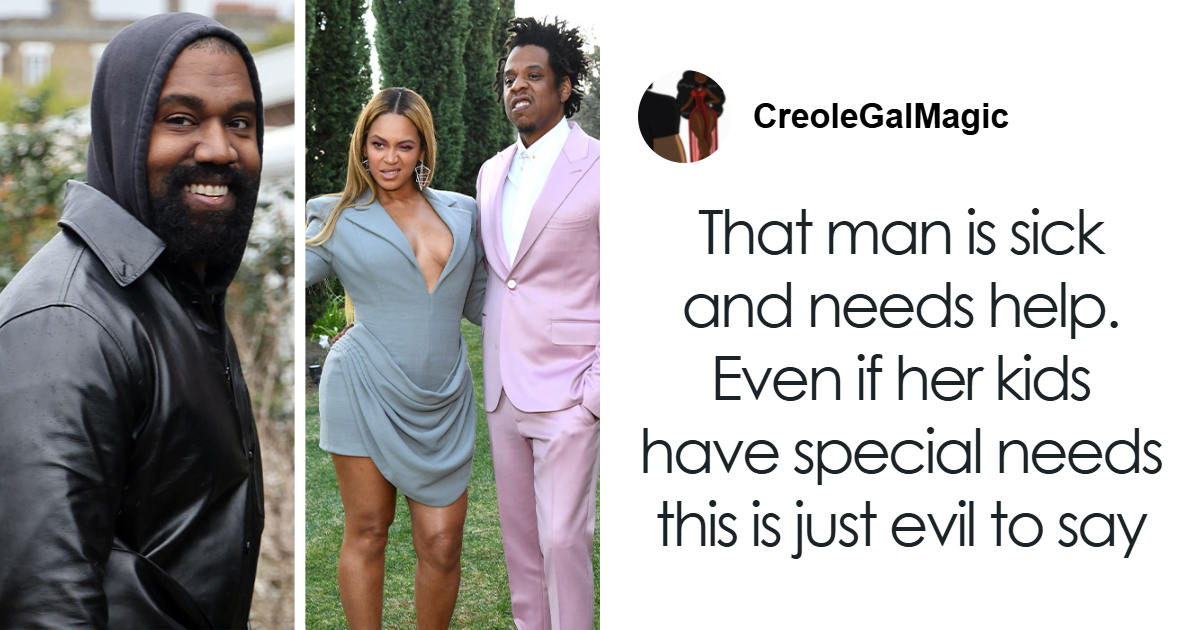
That was the reaction across social media after Ye, the artist formerly known as Kanye West, made disturbing comments about Beyoncé and Jay-Z’s children during a series of posts on X. The remarks targeted the couple’s younger twins, Rumi and Sir Carter, and sparked immediate outrage from Beyoncé fans, Jay-Z supporters, disability advocates, and even casual observers who normally treat celebrity drama like background noise while folding laundry.
The backlash was not simply about another celebrity saying something messy online. It was about an adult public figure dragging minors into a feud, using offensive language, and making comments many readers found cruel, unnecessary, and deeply uncomfortable. For fans of Beyoncé, an artist known for tightly protecting her family’s privacy, the moment felt especially invasive.
What Happened With Kanye, Beyoncé, Jay-Z, And The Carter Kids?
In March 2025, Ye posted a series of messages on X that referenced Beyoncé and Jay-Z’s children. The most widely criticized posts focused on Rumi and Sir Carter, the couple’s twins, who were seven years old at the time. Reports said Ye questioned the children in an offensive way, used ableist language, and made comments that many people viewed as targeting kids for shock value.
Ye later deleted at least one of the posts, but the internet, as everyone with a Wi-Fi router knows, does not come with an “undo” button. Screenshots circulated quickly, entertainment outlets covered the controversy, and fans began calling out the remarks as unacceptable.
For many people online, the issue was not complicated. Beyoncé and Jay-Z are two of the most famous entertainers in the world, but their children are still children. They did not release music, start a feud, give an interview, or ask to become part of a public argument. They were pulled into a conversation by an adult who has a huge platform, and that is exactly why the backlash hit so hard.
Why Fans Reacted So Strongly
Beyoncé’s fan base, often called the BeyHive, is famous for being protective. Sometimes that protectiveness becomes the stuff of internet legend. But in this case, the reaction went beyond typical fan loyalty. Many people who criticized Ye were not simply defending Beyoncé as a performer; they were defending a basic boundary: children should not be used as weapons in adult conflicts.
Fans described the comments as “disturbing,” “low,” “gross,” and “out of bounds.” Others focused on the ableist nature of the language reportedly used, arguing that disability and developmental differences should never be turned into insults. The outrage spread because the situation touched several sensitive issues at once: celebrity privacy, social media cruelty, family boundaries, and the casual use of harmful language online.
There was also a strong sense of disbelief. The phrase “Is this real!?” captured the mood perfectly because many fans initially thought the screenshots had to be fake. The comments seemed so unnecessary that people wanted confirmation before reacting. Once reports confirmed the posts, disbelief turned into anger.
Beyoncé’s Family Responded Without Turning It Into A Circus
Beyoncé and Jay-Z themselves did not rush into a messy public exchange, which is very on-brand. The Carters have long preferred silence, strategy, and the occasional world-shaking album rollout over public back-and-forth. But members of Beyoncé’s family did respond.
Tina Knowles, Beyoncé’s mother, addressed the situation on Instagram. Her response mixed humor, faith, and sharp disapproval. She condemned the negativity directed at her family and made clear that she saw the comments as harmful. Mathew Knowles, Beyoncé’s father, also criticized Ye’s remarks and suggested that hateful public statements can carry consequences in the entertainment industry.
Those responses mattered because they showed the family was aware of the controversy but not interested in turning the children into an even bigger public spectacle. Instead of repeating Ye’s words or escalating the feud, the family’s reaction emphasized protection, dignity, and disapproval.
Ye Later Apologized To Jay-Z
In April 2025, Ye publicly apologized to Jay-Z for the comments involving his and Beyoncé’s children. The apology became part of the larger conversation because many readers felt the original remarks had already done damage. Others questioned whether an apology directed mainly at Jay-Z fully addressed the harm of targeting the children and using offensive language.
That is one reason the story did not disappear immediately. In celebrity culture, apologies often become their own mini-events. People analyze the wording, the timing, the tone, and whether the person seems genuinely sorry or simply tired of the backlash. In this case, the criticism continued because the original target included minors, and fans were not eager to move on as if it were just another messy celebrity post.
The Bigger Issue: Kids Are Not Content
The strongest lesson from this controversy is simple: famous children are still children. They may appear on red carpets, attend award shows, or occasionally join a parent onstage, but that does not make them fair game for cruel public commentary. A child’s visibility does not cancel their right to basic respect.
This is especially important in the age of screenshots, reaction videos, quote-posts, and algorithm-powered outrage. A single cruel comment can be amplified by millions of people in a few hours. Even if the original post is deleted, the discussion around it can keep spreading. That means adults with major platforms have a responsibility to think before posting, especially when children are involved.
Beyoncé and Jay-Z have always been selective about how much of their family life they share. Blue Ivy Carter has appeared in public projects, including performances and voice work, but those moments have usually been framed around her talent and family support. Rumi and Sir have been kept more private. That privacy made Ye’s comments feel even more intrusive to fans.
Why Ableist Language Made The Backlash Worse
Another major reason the comments drew criticism was the reported use of ableist language. Words that mock disability or cognitive differences are not harmless throwaway insults. They reinforce stigma and make real people feel like their identities or conditions are being used as punchlines.
Public figures have extra influence here. When a celebrity with millions of followers uses harmful language, it travels fast. Fans may repeat it. Critics may quote it. Media outlets may describe it. The language becomes part of the conversation even when many people are condemning it. That is why responsible coverage often avoids repeating the exact wording and instead explains why the language was offensive.
The backlash against Ye was not only about defending Beyoncé’s kids. It was also about rejecting a style of online speech that treats cruelty as entertainment. In 2026, audiences are more aware than ever that “edgy” does not automatically mean “clever.” Sometimes edgy is just rude wearing sunglasses indoors.
Celebrity Feuds Hit Different When Families Are Involved
Ye and Jay-Z have a complicated public history. They were once close collaborators, most famously working together on Watch the Throne. Over the years, their relationship appeared to cool, with public comments, personal disagreements, and industry tensions becoming part of hip-hop lore.
But fans made a clear distinction between adult disagreements and attacks involving children. Jay-Z, Beyoncé, and Ye are adults with decades in the public eye. They have teams, platforms, and experience navigating criticism. Their children do not. That difference is the heart of the controversy.
Dragging kids into adult conflict changes the emotional temperature of a story. What might have been dismissed as another rant became something many readers saw as a moral line being crossed. People who normally ignore celebrity feuds suddenly had a reason to care because the target was not another mogul, rapper, or superstar. It was a family’s children.
How Social Media Turns Outrage Into A Public Trial
Social media moves faster than a group chat after someone types, “Don’t tell anyone, but…” Within minutes, screenshots can reach fan pages, entertainment blogs, Reddit threads, TikTok commentary, and Instagram carousels. By the time a celebrity deletes a post, the internet has already laminated it.
That speed helps explain why the Beyoncé fan reaction became a story of its own. The outrage was not hidden in a corner of X. It spread across platforms, with users asking whether the posts were real, condemning the remarks, and calling on people to leave children out of celebrity drama.
The reaction also shows how fan communities now function like informal watchdogs. They document, verify, criticize, and amplify. Sometimes that can get excessive, but in this case, many fans were pointing to a boundary most people understand: minors should not be mocked or targeted for attention.
What Brands And Public Figures Can Learn From This
For celebrities, influencers, and public personalities, the controversy offers a very practical lesson: not every thought needs a post. In fact, some thoughts need a snack, a nap, and possibly a trusted friend saying, “Absolutely not.”
Public figures often build their image on being unfiltered. That can feel authentic when the topic is creativity, business, or personal struggle. But when “unfiltered” turns into attacking children or using harmful language, the brand damage can be immediate. Fans, media outlets, and industry peers are increasingly unwilling to excuse cruelty as eccentricity.
For brands connected to public figures, controversies like this also create risk. Companies do not want to be pulled into a cycle of backlash, especially when children, disability language, or hate speech are involved. Even if a brand is not directly tied to a specific post, public sentiment can shift quickly when a celebrity becomes associated with repeated offensive behavior.
Why Beyoncé’s Silence Can Be Powerful
One of the most interesting parts of the story is what Beyoncé did not do. She did not turn the controversy into a public shouting match. She did not release a long statement. She did not give the internet a dramatic clapback to dissect for three business days.
That silence fits her long-running approach to fame. Beyoncé often lets the work speak, the visuals speak, the tour speak, and occasionally the family elders speak. In moments of controversy, silence can prevent the story from expanding. It can also deny the other person the attention they may be seeking.
For fans, however, silence does not mean indifference. The BeyHive filled the space with criticism, defense, and commentary. In a way, Beyoncé did not need to respond directly because the public reaction already made the message clear: leave the kids out of it.
The Experience Around This Topic: Watching A Line Get Crossed In Real Time
There is a specific feeling that comes with watching a celebrity controversy unfold in real time. At first, you see a headline that looks too outrageous to be true. Then you check another source. Then another. Then the screenshots appear, the fan accounts start posting, and suddenly your casual five-minute scroll becomes an accidental seminar on fame, privacy, parenting, disability language, and why everyone should probably have a “drafts only” mode after midnight.
The experience around the Beyoncé and Ye controversy felt different from ordinary celebrity gossip because the emotional center was not a luxury handbag, a breakup rumor, or a shady award-show seating chart. It was about children. That changes how people read the story. Even people who are not Beyoncé superfans could understand why fans were upset. Most people have a built-in alarm that goes off when adults target kids, and this story pressed that alarm with both hands.
For many readers, the situation also brought back memories of how harsh the internet can be toward celebrity children. Blue Ivy, for example, faced public commentary from a young age simply because her parents were famous. Over time, fans watched her grow into a poised performer, and many became more protective because they remembered how unfair early criticism could be. That history made the comments about Rumi and Sir feel like part of a larger problem: the internet often forgets that famous kids are not fictional characters.
Another experience tied to this topic is the uncomfortable speed of online outrage. People were not just reacting to Ye’s posts; they were reacting to reactions, screenshots, headlines, deleted posts, apologies, and family responses. The story became layered almost instantly. Someone could log on in the morning, see “Kanye,” “Beyoncé,” and “kids” trending, and by lunch feel like they had walked into a courtroom where everyone was yelling and the evidence was being updated every ten minutes.
That speed can be exhausting, but it can also reveal public values. In this case, the loudest consensus was not about chart positions, old friendships, or celebrity alliances. It was about boundaries. Fans were saying that entertainment should not require cruelty, that children should not be used for shock value, and that harmful language should not be brushed off as just another edgy celebrity moment.
There is also a lesson for everyday social media users. Most people do not have Ye’s platform, but everyone has the ability to post something impulsive and regret it later. The difference is scale, not principle. Before commenting on someone’s family, health, child, appearance, or private life, it is worth asking: “Would I say this if the person were standing in front of me?” And if the answer is no, congratulations, you have discovered the miracle of not posting.
The Beyoncé fan response may have been fierce, but it reflected something bigger than fandom. It showed that audiences are becoming less patient with public figures who confuse attention with accountability. Shock may still travel fast, but so does criticism. And when the target is a child, the internet’s tolerance gets very thin, very quickly.
Conclusion: The Internet Drew A Line
The backlash to Ye’s comments about Beyoncé and Jay-Z’s children was not just another celebrity dustup. It became a larger conversation about respect, privacy, disability stigma, and the limits of online provocation. Fans were angry because the comments targeted minors, used harmful language, and appeared to drag a private family matter into a public feud for attention.
In a culture where celebrity drama often becomes entertainment, this controversy reminded people that some boundaries still matter. Children are not props. Family members are not feud accessories. And being famous does not give anyone permission to turn someone else’s kids into content.
Whether people follow Beyoncé, Jay-Z, or Ye closely or not, the core takeaway is easy to understand: public figures can argue, disagree, compete, and criticize each other all they want. But when children become the target, fans are going to push back. Loudly. Quickly. And with enough screenshots to make deletion feel like a decorative gesture.











