
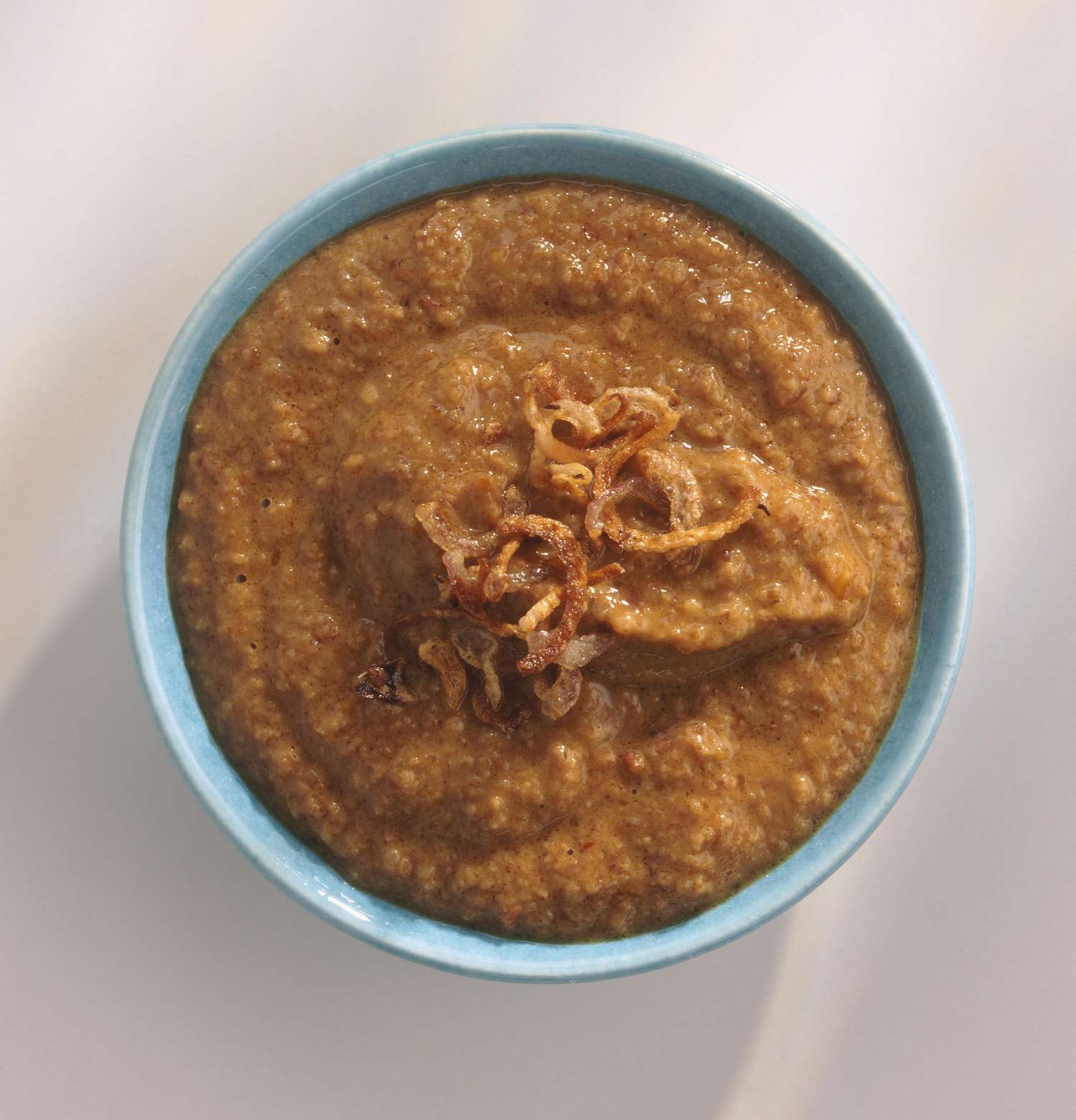
If your weeknight dinner has ever looked at you and whispered, “Please give me a personality,” this Japanese style garlic peanut sauce recipe is the answer. It is creamy, savory, lightly sweet, gently tangy, and bold enough to make plain noodles, grilled chicken, tofu, rice bowls, vegetables, and lettuce wraps taste like they were invited to a much cooler party.
This sauce takes inspiration from Japanese sesame-based sauces such as goma dare, the rich dipping sauce often served with hot pot, cold noodles, and vegetables. Instead of relying only on sesame paste, this version uses creamy peanut butter for a pantry-friendly twist, then balances it with soy sauce, rice vinegar, garlic, ginger, toasted sesame oil, and a touch of sweetness. The result is a Japanese-inspired peanut sauce that is smooth, flexible, and dangerously spoonable.
Best of all, you do not need a culinary degree, a shrine of specialty ingredients, or a blender that sounds like a small airplane. A bowl, a whisk, and about 10 minutes will get you there.
What Makes This Japanese Style Garlic Peanut Sauce Special?
Classic peanut sauces often lean Thai, Indonesian, Chinese, or Vietnamese depending on the ingredients used. This version takes a Japanese-style approach by focusing on balance: salty, sweet, sour, nutty, aromatic, and umami-rich without becoming heavy. Japanese cooking often values clean flavor, harmony, and restraint, so the sauce should taste layered rather than loud.
The garlic gives the sauce a warm bite, but it should not shout over everything else. The soy sauce brings salt and depth. Rice vinegar adds brightness. Toasted sesame oil contributes roasted aroma. Peanut butter gives body, creaminess, and a mellow nutty backbone. Ginger keeps the sauce fresh, while mirin or honey rounds the edges.
Think of it as the sauce equivalent of a well-dressed friend who looks effortless but definitely spent a few minutes choosing the right jacket.
Japanese Style Garlic Peanut Sauce Ingredients
This recipe uses simple ingredients that are easy to find in most American grocery stores. For the most authentic flavor, choose Japanese soy sauce, rice vinegar, and toasted sesame oil when possible.
Main Ingredients
- 1/2 cup creamy peanut butter: Use unsweetened or lightly sweetened peanut butter. Natural peanut butter works, but stir it well first.
- 3 tablespoons Japanese soy sauce: Regular soy sauce works, but Japanese-style shoyu gives a rounder, cleaner flavor.
- 2 tablespoons rice vinegar: This adds gentle acidity without tasting harsh.
- 1 tablespoon mirin or honey: Mirin gives a Japanese-style sweetness; honey is a convenient substitute.
- 1 tablespoon toasted sesame oil: A little goes a long way, so do not pour like you are watering a lawn.
- 2 garlic cloves, finely grated: Fresh garlic gives the best flavor.
- 1 teaspoon fresh grated ginger: Ginger brightens the sauce and balances the richness.
- 2 to 4 tablespoons warm water: Use this to thin the sauce to your preferred consistency.
- 1 teaspoon white miso, optional: Adds extra umami and a subtle fermented depth.
- 1 teaspoon toasted sesame seeds, optional: Great for texture and garnish.
- 1/2 teaspoon chili crisp, shichimi togarashi, or sriracha, optional: Use if you want gentle heat.
How to Make Japanese Style Garlic Peanut Sauce
This is a no-cook sauce, which means the hardest step is convincing the peanut butter to cooperate. Warm water helps loosen it quickly and keeps the final texture glossy instead of pasty.
Step 1: Whisk the Peanut Butter
Add the peanut butter to a medium mixing bowl. If it is very thick, microwave it for 10 to 15 seconds or let it sit near the stove while you prep the other ingredients. You want it soft enough to whisk smoothly.
Step 2: Add the Flavor Base
Whisk in the soy sauce, rice vinegar, mirin or honey, toasted sesame oil, garlic, ginger, and miso if using. At first, the mixture may look like it has made a terrible life choice. Keep whisking. Peanut butter often tightens before it loosens, but it will come together.
Step 3: Thin With Warm Water
Add warm water one tablespoon at a time until the sauce reaches your desired texture. For dipping, keep it thick and creamy. For noodles or salad dressing, add more water until it becomes pourable. The ideal texture should coat a spoon but still drip slowly.
Step 4: Taste and Adjust
This is where the sauce becomes yours. Too salty? Add a little more peanut butter or water. Too rich? Add a splash of rice vinegar. Not sweet enough? Add a touch more mirin or honey. Want more punch? Add extra garlic, ginger, or chili.
Step 5: Rest for 10 Minutes
Let the sauce sit for about 10 minutes before serving. This gives the garlic, ginger, soy sauce, and vinegar time to mingle politely. The flavor becomes smoother and more rounded after a short rest.
Recipe Card: Japanese Style Garlic Peanut Sauce
Yield
About 1 cup, enough for 4 servings as a dipping sauce or 3 servings as a noodle sauce.
Prep Time
10 minutes
Total Time
10 minutes
Ingredients
- 1/2 cup creamy peanut butter
- 3 tablespoons Japanese soy sauce
- 2 tablespoons rice vinegar
- 1 tablespoon mirin or honey
- 1 tablespoon toasted sesame oil
- 2 garlic cloves, finely grated
- 1 teaspoon fresh grated ginger
- 2 to 4 tablespoons warm water
- 1 teaspoon white miso, optional
- 1 teaspoon toasted sesame seeds, optional
- Chili crisp, shichimi togarashi, or sriracha to taste, optional
Instructions
- Place peanut butter in a medium bowl.
- Add soy sauce, rice vinegar, mirin or honey, toasted sesame oil, garlic, ginger, and miso if using.
- Whisk until the mixture starts to combine.
- Add warm water one tablespoon at a time, whisking after each addition.
- Continue until the sauce is smooth, creamy, and as thick or thin as you like.
- Taste and adjust with more vinegar, soy sauce, sweetener, garlic, or water.
- Top with toasted sesame seeds or a pinch of chili if desired.
- Serve immediately or refrigerate in a covered container.
Flavor Variations
One reason this homemade garlic peanut sauce is so useful is that it can change personalities faster than a dinner guest who discovers dessert is homemade. Start with the basic recipe, then adjust it based on what you are serving.
Spicy Japanese Peanut Sauce
Add 1 to 2 teaspoons of chili crisp, sriracha, or a pinch of shichimi togarashi. Shichimi togarashi is a Japanese seven-spice blend that usually includes chili pepper, citrus peel, sesame seeds, and other seasonings. It adds heat with a little complexity.
Citrus Ponzu-Style Peanut Sauce
Replace 1 tablespoon of soy sauce with ponzu for a brighter, citrusy version. This is excellent with grilled fish, steamed shrimp, cold soba noodles, and cucumber salad.
Miso Garlic Peanut Sauce
Add 1 to 2 teaspoons of white miso. Miso deepens the umami flavor and makes the sauce taste more savory. White miso is best here because it is mellow and slightly sweet.
Sesame-Forward Peanut Sauce
Add 1 tablespoon of tahini or Japanese sesame paste. This brings the sauce closer to the flavor of goma dare while keeping the creamy peanut base.
Vegan Japanese Peanut Sauce
Use maple syrup or sugar instead of honey. Check that your mirin is vegan-friendly if using it, and choose tamari if you need a gluten-free option.
Best Ways to Use Japanese Style Garlic Peanut Sauce
This sauce is not shy. It belongs on the table, in meal prep containers, beside grilled food, over noodles, and possibly on a spoon when nobody is watching.
1. Toss With Cold Soba Noodles
Cook soba noodles, rinse them under cold water, and toss with a few spoonfuls of sauce. Add sliced cucumber, shredded carrot, scallions, edamame, and sesame seeds. The nutty sauce clings beautifully to the noodles.
2. Drizzle Over Rice Bowls
Build a bowl with steamed rice, tofu, grilled chicken, salmon, roasted mushrooms, avocado, and pickled vegetables. Add the garlic peanut sauce on top and suddenly your leftovers have main-character energy.
3. Serve With Grilled Skewers
Brush chicken, beef, shrimp, or tofu skewers with a little soy sauce and oil, grill them, then serve this sauce on the side. It works especially well with smoky flavors.
4. Use as a Vegetable Dip
Serve it with cucumber sticks, carrots, radishes, snap peas, steamed broccoli, or roasted sweet potatoes. It is a great way to make vegetables disappear without launching a formal investigation.
5. Spoon Over Tofu
For a quick lunch, pan-sear tofu until golden, then drizzle with the sauce. Add sliced scallions, sesame seeds, and a little chili oil. Serve with rice or greens.
6. Make a Japanese-Inspired Slaw
Thin the sauce with extra rice vinegar and water, then toss it with shredded cabbage, carrots, scallions, cilantro, and crushed peanuts. It makes a crunchy side dish for grilled meats, burgers, or rice bowls.
Tips for the Best Texture
The secret to a smooth Japanese style peanut sauce is patience and warm water. Cold water can make peanut butter stiffen, while warm water helps it relax into a silky sauce. Add the water gradually instead of dumping it in all at once.
If your sauce looks separated, keep whisking. If it remains grainy, use a blender or immersion blender for 20 seconds. If it is too thick after refrigeration, add a splash of warm water and stir until it becomes creamy again.
Storage and Food Safety
Because this recipe contains fresh garlic and moisture, store it in an airtight container in the refrigerator. For best quality, use it within 3 to 4 days. Do not leave it sitting at room temperature for long periods, especially during warm weather.
Avoid storing fresh garlic mixtures in oil at room temperature. Garlic stored in low-oxygen, oil-rich environments can create food-safety risks if handled improperly. This sauce is safest when refrigerated promptly and handled with clean utensils.
Common Mistakes to Avoid
Using Too Much Sesame Oil
Toasted sesame oil is powerful. Use it as a seasoning, not as the main liquid. Too much can make the sauce taste bitter or heavy.
Skipping the Acid
Rice vinegar is essential because it cuts through the richness of the peanut butter. Without it, the sauce can taste flat.
Adding Water Too Quickly
Water controls the texture. Add it slowly so the sauce does not become thin before you can stop it.
Forgetting to Taste
Peanut butter brands vary widely in salt and sweetness. Always taste before serving and adjust the balance.
What to Serve With This Sauce
This Japanese-inspired garlic peanut sauce pairs well with many everyday meals. Try it with cold soba, udon noodles, rice bowls, grilled chicken, salmon, tofu, lettuce wraps, spring rolls, roasted eggplant, steamed broccoli, and cabbage slaw. It also makes a quick dipping sauce for dumplings, though dumpling purists may raise one eyebrow. Let them. They will still dip.
Experience Notes: What I Learned Making Japanese Style Garlic Peanut Sauce
The first time I made a Japanese style garlic peanut sauce, I expected it to behave like salad dressing. I imagined tossing everything into a bowl, whisking three times, and emerging with a glossy sauce worthy of a cooking show close-up. Instead, the peanut butter seized into a stubborn little lump and stared back at me like it had union representation. The lesson was immediate: add warm water slowly, and do not panic when the mixture looks strange at first.
After a few rounds of testing, I realized this sauce is all about balance. Peanut butter brings richness, but richness alone can feel heavy. Soy sauce brings salt, but too much makes the sauce taste sharp. Rice vinegar wakes everything up. Garlic adds confidence. Ginger adds lift. Toasted sesame oil brings that unmistakable roasted aroma, but only if used with restraint. The best version tasted creamy, savory, and bright at the same time.
One of my favorite ways to use it is with cold soba noodles on a busy weekday. I rinse the noodles until cool, toss them with the sauce, then add cucumbers, scallions, sesame seeds, and leftover rotisserie chicken or crispy tofu. The meal takes about 15 minutes and tastes far more intentional than “I assembled this while standing in front of the fridge.” It is also excellent for meal prep because the sauce can be made ahead and stirred back to life with a splash of warm water.
I have also learned that this sauce is friendly to improvisation. When I want something deeper, I add white miso. When I want something punchier, I add ponzu or extra vinegar. When dinner needs a little drama, chili crisp joins the party. For grilled foods, I keep the sauce thicker so it can be spooned on like a dip. For salads and slaws, I thin it until it drizzles easily.
The biggest practical tip is to taste the sauce with the food you plan to serve, not just from the spoon. A sauce that tastes slightly bold on its own may be perfect once it meets plain noodles, rice, tofu, or vegetables. On the other hand, a sauce that tastes perfectly mild from the spoon may disappear once mixed into a full dish. Adjusting at the end is not a failure; it is the secret handshake of good home cooking.
Japanese style garlic peanut sauce has become one of those back-pocket recipes that makes dinner feel easier. It turns simple ingredients into something cozy, nutty, and satisfying. It works with leftovers, supports vegetables like a loyal friend, and makes noodles taste restaurant-adjacent without requiring a reservation. That is a small kitchen victory, and frankly, we should celebrate those more often.
Conclusion
This Japanese style garlic peanut sauce recipe is creamy, savory, tangy, and endlessly useful. Inspired by Japanese sesame sauces and adapted with easy-to-find peanut butter, it brings together soy sauce, rice vinegar, garlic, ginger, sesame oil, and a touch of sweetness for a balanced homemade sauce. Use it for noodles, rice bowls, grilled proteins, tofu, vegetables, salads, and dipping platters. Once you master the basic formula, you can make it spicy, citrusy, miso-rich, vegan, or extra sesame-forward.
In other words, this is not just a sauce. It is a tiny jar of dinner insurance.













