
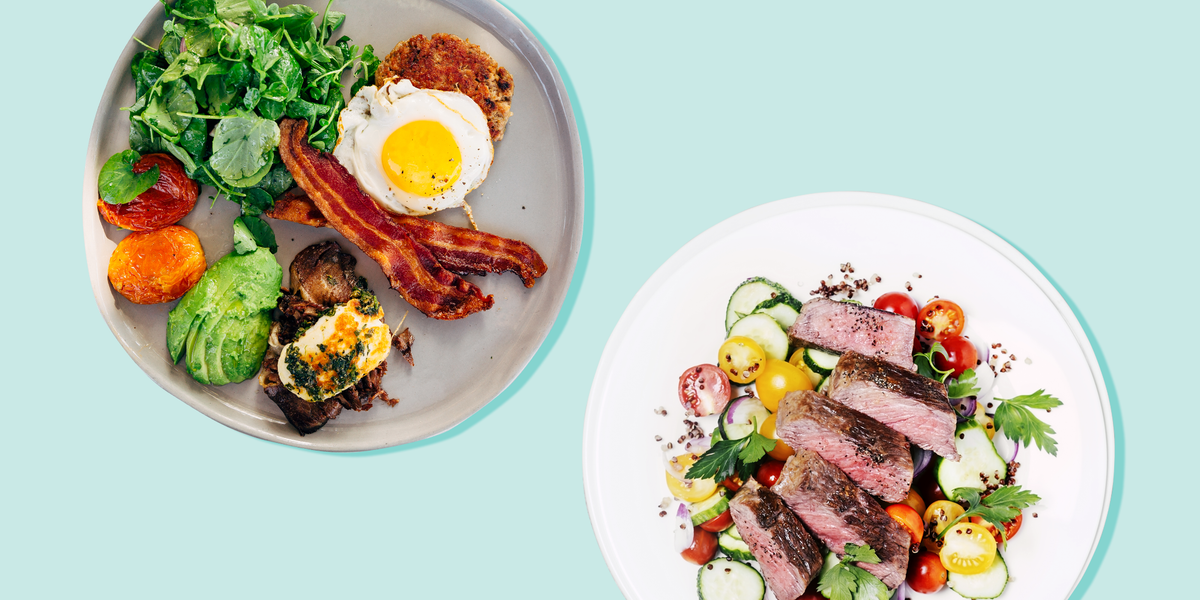
Starting the keto diet can feel like walking into a grocery store where half the foods suddenly have secret identities. Bread becomes “not today,” cauliflower becomes a superhero, and avocado gets promoted from sidekick to main character. The good news? Keto does not have to be confusing, expensive, or joyless. You do not need to live on bacon, butter, and motivational quotes. A smart keto diet plan focuses on real foods, balanced meals, and a clear understanding of what to eat and avoid.
The ketogenic diet, commonly called keto, is a very low-carb, high-fat, moderate-protein eating pattern designed to shift your body into a metabolic state called ketosis. In simple terms, when you eat very few carbohydrates, your body has less glucose available for energy. It then begins using fat and producing ketones as an alternative fuel source. For many beginners, the typical target is about 20 to 50 grams of net carbs per day, although individual needs vary depending on body size, activity level, medical history, and goals.
This beginner-friendly guide breaks down the keto diet foods list, what to avoid, how to build meals, and how to create a realistic keto meal plan without turning your kitchen into a science lab. Let’s make keto less mysterious and more manageable.
What Is the Keto Diet?
The keto diet is a low-carbohydrate diet that emphasizes fat as the main energy source. A traditional keto plan is usually high in healthy fats, moderate in protein, and very low in carbs. Unlike a general low-carb diet, keto is stricter because the goal is to stay in ketosis. That means foods like bread, rice, pasta, sugary drinks, most desserts, and many starchy vegetables are limited or avoided.
However, keto is not simply “eat cheese and hope for the best.” A well-planned ketogenic diet includes nutrient-dense foods such as eggs, seafood, poultry, meat, leafy greens, broccoli, zucchini, avocado, olive oil, nuts, seeds, and unsweetened dairy. The healthiest keto approach pays attention to food quality, fiber, hydration, electrolytes, and long-term sustainability.
How Keto Works in the Body
Carbohydrates are normally broken down into glucose, which your body uses for quick energy. When carb intake drops significantly, the body starts breaking down fat and producing ketones. This process can help some people manage appetite, reduce cravings, and lose weight in the short term. Some people also use medically supervised ketogenic diets for specific health conditions, especially certain forms of epilepsy.
Still, keto is not automatically right for everyone. People who are pregnant, breastfeeding, underweight, have a history of eating disorders, kidney disease, liver disease, pancreatitis, gallbladder problems, or diabetes treated with insulin or certain medications should speak with a healthcare professional before starting. Keto can affect blood sugar, cholesterol, digestion, hydration, and medication needs. Translation: your body is not a group project, but your doctor still deserves a seat at the table.
Keto Diet Foods List: What to Eat
A good keto foods list starts with whole, satisfying foods that are naturally low in carbohydrates. The goal is to build meals around protein, healthy fats, and low-carb vegetables.
1. Meat and Poultry
Beef, chicken, turkey, pork, lamb, and game meats are all keto-friendly because they contain little to no carbohydrate. Choose minimally processed options most of the time. Fresh chicken thighs, turkey burgers, steak, pork chops, and ground beef can all fit into a beginner keto meal plan.
Processed meats such as bacon, sausage, salami, and deli meats may also be low in carbs, but they can be high in sodium, preservatives, and saturated fat. Use them as occasional convenience foods rather than the foundation of your diet. Bacon is delicious, but it should not be your entire personality.
2. Seafood
Fish and shellfish are excellent keto foods. Salmon, sardines, trout, tuna, mackerel, shrimp, crab, and scallops provide protein and important nutrients. Fatty fish such as salmon and sardines are especially useful because they contain omega-3 fats, which support heart and brain health.
Most seafood is naturally low in carbs, but watch out for breaded fish, imitation crab, sweet sauces, and fried restaurant versions. A grilled salmon fillet with roasted asparagus and lemon butter is beautifully keto. A giant basket of fish sticks with fries is, sadly, not the same thing wearing a clever disguise.
3. Eggs
Eggs are one of the easiest keto foods for beginners. They are affordable, versatile, low in carbs, and rich in protein and fat. Scrambled eggs, omelets, boiled eggs, egg muffins, and crustless quiche can all fit into a keto breakfast or quick meal.
Pair eggs with spinach, mushrooms, avocado, cheese, or smoked salmon for a balanced plate. If you are tired of eggs after three days, that is normal. Keto beginners often overdo one food. Variety is your friend.
4. Low-Carb Vegetables
Non-starchy vegetables are essential on keto because they provide fiber, vitamins, minerals, and volume. Great keto vegetables include spinach, kale, lettuce, arugula, cabbage, cauliflower, broccoli, zucchini, cucumber, asparagus, green beans, mushrooms, peppers, celery, Brussels sprouts, and bok choy.
These vegetables help prevent the “all meat, no movement” problem that can happen when beginners forget fiber exists. Add vegetables to every meal when possible. A keto plate should still look colorful, not like a beige tribute concert.
5. Healthy Fats and Oils
Fat is the main fuel on keto, but quality matters. Prioritize olive oil, avocado oil, avocado, olives, nuts, seeds, and fatty fish. Butter, ghee, coconut oil, and cream can fit, but use them thoughtfully, especially if you are watching cholesterol or heart health markers.
Healthy fats make meals satisfying and help keep carbs low. Try olive oil on salads, avocado oil for cooking, butter on vegetables, or chia seeds in unsweetened yogurt. The goal is not to drink oil like a dare. The goal is to make low-carb meals satisfying enough to stick with.
6. Full-Fat Dairy
Cheese, plain Greek yogurt, cottage cheese, heavy cream, sour cream, and cream cheese can be keto-friendly in reasonable portions. Choose unsweetened products and check labels carefully. Flavored yogurts often contain added sugar, which can turn a “healthy snack” into dessert wearing gym clothes.
Hard cheeses such as cheddar, Swiss, parmesan, and mozzarella are typically low in carbs. Plain Greek yogurt and cottage cheese contain more carbs than cheese, so portion size matters. Dairy can be helpful, but it is easy to overeat, especially when cheese is involved. Cheese has a way of whispering, “Just one more slice,” like a tiny dairy villain.
7. Nuts and Seeds
Almonds, walnuts, pecans, macadamia nuts, chia seeds, flaxseeds, pumpkin seeds, hemp seeds, and sunflower seeds can fit into keto. They offer fat, fiber, minerals, and crunch. Choose unsweetened and uncoated varieties.
Portion control is important. Nuts are calorie-dense, and a “small handful” can become half the bag during one dramatic email. Measure portions at first until you get a feel for serving sizes.
8. Low-Carb Fruits
Most fruits are higher in carbs, but some can fit in small amounts. Avocado is the keto champion. Berries such as raspberries, blackberries, and strawberries may fit in modest portions. Coconut can also work if it is unsweetened.
Bananas, grapes, mangoes, apples, oranges, and pineapple are usually too high in carbs for strict keto portions. They are nutritious foods, but keto is about carb limits. A banana is not “bad.” It is just not invited to the ketosis party very often.
9. Keto-Friendly Drinks
Water should be your main beverage. Sparkling water, unsweetened tea, black coffee, and herbal tea are also good options. Some people use electrolyte drinks, especially during the first week, but choose sugar-free versions and check ingredients.
Avoid regular soda, sweet tea, fruit juice, energy drinks with sugar, sweetened coffee drinks, and most cocktails. Liquid carbs are sneaky because they do not feel like food, but your carb count notices them immediately.
Foods to Avoid on Keto
Knowing what to avoid is just as important as knowing what to eat. The following foods are usually too high in carbohydrates for a standard ketogenic diet.
1. Grains and Starches
Bread, rice, pasta, cereal, oats, tortillas, crackers, bagels, muffins, quinoa, barley, and most baked goods are not keto-friendly in typical servings. Even whole grains, while nutritious in many eating patterns, are usually too high in carbs for keto.
2. Sugar and Sweets
Candy, cookies, cakes, pastries, ice cream, regular chocolate bars, syrup, honey, maple syrup, and table sugar should be avoided. Also watch for hidden sugars in sauces, dressings, marinades, protein bars, and “healthy” packaged snacks.
3. Starchy Vegetables
Potatoes, sweet potatoes, corn, peas, winter squash, and most root vegetables are high in carbs. Small portions may fit in more flexible low-carb plans, but they usually do not fit strict keto well.
4. High-Sugar Fruits
Most tropical fruits and large servings of fruit can push carbs too high. Limit bananas, grapes, mangoes, pineapple, apples, pears, and dried fruit. Dried fruit is especially concentrated in sugar. Raisins are tiny, but they have big carb energy.
5. Beans and Legumes
Beans, lentils, chickpeas, black beans, kidney beans, and most legumes are nutritious but carb-heavy. They are often limited or avoided on keto. Peanut butter can sometimes fit because peanuts are lower in carbs than many legumes, but choose unsweetened varieties and use measured portions.
6. Low-Fat and Diet Packaged Foods
Low-fat foods often replace fat with sugar, starches, or fillers. Fat-free yogurt, low-fat salad dressings, and “diet” snacks may contain more carbs than expected. Always read labels. Keto beginners quickly learn that nutrition labels are not decorative stickers; they are the plot twist.
Simple Keto Plate Formula for Beginners
Use this easy formula when building meals:
- Protein: eggs, chicken, beef, fish, turkey, tofu, or seafood
- Low-carb vegetables: spinach, broccoli, zucchini, cauliflower, salad greens, or asparagus
- Healthy fat: olive oil, avocado, butter, cheese, nuts, seeds, or dressing with no added sugar
- Flavor: herbs, spices, lemon juice, vinegar, mustard, garlic, or low-carb sauces
For example, a beginner keto dinner could be grilled chicken thighs with cauliflower mash, roasted broccoli, and a side salad with olive oil dressing. Another option is salmon with zucchini noodles and pesto. For lunch, try a bunless burger bowl with lettuce, pickles, cheese, avocado, and sugar-free dressing.
Beginner Keto Meal Plan: 7-Day Example
This simple keto diet plan is designed for beginners who want structure without needing a culinary degree.
Day 1
Breakfast: Scrambled eggs with spinach and avocado.
Lunch: Chicken salad lettuce wraps with cucumber and cheese.
Dinner: Salmon with asparagus and cauliflower rice.
Day 2
Breakfast: Plain Greek yogurt with chia seeds and a few raspberries.
Lunch: Bunless turkey burger with side salad.
Dinner: Beef stir-fry with broccoli, mushrooms, and zucchini.
Day 3
Breakfast: Omelet with mushrooms, peppers, and cheese.
Lunch: Tuna salad over greens with olives and avocado.
Dinner: Pork chops with roasted Brussels sprouts.
Day 4
Breakfast: Boiled eggs with cucumber slices and cream cheese.
Lunch: Shrimp avocado salad with olive oil dressing.
Dinner: Chicken thighs with cauliflower mash and green beans.
Day 5
Breakfast: Egg muffins with sausage, spinach, and cheese.
Lunch: Cobb salad with chicken, bacon, egg, avocado, and blue cheese.
Dinner: Turkey meatballs with zucchini noodles and low-sugar marinara.
Day 6
Breakfast: Cottage cheese with walnuts and cinnamon.
Lunch: Lettuce-wrapped deli turkey with cheese and pickles.
Dinner: Steak with sautéed mushrooms and roasted broccoli.
Day 7
Breakfast: Fried eggs with avocado and sautéed kale.
Lunch: Chicken soup with low-carb vegetables.
Dinner: Baked cod with salad and cauliflower rice.
Keto Grocery List for Beginners
Here is a practical keto grocery list to make shopping easier:
- Proteins: eggs, chicken, turkey, beef, salmon, tuna, shrimp, pork, tofu
- Vegetables: spinach, romaine, broccoli, cauliflower, zucchini, asparagus, mushrooms, cucumber
- Fats: olive oil, avocado oil, butter, avocado, olives, nuts, seeds
- Dairy: cheddar, mozzarella, parmesan, plain Greek yogurt, cottage cheese, heavy cream
- Pantry items: almond flour, coconut flour, chia seeds, flaxseeds, unsweetened nut butter
- Flavor boosters: mustard, vinegar, herbs, spices, garlic, lemon, hot sauce, sugar-free dressing
Common Keto Mistakes Beginners Make
Eating Too Much Protein
Keto is moderate protein, not unlimited protein. Protein is important for muscle, fullness, and health, but extremely high protein intake may make it harder for some people to stay in ketosis. Build meals with protein, vegetables, and fat instead of turning every plate into a steak competition.
Ignoring Fiber
Constipation is one of the most common beginner complaints. Add low-carb vegetables, chia seeds, flaxseeds, avocado, and plenty of water. Your digestive system appreciates teamwork.
Forgetting Electrolytes
During the first week of keto, your body may lose water and sodium as carb intake drops. This can contribute to headaches, fatigue, dizziness, and muscle cramps, sometimes called the “keto flu.” Drinking water, salting food appropriately, and eating potassium- and magnesium-containing foods such as avocado, leafy greens, nuts, and seeds may help.
Depending on Keto Junk Food
Keto cookies, bars, cereals, and ice creams can be convenient, but they are still packaged foods. Some contain sugar alcohols or fibers that upset digestion. Use them occasionally, not as your daily food pyramid.
Is Keto Good for Weight Loss?
Many people lose weight on keto because the diet reduces high-calorie refined carbs, increases satiety, and may lower appetite. Early weight loss often includes water weight because stored carbohydrates hold water in the body. Fat loss can happen over time if overall calorie intake supports it.
The real question is not just “Can keto help me lose weight?” but “Can I follow this in a healthy way long enough to meet my goals?” Some people thrive on keto. Others feel restricted, miss fruit and grains, or struggle socially. A less strict low-carb diet may be more sustainable for some beginners.
Who Should Be Careful With Keto?
Keto can be risky for certain people without medical guidance. Speak with a healthcare professional before starting if you have diabetes, take blood sugar medication, have kidney disease, liver disease, pancreatitis, gallbladder disease, high cholesterol, heart disease, a history of disordered eating, or are pregnant or breastfeeding.
People with diabetes should be especially careful because keto can significantly affect blood glucose and medication needs. Do not adjust medication on your own. That is not “biohacking”; that is how people accidentally create problems.
My Practical Experience With the Keto Diet: What Beginners Should Know
The most useful lesson from trying a keto-style eating plan is that success depends less on perfection and more on preparation. Beginners often imagine keto as a dramatic lifestyle makeover where every meal is photogenic, every snack is measured, and every avocado ripens exactly on schedule. Real life is messier. Sometimes the avocado is a rock in the morning and guacamole by midnight. That is why planning matters.
A smart beginner experience usually starts with cleaning up the obvious carbs first: sugary drinks, desserts, white bread, pasta, chips, and sweet coffee drinks. This alone can make the transition easier. Jumping from a high-carb diet straight into strict keto overnight can feel like asking your body to switch operating systems without saving the file. A slower approach may work better for some people: reduce sugar first, then refined grains, then starchy sides, while increasing protein, vegetables, and healthy fats.
Meal prep is another game changer. Having boiled eggs, cooked chicken, washed greens, chopped cucumbers, cheese sticks, tuna packets, and avocados ready can prevent emergency decisions. And emergency decisions are where keto dreams often go to meet pizza. When hunger hits hard, nobody wants to debate net carbs with a refrigerator. They want food now. Keeping simple keto foods available makes the plan easier to follow.
Eating out is possible, but it takes strategy. At restaurants, beginner-friendly keto choices include bunless burgers, grilled chicken salads, steak with vegetables, omelets, fajitas without tortillas, or seafood with non-starchy sides. Ask for sauces and dressings on the side because hidden sugar loves restaurant sauces. A salad can go from keto-friendly to carb confetti with croutons, candied nuts, dried fruit, and sweet dressing.
Another important experience is learning that keto snacks are not always necessary. Many beginners snack constantly because they are nervous about hunger. But well-built keto meals are usually filling. If you do need a snack, choose something simple: cheese, olives, boiled eggs, celery with unsweetened peanut butter, cucumber with tuna salad, or a small portion of nuts. Avoid turning keto into an all-day grazing festival.
The first week can be strange. Energy may dip, cravings may appear, and the scale may move quickly because of water loss. Hydration and electrolytes can make a big difference. So can sleep. If you are sleeping four hours a night and blaming broccoli for your fatigue, broccoli would like a lawyer.
Long term, the best keto experience comes from flexibility and awareness. Track carbs at the beginning, read labels, notice how your body responds, and schedule checkups if you plan to continue. Pay attention to digestion, mood, workouts, cholesterol numbers, and overall satisfaction. Keto should help your life, not shrink it into a tiny list of “allowed” foods.
For beginners, the most realistic mindset is this: keto is a tool, not a religion. You can use it carefully, personalize it, and stop if it does not fit your body or lifestyle. A healthy plan should make you feel more capable, not trapped in a lifelong argument with a potato.
Conclusion
The keto diet can be a practical low-carb eating plan for beginners when it is built around real foods, smart planning, and realistic expectations. Focus on meat, seafood, eggs, low-carb vegetables, healthy fats, nuts, seeds, and unsweetened dairy. Limit or avoid sugar, grains, starchy vegetables, high-sugar fruits, and heavily processed foods. Keep meals simple, drink enough water, include fiber-rich low-carb vegetables, and pay attention to how your body responds.
Keto is not magic, and it is not the only path to better health. But for some people, it can be a useful structure for reducing carbs, managing appetite, and creating more intentional food choices. Start slowly, plan your meals, read labels, and get professional guidance if you have medical conditions or take medications. Your best keto plan is the one that is safe, sustainable, and compatible with your actual lifenot just your most ambitious Monday morning self.
Note: This article is for general educational purposes only and should not replace personalized medical advice. Anyone with a medical condition, taking prescription medication, or making major dietary changes should consult a qualified healthcare professional.














