Some kitchen objects politely do their jobs. Others walk into the room, put on a crisp white shirt, and make your countertop look like it finally got its life together. The Kaico Kettle at Chatchada belongs to the second group. It is not loud. It does not blink, beep, stream an app notification, or ask to update firmware while you are half-awake and trying to make tea. It simply sits therewhite enamel, warm wood, clean linesand somehow makes boiling water feel like a design decision.
The original appeal of the Kaico kettle was easy to understand: a Japanese enamel-coated steel kettle designed by Makoto Koizumi, paired with a beechwood handle and maple knob, offered at Chatchada as a quietly beautiful kitchen upgrade. Years later, that combination still feels fresh. In a world where many kitchen tools look like they were designed by a committee trapped inside a chrome factory, the Kaico kettle feels human. It is minimal without being cold, practical without being boring, and elegant without demanding that your kitchen also own a marble island and an emotional support espresso machine.
This article explores what makes the Kaico kettle special, why enamel kettles remain beloved, how the Chatchada connection helped introduce the piece to design-minded home cooks, and how this kettle fits into modern American kitchens where style, usefulness, and countertop space are constantly negotiating like tiny diplomats.
What Is the Kaico Kettle?
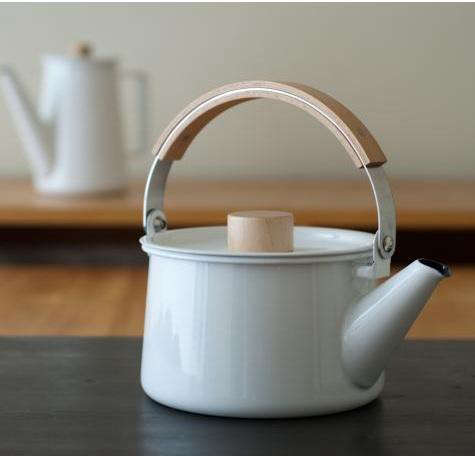
The Kaico kettle is a Japanese stovetop water kettle designed by Makoto Koizumi, a Tokyo-based designer known for everyday objects that balance utility and quiet beauty. The kettle is part of the broader Kaico enamelware series, which includes items such as pots, saucepans, coffee pots, and teapots. The design language is consistent: white enamel surfaces, natural wood details, simple shapes, and no unnecessary drama.
At its core, the Kaico kettle is made from enamel-coated steel. That means a steel body is coated with a glass-like enamel finish, creating a surface that is smooth, durable, and easy to clean when treated properly. The handle and knob bring in natural wood, creating a soft contrast against the bright enamel body. It is the kind of detail that makes the kettle feel less like a tool and more like a small piece of furniture for your stovetop.
The kettle’s approximate capacity is around 1.45 liters, or about 49 fluid ounces, depending on the retailer’s listing. That makes it large enough for a few generous mugs of tea, coffee prep, oatmeal water, or a small French press session, but not so enormous that it looks like you are preparing hydration for an entire hiking club.
Why Chatchada Made the Kaico Kettle Feel Special
Chatchada’s connection to the Kaico kettle matters because it placed the piece in front of design-conscious shoppers who cared about more than basic function. A kettle can boil water, yes. But a good kettle can also shape the mood of a kitchen. The Kaico kettle at Chatchada was not presented as a novelty gadget or a seasonal trend. It was presented as a refined everyday object: something useful, beautiful, and built to live in plain sight.
That distinction is important. Many people hide appliances and tools in cabinets because they disrupt the visual rhythm of the kitchen. The Kaico kettle does the opposite. It earns its place on the stovetop. Its white enamel body works with farmhouse kitchens, Scandinavian-inspired spaces, Japanese minimalist interiors, and even eclectic kitchens where the cutting board is vintage, the mugs do not match, and someone insists the basil plant is “doing fine” despite all evidence.
Chatchada helped frame the kettle as a kitchen design object, not just cookware. That framing still fits. The Kaico kettle is not only about boiling water; it is about slowing down a routine that many people rush through. It turns the daily act of making tea or coffee into something slightly more intentional.
The Design: Japanese Minimalism With Warmth
Clean White Enamel
The first thing most people notice is the white enamel finish. White can be risky in kitchens because it shows everything: fingerprints, splashes, mysterious specks, and the evidence of that one time you tried to pour soup while “multitasking.” But on the Kaico kettle, white is part of the charm. It makes the kettle look clean, calm, and almost architectural.
The enamel surface also gives the kettle a nostalgic quality. Enamelware has long been associated with hardworking kitchens, camping mugs, vintage cookware, and sturdy domestic tools. The Kaico kettle takes that familiar material and gives it a more refined profile. It feels old-fashioned and modern at the same time, which is a neat tricklike wearing classic jeans with very good shoes.
Beechwood Handle and Maple Knob
The wood details are not decorative fluff. They soften the kettle visually and make it more inviting to use. A metal-only kettle can look sleek but feel industrial. The Kaico kettle’s wood handle and lid knob add warmth, grip, and a handmade feeling. The contrast between white enamel and natural wood is one of the biggest reasons the kettle photographs so well and blends so easily with other kitchen pieces.
In practical terms, wood is also friendlier to the hand than bare metal. As with any stovetop kettle, users should still be careful around heat and steam. But the choice of wood shows that the design considered real use, not just showroom beauty.
A Shape That Respects Small Kitchens
The Kaico kettle has a compact, balanced silhouette. It is not trying to dominate the stovetop. It is wide enough to heat efficiently, but modest enough to work in apartments, galley kitchens, and homes where counter space is treated like prime beachfront property.
That matters because modern kitchen design is not only about luxury. It is about intelligent space. A good object must justify the room it occupies. The Kaico kettle does that by being useful every day and attractive enough to leave out.
Performance: How the Kaico Kettle Works in Real Kitchens
A kettle can be beautiful and still fail the morning test. The morning test is simple: can it get water hot without making you regret owning it before breakfast? The Kaico kettle performs well because it is straightforward. It is designed for stovetop use and is commonly listed as compatible with gas, electric, and induction cooktops. That flexibility gives it an advantage over kettles that only work on certain surfaces.
Its enamel-coated steel construction helps it heat efficiently, especially when used on an appropriately sized burner. The wide base supports better contact with the heat source, which is an important factor in stovetop kettle performance. A kettle with a small base may look cute, but if it heats slowly, that cuteness fades around minute seven when your tea bag is staring at you like it has lost faith.
The Kaico kettle also has a generous opening, which makes filling and cleaning easier. This is a quiet feature, but it matters. Anyone who has tried to clean a kettle with a tiny opening knows the experience can feel like performing surgery through a keyhole. A wider lid area means less fuss and better access.
Why Enamel Still Belongs in the Modern Kitchen
Enamel Is Smooth and Non-Reactive
One of enamel’s strengths is that it creates a glass-like coating over metal. In cookware, this type of surface is valued because it is smooth and non-reactive when intact. For a kettle, that means water touches a finished surface rather than bare reactive metal. While a kettle is not simmering tomato sauce or lemon curd, the principle still supports clean, neutral everyday use.
Enamel Is Easy to CleanWith the Right Habits
Enamel looks refined, but it is not invincible. The best way to care for an enamel kettle is to hand wash it with mild soap and a soft sponge, then dry it thoroughly. Avoid harsh scrubbers, metal tools, and aggressive cleaning powders that can scratch the finish. The kettle is a beautiful object, not a cast member in a kitchen wrestling match.
It is also smart to avoid sudden temperature shocks. Let the kettle cool before washing, and do not place a very hot kettle under cold running water. This kind of common-sense care helps preserve the enamel finish over time.
Enamel Has a Timeless Look
Kitchen trends change fast. One year everything is matte black. The next year everyone wants warm brass, fluted glass, mushroom beige, or appliances that look like they belong in a 1970s ski chalet. White enamel does not chase trends. It simply stays useful and attractive. That is one reason the Kaico kettle still feels relevant long after its Chatchada spotlight.
Kaico Kettle vs. Electric Kettle: Which One Makes More Sense?
Electric kettles are convenient, especially for people who want automatic shutoff, temperature control, or fast boiling without using the stove. They are excellent for tea lovers, coffee enthusiasts, busy parents, dorm rooms, and anyone who has ever wandered away from a stovetop kettle because their phone made a noise.
But stovetop kettles offer their own pleasures. They are simpler. They do not need an outlet. They can look more integrated with cookware. They also make the process feel more deliberate. The Kaico kettle is for people who enjoy that ritual. It suits someone who wants a kitchen object that works hard but also contributes to the atmosphere of the room.
If you need precise water temperatures for green tea, pour-over coffee, or specialty brewing, an electric temperature-control kettle may be more practical. If you want a beautiful everyday kettle for boiling water on the stove, the Kaico is a strong choice. In other words: choose electric for precision, choose Kaico for ritual, style, and that quiet “I have excellent taste” energy.
Best Uses for the Kaico Kettle
Morning Tea
The Kaico kettle is ideal for morning tea because it encourages a slower start. Fill it, place it on the stove, and let the kitchen wake up with you. It pairs especially well with black tea, herbal blends, mint tea, chamomile, and any beverage that makes you feel like you might answer emails with grace instead of panic.
French Press Coffee
For French press coffee, the kettle’s capacity is convenient. It can heat enough water for one or two servings without feeling oversized. Because it is not a gooseneck kettle, it is less precise for specialty pour-over coffee, but it works beautifully for French press, tea, instant coffee, hot cocoa, and general hot-water tasks.
Cooking Prep
Hot water is useful beyond drinks. You can use the kettle to speed up oatmeal, loosen a sauce jar, warm a teapot, prepare instant miso soup, or add hot water to a recipe. A stovetop kettle becomes surprisingly helpful once it is part of your routine.
Who Should Buy the Kaico Kettle?
The Kaico kettle is best for someone who values both design and function. It is not the cheapest kettle on the market, and it is not trying to be. It belongs in the category of everyday design objects: items you use often enough to justify choosing something better than basic.
It is especially appealing for people who love Japanese design, enamelware, minimalist kitchens, natural materials, and tools that age gracefully. It is also a thoughtful gift for someone setting up a new home, upgrading a kitchen, or trying to replace clutter with fewer, better things.
However, it may not be perfect for everyone. If you want a whistle, check the specific model before buying, because many design-forward kettles prioritize form over loud alerts. If you want digital temperature settings, this is not your kettle. If you want dishwasher convenience, enamel and wood details make hand washing the smarter route. The Kaico kettle rewards gentle ownership.
Styling the Kaico Kettle in an American Kitchen
The Kaico kettle is easy to style because it does not compete with other objects. In a white kitchen, it disappears elegantly into the palette. In a dark kitchen, it becomes a bright focal point. On open shelving, it can sit beside ceramic mugs, wooden boards, linen towels, or glass jars without creating visual clutter.
For a Scandinavian-inspired kitchen, pair it with pale wood, matte ceramics, and simple textiles. For a Japanese-inspired kitchen, keep the surrounding area calm: a tea canister, a small tray, and maybe a handmade cup. For a farmhouse kitchen, the enamel finish works naturally with butcher block counters, vintage linens, and open shelves.
The key is restraint. Do not overdecorate around it. The kettle already has presence. Give it room to breathe, and it will do the aesthetic heavy lifting while you pretend your spice drawer is organized.
Care Tips for Keeping the Kaico Kettle Beautiful
Use Medium Heat When Possible
High heat is rarely necessary. Use a burner size that matches the kettle base, and avoid flames licking up the sides on a gas stove. This protects the enamel exterior and wood details.
Do Not Boil It Dry
Boiling a kettle dry can damage the kettle and create a safety risk. Always make sure there is enough water inside before heating. This sounds obvious, but mornings are powerful enemies of common sense.
Hand Wash and Dry
Wash the kettle by hand with mild soap and a soft sponge. Dry it completely before storing or placing it back on the stovetop. Moisture left around seams or edges can shorten the life of many kitchen tools.
Avoid Abrasive Scrubbing
If stains appear, start gently. Soaking with warm water and mild dish soap is usually better than attacking the enamel with a scratchy pad. The goal is preservation, not revenge.
Design Analysis: Why the Kaico Kettle Still Feels Modern
The Kaico kettle remains appealing because it solves a design problem that many modern kitchens still face: how to make everyday tools attractive without making them precious. A kitchen object should not require a speech before use. Nobody wants a kettle that feels too delicate to touch. At the same time, most people appreciate tools that make the home feel more thoughtful.
Makoto Koizumi’s design succeeds because it uses familiar materials in a refined way. Enamel is practical and nostalgic. Wood is warm and tactile. The shape is simple. The color is versatile. Nothing about the kettle screams for attention, but everything about it feels considered.
This is why the Kaico kettle fits so well into the current movement toward “quiet luxury” and slow living, even though it predates those buzzwords. It does not need branding splashed across the side. It does not need a futuristic silhouette. It relies on proportion, material, and usefulnessthe old-fashioned ingredients of good design.
Experience Notes: Living With the Idea of the Kaico Kettle at Chatchada
Imagine bringing the Kaico kettle into a real kitchennot a perfect showroom kitchen, but an actual kitchen where someone has left a spoon in the sink, the coffee bag refuses to close properly, and the refrigerator contains three mustards for reasons no one can explain. This is where the kettle becomes interesting. Its beauty is not fragile. It does not require the rest of the room to be perfect. In fact, it often makes an imperfect kitchen feel more intentional.
The first experience is visual. You place it on the stove, step back, and suddenly the stovetop looks less like a utility zone and more like a styled corner. The white enamel brightens the space. The wood handle adds warmth. Even if the rest of the kitchen is still a work in progress, the kettle creates one little area of calm. It is the kitchen equivalent of making the bed: a small action that tricks the brain into believing order is possible.
The second experience is tactile. Lifting a stovetop kettle is different from pressing a button on an electric one. You become part of the process. You fill it, set it down, turn the burner, wait, pour, and return it to its place. That rhythm is simple, but it changes how the morning feels. Instead of hot water appearing instantly from a plastic base, there is a tiny ritual. Not a dramatic ritual involving chanting or linen robesjust enough ceremony to remind you that breakfast does not have to be a race.
The third experience is social. A kettle like this gets noticed. Guests may ask about it because it does not look generic. It looks chosen. That is one of the pleasures of good design: it starts conversations without shouting. Someone might say, “That kettle is beautiful,” and you get to casually respond, “It’s a Japanese enamel kettle,” while trying not to sound too pleased with yourself. You will fail, but gracefully.
The fourth experience is maintenance. The Kaico kettle asks for care, but not complicated care. Hand wash it. Dry it. Do not abuse the enamel. Do not treat it like a stainless steel stockpot that can survive anything short of a meteor strike. This small amount of attention actually builds attachment. Objects we care for tend to become objects we keep.
The fifth experience is long-term usefulness. Some kitchen purchases feel exciting for a week and then migrate to the back of a cabinet where they join the avocado slicer and the spiralizer of abandoned ambition. A kettle is different. Hot water is always useful. Tea, coffee, oatmeal, soup, warming a mug, prepping a recipethese are ordinary tasks, but ordinary tasks are exactly where good design matters most. The Kaico kettle improves something you already do, which makes it more valuable than a flashy gadget with one suspiciously specific purpose.
That is the real charm of the Kaico Kettle at Chatchada. It is not just a product; it is a reminder that the kitchen does not need to be filled with more things. It needs better things. A kettle can be humble and still elevate the room. It can be practical and still beautiful. It can boil water and somehow make your morning feel like it has a soundtrack.
Final Thoughts
The Kaico Kettle at Chatchada remains a compelling example of thoughtful kitchen design. It brings together Japanese minimalism, enamel-coated steel, natural wood, and everyday usefulness in a way that feels timeless rather than trendy. It is not for people who want every feature packed into one appliance. It is for people who appreciate simple tools that do their job beautifully.
In a kitchen full of blinking machines and overdesigned gadgets, the Kaico kettle offers something quieter: presence. It invites you to slow down, make tea, heat water, and enjoy an object that proves usefulness does not have to be ugly. That may sound like a lot to ask from a kettle, but this one seems perfectly comfortable with the assignment.