
There are two kinds of people in fall: the ones who hear a leaf blower and sigh, and the ones who grab a leaf rake like it is Excalibur for suburban battles. If you are in the second group, welcome. If you are in the first group, stay anyway, because a good leaf rake might just change your mind.
Leaf rakes are one of those humble yard tools that do not get much glory until the lawn disappears under a crunchy orange blanket. Then suddenly, this fan-shaped hero is the difference between a tidy yard and a backyard that looks like autumn staged a full takeover. But not all leaf rakes are created equal. Some are lightweight and springy. Some are tough enough to wrestle wet leaves, pine cones, and mystery twigs that seem to multiply overnight. And some are so awkward they make ten minutes of yard work feel like an upper-body betrayal.
If you want to buy the right rake, use it efficiently, and avoid turning leaf cleanup into a weekend-long grudge match, it helps to understand what a leaf rake actually does, which type fits your yard, and when raking makes sense versus when mowing or mulching is the smarter move. Let’s dig in.
What Is a Leaf Rake?
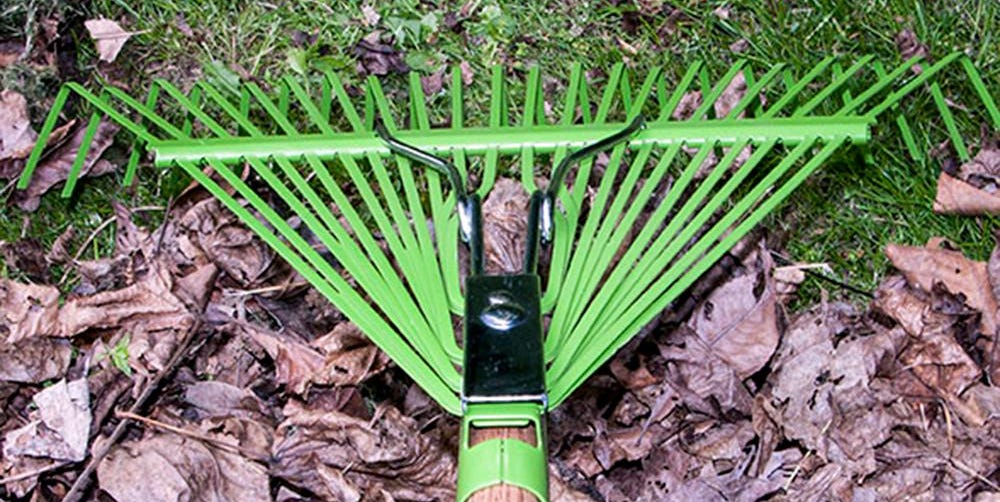
A leaf rake is a lightweight rake designed mainly for collecting dry leaves, grass clippings, light yard debris, and loose organic material from lawns and garden edges. The classic version has a fan-shaped head and flexible tines that skim across the surface instead of digging deeply into the soil.
That last part matters. A leaf rake is not the same thing as a garden rake. A garden rake usually has short, rigid metal tines and is built for tougher jobs such as leveling soil, spreading gravel, breaking up clumps, or removing thatch. A leaf rake, by contrast, is meant to be gentler on turf and easier on your body during repetitive sweeping motions. In other words, one tool says, “I’m here to clean up.” The other says, “I’m here to renovate the battlefield.”
Why Leaf Rakes Still Earn Their Spot in the Garage
Leaf blowers get all the noisy attention, but leaf rakes still make a lot of sense for many homeowners. They are quiet, affordable, simple to store, and surprisingly effective when used correctly. You do not need gas, batteries, chargers, or ear protection. You just need a decent rake, a little technique, and maybe a pep talk.
Leaf rakes are especially useful for smaller yards, tighter spaces, planting beds, fence lines, and areas where you want more control. They also shine when you are working around mulch, flowers, fresh seed, or delicate turf. A rake lets you move only what you want to move, instead of blasting half the yard into the neighbor’s driveway and calling it progress.
There is also the eco-friendly angle. A rake does not create engine noise, stir up as much dust, or require fuel. It is low-tech in the best possible way. Plus, a quick raking session doubles as light exercise, which is a nice bonus as long as you use good posture and do not try to rake the entire property like you are training for the Leaf Olympics.
Types of Leaf Rakes
Poly Leaf Rakes
Poly leaf rakes have plastic or resin tines and are often the first choice for general fall cleanup. They are lightweight, easy to maneuver, and gentle on grass. If most of your job involves dry leaves on a lawn, a poly rake is usually the easiest tool to live with. It glides well, does not rust, and works nicely for routine yard cleanup.
The downside is that plastic tines are not ideal for heavy-duty abuse. Wet leaves, gravel, compacted debris, and repeated scraping on rough surfaces can wear them out faster. Still, for average suburban leaf duty, a good poly rake is often the sweet spot between comfort and performance.
Steel Leaf Rakes
Steel leaf rakes are sturdier, more rigid, and better for tougher cleanup. If your yard is full of wet leaves, acorns, pine cones, small sticks, or stubborn debris that does not want to budge, steel tines bring more scraping power. They are also better for light dethatching and rougher surfaces.
That extra power comes with trade-offs. Steel rakes tend to be heavier, less forgiving on delicate turf, and a little more fatiguing during long sessions. They are a strong choice for large jobs or mixed debris, but they are not always the most comfortable option for every homeowner.
Shrub Rakes and Specialty Rakes
Shrub rakes have a narrower head and are useful for getting between bushes, under decks, along fence lines, and around tight landscape features. Adjustable rakes can shift from a narrow width to a wider fan shape, which is handy when one yard seems determined to offer every cleanup challenge at once.
You may also see “no-clog” leaf rakes. These are designed so the tines do not spear and hold leaves as much, making cleanup faster and less annoying. If you have ever stopped every third stroke to yank leaves off a rake by hand, you already know why this matters.
How to Choose the Best Leaf Rake
Match the Head Width to the Yard
For wide-open lawns, a broader rake head helps you cover more ground with fewer passes. A head in the 24- to 30-inch range is often a practical choice for general yard work. Smaller heads are better for compact yards or detailed cleanup around garden beds and hardscape edges.
Pay Attention to Handle Length
A handle that is too short forces you to hunch over, and your lower back will file a complaint immediately. A longer handle lets you stand more upright and rake with better posture. Many people are happiest with handles around 60 inches or more, especially if they are taller or working larger spaces.
Think About Handle Material
Wood handles feel classic and sturdy, but they can be heavier. Fiberglass and aluminum are lighter and often easier on the arms during longer sessions. Some premium rakes also add ergonomic grips or shaped shafts for better control and comfort.
Choose Tines Based on the Job
If you mostly clear dry leaves from grass, flexible poly tines are usually enough. If your cleanup includes wetter material, small branches, pine cones, or packed debris, a steel leaf rake may be the better buy. If your yard is a mix of everything, one general poly rake and one narrower or sturdier backup rake can be a smart combo.
Do Not Ignore Comfort
A rake can look great on a store shelf and feel terrible after ten minutes of real work. Comfort matters. A rake that is lightweight, balanced, and easy to grip will often outperform a heavier “tougher” tool simply because you can use it longer and with less strain.
When to Rake and When to Let the Mower Help
Here is the truth many homeowners appreciate: not every leaf needs to be raked. A thin layer of leaves on the lawn can often be mulched with a mower, especially when the leaves are dry and not packed down too heavily. Chopped leaves can return organic matter to the soil and save you a lot of time.
But when leaves pile up thickly enough to block light and smother the grass, it is time to rake, bag, compost, or otherwise remove them. Dense leaf cover can damage turf over winter, especially in shady areas or under large trees where leaves mat down fast. Wet leaves are even more troublesome because they cling together, get heavy, and are far less fun than the cozy autumn movies promised.
There is one more important exception: diseased leaves. If leaves have clear signs of disease, such as fungal issues from affected trees or shrubs, cleanup is more important. Those leaves should not simply be left in place on the lawn. In some cases, removing and disposing of or properly composting them is the best move for reducing disease carryover.
How to Rake Leaves Without Wrecking Your Weekend
Wait for the Main Drop
Do not rush out the minute the first leaf lands dramatically on the lawn. If your trees are still mostly full, early raking can turn one cleanup session into five. Waiting until most of the leaves have fallen is usually more efficient.
Work in Sections
Big yards feel less overwhelming when broken into smaller zones. Rake one area at a time and make manageable piles. This keeps the job from feeling endless and makes cleanup easier if the wind picks up.
Use Short, Controlled Strokes
Huge dramatic sweeps look impressive for about six seconds, then your shoulders start writing angry letters. Short strokes are more efficient and less tiring. Keep your back straight, switch sides regularly, and take breaks before your muscles force the issue.
Rake Onto a Tarp
One of the smartest tricks is also one of the simplest: rake leaves onto a tarp and drag the whole pile to your compost area, curbside bags, or garden beds. This saves countless trips carrying armfuls of leaves and reduces the odds of your pile rejoining the yard during one rude gust of wind.
Avoid Wet-Leaf Drama
Whenever possible, rake dry leaves. Wet leaves are heavier, harder to move, more likely to clog tools, and much less cooperative. If the yard is damp, consider waiting until later in the day or until conditions dry out a bit.
What to Do with Leaves After Raking
Once you have gathered the leaves, do not think of them as trash right away. In many yards, they are useful material.
Compost Them
Leaves are excellent brown material for compost. Mix them with greener, nitrogen-rich materials such as fresh grass clippings or food scraps, and they help build a balanced compost pile. Shredded leaves break down faster, but whole leaves can still be composted with a little patience.
Use Them as Mulch
Shredded leaves can work well as mulch around garden beds and ornamental plantings. They help suppress weeds, conserve moisture, and gradually improve soil structure as they decompose. Just keep mulch away from direct contact with tree trunks and plant crowns. Mulch volcanoes are still volcanoes, even when they are made of leaves.
Make Leaf Mold
If you have room, leaves can be piled on their own to break down into leaf mold, a crumbly material prized by gardeners for improving soil texture and moisture retention. It is not glamorous, but neither is most good gardening.
Use Local Yard Waste Programs
If you cannot compost or reuse the leaves, check your local yard waste collection rules. Paper lawn bags and municipal composting programs are usually better choices than sending leaves out with regular trash.
Common Leaf Rake Mistakes
One of the biggest mistakes is using the wrong rake for the job. A rigid garden rake can tear at turf, while an ultra-light leaf rake may feel underpowered on wet debris. Another mistake is over-cleaning every inch of the yard. A spotless lawn may look satisfying, but leaving some leaves in planting beds, naturalized corners, or under shrubs can support beneficial insects and wildlife.
People also make leaf cleanup harder by raking too early, raking wet material, or using poor body mechanics. The fix is simple: choose the right tool, wait for the right conditions, and work smarter instead of trying to reenact a heroic montage from a yard-care action movie.
Leaf Rakes vs. Leaf Blowers
This is not a blood feud. Both tools have a place. Leaf blowers are faster on very large properties and hard surfaces, while leaf rakes offer more precision, less noise, lower cost, and no fuel or battery dependence. Many homeowners actually do best with a mix of methods: mow what can be mulched, rake what needs control, and use powered tools only when the volume truly justifies it.
If your yard is modest in size, a good leaf rake might be all you need. If your yard is large, wooded, and determined to recreate a forest floor every weekend, a rake may still be your best finishing tool even if other equipment helps with the first pass.
How to Maintain a Leaf Rake
A leaf rake does not ask for much. Knock off debris after use, rinse off mud if needed, dry the tines, and store it indoors or under cover. Check bolts or fasteners occasionally, especially on metal rakes. If steel tines bend, straighten them gently before the rake starts pulling unevenly. A little care makes even a simple rake last much longer.
Real-World Experiences With Leaf Rakes
One of the most common experiences people have with leaf rakes is discovering that the cheapest rake is not always the cheapest solution. A homeowner with two mature maples might start the season with a bargain-bin rake and a brave attitude, only to realize by the second weekend that flimsy tines, a short handle, and a clunky grip make every job harder. After switching to a lightweight rake with a longer handle, the same person often finds the work goes faster and hurts less. Nothing magical happened. The tool simply matched the task better.
Another familiar experience happens in smaller yards. People assume they do not need a “real” leaf rake because the lawn is tiny. Then they spend an hour fighting leaves trapped under shrubs, stuck around porch steps, and gathered along fence lines. In these situations, a narrow shrub rake or adjustable rake can feel like a secret weapon. It gets where a wide rake cannot, and suddenly cleanup feels less like yard work and more like finally solving a puzzle that has been mocking you since October.
There is also the wet-leaf lesson, which almost everyone learns exactly once. It usually starts with good intentions after a rainy night. The leaves look manageable. The air is crisp. Coffee is involved. Then the rake hits the lawn, and every leaf sticks like it signed a lease. The piles get heavy fast, the tines clog, and the yard feels twice as large as it did yesterday. After that experience, most people become devoted believers in raking dry leaves whenever possible.
Gardeners often have a different experience with leaf rakes. For them, the rake is not just a cleanup tool. It is part of the whole fall routine. They rake leaves off the lawn, shred some for mulch, compost the rest, and leave a few tucked into beds or quiet corners for winter habitat. In that setting, the rake becomes less about “getting rid of leaves” and more about moving organic material to the right place. It is a subtle shift, but it changes the whole mood of the chore.
Then there are homeowners with large, tree-heavy yards who eventually learn the value of teamwork between tools. They may use a mower for light coverage, a blower for hardscape, and a steel or poly leaf rake for the final pass around lawn edges, beds, and tight spots. Their experience is usually the same: the rake remains the finishing tool that actually makes the yard look done. Machines can move leaves around, but the rake gives the cleanup that neat, intentional look.
Perhaps the most charming leaf-rake experience is the one that has nothing to do with efficiency at all. A person heads outside expecting a chore and ends up with a small seasonal ritual. The air smells like wood smoke. The leaves sound like potato chips underfoot. A kid jumps into the pile before it is bagged. A dog sprints through the rows like it has important leaf-based business. By the end, the yard looks better, the body feels pleasantly worked, and the humble rake has quietly done what good tools do best: made the job simpler without demanding attention for itself.
Final Thoughts
A good leaf rake is simple, but it is not trivial. The right model makes fall cleanup faster, easier, and less punishing on your back. It helps protect your lawn when leaf cover gets too thick, gives you more control than louder powered tools, and turns a tedious chore into something closer to manageable. Sometimes even satisfying.
If you mostly clean dry leaves from turf, a lightweight poly leaf rake is usually a safe bet. If your yard throws wet leaves, sticks, pine cones, or heavier debris into the mix, a steel leaf rake may earn its keep. And if your garden has tight corners, shrubs, or delicate beds, a narrower specialty rake can save both time and patience.
In the end, the best leaf rake is the one that fits your yard, your body, and the way you actually work. Because when the leaves start falling in earnest, your future self will be very grateful that you chose wisely.
Note: Clean body-only HTML, written in standard American English, with publication-ready formatting and no extra source artifacts.












