
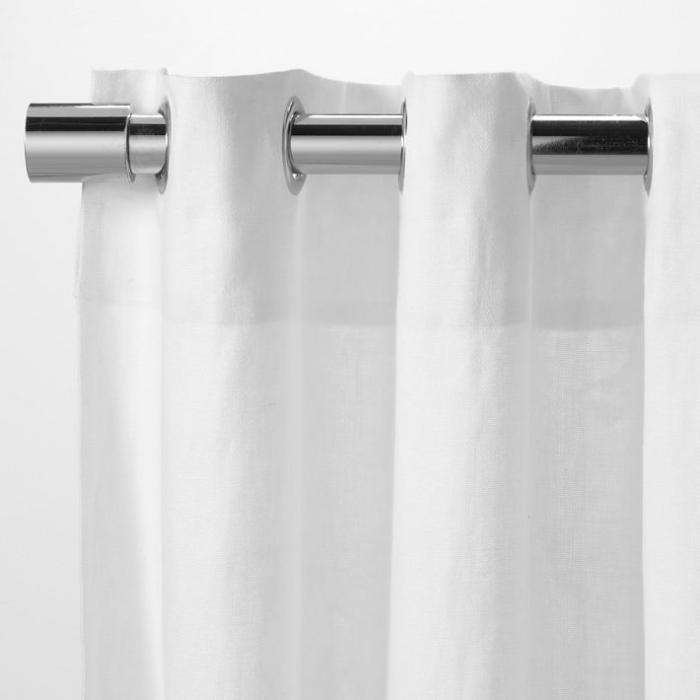
A linen cotton grommet window panel is one of those home upgrades that sounds simple until you hang it up and suddenly your room looks like it has a passport, a savings account, and better posture. It combines the natural texture of linen, the softness of cotton, and the easy-slide convenience of metal grommets. In plain English: it is a curtain panel that looks relaxed, feels breathable, hangs neatly, and does not require you to wrestle with hooks, clips, or tiny rings that disappear into the carpet like they owe you money.
Whether you are refreshing a living room, softening a bedroom, dressing a dining nook, or trying to make a rental apartment feel less “temporary beige box,” linen cotton grommet curtains offer a smart balance of beauty and function. They bring in texture without shouting, filter daylight without turning the room into a cave, and work with many American home stylesfrom coastal and farmhouse to modern organic, transitional, minimalist, and “I bought this couch on sale and now need the room to make sense.”
This guide explores what makes linen cotton grommet window panels popular, how to choose the right size, where they work best, how to style them, how to care for them, and what real-life experience teaches after actually living with them. By the end, you will know whether this window treatment belongs in your homeand how to avoid the classic curtain mistakes that make windows look like they borrowed pants that are too short.
What Is a Linen Cotton Grommet Window Panel?
A linen cotton grommet window panel is a single curtain panel made from a blend of linen and cotton fibers, designed with round metal openingscalled grommetsalong the top. The curtain rod slides directly through those grommets, creating clean, even folds when the panel is hung.
The fabric blend is the star of the show. Linen, made from flax fibers, is loved for its airy texture, natural slub, relaxed drape, and casual elegance. Cotton adds softness, familiarity, and a smoother hand feel. Together, linen and cotton create a fabric that looks organic but not messy, polished but not stiff, and cozy without feeling heavy.
Grommets make the panel practical. Instead of attaching hooks or clips, you simply thread the rod through the metal rings. This makes installation fast and movement smooth. If you open and close your curtains every day, grommet panels are especially convenient because they glide more easily than many pocket-top curtains.
Why Linen and Cotton Make Such a Good Team
Linen and cotton are both natural fibers, but they behave differently. Linen has structure and texture. Cotton has softness and easy comfort. When blended, they create a curtain fabric that offers the best of both personalities: linen is the effortlessly cool friend who owns handmade ceramics, while cotton is the dependable friend who brings snacks and remembers your birthday.
Natural Texture Without Too Much Wrinkle Drama
Pure linen is gorgeous, but it wrinkles easily. That relaxed, rumpled look is part of its charm, but not everyone wants curtains that appear to have spent the weekend in a suitcase. Cotton can help soften the texture and make the fabric feel a little more approachable. A linen cotton blend still has visible character, but it often looks slightly smoother and more casual than formal linen drapery.
Lightweight Comfort With Better Drape
Linen cotton curtains usually drape better than many synthetic panels because the natural fibers have movement. They do not look plasticky, overly shiny, or stiff. The result is a window treatment that hangs with soft vertical folds and adds warmth to the room even when the color is neutral.
Breathability and Seasonal Versatility
Because linen and cotton are breathable materials, these curtains feel right in all seasons. In spring and summer, they create an airy, breezy mood. In fall and winter, the texture adds coziness without making the room feel visually heavy. For homes that change decor by season, linen cotton panels are a reliable foundation.
The Beauty of the Grommet Top
The grommet top is one of the biggest reasons people choose this style. Grommet window panels have metal rings built into the header, which means the curtain rod passes through the panel itself. The look is clean, modern, and easy to understand. No complicated pleats. No hidden hardware. No “which side of the hook faces the wall?” crisis.
Easy to Open and Close
Grommet panels slide smoothly along a curtain rod, especially when paired with a rod that fits the grommet diameter properly. This makes them excellent for windows you use daily, such as living room windows, patio doors, bedroom windows, and home office windows where glare changes throughout the day.
Even Folds Without Professional Installation
Because the grommets are evenly spaced, the fabric naturally falls into consistent waves. That gives the panel a neat, structured appearance without needing custom pleating. For homeowners and renters who want a designer-ish look without calling an installer, grommet curtains are a friendly choice.
A Modern but Flexible Style
Grommet curtains often lean modern or transitional, but linen cotton fabric softens the look. A matte black grommet can feel crisp and contemporary. Antique brass can look warm and classic. Brushed nickel or silver grommets pair well with cool-toned rooms. The hardware finish matters, so choose one that relates to your curtain rod, lighting, cabinet pulls, or furniture legs.
Light Filtering, Room Darkening, or Blackout?
Not all linen cotton grommet window panels perform the same way. Some are unlined and softly filter daylight. Others include a liner for privacy, insulation, or room darkening. A few are designed with blackout backing to block most light.
Light-Filtering Panels
Light-filtering linen cotton panels are ideal for living rooms, dining rooms, breakfast nooks, home offices, and spaces where you want daylight without harsh glare. They soften sunlight, reduce the exposed feeling of bare glass, and create a warm glow. They usually do not provide complete privacy at night when indoor lights are on, so consider your window location before using them in bedrooms or street-facing spaces.
Room-Darkening Panels
Room-darkening curtains reduce more light than light-filtering panels but do not always create full darkness. They are a practical middle ground for bedrooms, media rooms, nurseries, or sunny apartments. If you want to nap at 2 p.m. without feeling like the sun is personally attacking you, room-darkening panels are worth considering.
Blackout Panels
Blackout linen cotton grommet panels include a lining or backing that blocks most outside light. They are especially useful for bedrooms, night-shift sleepers, kids’ rooms, street-facing windows, and rooms with bright exterior lighting. The tradeoff is that blackout panels can feel heavier and may not have the same airy drape as unlined or light-filtering versions.
Best Rooms for Linen Cotton Grommet Window Panels
Linen cotton grommet panels are versatile, but they shine in certain spaces more than others. Their natural texture makes them especially good at softening hard edges, balancing modern furniture, and warming up rooms with lots of white, gray, wood, or stone.
Living Room
In the living room, linen cotton grommet curtains can make the space feel finished without looking formal. Try warm white, oatmeal, flax, greige, taupe, soft gray, or muted olive for an easygoing look. Hang the rod wider than the window frame so the panels can stack mostly outside the glass when open. This keeps natural light flowing and makes the window look larger.
Bedroom
For bedrooms, choose lined or blackout linen cotton panels if privacy and sleep quality matter. A soft neutral shade creates a calm retreat, while deeper colors like charcoal, navy, forest green, or clay can add a cocooning effect. If the room already has patterned bedding, solid linen cotton panels keep the design from looking too busy.
Dining Room
Dining rooms benefit from the texture of linen cotton because it adds elegance without stiffness. Grommet panels are less formal than pinch pleats, making them a good fit for casual dining spaces, open-concept homes, and modern farmhouse interiors.
Home Office
In a home office, light-filtering curtains can reduce screen glare while keeping the room bright. Choose a panel color that complements your wall color and desk finish. If you do video calls, curtains also improve the background by adding softness and visual depth.
How to Choose the Right Size
Curtain sizing can make or break the look. The best fabric in the world will still look awkward if the panels are too narrow, too short, or hung too low. Fortunately, measuring for grommet window panels is not difficult once you know the basic rules.
Width: Aim for Fullness
For a full, attractive look, the total width of your curtain panels should usually be about two to three times the width of the window or the rod. For example, if your window is 48 inches wide, two panels that are each 50 inches wide can create a fuller appearance than one narrow panel stretched flat across the glass.
Flat curtains look sad. Full curtains look intentional. Think of fullness as the difference between a nicely made bed and a blanket tossed on the mattress while you sprint out the door.
Length: Let the Panels Kiss the Floor
For most rooms, the cleanest look is to have the panels just touch or “kiss” the floor. This creates a tailored finish and keeps the bottom edge from collecting dust. In relaxed spaces, panels can slightly break at the floor. For a romantic or dramatic style, extra-long curtains can puddle, but that look requires more maintenance and is not ideal for pets, robot vacuums, or anyone who trips over invisible air.
Rod Placement: Go High and Wide
A common designer trick is to hang curtain rods several inches above the window frame and extend them beyond the sides of the trim. This makes windows look taller and wider. In many rooms, mounting the rod 4 to 6 inches above the frame works well. Extending the rod roughly 8 to 12 inches beyond each side can help the panels clear the glass when open.
Color and Style Ideas
Linen cotton grommet window panels are available in many colors, but the most popular choices tend to be neutral because the fabric already brings texture. The goal is not always to make the curtains the loudest item in the room. Often, they are best as the soft background that makes everything else look better.
White and Ivory
White and ivory panels brighten a room and work especially well with coastal, Scandinavian, farmhouse, and modern interiors. Choose ivory or warm white if your room has cream walls, warm wood, brass accents, or beige upholstery. Choose crisp white for cooler palettes and fresh, minimal rooms.
Natural Flax and Oatmeal
Natural flax, oatmeal, and beige tones show off the linen texture beautifully. These colors pair well with wood furniture, woven baskets, rattan, leather, stone, and indoor plants. They are also forgiving, which is helpful if your household includes children, pets, or adults who carry coffee like a high-risk sport.
Gray, Charcoal, and Blue
Gray and blue linen cotton panels can feel calm and tailored. Light gray works in modern spaces, while charcoal adds contrast. Soft blue or slate blue pairs beautifully with white trim and natural wood.
Earthy Greens and Warm Terracotta
Muted green, clay, rust, and terracotta shades are excellent for organic modern and Southwestern-inspired rooms. These colors add personality while still feeling grounded and livable.
How to Install Linen Cotton Grommet Panels
Installation is straightforward, which is one reason grommet panels are so popular. Start by measuring your window and deciding where the rod should sit. Mark the bracket positions carefully, using a level so the rod does not slope like it has given up. Install anchors if you are not drilling into studs, especially for wider rods or heavier lined curtains.
Once the brackets are secure, remove the finial from one end of the rod, thread the rod through the grommets from front to back, and place the rod onto the brackets. Adjust the folds evenly. Replace the finial, step back, and enjoy the rare home improvement project that does not require three trips to the hardware store.
Care and Maintenance Tips
Linen cotton curtains are beautiful, but they still live in the real world. Dust, sunlight, fingerprints, pet hair, and cooking residue can all find their way to fabric. Regular care keeps the panels fresh and helps them last longer.
Check the Care Label First
Always follow the manufacturer’s care label. Some linen cotton panels are machine washable, while others require dry cleaning, especially if they are lined, dyed, embellished, or structured. Do not assume all natural-fiber curtains can be tossed into the washer without consequences. Curtains can shrink, fade, or lose shape if cleaned incorrectly.
Vacuum or Dust Regularly
Use a vacuum with an upholstery attachment or a microfiber duster to remove surface dust. This is especially useful for curtains near open windows, kitchens, fireplaces, or busy streets. Regular dusting prevents grime from settling deep into the weave.
Steam Instead of Ironing When Possible
Linen cotton panels often look best with a little relaxed movement, not a razor-sharp press. A garment steamer can release wrinkles while the curtains hang. Start with a low or moderate setting, keep the steamer moving, and avoid soaking the fabric.
Protect Against Sun Fading
Natural fibers can fade over time in strong direct sunlight. If your windows face intense afternoon sun, consider lined panels, layering with shades, or rotating panels occasionally so fading is more even.
Common Mistakes to Avoid
The biggest mistake is buying panels that are too narrow. If the curtains barely cover the window, they will look flat and skimpy. Another mistake is hanging the rod directly on the window frame, which can make the ceiling feel lower and the window look smaller. Short curtains are also a frequent issue. Unless you are dressing a kitchen sink window or using cafe curtains, most full-length panels should reach the floor.
Also, do not ignore the grommet size. The curtain rod must fit through the grommets comfortably. If the rod is too thick, the panels will drag. If it is too thin, the header may look floppy. Choose a rod finish that coordinates with the grommets for a cleaner look.
Buying Guide: What to Look For
When shopping for a linen cotton grommet window panel, look beyond the product photo. Check the fabric composition, panel width, panel length, lining type, grommet diameter, care instructions, and whether the item is sold as a single panel or a pair. Many shoppers accidentally order one panel when they need two. It is a tiny mistake with big “why does my window look half-dressed?” energy.
If you want an airy look, choose unlined or light-filtering panels. If privacy matters, look for lined panels. If sleep is the priority, choose blackout. For high-traffic homes, machine-washable options may be more practical. For a high-end look, focus on generous width, substantial fabric weight, and a color that complements the room rather than competing with it.
Real-Life Experience With Linen Cotton Grommet Window Panels
After living with linen cotton grommet window panels, the first thing most people notice is how quickly they change the mood of a room. Bare windows can make a space feel unfinished, even when the furniture is good. Once the panels are up, the room often feels warmer, taller, and more intentional. It is not magic, but it is close enough that you may briefly consider installing curtains on every vertical surface in your home. Please resist. Walls need boundaries too.
One practical experience is that the fabric looks different throughout the day. In the morning, light-filtering linen cotton panels can glow softly, making the room feel calm and fresh. At noon, they reduce glare without shutting out the world. In the evening, they add privacy and create a cozy background for lamps. This changing quality is one of the reasons natural-fiber curtains feel more alive than flat synthetic panels.
Another lesson: wrinkles are part of the relationship. Linen cotton curtains may arrive folded, and the creases can look dramatic at first. Do not panic. Hang the panels for a few days before judging them. Gravity helps. A steamer helps more. A little texture is normal and even desirable. The goal is relaxed elegance, not a laboratory sheet hanging in a museum.
Grommets are wonderfully easy, but they do create a more casual wave than pleated drapery. If you want a very formal, custom, hotel-lobby look, pinch pleats may be better. But for everyday homes, grommet panels are refreshingly low-maintenance. They open smoothly, close quickly, and do not require careful rearranging every time someone wants sunlight.
Pet owners may appreciate that grommet panels are easier to slide out of the way than some heavier treatments. However, cats may interpret the soft folds as a vertical hammock, climbing wall, or personal theater curtain. Choose durable fabric, keep claws trimmed, and avoid extra-long puddling if pets rule the household. Dog owners should consider colors that disguise fur between cleanings. Natural flax is surprisingly forgiving; crisp black is not.
In bedrooms, blackout or lined linen cotton grommet panels can make a noticeable difference. They help the room feel more private and restful. However, if total darkness is important, measure carefully and mount the rod high and wide to reduce light leaks around the edges. Pairing curtains with a shade or blind can improve performance even more.
In rental homes, linen cotton grommet panels are one of the easiest ways to upgrade the space without remodeling. Even inexpensive rooms look more finished with properly hung curtains. If drilling is not allowed, no-drill brackets, tension rods, or ceiling-friendly alternatives may work depending on the window and panel weight. Just make sure the support can handle the fabric safely.
The best styling experience comes from choosing curtain colors after looking at the room in natural light. A panel that looks beige online may read yellow, gray, pink, or green depending on the wall color and flooring. When possible, order swatches or buy from a retailer with a reasonable return policy. Curtains are large fabric surfaces, so their undertone matters.
Finally, linen cotton grommet window panels teach one decorating truth: softness matters. Rooms with hard flooring, square furniture, glass tables, and blank walls often need fabric to feel comfortable. A curtain panel does not just cover a window. It absorbs visual sharpness, frames the view, controls light, adds movement, and gives the room a finished edge. That is a lot of work for something that quietly hangs there all day, asking only to be dusted occasionally and not yanked by toddlers.
Conclusion
A linen cotton grommet window panel is a practical, stylish, and versatile window treatment for modern homes. It blends the natural beauty of linen with the softness of cotton, then adds the everyday convenience of grommet-top construction. The result is a curtain panel that is easy to hang, easy to move, and easy to style across many rooms.
For the best result, choose the right lining for your light-control needs, measure generously for fullness, hang the rod high and wide, and select a color that supports your overall decor. With proper care, linen cotton grommet panels can make a room feel brighter, softer, calmer, and more complete. Not bad for a piece of fabric with holes in the top.
Note: This article is written as original web-ready content and synthesizes practical information from current U.S. home decor, textile, curtain-sizing, installation, and care guidance.












