Lower back pain when bending over can turn a simple momenttying your shoes, picking up laundry, reaching for a dropped phoneinto a dramatic scene worthy of a slow-motion movie trailer. One second you are a normal functioning human; the next, you are frozen at a 45-degree angle wondering whether your spine has filed a complaint with management.
The good news: most lower back pain linked to bending is not dangerous and often improves with smart self-care, gentle movement, better lifting habits, and time. The less-good news: it can come from several causes, including muscle strain, ligament sprain, herniated discs, sciatica, arthritis, spinal stenosis, tight hips, weak core muscles, poor posture, or simply asking your back to do a job your legs should have done.
This guide explains the most common causes of lower back pain when bending over, how to tell what may be happening, treatment options that actually make sense, when to see a doctor, and practical experience-based tips for daily life.
Why Does Lower Back Pain Happen When Bending Over?
Bending over looks simple, but your body treats it like a group project. Your lower spine, discs, muscles, ligaments, hips, pelvis, hamstrings, abdominal muscles, and nervous system all have to cooperate. If one member of the team is lazy, tight, weak, irritated, or overworked, your lower back may end up doing too much.
When you bend forward, pressure increases through the lumbar spine. If you also twist, lift, or reach at the same time, the stress can rise quickly. That is why many people feel lower back pain after grabbing a suitcase, lifting a child, pulling weeds, moving furniture, or performing the classic “I can carry all the grocery bags in one trip” challenge.
Pain may feel sharp, dull, burning, tight, achy, or electric. It may stay in the lower back or travel into the buttock, hip, thigh, or leg. The location, timing, and behavior of the pain can offer clues about the cause.
Common Causes of Lower Back Pain When Bending Over
1. Muscle Strain
A lower back muscle strain is one of the most common reasons bending hurts. It happens when muscle fibers are overstretched or irritated, often after lifting, sudden movement, awkward posture, or overdoing exercise. The pain may feel like a tight pull, spasm, or sharp catch in the lower back.
Muscle strains often improve with a few days of modified activity, ice or heat, gentle movement, and avoiding the exact motion that triggered the pain. Resting completely for too long, however, can make stiffness worse. Your back generally prefers “reasonable motion” over “becoming a couch fossil.”
2. Ligament Sprain
Ligaments support the joints of the spine. A sprain can occur when these tissues are stretched too far, especially during twisting, slipping, falling, or lifting with poor form. Sprain-related pain may be deep, stiff, and worse with certain movements.
Like strains, mild sprains usually respond well to conservative care. The goal is to calm irritation, restore comfortable movement, and gradually rebuild strength.
3. Herniated Disc
The discs between spinal bones act like shock absorbers. A herniated disc occurs when the inner material of a disc pushes outward and irritates nearby nerves. Bending forward can increase disc pressure, which may explain why some people feel a sharp pain when leaning over.
A herniated disc in the lower back may cause pain that travels into the buttock or leg, often called sciatica. Other symptoms can include numbness, tingling, or weakness. Many herniated discs improve without surgery, especially with guided physical therapy, activity modification, and time.
4. Sciatica
Sciatica is not a disease by itself; it is a symptom pattern. It happens when the sciatic nerve or related nerve roots become irritated. The pain may start in the lower back and travel through the buttock, down the back or side of the leg, and sometimes into the foot.
Bending, coughing, sitting, or lifting may worsen sciatica. The pain can feel sharp, burning, shooting, or electric. If sciatica comes with leg weakness, worsening numbness, or problems controlling bladder or bowel function, medical care is needed urgently.
5. Arthritis in the Spine
Spinal arthritis can cause stiffness, aching, and reduced range of motion. Some people feel worse in the morning or after sitting for a long time. Others notice pain when bending, standing, or walking.
Arthritis-related lower back pain is often managed with exercise, flexibility work, weight management if needed, anti-inflammatory strategies, physical therapy, and posture changes. The goal is not to make the spine “brand new,” because unfortunately humans do not come with a factory reset button. The goal is to reduce pain and improve function.
6. Spinal Stenosis
Spinal stenosis means narrowing around the spinal canal or nerve spaces. It can place pressure on nerves and cause lower back pain, leg pain, numbness, heaviness, or weakness. Some people feel worse when standing or walking and better when sitting or leaning forward.
Although bending forward may relieve stenosis symptoms for some people, other bending motions can still irritate the back depending on the individual. Treatment may include physical therapy, medication, injections, and in some cases surgery.
7. Poor Hip Mobility and Tight Hamstrings
Your hips are supposed to help you bend. When the hips and hamstrings are tight, the lower back may compensate. This is like making one employee do the work of an entire departmenteventually, complaints will be filed.
Tight hamstrings can pull on the pelvis and change how the lower spine moves. Limited hip mobility can make bending feel stiff, awkward, or painful. Gentle stretching and hip-hinge training often help.
8. Weak Core and Glute Muscles
The core is more than visible abdominal muscles. It includes deep stabilizing muscles around the trunk, pelvis, and spine. The glutes also help support bending, lifting, standing, and walking. When these muscles are weak or poorly coordinated, the lower back may take over.
A smart strengthening routine can reduce future flare-ups. Exercises such as bridges, bird dogs, dead bugs, side planks, and gentle hip hinges may be useful when done correctly and without increasing pain.
9. Poor Lifting Technique
Many people bend from the waist, round the back, twist, and lift all at once. This combination is a greatest-hits album of back irritation. Heavy objects, awkward angles, and rushing make it worse.
Better technique means keeping the object close, bending at the hips and knees, bracing the core gently, avoiding twisting, and using the legs. Your back is strong, but it does not enjoy being treated like a crane with Wi-Fi issues.
10. Less Common but Important Causes
Most lower back pain is mechanical, meaning it comes from muscles, joints, discs, ligaments, or movement patterns. However, pain can sometimes come from infection, inflammatory arthritis, kidney problems, fractures, tumors, or other medical conditions. These are less common, but they are the reason red flags matter.
Symptoms That Help Identify the Cause
Pay attention to how the pain behaves. A dull ache after yard work may suggest muscle strain. Pain that shoots down the leg may suggest nerve irritation. Morning stiffness that improves with movement may point toward an inflammatory or arthritic pattern. Pain that appears after a fall needs more caution.
Pain Mainly in the Lower Back
If pain stays in the lower back and feels tight, sore, or crampy, muscle strain, ligament sprain, joint irritation, or poor movement mechanics may be involved.
Pain Traveling Down the Leg
Pain that travels below the buttock, especially with tingling or numbness, may involve nerve irritation such as sciatica or a herniated disc.
Pain With Stiffness
Stiffness can happen with muscle guarding, arthritis, poor mobility, or long periods of sitting. If stiffness is severe in the morning and improves with activity, a healthcare professional can help check for inflammatory causes.
Pain With Weakness
Leg weakness, foot drop, or difficulty walking should not be ignored. These symptoms may signal nerve involvement and deserve medical evaluation.
When to See a Doctor Immediately
Most lower back pain improves, but some symptoms need urgent care. Seek medical attention right away if lower back pain comes with loss of bladder or bowel control, numbness in the groin or saddle area, severe or worsening leg weakness, fever, unexplained weight loss, major trauma, pain after a fall, history of cancer, or pain that is constant and severe even at rest.
You should also schedule a medical visit if pain lasts more than a few weeks, keeps returning, interferes with work or sleep, travels down the leg, or does not improve with basic self-care. Getting help early can prevent a small issue from turning into a long-running drama series.
Treatment for Lower Back Pain When Bending Over
1. Modify Activity, But Do Not Become Motionless
For the first day or two, avoid movements that clearly worsen pain, especially heavy lifting, deep bending, twisting, or sudden jerking. But complete bed rest is usually not helpful for typical mechanical back pain. Gentle walking and light daily activity can keep the back from stiffening up.
2. Use Ice or Heat
Ice may help during the first 24 to 72 hours after a sudden strain, especially if the area feels inflamed or irritated. Heat may help relax tight muscles and improve comfort after the initial phase. Some people prefer one over the other, and that is okay. Your back does not require a formal debate club; use what helps.
3. Consider Over-the-Counter Pain Relief
Over-the-counter medicines such as acetaminophen or nonsteroidal anti-inflammatory drugs may help some people. However, these are not right for everyone, especially people with stomach ulcers, kidney disease, blood thinner use, liver problems, pregnancy, or certain medical conditions. Follow label directions and ask a healthcare professional if you are unsure.
4. Try Gentle Mobility Exercises
Gentle movement can reduce stiffness and restore confidence. Depending on what feels good, options may include walking, pelvic tilts, knee-to-chest stretches, cat-cow movement, child’s pose, or gentle trunk rotations. Stop any exercise that causes sharp, spreading, or worsening pain.
5. Strengthen the Core and Hips
Once pain settles, strengthening matters. A stronger core and hips can help protect the lower back during bending and lifting. Useful beginner-friendly movements may include glute bridges, bird dogs, dead bugs, side planks, wall sits, and bodyweight hip hinges.
The secret is consistency, not heroic intensity. Doing a few safe exercises several times per week usually beats one dramatic workout followed by three days of walking like a question mark.
6. Learn the Hip Hinge
A hip hinge teaches you to bend from the hips while keeping the spine more neutral. Imagine closing a car door with your hips while your chest tips forward and your back stays long. This movement pattern helps shift work to the hips and legs instead of dumping it all into the lower back.
7. Improve Your Workstation
If you sit for long periods, your lower back may complain when you finally stand and bend. Use a chair with lower back support, keep feet flat, avoid slouching, and change positions often. A short walk every 30 to 60 minutes can do more good than the fanciest chair in the office.
8. Physical Therapy
Physical therapy is one of the most helpful treatments for recurring or persistent lower back pain. A physical therapist can assess your movement, identify painful patterns, guide safe exercises, improve mobility, and build a plan for returning to work, sports, or daily tasks.
PT is especially useful if you have pain with bending, lifting, sitting, or walking; repeated flare-ups; stiffness; weakness; or fear of movement after an injury.
9. Injections or Advanced Care
For some people with nerve pain, inflammation, spinal stenosis, or disc-related pain, a clinician may discuss injections or other procedures. These are typically considered when conservative care has not provided enough relief or when symptoms are limiting daily life.
10. Surgery
Surgery is not needed for most lower back pain. It may be considered for specific structural problems, severe nerve compression, persistent disabling leg pain, spinal instability, or symptoms that do not improve with nonsurgical care. A specialist can explain risks, benefits, and alternatives.
How to Bend Over Without Making Lower Back Pain Worse
Better bending starts before you bend. Stand close to the object, place your feet about hip-width apart, tighten your abdominal muscles gently, push your hips back, bend your knees slightly, and keep the object close to your body. Avoid twisting while bent over. If you need to turn, move your feet.
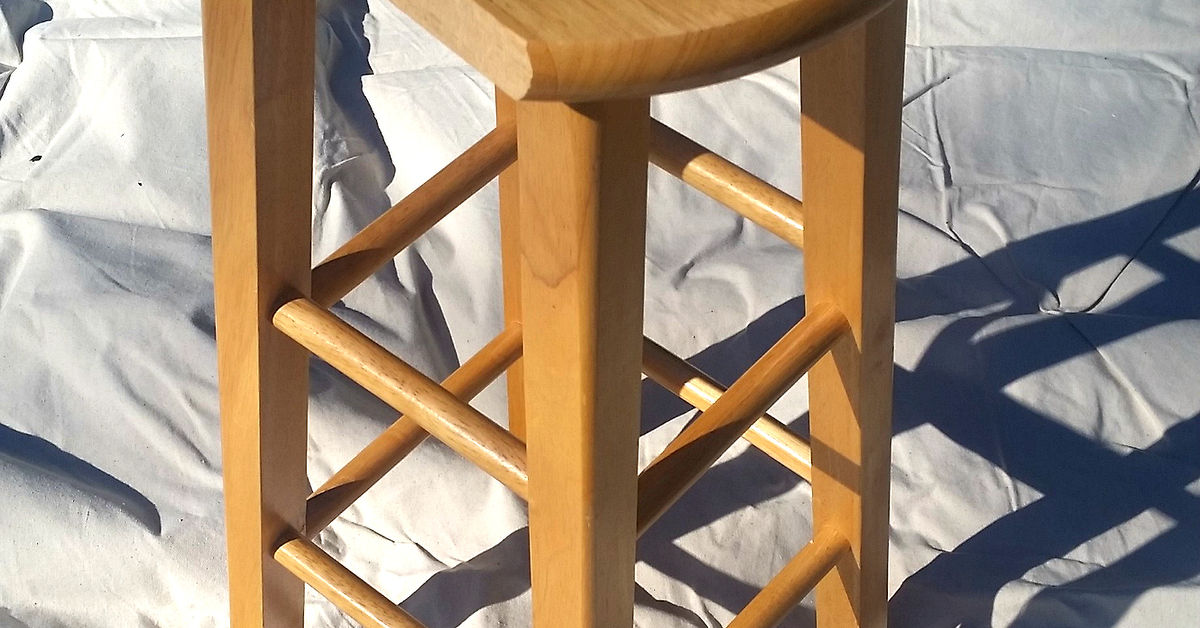
For small tasks like brushing teeth or washing dishes, try placing one foot on a low stool or opening the cabinet door and resting one foot inside the cabinet base. This can reduce stress on the lower back. For laundry, raise the basket onto a chair instead of repeatedly bending to the floor. For gardening, kneel on a pad or use long-handled tools.
Prevention: Keeping Your Back From Throwing Another Tantrum
Prevention is not glamorous, but neither is getting stuck halfway into the refrigerator while reaching for leftovers. The best long-term plan combines movement, strength, posture, recovery, and common sense.
Walk regularly. Strengthen your core and glutes. Stretch your hips and hamstrings. Sleep enough. Manage stress. Lift with your legs. Take breaks from sitting. Avoid sudden weekend-warrior overload if your weekday routine mostly involves a chair and caffeine.
Healthy body mechanics also matter. When carrying bags, balance the weight. When moving furniture, push instead of pull when possible. When picking something up from the floor, use a lunge position or squat. Small habits add up.
Specific Examples: What Your Pain Pattern Might Mean
Example 1: Sharp Pain After Lifting a Box
You bend forward, lift a heavy box, and feel a sharp grab in the lower back. This often suggests muscle strain, ligament sprain, or joint irritation. Start with activity modification, gentle walking, ice or heat, and avoid heavy lifting for a few days. If pain spreads down the leg or weakness appears, get evaluated.
Example 2: Pain Down the Leg When Bending
If bending forward sends pain from your lower back into your buttock or leg, nerve irritation may be involved. A herniated disc or sciatica pattern is possible. Avoid repeated painful bending and consider medical care or physical therapy, especially if symptoms persist.
Example 3: Stiffness After Sitting All Day
If you feel stiff when standing and bending after long sitting, your hips, hamstrings, and lower back may be tight or underused. Frequent movement breaks, walking, hip flexor stretches, and core strengthening may help.
Example 4: Pain That Improves With Gentle Movement
Pain that eases as you walk or warm up may suggest stiffness, mild mechanical irritation, or muscular tightness. Gentle exercise can be helpful, but do not force painful ranges of motion.
Experience-Based Tips for Living With Lower Back Pain When Bending Over
Anyone who has dealt with lower back pain while bending knows the problem is not limited to the gym or doctor’s office. It follows you into the kitchen, bathroom, car, closet, laundry room, and that mysterious area under the couch where pens, coins, and lost snacks go to retire. Managing it well often means changing the little things you do dozens of times a day.
One practical experience is to stop testing the pain every five minutes. Many people bend forward repeatedly just to “check if it still hurts.” Spoiler alert: the back usually responds, “Yes, and now I am annoyed.” Instead, choose a few safe movements and repeat them gently throughout the day. Walking for five to ten minutes, standing tall, or doing a comfortable stretch can be more useful than poking the painful movement like it owes you money.
Another helpful habit is creating a “no-floor zone” during a flare-up. Put commonly used items on counters, tables, or shelves at waist height. Move shoes onto a bench. Place laundry baskets on a chair. Keep pet bowls, bags, and cleaning supplies where you do not need to fold yourself like a lawn chair. This is not laziness; it is temporary back diplomacy.
When brushing your teeth or washing your face, avoid hanging from your lower back over the sink. Step closer, bend your knees slightly, support one hand on the counter, or place one foot on a small stool. These tiny changes can dramatically reduce morning pain. The same idea applies when washing dishes: open the cabinet below the sink and rest one foot on the base ledge if that feels comfortable.
Getting in and out of a car can also trigger lower back pain. Try sitting down first, then bringing both legs in together, instead of twisting and diving in like an action hero entering a getaway vehicle. When exiting, rotate the body as a unit and stand using the legs. Twisting while bent is a common pain trigger.
For sleep, many people feel better with a pillow between the knees when lying on the side or under the knees when lying on the back. The goal is to reduce tension through the lower spine and hips. A mattress does not need to be rock-hard; it needs to support you without letting your body sink into an awkward curve.
During recovery, confidence matters. Pain can make people afraid to move, and fear can make muscles guard even more. Start with movements that feel safe: short walks, gentle hip hinges, light stretching, or easy core activation. Celebrate small wins, like bending a little farther without pain or getting through the day without a flare-up. Your back does not need a motivational poster, but it does respond well to gradual progress.
Finally, respect recurring pain. If lower back pain keeps returning every time you bend, lift, garden, work out, or sit too long, it is worth getting professional guidance. A physical therapist or healthcare provider can help identify the pattern and build a plan. Guessing is fine for mystery leftovers in the fridge; it is less ideal for your spine.
Conclusion
Lower back pain when bending over is common, frustrating, and usually treatable. The cause may be a simple muscle strain, poor bending mechanics, tight hips, weak core muscles, disc irritation, sciatica, arthritis, or another spine-related issue. The best first steps are gentle movement, avoiding painful triggers, using heat or ice, improving lifting technique, and gradually strengthening the core, hips, and back.
Most people improve without surgery, but persistent pain, spreading leg symptoms, weakness, numbness, or red flags deserve medical attention. The smartest approach is not to panic or ignore it. Listen to your body, adjust your habits, and get help when the pain refuses to behave.