
There are two kinds of people in this world: people who make ice cream with an ice cream maker, and people who look at an eleven-pound block of aluminum and think, “Dessert machine.” The second group may not be allowed to supervise bake sales, but they are extremely fun at parties.
Making ice cream with heavy metal sounds like a recipe written by a garage band, but the idea is surprisingly scientific. Instead of using a traditional churn, compressor, or salt-and-ice bucket, the concept relies on a very cold metal slab to pull heat out of a sweet dairy mixture fast enough to freeze it. In theory, it is a mash-up of thermodynamics, kitchen curiosity, and “I had this leftover chunk of metal, so why not?” energy.
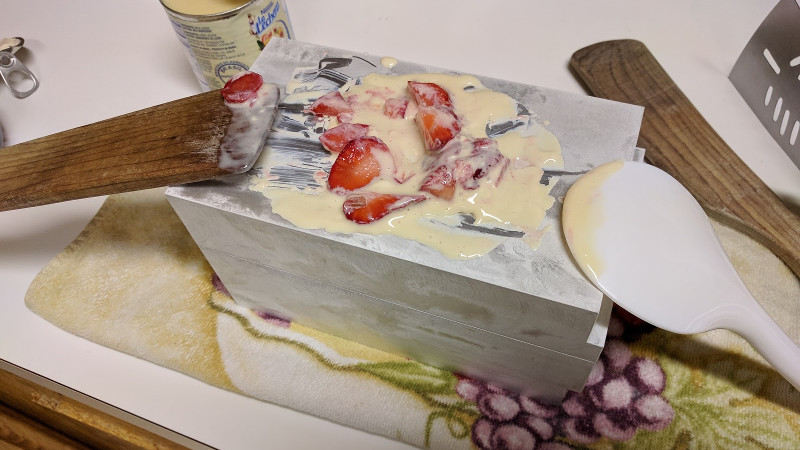
The project that inspired the phrase involved a large aluminum block, chilled overnight, used as a homemade cold slab. A small mixture of cream, sweetened condensed milk, and strawberries was worked across the surface until it became a tiny serving of ice cream. It was part science experiment, part dessert, and part reminder that physics does not care how badly you want a sundae.
But underneath the humor sits a genuinely useful lesson: great ice cream is not just about ingredients. It is about heat transfer, ice crystal size, fat, sugar, air, and food-safe surfaces. In other words, ice cream is a frozen engineering problem wearing a waffle cone.
What Does “Heavy Metal Ice Cream” Really Mean?
First, a technical confession: aluminum is not truly a “heavy metal” in the toxicological sense. It is a relatively light metal, which is one reason engineers love it for heat sinks, cold plates, cookware, and anything that needs to move heat quickly without weighing as much as a sleeping rhinoceros.
In this context, “heavy metal” is a joke about using a hefty slab of metal as the freezing surface. The important point is not that the metal is chemically exotic. Please do not make dessert on lead, cadmium, mercury, mystery scrap, painted metal, rusty metal, or anything that looks like it escaped from a haunted machine shop. The important point is that the slab has enough thermal mass and conductivity to act like a cold battery.
The Cold Slab Idea
Cold-slab ice cream is familiar to anyone who has watched workers fold candy, brownies, fruit, and cookies into ice cream on a frozen stone. The commercial version usually starts with ice cream that is already frozen. The cold surface keeps it workable while mix-ins are chopped and folded in.
The homemade metal-slab version is more ambitious. It asks the slab to freeze the liquid base from scratch. That is harder. A lot harder. It is the difference between keeping a snowball cold and convincing a puddle to become a snowball while your kitchen is quietly breathing warm air onto everything.
The Science: Ice Cream Is Heat Transfer With Sprinkles
To make ice cream, you must remove heat from the mix. That sounds simple until you realize water is stubborn. Before it becomes ice, liquid water must give up a large amount of energy called latent heat. Cream, milk, fruit, and sugar complicate the math further because they do not freeze like pure water.
When a cold aluminum slab touches a warmer ice cream base, heat flows from the base into the slab. Aluminum is good at this because it conducts heat quickly. That quick movement of heat is why aluminum is used in many cooling applications. The slab can pull warmth away from the thin layer of liquid touching it, causing that layer to thicken and freeze.
However, the slab has limits. Once its surface warms, freezing slows down. The inside of the slab may still be cold, but heat must travel from the surface into the core. Meanwhile, the room, spatula, bowl, fruit, and your impatient hands keep adding heat back into the system. Physics is not mean; it is just very thorough.
Thermal Conductivity vs. Heat Capacity
Two properties matter most: thermal conductivity and heat capacity.
Thermal conductivity describes how quickly heat moves through a material. Aluminum is excellent here. It transfers heat far faster than stone, ice, or water. That is why the surface can chill the ice cream base rapidly.
Heat capacity describes how much heat a material can absorb before its temperature rises. Here, aluminum is good but not magical. Water and ice can store a lot of thermal energy by weight, even though they conduct heat poorly. This is why a metal slab can feel brutally cold at first but may lose freezing power quickly during use.
The original cold-slab experiment showed this perfectly. The math suggested that a large aluminum block should absorb enough energy to freeze a small amount of water. Real life was less generous. The successful serving was tiny, closer to a tasting spoon than a movie-night bowl. Still, it worked, and “it worked once, barely” is the unofficial anthem of many excellent maker projects.
Why Small Batches Work Best
If you pour too much ice cream base on a cold slab, you create a thermal traffic jam. The liquid layer becomes thick, the slab surface warms, and freezing becomes uneven. The bottom may begin to freeze while the top remains slushy. You push it around, scrape it, fold it, and eventually wonder whether you are making dessert or arguing with dairy.
A thin layer is better. More surface area means faster heat transfer. This is why rolled ice cream vendors spread liquid base into a very thin sheet on an actively chilled surface. The thinner the layer, the shorter the path heat must travel. Thin layers freeze fast; thick puddles sulk.
For a passive metal slab chilled in a home freezer, a small portion is the realistic target. Think tasting-menu science dessert, not birthday-party catering. If the goal is to feed ten people, use a real ice cream maker. If the goal is to impress one nerd and confuse one cat, the slab method has potential.
Ingredients Matter: Cream, Sugar, Fruit, and Texture
Ice cream is a frozen foam-emulsion with attitude. Its texture depends on several parts working together: ice crystals, fat globules, sugar, air cells, milk solids, and flavor ingredients. When one part gets out of balance, the result can become icy, greasy, hard, gummy, or suspiciously similar to sweetened drywall compound.
Fat Makes It Creamy
Milk fat gives ice cream richness and smoothness. It helps create a creamy mouthfeel and slows melting. In American-style ice cream, the legal identity of ice cream generally involves at least 10 percent milkfat. Premium recipes often go higher, which is why some ice creams taste like velvet got a dairy degree.
Heavy cream is useful because it brings fat and body. When used in a quick cold-slab formula, it helps the frozen mixture feel less like a fruit slush and more like actual ice cream.
Sugar Is More Than Sweetness
Sugar lowers the freezing point and limits the growth of large ice crystals. That is why sweetened condensed milk works so well in no-churn ice cream and quick experiments. It contains sugar, milk solids, and less free water than plain milk. The result is a base that resists turning into a rock-hard block.
Too little sugar can make the mixture freeze hard and icy. Too much sugar can make it refuse to freeze properly. Sugar is the bassist of the ice cream band: easy to underestimate, impossible to replace without the whole song getting weird.
Fruit Adds Flavor and Trouble
Fresh strawberries sound innocent. They are red, cheerful, and unlikely to start a bar fight. But fruit contains water, and water forms ice crystals. In a cold-slab experiment, finely chopped or mashed fruit freezes more evenly than large chunks. Large wet pieces can leave icy pockets, especially when the batch freezes quickly and unevenly.
For smoother results, use ripe fruit, small pieces, and a base with enough sugar and fat to balance the added water. Strawberry-heavy ice cream can be wonderful, but it needs structure. Otherwise, it becomes a smoothie that forgot its career goals.
Food Safety: The Part That Keeps Dessert From Becoming News
The phrase “making ice cream with heavy metal” is funny only if the metal is food-safe, clean, and appropriate for contact with food. A random shop block may contain cutting oil, metal dust, oxidation, residue, or unknown contaminants. That does not mean every piece of aluminum is unsafe, but it does mean food contact requires care.
Food-contact surfaces should be smooth, non-porous, cleanable, non-toxic, and resistant to corrosion. Stainless steel is widely preferred in food processing because it performs well under cleaning and repeated use. Aluminum can be used in food contexts, but the surface condition matters. Bare workshop scrap is not the same thing as a properly prepared kitchen tool.
Egg safety matters too. Many traditional homemade ice cream recipes use eggs, but raw or undercooked eggs can carry Salmonella risk. A safer route is an egg-free base, a cooked custard base, or pasteurized egg products. Milk and cream should also be pasteurized. Ice cream should be whimsical; foodborne illness should not be invited to the party.
How the Metal-Slab Method Compares With Other Ice Cream Methods
Traditional ice cream makers chill the base while churning it. The churning action scrapes frozen material from the cold wall, breaks up ice crystals, and adds air. This combination produces a smoother texture than simply freezing a bowl of cream.
A cold slab can scrape and freeze at the same time, but it does not automatically add air the way a churn does. You can fold the mixture as it freezes, but the result will usually be dense. That is not necessarily bad. Dense ice cream can be rich and satisfying. Gelato, for example, often contains less air than typical American ice cream. But if the mixture freezes unevenly, density can become iciness.
No-churn ice cream takes another route. It uses whipped cream for air and sweetened condensed milk for sweetness and freeze control. It is not the same experience as cold-slab freezing, but it is much more reliable for home cooks who want dessert rather than a small thermodynamics dissertation.
Commercial cold-stone shops use the slab mostly for mixing finished ice cream with add-ins. That difference matters. Starting with frozen ice cream gives the surface a much easier job. Starting with liquid base requires the slab to remove far more heat, quickly, while fighting the room temperature.
What Worked in the Aluminum Experiment
The aluminum slab experiment succeeded because it combined a very cold block, a small batch, and a high-contact surface. The base was simple: cream, sweetened condensed milk, and strawberries. Those ingredients were friendly to freezing because they brought fat, sugar, and flavor without needing a custard step.
The first attempt struggled because the slab was not cold enough at the surface and the batch demanded more cooling than the block could deliver quickly. After a colder overnight freeze, the slab made a small serving. That result is important. It shows the theory was not nonsense; it was just operating with a narrow margin.
For makers, that narrow margin is the interesting part. The experiment exposes the difference between ideal calculations and messy reality. On paper, the slab can absorb enough energy. In practice, the slab warms, the kitchen leaks heat into the system, the ingredients start above freezing, and only part of the slab’s cold storage is available fast enough to matter.
What Could Improve the Design?
A better version would focus on three goals: colder starting temperature, better insulation, and more efficient heat transfer.
First, the slab should begin colder than a typical freezer can easily provide. Second, the bottom and sides should be insulated so the slab spends its cold energy on ice cream, not on chilling the countertop like an overachieving coaster. Third, the freezing surface should maximize contact with the base. A shallow, wide working area beats a deep puddle every time.
An actively chilled plate would be even better. Commercial cold plates use refrigeration or circulating coolant to keep pulling heat away. That turns the slab from a one-shot cold battery into a continuously recharged system. At that point, however, the project becomes less “leftover aluminum dessert hack” and more “small appliance engineering.” Still delicious, just with more wiring.
Flavor Ideas That Fit the Heavy Metal Theme
Once the basic method works, the fun begins. A metal-slab ice cream project begs for dramatic flavor names. Consider “Black Sabbath Brownie,” made with chocolate ice cream and brownie bits. Try “Strawberry Shredder,” with strawberries and condensed milk. “Vanilla Voltage” could use a sweet cream base with cookie pieces. “Copper Top Caramel” might include caramel ribbons and toasted pecans, though please do not actually involve copper in the food-contact surface unless it is part of approved cookware.
The best mix-ins are small, dry, and flavorful. Crushed cookies, mini chocolate chips, toasted nuts, brownie crumbs, and candy pieces work better than watery fruit chunks. Add wet ingredients sparingly. Sauces taste great but can soften the structure if overused. Ice cream is generous, but it has boundaries.
Common Mistakes to Avoid
Using Too Much Base
The slab method rewards restraint. A small amount freezes faster and smoother. A large pour turns the experiment into cold soup with ambition.
Skipping Surface Safety
Do not put food on dirty shop metal. Do not use unknown alloys, painted metal, rusty metal, or anything contaminated with oil or machining residue. The surface must be food-safe, smooth, and cleanable.
Expecting Commercial Texture
This method is a fun hack, not a replacement for a good ice cream machine. The texture may be denser, softer, or more granular. That is part of the charm. Homemade science dessert gets points for effort.
Forgetting the Room Exists
Warm air, warm tools, warm bowls, and warm ingredients all steal cooling power. Chill what can be chilled, work quickly, and keep the batch thin.
Why This Project Is So Appealing
Making ice cream with heavy metal is charming because it turns an everyday treat into a visible physics lesson. You can watch a liquid thicken. You can feel the slab lose its chill. You can see how scraping, spreading, and folding change the texture. It makes heat transfer tangible in a way no textbook paragraph can.
It also scratches the maker itch. The project begins with a question: “Can this work?” Then it moves through math, testing, failure, adjustment, and a tiny edible reward. The reward may be only 30 grams of strawberry ice cream, but emotionally it weighs at least a pint.
Experience Notes: What Making Ice Cream With Heavy Metal Feels Like
The experience of making ice cream with a cold metal slab is half kitchen project and half science fair with better snacks. The first thing you notice is the drama of the slab itself. A heavy block of chilled aluminum has presence. It lands on the counter with the quiet authority of a small industrial monument. This is not a cute silicone mold or a pastel kitchen gadget. This is dessert equipment that looks like it might also be used to calibrate a bridge.
Then comes the cautious optimism. You pour a small spoonful of base onto the surface and expect instant magic. Sometimes you get it. The edges begin to thicken, the color dulls slightly, and a creamy film forms where the liquid touches the metal. You scrape it inward, spread it out again, and suddenly you understand why ice cream makers use moving blades. Freezing is not a single event; it is a negotiation.
At first, the process feels powerful. The slab is cold, the mixture responds, and your confidence rises dangerously. You may begin speaking like a person who owns a laboratory coat. Then the surface warms a little. The second spoonful does not freeze as quickly. The mixture smears instead of setting. Your spatula starts pushing around a sweet puddle that appears to be thinking about becoming ice cream but has not signed the paperwork.
This is the educational moment. You realize that cold is not an infinite resource. The slab does not “create cold”; it absorbs heat. Once it has absorbed enough, its temperature rises, and the freezing slows. That lesson is more memorable when it is happening to your dessert.
The texture of the finished bite is different from churned ice cream. It is usually denser, with less air and a slightly rustic finish. If the batch freezes quickly and is scraped often, it can be surprisingly smooth. If the batch is too large or too watery, it can become icy. That difference teaches you to respect the structure of ice cream. Fat, sugar, air, and crystal size are not fancy food-science trivia. They are the difference between creamy joy and strawberry-flavored hail.
The cleanup also has personality. Condensation forms. The slab sweats. The counter gets cold. Your tools become sticky. You may find yourself wondering why you did not simply buy a pint. Then you taste the tiny serving you made with a chunk of metal, and the answer arrives: because buying a pint does not make you feel like a dessert engineer.
The best part is the conversation it creates. People understand homemade cookies. They understand smoothies. But tell someone you made ice cream on a block of aluminum, and their eyebrows do gymnastics. It is weird in the best way: harmlessly eccentric, scientifically grounded, and just impractical enough to be memorable.
That is the real charm of making ice cream with heavy metal. It is not the most efficient method. It is not the easiest method. It will not replace a compressor machine or a classic churn. But it turns a familiar food into an experiment you can taste. It makes thermal conductivity funny. It makes heat capacity personal. It makes a spoonful of strawberry ice cream feel like a victory lap for curiosity.
Conclusion: A Cool Hack, Literally
Making ice cream with heavy metal is a beautiful example of kitchen science done with maker spirit. A chilled aluminum slab can freeze a small amount of sweet dairy base, but the method works within strict limits. The batch must be small, the surface must be very cold, the ingredients must be balanced, and the metal must be safe for food contact.
The project is less practical than a standard ice cream maker, but practicality is not always the point. Sometimes the point is to learn why aluminum transfers heat so quickly, why sugar changes freezing behavior, why ice crystals matter, and why a tiny homemade scoop can feel like a scientific achievement.
So yes, you can make ice cream with “heavy metal,” at least in the playful sense. Just keep the toxic metals out, keep the dairy safe, keep the batch small, and keep your expectations somewhere between “physics demo” and “dessert solo.” If your first batch is only one spoonful, congratulations. You have not failed. You have made artisanal thermodynamics.











