
Note: This article is written for web publication and is synthesized from publicly available information about Marité Acosta, her ceramic practice, handmade stoneware, contemporary tabletop design, and artisan pottery care.
Some bowls shout for attention with gold rims, wild colors, or the kind of dramatic shape that makes you wonder whether it belongs on a table or in a modern art museum where everyone whispers. Marité Acosta’s Honeycomb Bowl does something better: it invites you to lean closer. Small, textured, handmade, and quietly sculptural, this ceramic bowl proves that a tabletop object does not need to be huge to have presence. It just needs personality, texture, and the confidence of a piece made by real hands.
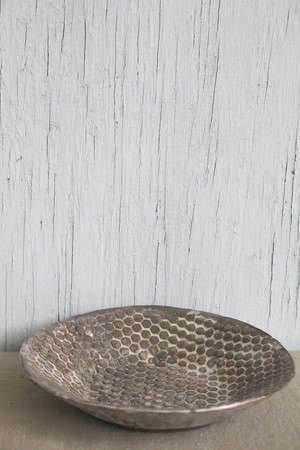
At first glance, the Honeycomb Bowl looks simple: white stoneware, a shallow profile, a soft matte glaze, and a surface patterned with a honeycomb-like texture. But that simplicity is exactly where the charm lives. This is not mass-produced dinnerware trying to look handmade after a committee meeting in a fluorescent-lit office. It is a handbuilt ceramic piece by Marité Acosta, an artist whose career has moved through fashion, food, styling, and clay. Her work often sits at the satisfying intersection of usefulness and sculpture, which is fancy design-speak for: yes, it can hold something, but it also looks good doing absolutely nothing.
Who Is Marité Acosta?
Marité Acosta is a Cuban-American artist, chef, stylist, and potter whose creative background gives her ceramics an unusually layered point of view. She has worked in fashion design, food styling, and culinary arts, and that combination matters. A bowl designed by someone who understands food is different from a bowl designed only to look nice on a shelf. It tends to have better proportions, better mood, and a stronger sense of how people actually live with objects.
Acosta spent many years in New York City before relocating to Central Oregon, where her clay practice has become a central creative focus. Her work has been recognized in design and lifestyle circles, including features connected to food, interiors, and handmade objects. That makes sense because her ceramics feel like they belong in all three worlds at once. They are tableware, decorative objects, and little reminders that dinner does not have to be served on something boring enough to make a salad lose hope.
What Makes the Honeycomb Bowl Special?
The Honeycomb Bowl is described as a handbuilt ceramic piece made from white stoneware with underglaze and a matte white glaze. Its dimensions have been listed at approximately 6 inches by 1 inch, making it low and shallow rather than deep and oversized. It is the sort of bowl that works beautifully for salt, nuts, olives, berries, jewelry, keys, or that one mysterious object on your desk you refuse to throw away because it “might be important.”
The defining feature is the honeycomb texture. Instead of relying on a printed pattern, the bowl uses surface relief to create visual depth. The honeycomb motif gives the piece a natural rhythm: geometric, organic, and slightly playful. Honeycomb forms have long fascinated designers because hexagonal patterns feel both mathematical and alive. They suggest structure without stiffness, nature without cliché, and texture without chaos. In Acosta’s bowl, that pattern turns a small ceramic object into something tactile and memorable.
The Beauty of Handbuilt Ceramics
Handbuilt pottery has a different soul from factory-made ceramics. A machine can produce perfect repetition, but handbuilding leaves evidence of process: slight variations in form, texture, edge, thickness, and glaze behavior. Those variations are not flaws. They are the point. In a handmade ceramic bowl, the maker’s hand is part of the design language.
Marité Acosta’s Honeycomb Bowl fits into the broader appreciation for artisan tableware that has grown steadily among home cooks, designers, stylists, collectors, and people who simply want their kitchen shelves to stop looking like a rental apartment starter kit. Handmade ceramics bring warmth and individuality to modern homes. They also mix surprisingly well with plain dinnerware. A single textured bowl can make a table feel curated without requiring matching napkin rings, a floral arrangement the size of a shrub, or a butler named Nigel.
Stoneware: Practical, Durable, and Handsome
The bowl’s stoneware material is important. Stoneware is a fired ceramic known for durability, density, and everyday usefulness. Compared with more porous earthenware, stoneware is generally stronger and better suited for regular use when properly made and glazed. That does not mean every handmade piece should be treated like a diner plate from 1978, but it does mean stoneware can be both beautiful and functional.
Acosta recommends hand washing her ceramics even when they are dishwasher safe unless otherwise noted. That advice is worth taking seriously, especially with textured pieces. A honeycomb surface naturally creates little valleys where crumbs, salt, sauce, or olive oil can hide like tiny culinary fugitives. A soft brush is useful for cleaning textured ceramic surfaces because it reaches into the pattern without being harsh.
Matte White Glaze and the Quiet Luxury of Texture
The matte white glaze gives the Honeycomb Bowl its soft, understated look. Glossy ceramics reflect light dramatically; matte ceramics absorb it more gently. That difference changes the feeling of the piece. A matte white bowl looks calm, earthy, and modern. It also highlights texture beautifully because shadows settle into the surface rather than bouncing away.
This is why matte ceramics have become so beloved in contemporary interiors. They photograph well, feel good in the hand, and add depth to neutral spaces. In a kitchen with wood, linen, marble, steel, or open shelving, a matte stoneware bowl brings balance. It is not trying to be the loudest guest at the table. It is more like the person who says one clever sentence and suddenly everyone realizes they should have been listening all along.
How to Use Marité Acosta’s Honeycomb Bowl
1. As a Serving Piece
Because the Honeycomb Bowl is shallow and compact, it works best for small portions and finishing touches. Think flaky salt, toasted almonds, citrus wedges, marinated olives, pickled onions, or a small handful of berries. It is not the bowl for a family-sized pasta night unless your family consists of one very disciplined ravioli. But for condiments and accents, it shines.
2. As a Catchall
Small handmade bowls are excellent catchalls. Place one by the entry for keys, beside the bed for earrings, or near a workspace for paper clips and tiny things that otherwise migrate into chaos. The honeycomb texture gives the bowl decorative value even when it is holding something ordinary.
3. As Shelf Decor
On open shelving, the bowl can sit upright, nested with other ceramics, or placed near cookbooks and small vases. Its white glaze makes it easy to style with wood, brass, stone, linen, or darker pottery. The texture helps it stand out from plain white dishes, which is useful if your shelves are already dangerously close to becoming a porcelain cloud.
4. As a Gift
A handmade ceramic bowl makes a thoughtful gift because it feels personal without being too personal. You are not guessing someone’s shirt size or buying them a candle called “Midnight Forest Accountant.” A small stoneware bowl can suit housewarmings, birthdays, weddings, hostess gifts, or anyone who loves cooking, design, or beautiful everyday objects.
Why the Honeycomb Pattern Works
The honeycomb pattern has a rare design advantage: it is both geometric and natural. Hexagons suggest efficiency, repetition, and order, but because we associate them with bees and hives, they also feel warm and organic. That balance is ideal for ceramics. Clay itself is earthy and responsive, while the honeycomb pattern introduces structure. The result is a bowl that feels designed but not stiff.
Texture also changes how we experience an object. A smooth bowl is mostly visual. A textured bowl is visual and tactile. Even before you touch it, your eye understands that the surface has dimension. This is one reason designers often use textured ceramics in rooms that lean neutral. When color is restrained, texture keeps things from going flat. In other words, texture is what saves a white-on-white room from looking like a very expensive bowl of oatmeal.
How It Fits Into Modern Tabletop Trends
Contemporary tabletop design has been moving away from rigid matching sets and toward more expressive, collected, handmade combinations. People want tables that feel personal, not staged. They want pieces with stories, surfaces with character, and objects that can move from dinner table to coffee table to shelf without needing permission.
Marité Acosta’s Honeycomb Bowl fits this shift perfectly. It is small enough to be versatile, neutral enough to blend with many styles, and textured enough to feel distinctive. It pairs well with linen napkins, wooden boards, handmade mugs, glass tumblers, vintage flatware, and simple white plates. It can also soften more polished interiors by adding a human-made element.
Styling Ideas for Different Homes
Minimalist Kitchen
In a minimalist kitchen, use the Honeycomb Bowl as a quiet accent. Place it on a wooden cutting board with a small spoon and flaky sea salt. The white glaze will keep the look clean, while the texture prevents it from feeling sterile.
Rustic Dining Room
For a rustic dining table, pair the bowl with stonewashed linen, hand-thrown mugs, and a loaf of crusty bread. Fill it with softened butter, herb salt, or roasted garlic. Suddenly, your dinner table looks like it has a farm-to-table philosophy and possibly a sourdough starter named Beatrice.
Modern Apartment
In a modern apartment, use the bowl on a console table or bookshelf. It can hold matchbooks, rings, incense cones, or nothing at all. Its sculptural texture gives the space a handcrafted counterpoint to metal, glass, and clean-lined furniture.
Entertaining Setup
When hosting, use the bowl for small bites or condiments: smoked almonds, Maldon salt, lemon zest, chili crisp, or sesame seeds. It gives even simple food a styled feeling. A tiny bowl cannot fix a dry chicken, but it can make the table look like you had a plan.
Care Tips for a Textured Ceramic Bowl
Handmade ceramics deserve thoughtful care. For the Honeycomb Bowl or similar textured stoneware pieces, hand washing is the safest routine. Use warm water, mild dish soap, and a soft brush to clean the honeycomb pattern. Avoid abrasive pads that could scratch the glaze. Dry the bowl fully before storing it, especially if it has deep surface texture.
Although many stoneware ceramics are sturdy, avoid sudden temperature changes unless the maker specifically states the piece is oven safe. Do not move a cold ceramic bowl directly into high heat. Do not use it under a broiler. Do not test its limits because you saw someone on the internet bake lasagna in a questionable dish and “it seemed fine.” Clay remembers trauma, and sometimes it responds with cracks.
Why Collectors Love Small Artisan Pieces
Small ceramic pieces are approachable entry points into collecting handmade work. A large vessel may require a serious budget and a designated surface. A small bowl is easier to place, easier to use, and easier to justify. It can become part of daily life rather than living behind glass like a museum artifact afraid of crackers.
Collectors often appreciate pieces like the Honeycomb Bowl because they show an artist’s touch in concentrated form. The shape, surface, glaze, and scale all work together. Nothing feels overcomplicated. That restraint is difficult to achieve. A simple object only succeeds when the details are right.
The Food Connection: Why a Chef’s Eye Matters
Acosta’s culinary background gives her pottery an important advantage. Chefs and food stylists understand negative space, portion size, color contrast, and how food behaves on a surface. A shallow bowl can frame ingredients differently from a deep one. A matte glaze can make berries look richer, salt look brighter, and olives look more dramatic than olives have any right to look.
That food-aware perspective is part of what makes the Honeycomb Bowl appealing. It is not only a decorative object. It understands the table. It knows that a bowl may need to hold something delicious one day and look beautiful beside a stack of books the next. Multitasking: ceramics edition.
Is Marité Acosta’s Honeycomb Bowl Worth It?
For people who want anonymous, ultra-cheap tableware, probably not. A handmade bowl is not competing with a bulk set from a big-box store. It belongs in a different category: functional art. The value lies in the handbuilt process, the ceramic material, the textured surface, the maker’s eye, and the ability to bring character to everyday rituals.
If you appreciate artisan pottery, small-batch ceramics, textured tableware, or objects that make ordinary routines feel more intentional, Marité Acosta’s Honeycomb Bowl is the kind of piece worth noticing. It is modest in scale but rich in detail. It does not demand a redesigned kitchen. It simply asks for a place on the table, shelf, or bedside standand maybe a few almonds for dramatic effect.
Personal Experience: Living With a Bowl Like Marité Acosta’s Honeycomb Bowl
The first thing you notice about a small handmade bowl is that it refuses to stay in one role. You bring it home thinking, “This will be for salt.” Very mature. Very culinary. Very person-who-owns-good-olive-oil. Then, within a week, it is holding earrings. Two days later, it is catching lemon seeds while you cook. By Friday, it has become the official home of keys, coins, and one button that fell off a jacket you keep meaning to repair. This is the quiet magic of a piece like Marité Acosta’s Honeycomb Bowl: it becomes useful in ways you did not plan.
A textured ceramic bowl also changes the mood of a space. I have found that handmade pieces make a kitchen feel less like a workstation and more like a place where life actually happens. A honeycomb-textured bowl beside the stove, filled with flaky salt, turns even a rushed weeknight dinner into something a little more grounded. You reach for a pinch of salt, feel the texture under your fingers, and for half a second, cooking is not just a chore. It is a small ritual. Then you remember the laundry. Still, half a second counts.
On a dining table, a bowl like this has a way of making simple food look intentional. Put roasted nuts in it and suddenly they are not just snacks; they are “table provisions.” Add olives and you have entered casual entertaining territory. Use it for chili flakes on pizza night and your friends may assume you have your life together. Please do not correct them. Let the bowl do its work.
The honeycomb texture is especially satisfying because it creates contrast. Smooth plates, folded linen, clear glassware, and a textured bowl create a table that feels layered without becoming fussy. This matters because many people overthink table styling. They imagine they need chargers, floral installations, heirloom silver, and napkins folded into swans with emotional backstories. In reality, one good handmade piece can do more than a dozen matching accessories. It gives the eye somewhere to land.
There is also something calming about caring for handmade ceramics. Washing a textured bowl by hand slows you down. You use a brush, rinse the little grooves, dry it carefully, and place it back where it belongs. That may sound dramatic for dishwashing, but objects shape habits. Cheap things encourage speed. Thoughtful things encourage attention. A bowl like this asks for attention, but not in a demanding way. More like a well-behaved cat sitting near your laptop.
In a bedroom, the same bowl becomes surprisingly intimate. It can hold rings, a watch, lip balm, or small keepsakes. The white glaze keeps it serene, while the honeycomb pattern keeps it from disappearing into the background. On a bookshelf, it looks sculptural. On a bathroom counter, it can hold hair pins or sample perfumes. On a coffee table, it can sit empty and still look purposeful, which is honestly a rare and admirable talent.
The biggest experience-related lesson is this: small handmade objects often become the pieces we use most. Large statement items impress guests, but small bowls participate in daily life. They hold, gather, frame, and organize. They make snacks look better, shelves feel warmer, and routines feel less automatic. Marité Acosta’s Honeycomb Bowl is exactly that kind of object. It may be small, but it has the presence of something made with careand in a home full of fast, flat, disposable things, care is the detail that never goes out of style.
Conclusion
Marité Acosta’s Honeycomb Bowl is more than a small ceramic serving piece. It is a compact expression of handbuilt craft, tactile design, and thoughtful functionality. Made from white stoneware with underglaze and matte white glaze, it uses honeycomb texture to create depth, movement, and quiet visual interest. Its size makes it versatile, while its handmade nature gives it warmth and individuality.
In a world full of identical tableware, this bowl reminds us why handmade objects matter. They bring human touch into daily routines. They turn salt, olives, jewelry, or keys into tiny still-life moments. And they prove that good design does not always need to be loud. Sometimes, it just needs texture, clay, and a little buzz.












