
Note: This is an original, fully rewritten SEO article based on synthesized interior design, Art Deco, maximalist decor, and historic home styling research. It contains no copied source text and is ready for web publishing.
Some houses whisper. Others politely clear their throat. And then there are homes like a 1930s Art Deco maximalist masterpiecethe kind that kicks open the door wearing velvet, feathers, wallpaper, and possibly a cocktail ring the size of a chandelier. When a maximalist interior designer opens the doors to a period Art Deco house, the result is not just a home tour. It is a personality test, a design lesson, and a very convincing argument that beige has had enough time in the spotlight.
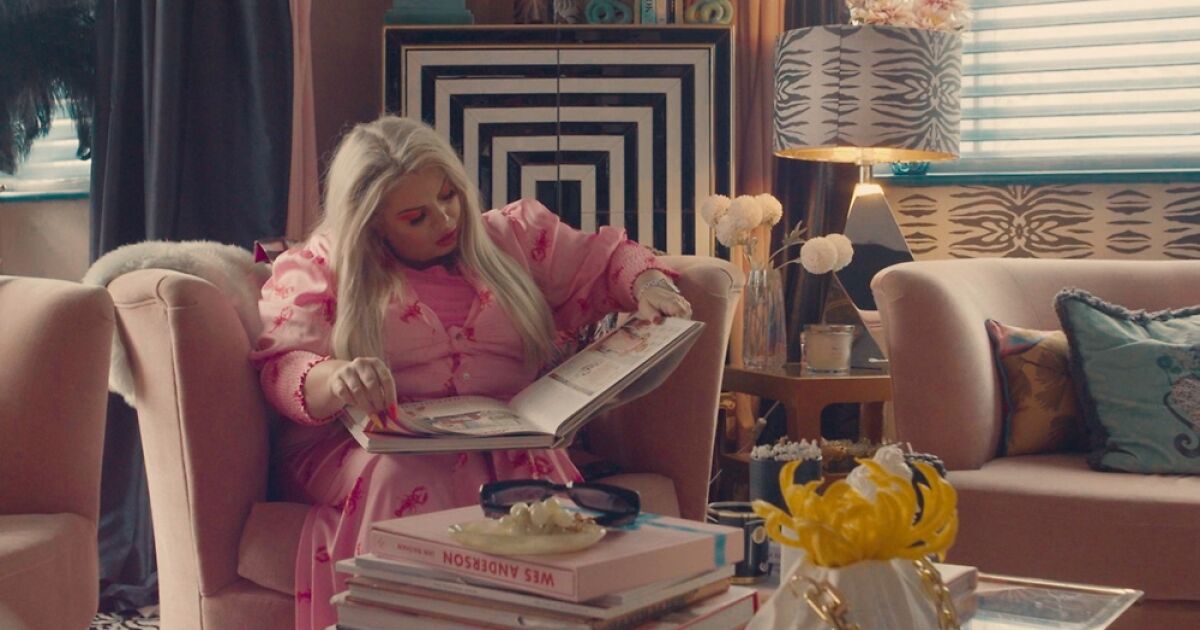
The story behind “Maximalist Interior Designer Shows Around Her 1930s Art Deco House (20 Pics)” centers on the delicious tension between old architecture and fearless modern self-expression. A 1930s Art Deco house already comes with strong bones: curved lines, symmetry, glamorous proportions, and that unmistakable “someone here once owned a drinks trolley” energy. Add maximalist interior design, and suddenly the house becomes a living gallery of color, pattern, vintage finds, personal stories, and unapologetic joy.
This is not maximalism as clutter. This is maximalism with a plan. It is layering, not hoarding. Drama, not chaos. A cheetah print cushion may appear, yes, but it has been invited properly and knows exactly where to sit.
What Makes a 1930s Art Deco House So Special?
Art Deco interiors and architecture reached their height in the 1920s and 1930s, and the style still feels glamorous because it was built on confidence. Think geometric patterns, stepped forms, curved corners, polished surfaces, mirrored details, chrome accents, rich woods, jewel tones, and a love of visual rhythm. Art Deco was modern for its time, but it was never shy. It borrowed from machine-age innovation, luxury travel, cinema, fashion, and global decorative arts, creating a look that felt sleek, elegant, and optimistic.
A 1930s Art Deco house usually offers an ideal canvas for maximalist interior design because the architecture already understands drama. Curved bay windows, strong fireplaces, grand staircases, unusual exterior lines, and generous room proportions can handle bold choices. Where a plain white box might panic at the sight of emerald velvet and leopard print, an Art Deco home simply says, “Finally, someone dressed for dinner.”
In homes like Siobhan Murphy’s well-known Art Deco property, often associated with the name Chatelaine or La Chatelaine, the building itself is part of the story. Its exterior stands apart from more traditional surrounding homes, while the interior reflects a designer’s journey through fashion, vintage collecting, travel, pattern, and fearless personal taste. That combination is what makes the tour so memorable: the house is not decorated to impress strangers. It is decorated to feel alive.
Maximalism Is Not MessIt Is Meaning
Let us settle this now: maximalist decor does not mean throwing every object you own into a room and hoping the lampshade negotiates peace with the wallpaper. True maximalist interior design is intentional. It uses color, texture, pattern, art, furniture, collections, lighting, and personal objects to create emotional impact.
The best maximalist interiors often begin with a clear point of view. A room might be built around a dramatic wallpaper, a vintage sofa, a family heirloom, a color palette, or even a memory. From there, layers are added with purpose. Large-scale patterns balance smaller prints. Glossy finishes contrast with soft textiles. Old pieces sit beside new ones. Artwork fills walls, but the arrangement still has rhythm. The result feels collected over time rather than bought in one panicked weekend with a credit card and a suspicious amount of caffeine.
The “More Is More” Rule Still Needs Editing
One of the smartest lessons from a maximalist Art Deco home is that abundance works best when it is edited. The eye needs places to land. A room can have hot pink walls, botanical wallpaper, velvet seating, brass lighting, patterned rugs, and gallery artbut there must be balance in scale, color repetition, and layout.
For example, if a living room uses a wild jungle-inspired wallpaper, the furniture can echo colors from the print instead of competing with it. A teal chair, a coral cushion, and a brass side table might all pull from the same visual language. That is how maximalism becomes design instead of decorative shouting.
Why Art Deco and Maximalism Work So Well Together
At first glance, Art Deco and maximalism might seem like two divas fighting for the same dressing room. But they actually make a perfect pair. Art Deco brings structure. Maximalism brings personality. Art Deco offers geometry, symmetry, and polish. Maximalism adds humor, surprise, warmth, and storytelling.
In a 1930s Art Deco house, bold interiors can highlight the original architecture instead of hiding it. A curved staircase becomes even more sculptural with a patterned runner. A fireplace becomes a focal point with a dramatic mirror above it. A sunlit dining room becomes a stage for lacquer, velvet, metallic finishes, and vintage glassware. Even a hallway can become a moment with striped wallpaper, framed art, and a pendant light that looks like it has secrets.
Geometric Patterns Create Order
Art Deco design loves geometry: fans, scallops, chevrons, sunbursts, stepped shapes, zigzags, and repeated lines. These motifs are especially useful in maximalist rooms because they create visual discipline. A geometric rug can ground a room filled with florals. A fan-patterned wallpaper can organize a small powder room. A stepped mirror can bring architectural clarity to a wall of art.
Jewel Tones Add Instant Glamour
Maximalist Art Deco interiors often lean into saturated color. Emerald green, sapphire blue, ruby red, amethyst purple, mustard gold, lacquer black, blush pink, and peacock teal all feel at home in this style. These shades look especially rich when used on velvet upholstery, painted walls, lampshades, rugs, and decorative accessories.
The trick is repetition. If emerald appears in a sofa, repeat it in artwork, trim, or cushions. If gold appears in lighting, echo it in picture frames or cabinet hardware. Repetition makes bold color feel intentional rather than random.
A Room-by-Room Look at the Maximalist Art Deco Approach
The Entryway: First Impressions Should Wear Heels
The entryway in a maximalist Art Deco house should make visitors pause before they even remove their shoes. This is the place for a patterned runner, a sculptural mirror, glossy paint, dramatic lighting, or a vintage console table. A small space can handle big personality because people pass through it quickly. If the hallway wants zebra stripes, let the hallway live its truth.
One smart approach is to use the entry as a preview of the whole home. Bring in a key color, a repeating motif, or a favorite material. A brass lamp, curved mirror, and bold wallpaper can instantly announce the design direction.
The Living Room: Layered, Social, and Slightly Theatrical
The living room is where maximalist interior design often shines brightest. In an Art Deco home, this space may already have strong windows, a fireplace, or generous proportions. A maximalist designer can build on that with velvet seating, patterned rugs, vintage side tables, art-filled walls, fringe, tassels, metallic lamps, and plants with leaves large enough to qualify for their own zip code.
But comfort matters. A room can look fabulous, but if nobody wants to sit down, it has failed its basic job. The best maximalist living rooms combine beauty with invitation. Sofas should be comfortable, lighting should be layered, side tables should be reachable, and the room should feel ready for conversationnot just photography.
The Dining Room: Dinner With a Side of Drama
A dining room in a 1930s Art Deco maximalist house is the perfect place to go bold. Dark walls, glossy paint, patterned wallpaper, statement chairs, glassware, candles, and metallic details can turn an ordinary meal into an event. Even takeout feels more glamorous when eaten under a chandelier that looks like it once dated a jazz musician.
Art Deco dining spaces work beautifully with rounded furniture, fluted glass, lacquered finishes, black-and-gold palettes, and sculptural lighting. Maximalism adds the final flourish: layered table settings, mismatched vintage plates, patterned napkins, and art that gives guests something to discuss besides traffic.
The Bedroom: Bold, But Still Restful
A maximalist bedroom does not have to be visually exhausting. The secret is softness and control. A dramatic headboard, rich bedding, patterned curtains, and a moody wall color can create a luxurious retreat without turning bedtime into a carnival parade.
For an Art Deco-inspired bedroom, consider curved silhouettes, scalloped details, velvet, mirrored furniture, warm brass, or symmetrical bedside lamps. A bold wallpaper behind the bed can act like artwork, while quieter bedding gives the eye a break. Maximalism works best in bedrooms when the layers feel cocooning rather than noisy.
The Bathroom: Small Space, Big Personality
Powder rooms and bathrooms are ideal places to experiment. A dramatic wallpaper, colorful tile, ornate mirror, striped ceiling, or unexpected paint color can transform a functional space into a jewel box. In an Art Deco home, bathrooms can also nod to the era with black-and-white tile, chrome fixtures, geometric borders, and fluted glass.
Because bathrooms are smaller, every detail matters. A beautiful soap dish, framed print, patterned towel, and vintage light fixture can make the room feel designed from top to bottom. Even the toilet brush can stop being sad if you give it better company.
Vintage Finds Give the Home Soul
One of the most compelling elements in a maximalist designer’s home is the sense of discovery. Vintage pieces, flea market treasures, charity shop finds, inherited objects, and travel souvenirs add depth that new items alone rarely achieve. They bring history, texture, and imperfection.
This is especially important in a 1930s Art Deco house. Vintage furniture and accessories can respect the age of the building without making it feel like a museum. A 1930s cocktail cabinet, a 1970s lamp, a modern print, and a contemporary sofa can all live together if there is a shared mood or color story.
Mix Old and New Without Making the Room Confused
The key to mixing eras is contrast with intention. Do not try to make every piece match. Instead, create relationships. A modern sofa may work with an antique sideboard because both have curved lines. A contemporary artwork may fit above a vintage console because the colors connect. A thrifted lamp may look expensive simply because it is placed with confidence.
Maximalist interiors thrive when they avoid the showroom effect. A little tension makes a room interesting. Too much matching can feel flat. Too much randomness can feel chaotic. The sweet spot is where personality meets pattern and then politely agrees on a color palette.
How to Use Pattern Like a Professional
Pattern is one of the biggest tools in maximalist decor, and it is also where many people get nervous. Florals, stripes, animal prints, geometrics, botanicals, and abstract motifs can absolutely share a room. The trick is to vary scale and maintain connection.
Use one large-scale pattern as the hero, such as wallpaper or a rug. Add medium-scale patterns through curtains, chairs, or bedding. Then bring in small-scale prints through cushions, lampshades, or accessories. Keep at least one color running through the mix. This creates harmony even when the patterns are different.
Animal Print Can Be a NeutralWhen It Behaves
In maximalist rooms, animal print often functions like a spicy neutral. Leopard, zebra, tiger, and snakeskin motifs can add energy without dominating the entire space. The danger is overuse. One chair, cushion, runner, or lampshade may be fabulous. Covering every surface can make the room feel like a safari-themed fever dream.
Used sparingly, animal print adds wit and glamour. It pairs especially well with jewel tones, black lacquer, brass, and vintage furniture.
Color Confidence: The Heart of Maximalist Interior Design
Color is where maximalist homes often separate themselves from safer interiors. A designer’s 1930s Art Deco house may feature rooms drenched in saturated shades, unexpected color pairings, painted ceilings, bright trims, or wallpaper that refuses to sit quietly in the background.
The best way to use bold color is to choose a mood first. Do you want the room to feel glamorous, playful, cozy, romantic, tropical, cinematic, or rebellious? Once the mood is clear, the palette becomes easier. Deep green and brass feel luxurious. Pink and red feel energetic. Navy and mustard feel dramatic. Black and cream feel classic. Teal, coral, and gold feel joyful and slightly dangerous in the best way.
Paint the Ceiling If the Room Needs a Crown
One underused maximalist trick is painting or wallpapering the ceiling. In an Art Deco home, ceilings can become part of the design story. A dark ceiling can make a dining room feel intimate. A striped ceiling can add movement to a hallway. A metallic or high-gloss ceiling can bounce light and create glamour.
Ceilings are often called the fifth wall, which is a polite way of saying we have ignored them for too long and they are starting to take it personally.
Lighting Is the Jewelry of the House
No maximalist Art Deco home is complete without memorable lighting. Chandeliers, sconces, lamps, pendants, picture lights, and candles all add atmosphere. Art Deco-inspired lighting often includes globe shapes, stepped forms, opal glass, brass, chrome, scalloped details, and symmetrical arrangements.
Layering light is essential. Overhead lighting alone can make even a beautiful room feel like a waiting area. Combine ambient lighting with task lighting and accent lighting. A floor lamp beside a chair, a table lamp on a console, a pendant over a dining table, and sconces near artwork can make the room feel warm, dimensional, and expensiveeven if half the objects were found secondhand.
How to Keep Maximalism from Becoming Clutter
The difference between maximalism and clutter is intention. Clutter is accidental. Maximalism is composed. A maximalist home can have many objects, but they should be displayed in ways that create rhythm, connection, and breathing room.
Group collections together instead of scattering them everywhere. Use trays to organize small objects. Leave some surfaces partially clear. Choose larger statement pieces instead of dozens of tiny items. Repeat colors and materials. Most importantly, edit regularly. If something no longer adds joy, function, beauty, or story, it may be time for it to retire gracefully.
Lessons from a Maximalist 1930s Art Deco Home Tour
The most inspiring part of a home like this is not simply that it is colorful. It is that it feels personal. Every room appears to reflect a life lived with curiosity: fashion influences, vintage shopping, creative reinvention, travel memories, artistic risk, and a love of design that refuses to apologize.
That is what makes maximalist interior design powerful. It gives people permission to stop decorating for imaginary resale value and start decorating for actual daily life. A home should support the people who live there. If that means pink walls, a leopard chair, botanical wallpaper, and a disco-ball-level commitment to joy, so be it.
How to Bring the Look Into Your Own Home
You do not need a grand 1930s Art Deco house to borrow the spirit of this style. Start small if needed. Paint one room a richer color. Add a patterned rug. Hang more art. Replace a dull light fixture with something sculptural. Bring in vintage accessories. Try a bold wallpaper in a hallway, powder room, or behind a bed.
If you are nervous, build around one anchor piece. It could be a sofa, artwork, wallpaper, rug, or even a beloved vase. Pull colors from that piece and repeat them across the room. Then layer texture: velvet, wood, glass, brass, ceramics, fringe, plants, books, and textiles.
Remember that maximalism is not about buying more. It is about expressing more. The goal is not to fill every inch, but to make every inch feel considered.
of Personal-Style Experience: Living With Maximalist Art Deco Energy
Designing around a maximalist Art Deco idea is a little like hosting a dinner party where every guest is fascinating, overdressed, and slightly dramatic. The challenge is not getting them into the room; the challenge is arranging the seating plan so everyone sparkles without starting a visual argument. That is the real experience behind this kind of interior style. It asks for bravery, but it also asks for discipline.
One practical experience many homeowners discover quickly is that bold design choices become less frightening once the first one is made. The first dark wall feels risky. The second feels intentional. By the time you are considering patterned curtains and a brass palm lamp, you may find yourself wondering why you ever treated white paint like a life partner. A maximalist Art Deco home teaches that rooms can handle more personality than we often allow them to have.
Another important experience is learning to trust emotional response. In minimalist spaces, success is often measured by calm and restraint. In maximalist spaces, success is measured by energy, memory, and delight. Does the room make you smile when you walk in? Does a color remind you of a favorite trip? Does a vintage chair make guests ask questions? Does the wallpaper turn a boring corner into a tiny celebration? These reactions matter. They are part of the function of the room.
At the same time, living with maximalism teaches the value of editing. A maximalist home is not finished just because it is full. In fact, the more expressive the design becomes, the more important editing becomes. You may need to remove three small accessories so one sculptural lamp can shine. You may need to move artwork around until the wall feels balanced. You may need to admit that two competing animal prints in one corner are having a disagreement and should probably be separated.
Art Deco influence adds another useful lesson: structure makes boldness easier. Symmetry, curved shapes, repeated colors, metallic accents, and geometric patterns can bring order to a room filled with expressive objects. If maximalism is the party, Art Deco is the elegant host making sure everyone has a glass.
The most rewarding experience, though, is the sense of ownership. A maximalist Art Deco-inspired room rarely looks like anyone else’s home. It reflects the person who made ittheir humor, memories, collections, confidence, and taste. That is why these interiors perform so well in photo tours. People are not only looking at furniture; they are reading a visual autobiography.
For anyone inspired by a maximalist interior designer’s 1930s Art Deco house, the best advice is simple: start with what you love, then make it bolder, better lit, and more intentional. Your home does not need to impress everyone. It needs to recognize you when you walk through the door.
Conclusion
A maximalist interior designer’s 1930s Art Deco house is more than a colorful home tour. It is a reminder that design can be personal, witty, glamorous, historic, and wildly expressive all at once. Art Deco gives the home architectural elegance, while maximalism fills it with life. Together, they create rooms that feel layered, joyful, and unforgettable.
The best takeaway is not to copy every detail, but to understand the method: respect the bones of the house, choose a strong palette, layer pattern with purpose, mix vintage and modern pieces, invest in lighting, and let personal stories lead the way. Whether you live in a 1930s landmark or a very normal apartment with suspicious rental carpet, you can still borrow the spirit. Add color. Add texture. Add art. Add meaning. And when in doubt, yes, the dramatic lamp probably belongs there.














