
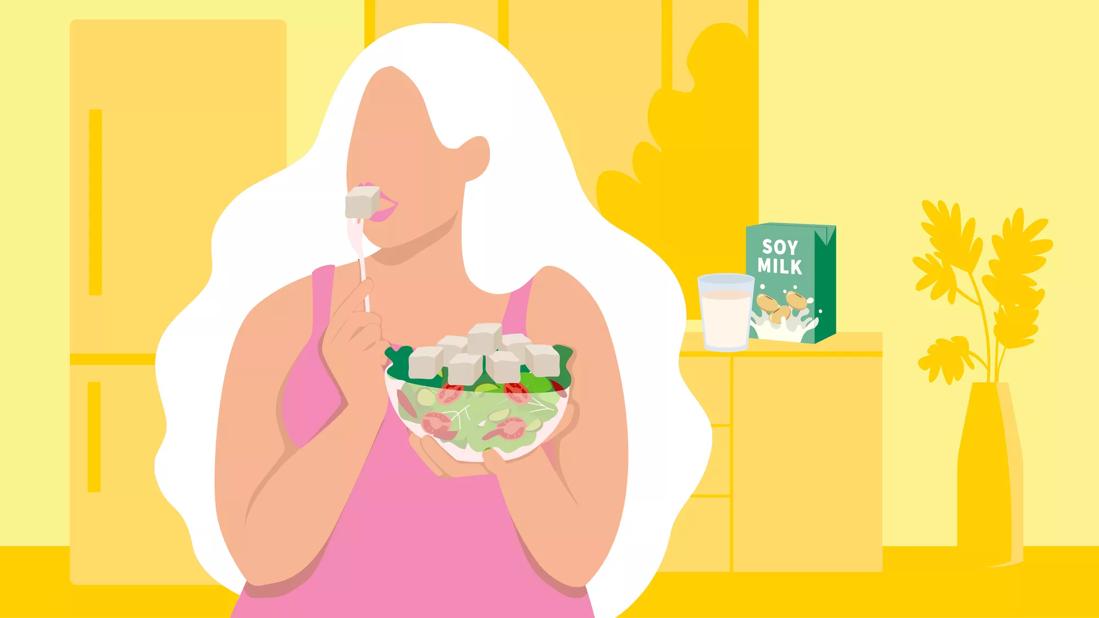
Menopause may be a normal biological transition, but that does not mean you must cheerfully accept night sweats, unpredictable moods, and a personal thermostat that appears to have been designed by a mischievous toddler.
Menopause is officially reached after 12 consecutive months without a menstrual period. The years leading up to it, known as perimenopause, can bring hot flashes, sleep problems, vaginal dryness, irregular periods, mood changes, joint discomfort, and difficulty concentrating. Symptoms vary enormously: one person may notice little more than a few skipped periods, while another feels as though her body has launched a surprise renovation without asking permission.
Natural menopause remedies can make this transition more manageable, particularly when symptoms are mild or moderate. However, “natural” should not be confused with “guaranteed,” “risk-free,” or “better than medical care.” The most useful strategies are generally practical habits that support temperature regulation, sleep, mood, muscle, bone, and cardiovascular health.
Here are six evidence-informed approaches worth discussing with your healthcare professional.
What Does Natural Menopause Relief Really Mean?
Natural menopause relief usually refers to lifestyle changes, food-based approaches, behavioral therapies, and complementary practices that do not rely on prescription hormones. These methods may reduce symptom intensity, improve overall well-being, or make specific problems easier to tolerate.
They are not one-size-fits-all treatments. A remedy that helps your coworker sleep may leave you wide awake wondering why you trusted Susan from accounting. Start with one or two realistic changes, track the results, and adjust your plan according to your symptoms.
It is also important to set reasonable expectations. Lifestyle measures can be valuable, but hormone therapy remains the most effective treatment for bothersome hot flashes and night sweats for appropriate candidates. Nonhormonal prescription treatments are also available. Natural remedies should expand your options, not pressure you to avoid effective medical care.
1. Cool Your Environment and Identify Hot-Flash Triggers
Hot flashes, also called vasomotor symptoms, are among the most common menopause complaints. They can cause sudden warmth in the face, neck, or chest, followed by sweating, chills, anxiety, or a racing heartbeat. Night sweats are essentially hot flashes that arrive after bedtime with terrible timing.
Create a Personal Cooling Kit
Simple temperature-control strategies will not change your hormones, but they may reduce discomfort when a hot flash begins. Try wearing lightweight layers, using breathable bedding, keeping cold water nearby, lowering the bedroom temperature, or placing a quiet fan beside your bed or workspace.
A portable fan can be surprisingly useful in meetings, on airplanes, and in grocery-store checkout lines where removing three layers of clothing might attract unnecessary attention.
Track Your Individual Triggers
Commonly reported triggers include alcohol, caffeine, spicy meals, hot drinks, smoking, stress, and overheated rooms. Not everyone reacts to the same things, so banning every enjoyable beverage from your life on day one is unnecessary.
Instead, keep a symptom diary for two weeks. Record when each hot flash occurs, what you recently ate or drank, the room temperature, your stress level, and the severity of the episode. Look for patterns before making changes. If red wine repeatedly turns bedtime into a tropical weather event, you have found useful information.
2. Exercise Regularly for Mood, Sleep, Muscle, and Bone Health
Exercise is not a guaranteed cure for hot flashes, but it is one of the best all-around strategies for navigating midlife. Regular movement can support mood, sleep, cardiovascular health, weight management, muscle retention, balance, and bone strength.
These benefits become especially important after menopause because declining estrogen levels are associated with changes in bone density, body composition, and cardiovascular risk. Physical activity therefore offers much more than a possible reduction in symptoms; it is an investment in long-term health.
Combine Three Types of Movement
A balanced weekly routine can include:
- Aerobic activity: Brisk walking, cycling, dancing, swimming, or hiking.
- Strength training: Weights, resistance bands, machines, or body-weight exercises at least twice weekly.
- Balance and mobility work: Yoga, tai chi, stretching, or controlled single-leg exercises.
Adults are generally encouraged to work toward at least 150 minutes of moderate-intensity aerobic activity per week, along with muscle-strengthening activities on two or more days. Beginners do not need to achieve the entire target immediately. Ten-minute walks count, and so does lifting grocery bags with unusually good posture.
Choose Consistency Over Punishment
The most effective exercise program is the one you can continue. If running makes your knees submit a formal complaint, try walking, rowing, water aerobics, or cycling. Gradually increase duration and resistance while allowing adequate recovery.
People with osteoporosis, heart disease, chronic pain, severe pelvic-floor symptoms, or a long period of inactivity should ask a healthcare professional about appropriate exercise modifications.
3. Build a Menopause-Friendly Sleep Routine
Sleep problems during menopause may involve night sweats, anxiety, restless legs, changing sleep rhythms, or difficulty returning to sleep after waking. Poor sleep can then intensify irritability, fatigue, food cravings, and problems with concentration. In other words, one symptom invites several friends and suddenly they are all eating snacks in your kitchen.
Protect Your Sleeping Environment
Keep the bedroom cool, dark, and quiet. Choose breathable sleepwear and bedding that can be removed in layers. A bedside glass of cold water and a spare dry shirt can prevent a 2 a.m. night sweat from becoming a full household production.
Use a Consistent Wind-Down Routine
Try to wake up and go to bed at similar times each day. Limit large meals, nicotine, alcohol, and caffeine near bedtime. Reduce bright-screen exposure during the final hour before sleep and replace it with reading, stretching, calm music, or a warm shower.
Schedule strenuous exercise earlier when possible, since intense late-night workouts may leave some people overly alert. Regular daytime activity, however, can support better sleep quality.
Do Not Assume Every Sleep Problem Is Menopause
Loud snoring, choking or gasping during sleep, persistent insomnia, morning headaches, or severe daytime sleepiness may indicate sleep apnea or another treatable condition. Seek medical evaluation rather than blaming every exhausted morning on hormones.
4. Follow a Nutrient-Dense, Mediterranean-Style Eating Pattern
No single “menopause diet” can switch off symptoms overnight. However, a balanced eating pattern can support energy, heart health, digestion, weight management, and bone strength during and after the menopause transition.
A Mediterranean-style approach emphasizes vegetables, fruits, beans, whole grains, nuts, seeds, fish, olive oil, and other minimally processed foods. It limits heavily processed snacks, excess added sugar, and large amounts of saturated fat. This style of eating is flexible enough to include ordinary meals rather than requiring exotic powders that taste like landscaped mulch.
Include Protein Throughout the Day
Protein supports muscle maintenance, recovery, fullness, and healthy aging. Include foods such as fish, poultry, eggs, Greek yogurt, beans, lentils, tofu, tempeh, or lean meat with meals.
Instead of saving nearly all your protein for dinner, distribute it across breakfast, lunch, and dinner. For example, breakfast might include yogurt and nuts, lunch could feature a bean salad, and dinner might include salmon with vegetables.
Pay Attention to Calcium and Vitamin D
Calcium and vitamin D are important for bone health. Food sources of calcium include dairy products, fortified plant beverages, calcium-set tofu, sardines, and certain leafy greens. Vitamin D can come from fortified foods, fatty fish, sun exposure, and supplements when medically appropriate.
Supplement needs vary according to diet, medications, health conditions, and laboratory findings. More is not automatically better, so ask a clinician before beginning high-dose calcium or vitamin D.
Reduce Alcohol When It Worsens Symptoms
Alcohol may worsen hot flashes or interfere with sleep in some people. Try reducing the amount, changing the timing, or taking a two-week break to see whether symptoms improve. Treat this as a personal experiment rather than a moral test.
5. Try Whole Soy Foods Instead of High-Dose Supplements
Soy contains isoflavones, plant compounds with mild estrogen-like activity. Research on soy for menopause symptoms has produced mixed results, but some people may experience a modest improvement in hot flashes after consuming soy foods consistently.
The effect, when it occurs, is not usually immediate. It may take several weeks, and soy is unlikely to provide the symptom reduction associated with hormone therapy. Still, whole soy foods can supply protein, fiber, and useful nutrients as part of a balanced diet.
Practical Ways to Add Soy
- Add edamame to salads, grain bowls, soups, or stir-fries.
- Use tofu in curries, scrambles, tacos, or blended sauces.
- Choose unsweetened fortified soy milk for oatmeal or smoothies.
- Try tempeh as a firm, high-protein alternative to meat.
Whole soy foods are generally preferable to concentrated isoflavone supplements because foods have a longer history of use and provide nutrients beyond isolated compounds. The American Cancer Society reports that eating soy foods appears safe for breast cancer survivors, although it remains unclear whether soy relieves their menopause symptoms. Individual cancer histories differ, so survivors should still discuss major dietary or supplement changes with their oncology team.
6. Use Mind-Body Practices to Reduce Symptom Distress
Stress does not cause menopause, but it can make symptoms feel more disruptive. A hot flash during a peaceful afternoon may be annoying; the same hot flash during a deadline, argument, or crowded presentation can feel like a five-alarm emergency.
Mind-body approaches may improve coping, sleep, anxiety, and quality of life. Evidence is particularly encouraging for cognitive behavioral therapy and clinical hypnosis for reducing how bothersome hot flashes feel. Yoga and mindfulness meditation may support stress reduction, mood, flexibility, and sleep, although they should not be advertised as guaranteed hot-flash cures.
Start With Five Minutes
A practical daily routine might include five minutes of slow breathing, a short guided meditation, or gentle yoga. During a hot flash, relax the shoulders, breathe slowly, and remind yourself that the episode will pass. This may not stop the flash, but it can reduce the wave of panic or frustration surrounding it.
Consider Structured CBT
Cognitive behavioral therapy helps people identify unhelpful thoughts and develop more effective responses. Menopause-focused CBT may address sleep habits, anxiety, stress, and beliefs such as, “I will be useless tomorrow because I woke up twice tonight.” Replacing catastrophic thoughts with realistic ones can reduce distress even when symptoms have not disappeared completely.
What About Acupuncture?
Some people report improvements with acupuncture, and it generally has a reasonable safety profile when performed by a qualified practitioner using sterile needles. However, research findings for menopause symptoms remain inconsistent, and benefits may not exceed those of comparison treatments in every study. Consider it an optional complementary approach rather than a proven replacement for medical therapy.
Natural Remedies That Deserve Extra Caution
Black cohosh, red clover, evening primrose oil, dong quai, and compounded “bioidentical” products are frequently marketed for menopause relief. Evidence for many of these options is limited, inconsistent, or specific to certain preparations. Products may also vary in strength, purity, and ingredients.
Black cohosh is a good example. Some studies of particular extracts have suggested possible symptom relief, while broader reviews and clinical guidance have found insufficient consistent evidence. Rare reports of serious liver injury have also led experts to recommend caution, especially for people with liver disease.
Dietary supplements are regulated differently from prescription drugs in the United States. Manufacturers generally do not have to prove a supplement is safe and effective before it reaches the market. Supplements can also interact with medications, medical conditions, surgery, or laboratory tests. Tell your doctor and pharmacist about every vitamin, powder, herb, and botanical product you use.
Match the Remedy to the Symptom
Menopause is not one symptom, so one remedy rarely solves everything. Use a symptom-specific approach:
- Hot flashes: Cooling techniques, trigger tracking, CBT, clinical hypnosis, and a medical treatment discussion when symptoms remain disruptive.
- Sleep problems: A cool bedroom, consistent sleep schedule, limited evening alcohol, and evaluation for persistent insomnia or sleep apnea.
- Mood changes: Exercise, stress management, adequate sleep, social support, counseling, and professional help for persistent anxiety or depression.
- Vaginal dryness: Regular vaginal moisturizers and lubricants during sexual activity may help. Persistent discomfort may respond to prescription vaginal treatments.
- Bone and muscle concerns: Strength training, weight-bearing activity, sufficient protein, calcium, vitamin D, and recommended health screenings.
Vaginal burning, painful sex, urinary urgency, and recurrent urinary infections may be part of genitourinary syndrome of menopause. These problems often require targeted treatment and should not be managed by simply drinking more herbal tea and hoping for the best.
When Natural Menopause Remedies Are Not Enough
Contact a healthcare professional when symptoms interfere with work, relationships, sleep, sexual comfort, or normal daily activities. Effective options may include menopausal hormone therapy, low-dose vaginal estrogen, nonhormonal prescription medications, counseling, or specialized sleep treatment.
Seek prompt medical care for bleeding after menopause, unusually heavy bleeding, a new breast lump, chest pain, fainting, severe headaches, shortness of breath, or symptoms of major depression. These issues should not automatically be attributed to menopause.
Hormone therapy is not appropriate for everyone, but it should not be rejected solely because it is not “natural.” Its benefits and risks depend on factors such as age, time since menopause, symptom severity, uterus status, personal preferences, and medical history. A qualified clinician can help compare all available options.
A Realistic Experience: Trying a Four-Week Menopause Relief Plan
The following story is a fictional composite based on commonly reported menopause experiences. It is not an individual medical case or a promise of results.
At 49, “Laura” had begun waking several times each night with damp pajamas and the unsettling certainty that someone had secretly installed a sauna beneath her mattress. By morning, she was tired, irritable, and relying on coffee to function. The extra caffeine made her afternoon hot flashes worse, but without it she felt capable of falling asleep during a video meeting.
Laura initially bought three herbal products after reading enthusiastic online reviews. Before taking them, she showed the labels to her pharmacist. One contained an ingredient that could interact with her medication, while another used a proprietary blend that did not clearly disclose how much of each herb it contained. She returned them and decided to begin with simpler changes.
During the first week, Laura tracked her symptoms. She recorded sleep, drinks, meals, exercise, stress, and hot flashes. The diary revealed two patterns: wine frequently preceded severe night sweats, and a second large coffee after lunch was associated with jitteriness and afternoon flushing.
She did not permanently ban either drink. Instead, she limited coffee to the morning and reserved wine for occasional dinners. She also lowered the bedroom temperature, switched to lighter bedding, and placed a fan near the bed. These adjustments did not eliminate night sweats, but they made it easier to cool down and return to sleep.
In week two, Laura began walking for 20 minutes after lunch. Twice a week, she completed a basic strength routine using resistance bands. The workouts initially felt embarrassingly difficult, particularly the squats, which introduced her to muscles she believed had moved out years earlier. By the end of the week, however, she noticed that the walks improved her mood and reduced the sleepy afternoon slump.
During week three, she focused on meals. Breakfast became oatmeal with soy milk and berries instead of a pastry eaten in the car. She added edamame or beans to lunch and made sure dinner included vegetables and protein. She did not attempt a rigid diet or weigh every almond. Her goal was to eat in a way that supported steady energy and long-term health.
She also tried a five-minute guided meditation before bed. At first, her mind produced a detailed list of unfinished chores the moment the recording said, “Release your thoughts.” After several nights, the routine became easier. Meditation did not prevent every hot flash, but Laura felt less alarmed when one began.
By the fourth week, her symptoms had not vanished. She still experienced hot flashes and occasionally slept poorly. The meaningful change was that they felt less chaotic. She understood several triggers, had a cooler sleeping setup, and felt stronger and more energetic.
Laura brought her symptom diary to her annual appointment. Because night sweats were still disrupting her sleep several times a week, she discussed hormone and nonhormonal treatment options with her clinician. The natural strategies remained part of her plan, but they did not become a reason to avoid additional care.
That is often what successful menopause relief looks like: not a miraculous overnight transformation, but a series of manageable improvements. Tracking symptoms helps identify what matters. Lifestyle changes support health even when they do not completely control symptoms. Medical treatment remains available when self-care is not enough.
Conclusion
The best natural remedies for menopause are usually the least glamorous: regular movement, better sleep habits, nutritious food, temperature control, stress-management skills, and careful experimentation with possible triggers. These strategies are unlikely to make menopause disappear, but they can improve comfort, energy, confidence, and long-term health.
Begin with changes that match your most disruptive symptom. Track your response for several weeks, avoid adding multiple supplements at once, and discuss persistent problems with a qualified healthcare professional. Menopause is a transition, not a test of how much discomfort you can tolerate while pretending everything is fine.













