
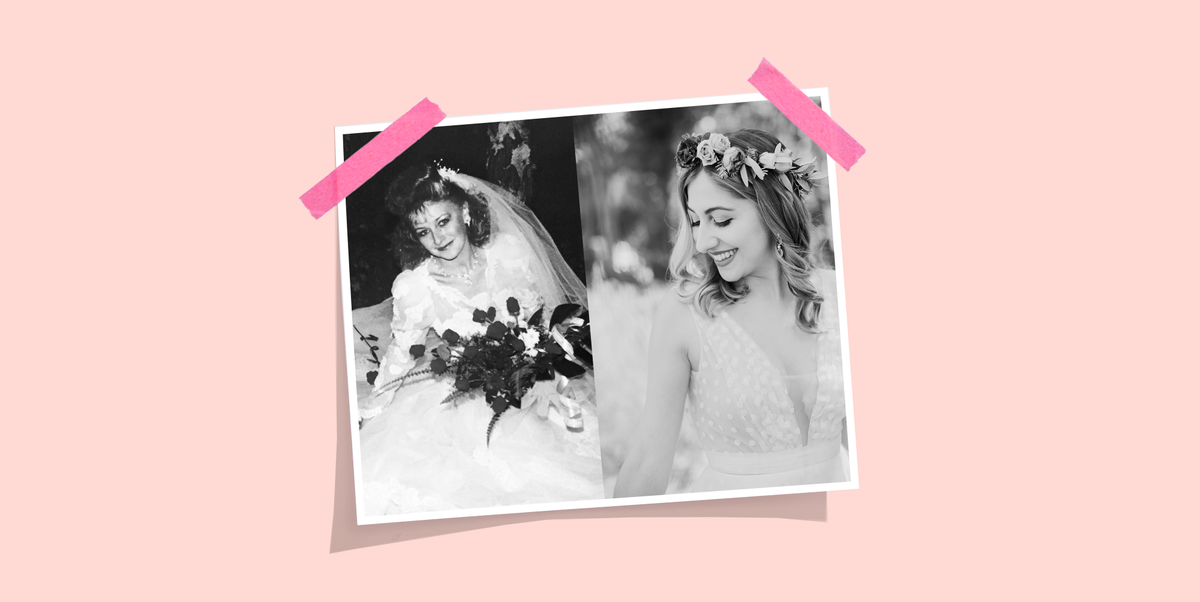
There are few shopping trips in life where everyone expects you to discover your identity, your taste, your budget, your childhood dreams, and possibly your upper-arm opinions under fluorescent boutique lighting. Finding a wedding dress sounds simple enough: walk into a bridal salon, try on a few white gowns, cry tastefully, say yes, hug your mother, and exit glowing like a rom-com heroine who has never had to pay for alterations.
In reality, wedding dress shopping is often messier, funnier, and far more personal. It is not just about lace, satin, tulle, crepe, bows, trains, buttons, veils, or whether “ivory” and “champagne” are secretly the same color wearing different LinkedIn titles. It is about seeing yourself clearly at a moment when everyone has an opinion about what a bride should look like.
This is the storyand the practical guideof finding more than a white gown. It is about choosing a wedding dress that fits your body, your budget, your personality, and the version of yourself who is walking into marriage with both romance and receipts.
Why a Wedding Dress Feels Bigger Than Fabric
A wedding dress is clothing, yes. But it is also a symbol. It carries family expectations, cultural traditions, personal fantasies, and a surprising amount of zipper-related suspense. For many brides, the dress is the most photographed garment they will ever wear. No pressure, right?
The white wedding dress itself has a long, complicated history. Brides did not always wear white. For centuries, many simply wore their finest dress, whatever color it happened to be. Queen Victoria helped popularize the white bridal look after wearing a white gown for her 1840 wedding to Prince Albert. Over time, that choice became wrapped in ideas of romance, purity, luxury, and tradition. Today, though, a white gown can mean almost anything the wearer wants it to mean: elegance, rebellion, simplicity, drama, nostalgia, confidence, or “I survived wedding planning and deserve pockets.”
That is why finding a wedding dress can feel emotional. The gown is not only asking, “What looks pretty?” It is asking, “Who are you when the room gets quiet and you stop dressing for applause?”
Starting the Search: Dream Board Meets Real Life
Most brides begin with inspiration. Maybe you save minimalist silk gowns, dramatic ball gowns, vintage lace dresses, modern square necklines, or sleeves so romantic they look like they were designed by a poet with excellent tailoring skills. Pinterest becomes less of an app and more of a second personality.
Inspiration is useful, but it should be a compass, not a cage. The dress you love online may not feel like you in person. A gown that looks quiet on the hanger may turn you into the main character. A style you swore you hated may suddenly make you whisper, “Oh no, she is the moment.”
Know Your Budget Before the Boutique Knows Your Weakness
Before booking appointments, set a full wedding dress budget. Not just the gown. The full number should include taxes, shipping, alterations, undergarments, shoes, veil, accessories, cleaning, and preservation if you plan to keep it. A dress that seems affordable can become a financial jump scare once tailoring enters the chat.
Many U.S. bridal guides recommend beginning the dress search around nine to twelve months before the wedding, especially for made-to-order gowns. Alterations can take several rounds and often require two to three months. If your timeline is shorter, do not panicbut be honest with the salon. Ask about sample dresses, off-the-rack options, rush fees, and designers with faster delivery.
Choose Your Shopping Team Carefully
Bring people who understand you, not people who treat bridal shopping like a competitive reality show. A good shopping crew listens, supports, and knows when to stop saying, “Just try one more.” Too many opinions can make the mirror feel crowded.
The ideal group is small: one or two trusted people who know your style, respect your budget, and will not project their own wedding regrets onto your neckline. If someone believes every bride must wear a cathedral veil, a tiara, and enough sparkle to guide aircraft, perhaps invite them to brunch afterward instead.
Understanding Wedding Dress Silhouettes Without Losing Your Mind
Wedding dress silhouettes are the basic shapes of gowns. Knowing them helps you communicate with stylists and avoid describing your dream dress as “kind of floaty but not too cupcake, like romantic but with bones.” Though, honestly, stylists have heard worse.
A-Line
An A-line wedding dress is fitted through the bodice and gradually widens toward the hem. It flatters many body types because it creates shape without clinging too tightly. It is classic, graceful, and forgiving after cocktail hour appetizers.
Ball Gown
The ball gown is dramatic, full-skirted, and unapologetically bridal. It is ideal for formal venues, grand entrances, and anyone who wants to feel like they just negotiated peace between two kingdoms. The downside? Stairs, bathroom logistics, and small cars may become supporting villains.
Sheath
A sheath gown falls closer to the body and often feels modern, effortless, and elegant. It works beautifully for beach weddings, city ceremonies, garden parties, and brides who prefer clean lines over volume.
Mermaid and Fit-and-Flare
Mermaid and fit-and-flare gowns hug the body through the torso and hips, then flare near the knees or thighs. These silhouettes are having a renewed fashion moment because they balance structure, romance, and confidence. They are stunning, but movement matters. Sit down. Walk. Dance. Practice your “hugging relatives while breathing” technique.
Empire Waist
An empire waist sits just below the bust and flows downward. It can feel soft, vintage, romantic, or bohemian depending on fabric and details. It is also a lovely choice for brides who want comfort without sacrificing elegance.
The Fitting Room Mirror: Where the Real Story Begins
The most surprising part of wedding dress shopping is not the price tag. It is the mirror. Bridal sizing can run differently from regular clothing, and sizes vary by designer. A bride who wears one street size may need a wedding dress several sizes larger. This is normal. It is not a moral crisis. It is not a character flaw. It is clothing math, and clothing math has always been suspicious.
The number on the tag is not your identity. The dress is supposed to fit you; you are not supposed to apologize your body into fitting the dress. A good bridal stylist will take measurements, explain sizing, and recommend the size that best supports alterations. Often, gowns are ordered to fit the largest measurement and tailored from there.
This is where many brides quietly confront old insecurities. The arms. The stomach. The height. The hips. The body part someone once commented on at a barbecue in 2009 and apparently your brain kept the receipt. A wedding dress can bring all of that to the surface.
But here is the truth: confidence does not arrive when every insecurity disappears. Confidence arrives when you stop letting those insecurities make all the decisions.
Trends Are Inspiration, Not Instructions
Modern bridal fashion is wonderfully broad. Current wedding dress trends include lace, structured draping, corset bodices, basque waists, halter necklines, bows, shimmering embellishments, convertible looks, capes, overskirts, unexpected textures, and even muted color. The biggest trend, though, is personality. Brides are less interested in looking like a template and more interested in looking like themselves.
That is good news. It means you can wear a minimalist gown and still be bridal. You can choose sleeves, no sleeves, sparkle, no sparkle, white, ivory, blush, champagne, blue, black, floral, vintage, rented, custom, or inherited. The wedding police are not coming. They are busy arguing about napkin folds.
The best wedding dress is not the trendiest dress. It is the one that supports the wedding you are actually having and the woman you actually are. A satin ball gown may be breathtaking, but if you are getting married in a humid garden in July, you may want to think twice before becoming a beautiful baked potato. A long train is magical, but if your reception is on grass, it may collect leaves, twigs, and possibly one confused beetle.
Fabric, Comfort, and the Secret Life of a Wedding Dress
Fabric changes everything. Satin feels smooth and formal. Mikado has structure and shine. Crepe is sleek and modern. Chiffon is soft and airy. Tulle adds volume and fairytale texture. Lace can be romantic, vintage, bold, or delicate depending on the pattern. Beading brings sparkle but can add weight. Sequins photograph beautifully but may scratch underarms if placed aggressively by someone who clearly never danced to Beyoncé.
When trying on gowns, ask practical questions. Is the fabric breathable? Can you sit comfortably? Does the neckline stay in place? Will you need special undergarments? Is the bodice supportive? Does the dress require a bustle? How heavy is it after ten minutes? After thirty? After your aunt asks for “just one more picture” for the seventeenth time?
Comfort is not the enemy of beauty. Comfort is what lets beauty relax its shoulders.
Alterations: The Unsung Hero of the Bridal Look
Alterations are where a dress becomes your dress. Hemming, taking in the bodice, adjusting straps, adding cups, building a bustle, reshaping sleeves, or refining the waist can transform a gown from “pretty” to “how dare I look this good.”
Budget for alterations from the beginning. Simple changes may be modest, while complicated custom work, heavy beading, lace reconstruction, or major resizing can become expensive. Schedule fittings with your actual wedding shoes and undergarments. Bring the accessories you plan to wear so the whole look works together.
Also, be realistic about body changes. Engagement can be stressful, joyful, busy, and unpredictable. Bodies fluctuate. That is human. Avoid ordering a dress based on a future body you hope to negotiate with. Choose the size that fits your current measurements and work with a professional tailor. Your wedding day should not be a deadline for self-punishment.
Inclusive Bridal Shopping: Every Body Deserves the Moment
The bridal industry has made progress toward inclusive sizing, more diverse models, and better representation, though there is still work to do. Brides deserve to try on gowns that fitnot clips, apologies, or imaginary panels. No one should be told their dream style is unavailable because their body does not match an outdated sample rack.
Before booking an appointment, call the salon and ask what sample sizes they carry. Ask whether they have plus-size wedding dresses, petite-friendly options, modest gowns, adaptive solutions, or designers that support a broad size range. A good boutique will answer respectfully. A bad one will give you useful information by being terrible early.
Your wedding dress experience should feel welcoming. Not perfect, necessarily. But safe. Human. Kind. The goal is not to squeeze yourself into someone else’s bridal fantasy. The goal is to find a gown that lets you stand fully in your own.
Sustainability, Sentiment, and Smarter Choices
A wedding dress does not have to be brand new to be meaningful. Many brides are considering vintage gowns, pre-owned dresses, rentals, sample sales, heirloom redesigns, or simpler dresses they can wear again. A sustainable wedding dress can be stylish, emotional, and budget-conscious at the same time.
Maybe you alter your mother’s gown into a modern rehearsal dinner dress. Maybe you buy a pre-loved designer dress and give it a second story. Maybe you choose a simple ivory slip gown and wear it again on anniversaries. Maybe you donate your dress afterward so another bride can have her moment. The romance is not reduced because the dress has history. Sometimes history is the romance.
Finding Myself in the Dress I Did Not Expect
I thought I knew what I wanted. I had saved photos of gowns with clean lines, soft fabric, and elegant drama. I imagined myself looking effortless, which is funny because nothing about wedding planning makes a person effortless. I wanted timeless but not boring, romantic but not sugary, structured but not stiff. Basically, I wanted a dress that said, “I read literary fiction but also know how to order fries for the table.”
The first gown was beautiful on the hanger and confusing on me. The second made me look like I had wandered out of a historical miniseries and forgotten my horse. The third was fine, which is the cruelest word in bridal fashion. Fine is what you say about hotel carpet. I did not want to marry the love of my life in “fine.”
Then came a dress I had nearly ignored. It was not exactly what I pinned. It had more structure than I expected and a neckline I had sworn would not work on me. I put it on because the stylist gently suggested it, and because by then I had lost the will to argue with satin.
When I stepped out, nobody screamed. Nobody cried immediately. There was no violin swell, no golden beam of light, no boutique employee whispering, “The prophecy is fulfilled.” Instead, I looked in the mirror and felt quiet. Not underwhelmed. Quiet. Like my body had stopped negotiating. Like I recognized myself before anyone else told me what to think.
That was the beginning of understanding that the right wedding dress might not create a new version of me. It might simply reveal the one I had been editing down.
Extra Experience: The Saturday I Stopped Auditioning for My Own Life
The most important part of finding my wedding dress happened on a Saturday afternoon, somewhere between the third appointment and an emergency coffee that tasted like emotional support in a paper cup. I was tired. My face hurt from smiling politely. My phone was full of photos where I stood on little platforms looking like a nervous cake topper.
At that point, I had tried on dresses for everyone. One for my mother’s idea of classic. One for my friend’s idea of fashion-forward. One for the algorithm’s idea of bridal. One because a stranger online said my body type “needed” a certain silhouette, which is a ridiculous thing to let a stranger decide, but wedding planning makes people vulnerable to nonsense with good lighting.
I remember sitting in the dressing room in a half-zipped gown while the stylist adjusted the clips behind me. My hair was falling out of its bun. There was foundation on the inside of a neckline. My socks did not match. I looked less like a glowing bride and more like a woman losing a silent argument with fifteen pounds of tulle.
Then I laughed. Not because anything was especially funny, although bridal clips are objectively tiny medieval devices. I laughed because I realized I had been trying to win approval from a room that had never actually asked me to disappear. The people who loved me did not need me to become thinner, taller, trendier, softer, cooler, or more traditional. They were not waiting for me to transform into “Bride,” capital B, like a seasonal character released by a lifestyle brand.
They were waiting for me to come out as myself.
So I changed the rules. I stopped asking, “Does this make me look bridal enough?” and started asking, “Can I breathe in this version of myself?” I stopped judging every dress like a performance review. I walked. I sat. I raised my arms. I imagined hugging my partner, dancing badly, eating dinner, laughing too loudly, and bending down to talk to a flower girl who would almost certainly step on my hem.
That shift changed everything. A dress that had seemed too simple suddenly looked peaceful. Another that had seemed glamorous began to feel like armor I did not want to carry. The dress I chose did not solve my insecurities, but it did not feed them either. It let me stand normally. It let my shoulders drop. It made me feel beautiful without making beauty feel like labor.
When I finally said yes, it was not because everyone cried. A few people did, because weddings turn even practical relatives into decorative fountains. But I said yes because I could picture living in that dress for one of the biggest days of my life. Not posing in it. Living in it.
That is what I wish every bride knew. The dress is not a test. It is not proof that you are worthy of being chosen. You have already been chosen. You are choosing, too. The gown is just fabric until you bring your history, humor, body, courage, and joy into it. Then it becomes something else. Then it becomes yours.
Conclusion: The Dress Was Never Just a Dress
Finding a wedding dress can be magical, but it can also be practical, emotional, awkward, hilarious, and deeply revealing. The best bridal gown is not always the one you expected, the one your relatives imagined, or the one trending online. It is the one that helps you feel present in your own life.
So try the lace. Try the crepe. Try the sleeves. Try the gown you think is not your style. Ask about alterations, budget, sizing, fabric, comfort, and timelines. Bring people who love the real you. Ignore the tag number. Respect your body. Let trends inspire you, not boss you around.
Because when the wedding day comes, the dress will matterbut not as much as the woman inside it. The gown may be white, ivory, blush, champagne, or something entirely unexpected. The real beauty is not the color. It is the moment you realize you do not have to become a bride by becoming less yourself.














