Note: This article is written for web publication in standard American English and synthesizes real, publicly available context about the comic series, visual storytelling, webcomics, graphic novels, and comics culture without reproducing source text.
Every good comic needs a doorway. Sometimes it is a glowing portal, sometimes it is a suspicious wardrobe, and sometimes it is simply a strange hidden door in the middle of the woodsbecause apparently trees are now doing real estate development. Freaky Forest, a comic series by Elsa Duberg, begins with exactly that kind of irresistible setup: Frankie and pug Pawl stumble across a mysterious door in the forest one night and discover a magical world filled with fairies, witches, monsters, and creatures that probably do not follow normal leash laws.
At first glance, Freaky Forest feels like a charming fantasy comic with a classic adventure hook. A kid, a loyal animal companion, a secret entrance, and a hidden worldthese are ingredients that have worked for generations because they activate one of the best questions in storytelling: “What is behind that?” But the comic also hints at something bigger. Frankie and Pawl’s arrival in the Freaky Forest is not just a random accident. Their presence matters. That tiny narrative spark gives the series its engine, turning a cute discovery into the beginning of a larger mystery.
What Is “Freaky Forest” About?
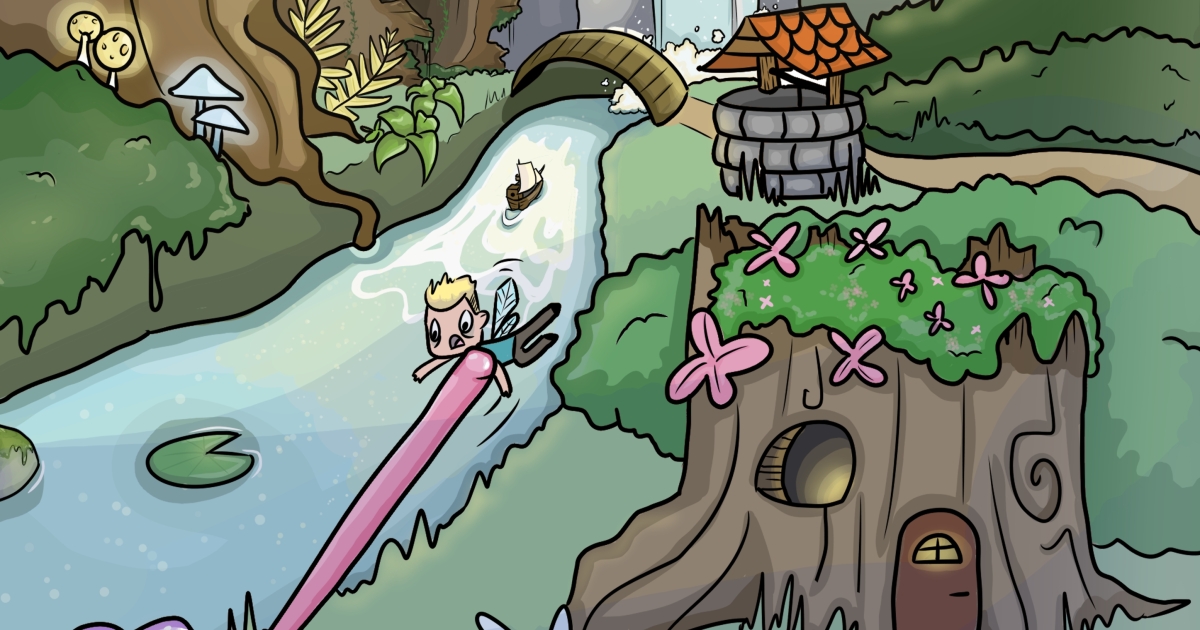
Freaky Forest follows Frankie and Pawl, a pug with a name so perfect it deserves its own squeaky toy endorsement deal. During a nighttime walk or wandering adventure, they find a hidden door in the forest. On the other side is a magical realm populated by fairies, witches, monsters, and strange beings. Instead of treating the forest as simple scenery, the story makes it a character in itself: mysterious, alive, dangerous, funny, and possibly judging everyone’s footwear.
The title works because it instantly promises tone. “Forest” gives readers fantasy, nature, mystery, and fairy-tale energy. “Freaky” adds comedy, oddness, surprise, and a slightly spooky wink. It does not sound like a grim horror saga where every tree whispers tax advice. It sounds playful, weird, and imaginativethe kind of place where a monster might chase you, then apologize because it thought you were someone else.
Why the Hidden-Door Premise Still Works
The hidden door is one of fantasy’s most reliable devices because it transforms the familiar into the impossible. A forest is already a perfect setting for suspense: limited visibility, strange sounds, twisting paths, and the constant suspicion that something with antlers knows more than it is saying. Add a door where no door should be, and the reader immediately understands that the world has rules we have not learned yet.
In comic storytelling, that kind of visual premise is especially powerful. A prose story can describe a door, but a comic can make readers pause on it. The panel can show its shape, scale, texture, symbols, shadows, and the characters’ reactions. Frankie’s curiosity, Pawl’s body language, the surrounding darkness, and the doorway’s design all work together before a single line of dialogue has to explain anything. That is the magic of comics: the art does not decorate the story; it carries the story on its tiny, ink-stained back.
Frankie and Pawl: A Classic Duo With Built-In Comedy
Adventure stories often benefit from a two-character core. One character can be curious, brave, or reckless, while the other can react, question, worry, or accidentally make everything worse by sniffing the cursed mushroom. Frankie and Pawl have that natural buddy-adventure potential. A human protagonist gives the reader someone to follow emotionally. A pug gives the story personality, humor, and a built-in excuse for visual comedy.
Pugs are expressive by default. They look mildly offended by gravity. In a fantasy comic, that expression can become a tool: Pawl can be frightened, suspicious, heroic, hungry, or all four within one panel. Animal companions also soften the tension. Even when the forest becomes strange or dangerous, Pawl keeps the story grounded in warmth. He reminds readers that wonder is more fun when someone small, loyal, and snorty is experiencing it with you.
The Appeal of Fairies, Witches, Monsters, and Magical Creatures
The Freaky Forest world draws from a familiar fantasy toolbox, but that is not a weakness. Fairies, witches, monsters, and mysterious creatures are flexible archetypes. They can be scary, funny, elegant, chaotic, wise, petty, or all of the above before breakfast. A fairy might be noble and ancient, or she might be five inches tall and furious about acorn theft. A witch might be terrifying, misunderstood, stylish, or simply tired because someone keeps entering her woods without knocking.
This kind of cast gives the series room to grow. Each new creature can introduce a rule, conflict, joke, clue, or moral dilemma. The forest can become a living network of characters, factions, secrets, and enchanted inconveniences. For a comic series, that matters because readers return not only for plot, but for the pleasure of discovering what odd thing will appear next.
Why “Freaky Forest” Fits the Webcomic Era
Freaky Forest also feels at home in the modern webcomic landscape. Digital comics have changed how readers discover visual stories. Instead of waiting for a traditional publisher, creators can share pages online, build audiences gradually, and test ideas directly with readers. Platforms and creator communities have made comics more accessible to artists who may not have a giant studio, a marketing department, or a dragon guarding a distribution contract.
That accessibility matters for a series like Freaky Forest. Its appeal is personal and imaginative. It does not need to start with a 400-page lore bible, three spin-offs, and a streaming deal where every tree gets a tragic backstory. It can begin with a door, two characters, and a promise that the woods are stranger than they look. Online audiences often respond well to that direct creative energy because it feels handmade, intimate, and alive.
Comics Are More Than “Pictures With Words”
One reason a fantasy series like this can work so well is that comics use several forms of reading at once. Readers follow words, images, panel order, facial expressions, body language, sound effects, and the invisible action that happens between panels. In a forest adventure, that gives the creator many ways to build mood. A narrow panel can feel claustrophobic. A wide panel can make the forest look endless. A silent panel can create suspense. A sudden close-up of Pawl’s worried face can say, “I have concerns, and also I would like a snack.”
Graphic storytelling rewards economy. A single image can establish setting, emotion, danger, and character relationships faster than a paragraph of exposition. For young readers, reluctant readers, and visual thinkers, this makes comics especially inviting. For experienced readers, it creates a layered experience where the fun comes from noticing how words and pictures cooperate, argue, and occasionally trip over each other in the best possible way.
The Forest as a Story Engine
Forests have always been excellent story machines. They hide things. They change shape in the dark. They make ordinary noises sound suspicious. In fairy tales, the forest is where children get lost, heroes are tested, witches build questionable housing, and animals reveal that they have been emotionally intelligent all along.
In Freaky Forest, the woodland setting creates instant flexibility. One path can lead to a fairy village. Another can lead to a witch’s cottage. A hollow tree can hide a map, a monster, or a tiny bureaucratic office where squirrels process magical permits. The setting gives the comic endless opportunities for episodic adventures while still supporting a larger mystery about why Frankie and Pawl matter.
Humor Makes the Magic More Memorable
The best fantasy is not always serious. In fact, humor often makes magical worlds feel more believable. If everything is grand and dramatic all the time, readers may admire the world but not want to live in it. A funny detaila monster with social anxiety, a fairy with bad directions, a pug who refuses to respect ancient prophecymakes the fantasy feel touchable.
Freaky Forest has a title that invites that balance. “Freaky” suggests oddness rather than pure terror. The comic can be spooky without becoming grim, whimsical without becoming sugary, and adventurous without needing every chapter to end with thunder, lightning, and someone announcing destiny in a cape.
Why the Series Has Strong SEO Potential
From an SEO perspective, My Comic Series Called “Freaky Forest” is a surprisingly rich topic. It naturally connects to keywords such as fantasy comic series, webcomic, magical forest comic, indie comic creator, graphic storytelling, visual storytelling, and fantasy adventure comic. These phrases fit the article without feeling forced because they describe the actual subject. That is the difference between good SEO and keyword stuffing, which is what happens when a paragraph walks into a room wearing twelve name tags.
The article also has strong search intent potential. Readers may be looking for the comic itself, fantasy webcomics to read, examples of indie comic series, or inspiration for creating their own comic. A well-structured page can serve all of those audiences by combining summary, analysis, creative context, and practical insight.
Lessons Creators Can Learn From “Freaky Forest”
Start With a Simple, Powerful Hook
The premise is easy to understand: a girl and her pug find a hidden door in the forest. That is clean, visual, and compelling. Many creators overcomplicate their beginnings, trying to explain kingdoms, bloodlines, magic systems, and seven ancient wars before the reader has met anyone worth caring about. Freaky Forest shows the value of beginning with discovery.
Use Familiar Elements in a Personal Way
Fairies, witches, and monsters are familiar, but the specific combination of Frankie, Pawl, and the Freaky Forest gives the idea its own flavor. Originality does not always mean inventing something no human has ever imagined. Sometimes it means arranging beloved ingredients in a way that feels personal, funny, and emotionally inviting.
Let the World Suggest Future Stories
A magical forest is not a dead-end setting. It can expand in every direction. That is useful for a comic series because each installment can reveal a new creature, conflict, rule, or secret. The world itself becomes a reason to keep reading.
Reader Experience: Why This Kind of Comic Sticks
Readers remember stories that make them curious. Freaky Forest creates curiosity through environment and implication. What is the door? Who built it? Why can Frankie and Pawl enter? Are they welcome? Are they in danger? Is Pawl secretly more important than everyone realizes? Please let the pug be part of the prophecy; he has the face for it.
The comic’s charm lies in that sense of invitation. It does not shove readers into a complicated mythos immediately. It opens a door and lets them step through. That is a smart way to begin a fantasy comic because it mirrors the reader’s own experience. Frankie and Pawl are discovering the forest at the same time we are, so every new creature or setting feels shared.
Extra Experience Section: What Working on a “Freaky Forest”-Style Comic Feels Like
Creating a comic like Freaky Forest is exciting, but it is also a strange little endurance sport. At first, the idea feels simple. You sketch a forest. You draw a mysterious door. You add a lovable pug. You think, “Perfect. I am basically a wizard now.” Then page two arrives, wearing work boots, and asks how the door opens, what the forest looks like from the inside, how tall the fairies are, whether the monsters speak, and why the main character is emotionally brave enough to enter a glowing supernatural entrance instead of doing the sensible thing and calling an adult.
The biggest experience in making this kind of comic is learning that worldbuilding happens in details. A magical forest is not just “a forest, but sparkly.” It needs rules. Maybe some trees move when nobody is looking. Maybe witches mark safe paths with ribbons. Maybe fairies trade in memories instead of coins. Maybe monsters are scary only during office hours. These details make the setting feel alive, and they also give the artist visual material to play with.
Another major lesson is pacing. In prose, a writer can move quickly through action. In comics, every beat needs space. If Frankie sees the door, reaches for it, hesitates, hears a sound, and then Pawl barks, that might require several panels. The temptation is to rush because drawing takes time, and every background tree feels like it has personally declared war on your wrist. But slowing down often improves the story. A silent panel before the door opens can create more suspense than a long explanation.
Character design is another surprisingly emotional part of the process. Frankie must look expressive enough to carry fear, curiosity, confusion, and courage. Pawl must be cute without becoming a decorative potato. The magical creatures need silhouettes that readers can recognize quickly. A good comic character should be identifiable even in a tiny panel, half-hidden behind a speech bubble, possibly while running from a mushroom with opinions.
There is also the experience of balancing humor and danger. If the forest is too silly, the mystery loses weight. If it is too dark, the charm disappears behind a bush and refuses to come out. The sweet spot is playful suspense: readers should feel that something important is happening, but they should also enjoy the weirdness of the journey. A witch can be intimidating and still have a terrible filing system. A monster can roar and then get embarrassed because it forgot its line.
Finally, making a comic like this teaches patience. Comics are built panel by panel, expression by expression, background by background. Progress can feel slow, but every page becomes proof that an imaginary world is becoming visible. That is the real joy of Freaky Forest: it reminds creators and readers that a story does not need to begin with a massive explosion. Sometimes it begins with a door in the woods, a curious hero, and a pug who probably should not be trusted around magical snacks.
Conclusion
My Comic Series Called “Freaky Forest” has the ingredients of a memorable fantasy webcomic: a simple hook, an inviting mystery, a charming duo, a flexible magical setting, and a tone that can move between spooky and funny without losing its heart. Frankie and Pawl’s journey into the hidden world of the Freaky Forest works because it taps into a universal childhood feeling: the belief that the ordinary world is full of secret entrances, and that adventure is waiting just beyond the place adults told you not to wander.
For readers, it offers whimsy, curiosity, and creature-filled fun. For creators, it is a reminder that strong comic storytelling begins with clear visual ideas and emotionally engaging characters. A door, a forest, a pug, and a mystery may sound small at first, but in comics, small openings can lead to enormous worlds.