
If you’ve ever tried to hand-wash a stock pot in a tiny stainless-steel sink, you know the struggle:
clanging metal, water everywhere, and at least one minor identity crisis. That’s why so many
homeowners are moving to apron-front farmhouse sinksand why the
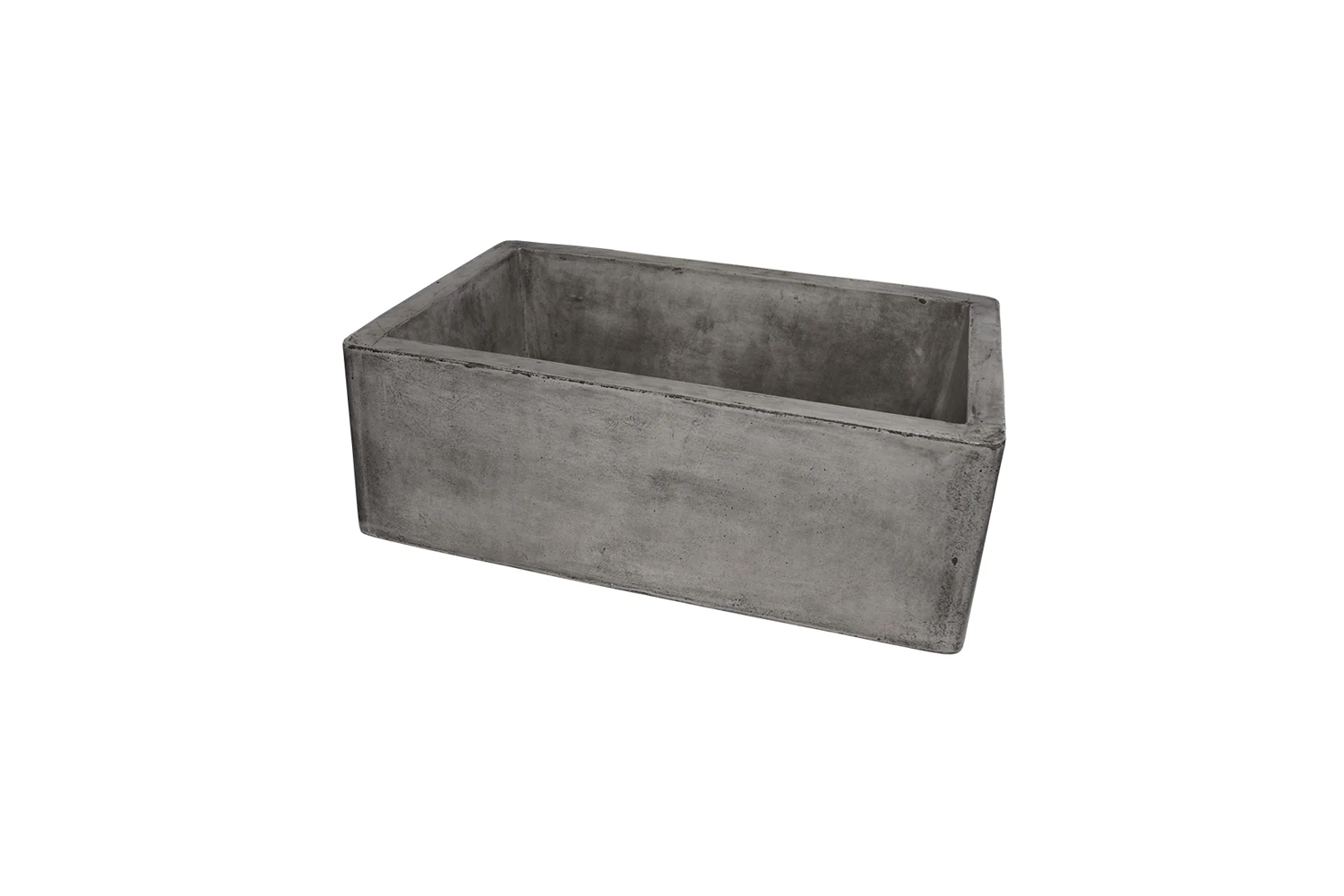
Native Trails NativeStone 30 in. Concrete Farmhouse Kitchen Sink has become a serious
crush object in the kitchen design world.
This 30-inch NativeStone concrete farmhouse sink brings together modern performance, handcrafted
character, and that “my kitchen could absolutely be in a magazine” feeling. Below, we’ll walk through
what it’s made of, how big it really is, what it’s like to live with, and whether it deserves a starring
role in your next remodel.
Meet the NativeStone 30-Inch Concrete Farmhouse Sink
Native Trails is a California-based brand known for artisan-made kitchen and bath fixtures
especially copper and concrete sinks. Their Farmhouse 3018 model (the 30-inch NativeStone
farmhouse sink we’re talking about here) is a single-bowl concrete apron-front sink designed to fit a
standard 33-inch base cabinet. It measures roughly 30″ wide x 18″ front-to-back x 10.25″ high, with an
interior bowl around 27.5″ x 15.5″ x 9.5″, plus a standard 3.5″ drain opening.
Unlike many “concrete-look” sinks that are just composite with a textured finish, NativeStone is the
real deal: a proprietary blend of concrete and natural jute fibers. The result is a material that’s
lighter than traditional concrete, highly resistant to cracking, and sealed with NativeStone Shielda
next-generation sealer that helps protect against stains, scratches, and water intrusion.
You’ll usually see this sink offered in several soft, matte finishesoften named things like Pearl,
Ash, Earth, Slate, or Sandso it works with everything from Scandinavian white-oak cabinets to moody,
dark-stained islands.
Key Features and Specs That Actually Matter
1. Thoughtful Dimensions and Capacity
The Native Trails NativeStone 30 in. concrete farmhouse kitchen sink hits a sweet spot in size: large
enough to soak sheet pans and Dutch ovens, yet compact enough for smaller kitchens that can’t handle
a 36-inch behemoth.
- Overall size: about 30″ W x 18″ D x 10.25″ H
- Interior bowl: about 27.5″ W x 15.5″ D x 9.5″ H
- Minimum base cabinet size: 33″
- Installation: apron-front farmhouse, often with undermount capability
- Drain: standard 3.5″ center drain opening
In everyday terms, that means you can finally lay a full baking sheet flat in the sink, soak a wok, or
secretly hide a day’s worth of dishes when someone texts, “We’re five minutes away!”all without
splashing water across half the kitchen. Deep, wide farmhouse sinks are especially helpful for
families and frequent home cooks who need real working space.
2. NativeStone Material: Concrete, Evolved
Traditional concrete can be heavy, porous, and prone to hairline cracks if not properly reinforced.
NativeStone solves those headaches by blending Portland cement with jute fiber. The jute runs
throughout the sink body, increasing tensile strength and resistance to cracking without adding a ton
extra weight.
On top of that, each sink is sealed with NativeStone Shield, a multi-step nano sealer that
helps create a barrier against water, oils, food acids, wine, coffee, and everyday staining. That
sealer also improves scratch resistance and gives the surface a smooth, silky feel rather than a chalky,
dusty concrete texture.
3. Durability and Performance
Concrete sinks, when properly sealed, are known for their durability: they handle daily use, resist
chips and stains better than many people expect, and don’t mind hot pots the way some synthetic
materials do.
With the Native Trails NativeStone farmhouse sink, you’re getting:
- Excellent stain resistance thanks to the advanced sealer.
- Good heat resistance, so a hot pan isn’t an instant disaster (though you still shouldn’t make a habit of dropping red-hot cast iron directly on any sink).
- Softer landings than steel: concrete is more forgiving on glassware than stainless steel, especially in a deep, single-bowl configuration.
- Solid sound-dampening: less “ping” and more muted thud when you set things down.
One important note: because the material contains cement and aggregates, many retailers list a
California Proposition 65 warning for silica exposure. This doesn’t mean the sink is unsafe for normal
use; it’s a regulatory label that applies primarily to cutting, grinding, or modifying products that
contain silica.
Why Choose a Concrete Farmhouse Sink in the First Place?
If you’re torn between stainless steel, fireclay, composite, and concrete, here’s how a NativeStone
farmhouse sink tends to stand out.
Pros of a Concrete Farmhouse Kitchen Sink
-
Design drama: The solid apron-front and matte concrete finish create a focal point that
pairs beautifully with quartz, butcher block, marble-look, or natural stone counters. -
Real working depth: Farmhouse sinks are famously wide and deep, which makes washing
large cookware actually relaxing instead of resembling a full-body workout. -
Unique, artisan feel: Because these sinks are handcrafted, there can be subtle
variations in finish and texturemore “custom studio piece,” less “mass-produced box store item.” -
Reduced splashing: The deep bowl helps keep water inside the sink instead of on your
shirt or the floor.
Potential Cons to Keep in Mind
-
Weight: Even with jute reinforcement making it lighter than standard concrete, this is
still a heavy sink. Your base cabinet might need reinforcement, and installers must be comfortable
handling a 90+ pound fixture. -
Upfront cost: NativeStone sinks live firmly in the “premium” category. You’re paying
for design, artisan craftsmanship, and advanced materials. -
Care expectations: While the sealer makes maintenance easy, you still need to avoid
harsh abrasives and follow basic care guidelines to protect the finish over time.
Installation Considerations for the NativeStone 30" Farmhouse Sink
1. Cabinet and Countertop Planning
Because this Native Trails NativeStone 30 in. concrete farmhouse kitchen sink is an apron-front
design, your base cabinet will need a custom cutout for the front panel. You’ll also want a cabinet
that’s at least 33″ wide, plus structural support beneath the sink bottom or along the sides to
handle the weight.
Countertop fabricators will typically template around the sink, especially if you’re doing an
undermount installation. That gives you a tight fit at the back edge and clean integration with
quartz, granite, or other surfaces.
2. Drain, Disposer, and Plumbing
With a standard 3.5″ drain opening, the sink plays nicely with most garbage disposals and standard
kitchen drain kits. Many homeowners opt for a Native Trails-branded drain or decorative basket
strainer in a finish that matches the faucetthink brushed nickel, matte black, or brass.
3. Faucet and Accessory Pairing
Because the sink itself doesn’t have pre-drilled faucet holes (the faucet usually mounts on the
countertop or wall), you have design freedom:
- A tall pull-down faucet for a modern chef’s kitchen look.
- A classic bridge faucet with cross handles for a more traditional farmhouse vibe.
- An air gap, soap dispenser, or filtered water faucet for extra functionality.
The key is scale. A skinny little bar faucet on a 30-inch concrete apron-front sink will look… shy.
Choose a faucet with some visual presence so the proportions feel intentional.
Everyday Life with a NativeStone Farmhouse Sink
So what’s it like using this sink day in and day out? Picture this:
You’re cooking dinner, and instead of balancing pans and bowls like a game of Tetris in a small,
double-bowl sink, you just drop everything into one large basin. Sheet pans lay flat, colanders have
space to breathe, and rinsing produce doesn’t mean playing dodge-the-splash.
The matte concrete finish also does a great job hiding minor water spots and fingerprints compared
with polished stainless steel. If you’re not the type to wipe down the sink after every glass of
water (no judgment), NativeStone is pretty forgiving.
Noise is another underrated perk: setting dishes into concrete is quieter than on thin stainless, and
the bulky, solid body dampens sound from the disposer. You still know when you drop a fork, but it
doesn’t sound like a cymbal crash.
Care, Cleaning, and Long-Term Maintenance
The good news: caring for a Native Trails NativeStone 30 in. concrete farmhouse kitchen sink is more
like caring for quartz than like babysitting a raw concrete countertop.
-
Routine cleaning: Mild dish soap and a soft sponge or cloth are usually enough.
Rinse well after use and wipe dry if you want to minimize water spots. -
Avoid harsh abrasives: Skip steel wool, scouring powders, and super-aggressive
scrub pads that could dull the sealer. -
Watch harsh chemicals: Prolonged exposure to strong bleach solutions, drain openers,
or oven cleaners is a bad idea for any sink, including sealed concrete. -
Use a bottom grid: A protective grid helps prevent dropped pots, cast iron, or sharp
utensils from creating impact marks on the sink bottom.
Over time, the sealer may need refreshing, especially in heavy-use households. Native Trails offers
maintenance products (like NativeStone Shield) designed specifically for their sinks, which can
extend their life and keep the finish looking smooth and consistent.
Is the Native Trails NativeStone 30" Farmhouse Sink Worth It?
If your goal is the lowest possible price and you don’t care much about aesthetics, this probably
isn’t your sink. But if you’re investing in a kitchen that feels custom, cohesive, and genuinely
enjoyable to cook in, the Native Trails NativeStone 30 in. concrete farmhouse kitchen sink checks a
lot of boxes:
- Premium, artisan-made construction.
- Durable, high-performance concrete and jute blend with a sophisticated sealer.
- Versatile 30-inch size that works in many kitchens.
- Design-forward finishes that complement modern, rustic, or transitional spaces.
The trade-offs are cost, weight, and the need for a bit of respectful carebut for many homeowners,
that’s a fair exchange for a sink that becomes the centerpiece of the kitchen rather than an
afterthought.
Real-Life Experiences with the NativeStone Farmhouse Sink (500-Word Deep Dive)
Beyond specs and marketing copy, what really sells people on the Native Trails NativeStone 30 in.
concrete farmhouse kitchen sink is how it behaves in real kitchens: busy, messy, lived-in spaces
where someone is always either cooking, cleaning, or snacking.
Imagine a small open-concept kitchen in a city townhouse. The homeowner wanted something that made
the compact space feel intentional and upscale, but there wasn’t room for a huge 36-inch sink. The
30-inch NativeStone farmhouse model ended up being the perfect compromise. It gave them the visual
punch of a full apron-front sink without swallowing up the entire run of cabinetry. They paired it
with light oak flat-front cabinets, a slim quartz countertop, and a tall black pull-down faucet. The
sink became the visual anchorpeople walked in and commented on it before they noticed anything else.
Day to day, the homeowner loved how easy it was to hide clutter. When friends came over, dirty dishes
went right into the deep basin, invisible from the living space. They used a stainless steel bottom
grid to protect the surface and were pleasantly surprised by how well the matte finish disguised
minor scuffs and marks. Even after marathon cooking nights, a quick rinse and wipe brought it back to
“show kitchen” status.
In a very different scenario, picture a family of four in a more traditional suburban homewhite
shaker cabinets, subway tile backsplash, and a warm wood island. They’d previously had a divided
double-bowl sink and were constantly annoyed by the lack of space for baking sheets and large pots.
Swapping to the Native Trails NativeStone 30-inch farmhouse sink was a game changer. Suddenly, cookie
sheets, casserole dishes, and big mixing bowls could soak side by side. They joked that the sink
“swallowed” the mess so the counters stayed clear.
The parents also appreciated the quieter sound profile. With kids doing homework at the island and
someone always loading dishes, the reduced clatter compared with their old stainless sink made the
kitchen feel calmer. The concrete’s solid, dense feel helped absorb noise from both dishes and the
garbage disposal.
An interior designer who frequently specifies NativeStone sinks in client projects highlights another
benefit: consistency across styles. The same 30-inch concrete farmhouse sink can look sleek and
modern in a minimalist loft, then warm and rustic in a country-style homeall depending on the
faucet, hardware, and surrounding finishes. From a design perspective, that flexibility is gold. She
likes that each sink feels slightly unique due to its handcrafted nature, but not so inconsistent
that it’s hard to plan around.
Of course, there are learning curves. A few homeowners report that they had to adjust their cleaning
habitsswitching from harsh scrub powders to gentler cleaners and remembering not to leave super-tough
chemicals sitting in the basin. Some also mention that they treat the sink a bit like a stone
countertop: wipe spills reasonably quickly, don’t go wild with abrasive pads, and use a grid or soft
mat if they’re handling heavy cast iron. In return, the sink has held up beautifully through years of
daily use.
Overall, lived experience with the Native Trails NativeStone 30 in. concrete farmhouse kitchen sink
tends to boil down to this: it feels solid, looks high-end, works hard, and makes the kitchen more
enjoyable to use. It’s not just a fixture you rinse dishes init becomes part of the overall story of
the space, adding character and texture in a way that a basic metal sink simply can’t match.
Conclusion: A Workhorse with Showpiece Energy
The Native Trails NativeStone 30 in. concrete farmhouse kitchen sink isn’t for everyonebut it is for
anyone who wants their kitchen to feel thoughtfully designed, tactile, and genuinely pleasant to cook
in. With its reinforced concrete construction, deep single bowl, advanced sealer, and handcrafted
aesthetic, it delivers both function and personality.
If you’re already investing in new cabinets, counters, and appliances, upgrading to a NativeStone
farmhouse sink can be the detail that ties everything together. It’s the difference between “nice
kitchen” and “wow, whose kitchen is this?”
SEO JSON META
Sources:














