Note: This article discusses wine culture, education, hospitality, and responsible adult enjoyment. It is intended for readers of legal drinking age and encourages moderation, inclusion, and alcohol-free options where appropriate.
Introduction: Wine Should Not Feel Like a Final Exam
Wine has a reputation problem. Not because it lacks charmfar from itbut because too many people think enjoying wine requires a velvet blazer, a mysterious cellar, and the ability to say “terroir” without panicking. The truth is far more inviting: wine culture has room for lifelong oenophiles, curious beginners, dinner-party dabblers, restaurant explorers, collectors, cooks, travelers, and that one friend who chooses a bottle because the label has a very confident rooster on it.
The phrase “Oenophiles and Amateurs Welcome” captures a modern approach to wine appreciation: knowledgeable without being snobby, educational without being exhausting, and social without turning every sip into a lecture. Whether someone knows the difference between Cabernet Sauvignon and Cabernet Franc or simply wants to understand why one red feels bold while another tastes silky, the best wine experiences make people feel included.
Wine is both simple and complex. At its core, it is a fermented beverage shaped by grapes, climate, soil, fermentation, aging, and human choices. Around the table, however, wine becomes something more approachable: a conversation starter, a food companion, a reason to slow down, and occasionally the source of passionate debate over whether a bottle “smells like wet stone” or “just smells like wine.” Both opinions are welcome.
This guide explores how wine lovers and beginners can share the same space comfortably. We will cover wine vocabulary, tasting confidence, restaurant etiquette, food pairing, social events, and how to build a welcoming wine culture that does not require anyone to pretend they can detect “sun-warmed gravel” on command.
What Does “Oenophile” Mean?
An oenophile is simply a person who loves wine. The word sounds fancy, but the concept is refreshingly human. Oenophiles may collect bottles, study wine regions, follow vintages, visit vineyards, or debate the emotional complexity of Pinot Noir as if discussing a dramatic film character. Still, being an oenophile does not mean being unapproachable.
At its best, oenophilia is curiosity. It is the desire to understand why a Sauvignon Blanc can taste crisp and citrusy, why a Syrah may feel peppery and dark-fruited, or why sparkling wine works so beautifully with salty snacks. Serious wine lovers often know that the more they learn, the more there is to discover. In other words, the true expert is usually the person most willing to say, “Let’s find out.”
Amateurs Are Not Outsiders
The word “amateur” comes from the idea of love, not incompetence. In wine, an amateur might be someone just beginning to explore styles, grapes, regions, and pairings. That person may not know what “malolactic fermentation” means, but they may know exactly what they enjoy with roast chicken, mushroom pizza, or a bowl of buttery popcorn. That matters.
Beginners bring fresh reactions that experts sometimes lose. They notice whether a wine feels friendly, sharp, heavy, refreshing, cozy, or confusing. They ask honest questions. They are not trying to impress the table; they are trying to understand it. That kind of curiosity keeps wine culture alive.
Why Inclusive Wine Culture Matters
Wine can be intimidating because it has its own language. Terms like tannin, acidity, body, minerality, vintage, appellation, and structure may sound like a secret code. But wine language is not meant to create a velvet rope. It exists to help people describe what they taste and communicate what they like.
An inclusive wine environment turns technical words into useful tools. Instead of saying, “This wine has refined tannic architecture,” a welcoming host might explain, “This red has a drying feeling, a little like strong black tea.” Suddenly the room relaxes. Nobody needs a dictionary. Nobody fakes a nod. The wine becomes understandable.
Restaurants, wine shops, tasting rooms, and home gatherings all benefit from this attitude. When people feel safe asking basic questions, they learn faster and enjoy more. When experts explain without condescension, their knowledge becomes generous rather than performative. Wine should widen the circle, not guard the gate.
Wine Basics That Help Everyone Join the Conversation
You do not need to memorize every wine region on Earth to participate in a wine conversation. A few basic ideas can make the experience much easier.
Acidity
Acidity gives wine freshness and brightness. It is the mouthwatering quality that makes a wine feel lively. Wines with higher acidity often pair well with rich, salty, fried, creamy, or tangy foods because they refresh the palate. Think of acidity as the dinner guest who opens a window when the room gets too stuffy.
Tannin
Tannins are natural compounds found especially in grape skins, seeds, and stems. They create a drying or gripping sensation, most common in red wines. If strong black tea makes your mouth feel dry, you already understand tannin. Tannic wines often feel structured and bold, which is why they are frequently paired with hearty foods.
Body
Body describes the weight of wine in the mouth. A light-bodied wine may feel delicate and refreshing, while a full-bodied wine may feel richer and more powerful. Skim milk, whole milk, and cream offer a useful comparison: same general category, very different textures.
Sweetness
Sweetness refers to the perception of sugar in wine. Some wines are bone-dry, some are lightly sweet, and others are dessert-level sweet. A wine can smell fruity without tasting sweet, which is one of the first surprises beginners discover. Fruity does not always mean sugary; sometimes it just means the wine reminds you of cherries, apples, peaches, berries, or citrus.
Aroma and Flavor
Wine aromas can come from grapes, fermentation, aging, and storage. People may describe fruit, flowers, herbs, spices, earth, oak, vanilla, toast, smoke, or minerals. Not everyone smells the same things, and that is fine. If one person says “black cherry” and another says “jammy fruit,” they may both be circling the same experience from different angles.
How to Talk About Wine Without Sounding Like a Cartoon Aristocrat
Good wine conversation is not about showing off. It is about being specific enough to be helpful. Instead of declaring, “This vintage lacks philosophical depth,” try something more useful: “This tastes lighter than I expected,” or “I like how fresh this feels,” or “This red is a little too drying for me.” Congratulationsyou have just communicated like a normal human being.
Here are a few friendly phrases that work for both oenophiles and amateurs:
- “This feels bright and refreshing.”
- “I notice more fruit than spice.”
- “The finish is short, but pleasant.”
- “This would be nice with something salty.”
- “I prefer something lighter.”
- “I am still learning what I like.”
That last sentence is powerful. It gives permission to explore. It also gently disarms the person who wants to turn a casual dinner into a courtroom cross-examination about Burgundy.
Food and Wine Pairing: Helpful Guidelines, Not Stone Tablets
Food pairing is one of the most enjoyable parts of wine culture because it rewards curiosity. The right pairing can make both the food and the wine taste more balanced. The wrong pairing is rarely a disaster; at worst, it becomes a funny story and a reason to open sparkling water.
Match Weight With Weight
Light foods usually work best with lighter wines, while richer dishes often pair better with fuller-bodied wines. A delicate white fish can be overwhelmed by a heavy red, while a grilled steak may make a very light white seem shy. Balance is the goal.
Use Acidity to Refresh Rich Foods
High-acid wines can brighten creamy pasta, fried chicken, cheese boards, and salty snacks. This is why sparkling wines, crisp whites, and lively rosés often perform beautifully at parties. They act like a palate reset button, which is especially helpful when the appetizer table contains three kinds of cheese and someone has introduced bacon-wrapped anything.
Consider Sauce Before Protein
Pairing by meat alone can be misleading. Chicken in a lemon-herb sauce asks for a different wine than chicken in a smoky barbecue glaze. Pasta with tomato sauce needs a wine that can handle acidity, while pasta with cream sauce may appreciate freshness and contrast. The sauce often drives the pairing more than the main ingredient.
Respect Personal Taste
The best pairing is not always the one a textbook recommends. If someone loves crisp white wine with nearly everything, that preference matters. Wine enjoyment is not a math equation; it is more like music. Some people want jazz, some want pop, and some insist that dinner is improved by dramatic opera. Let them have their moment.
Restaurant Wine Lists: How Beginners Can Feel Confident
A restaurant wine list can look intimidating, especially when it resembles a small novel with prices that require emotional preparation. But guests do not need encyclopedic knowledge to make a good choice. The most useful strategy is to communicate preferences clearly.
Instead of asking for “a good wine,” adult guests can describe what they like: crisp, smooth, bold, dry, fruity, earthy, light, rich, sparkling, or refreshing. Mentioning the food order also helps. A good server or sommelier can translate those preferences into a suitable bottle or glass.
Budget should never be awkward. It is perfectly acceptable to point to a price range on the list and say, “We are looking around here.” Hospitality professionals understand this. In fact, being clear about budget saves everyone from the tragic theater of pretending not to notice a bottle that costs as much as a weekend getaway.
Hosting a Wine-Friendly Gathering Without Making It Weird
A welcoming wine gathering does not need to feel like a formal tasting exam. The goal is comfort, conversation, and discovery. For adult guests, offer a range of styles if possible: something sparkling, something white, something rosé, something red, and always appealing nonalcoholic choices. The nonalcoholic options should feel intentional, not like a punishment served in a sad corner.
Food should be easy to enjoy. Cheese, fruit, nuts, olives, roasted vegetables, flatbreads, charcuterie, dips, and small desserts can create a relaxed atmosphere. Labeling wines with simple tasting notes helps beginners participate: “crisp and citrusy,” “soft and berry-like,” “bold and savory,” or “light and floral.” These descriptions invite curiosity without demanding expertise.
Encourage guests to compare impressions, but avoid forcing opinions. Some people love discussing aromas; others simply want to enjoy the evening. Both approaches are valid. The best host creates space for learning without turning the living room into a seminar titled “The Soil Whispered to the Grape.”
Common Wine Myths That Deserve Retirement
Myth 1: Expensive Wine Is Always Better
Price can reflect rarity, reputation, production costs, aging potential, and demand. It does not guarantee personal enjoyment. Many moderately priced bottles are well-made, balanced, and delicious. A wine does not need to financially insult you to be worth appreciating.
Myth 2: Real Wine Lovers Only Drink Red
This myth needs to be escorted out immediately. White, rosé, sparkling, orange, dessert, and fortified wines all offer complexity and pleasure. Serious wine lovers explore broadly. Limiting oneself to red wine alone is like claiming to love music but refusing to hear anything with a piano.
Myth 3: Screw Caps Mean Low Quality
Screw caps are widely used for convenience and freshness, especially for wines meant to be enjoyed young. Cork still has tradition and romance, but screw caps are not a shameful secret. They are practical, reliable, and much less likely to require a wrestling match with a corkscrew.
Myth 4: You Must Finish the Bottle
Responsible wine culture never pressures anyone to overconsume. Enjoyment is about taste, company, and contextnot quantity. Leftover wine can often be preserved for a short period, used in cooking by adults, or simply left unfinished. Moderation is not a buzzkill; it is how the evening remains pleasant.
How Wine Shops Can Welcome Both Experts and Beginners
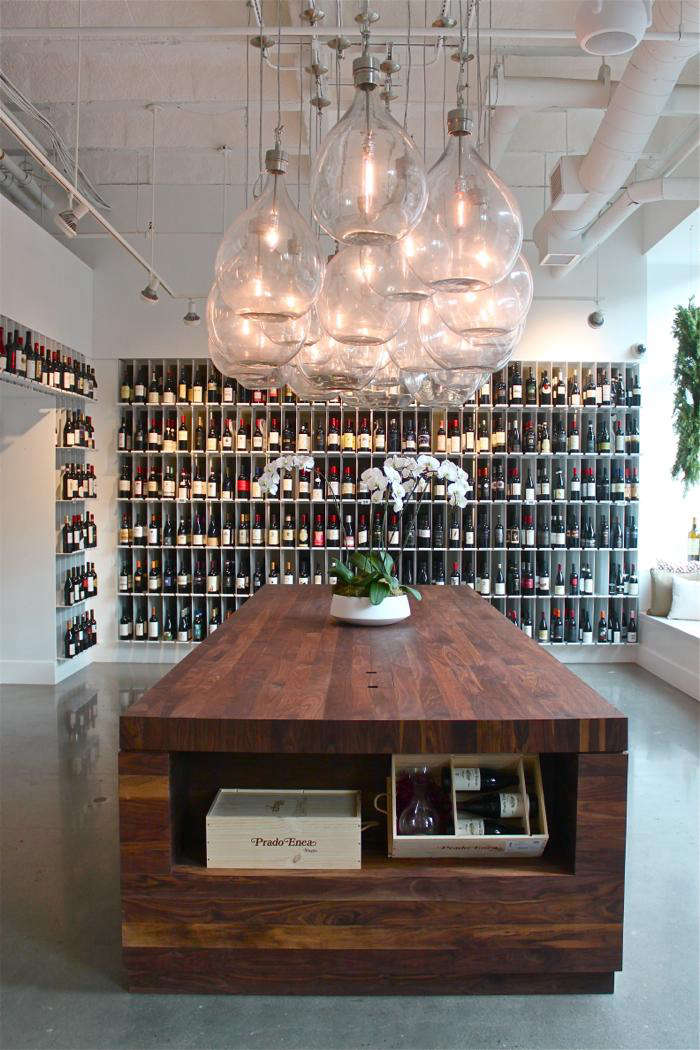
A great wine shop feels like a library where the books are arranged by flavor, region, and occasion. Staff members play a crucial role in making customers comfortable. Instead of overwhelming beginners with technical language, the best shops ask practical questions: What food is being served? Do you prefer lighter or fuller flavors? Is this for a gift, a dinner, or casual exploring? What price range feels comfortable?
For oenophiles, deeper conversations about producers, vintages, regions, and styles are part of the fun. For beginners, friendly guidance builds trust. A shop that serves both audiences well can turn a nervous first-time buyer into a loyal customer and a casual browser into a future enthusiast.
Wine Travel and Tasting Rooms: Curiosity Is the Best Passport
Wine travel has grown because it combines landscape, agriculture, food, history, and hospitality. Regions such as California, Oregon, Washington, New York, and Virginia offer tasting experiences that range from polished estates to small family-run wineries. The best tasting rooms understand that visitors arrive with different knowledge levels.
Beginners should feel comfortable asking simple questions about grape varieties, vineyard practices, and flavor differences. Experienced visitors may enjoy learning about soil types, fermentation choices, barrel aging, and vintage variation. A strong tasting room experience makes room for both. The goal is not to prove expertise; it is to connect the wine to the place and people behind it.
Building a Personal Wine Vocabulary
Developing wine vocabulary takes time, but it does not require memorizing poetic nonsense. Start with broad categories: light or full, dry or sweet, fruity or earthy, soft or tannic, crisp or round. Then add detail naturally. A white wine might be citrusy, peachy, floral, creamy, or mineral. A red might suggest cherry, plum, blackberry, pepper, leather, herbs, or baking spice.
Keeping simple notes can help. A useful note might read: “Liked this with pizzabright, cherry, not too heavy.” That is far more practical than “an existential meditation on volcanic dusk,” unless volcanic dusk is truly what happened, in which case please invite a geologist.
Responsible Enjoyment Belongs at the Center
Any thoughtful discussion of wine should include responsibility. Wine is an alcoholic beverage intended only for adults of legal drinking age. Responsible wine culture respects personal limits, local laws, health considerations, designated drivers, pregnancy guidance, medications, recovery choices, religious preferences, and simple personal preference. Nobody owes anyone an explanation for declining alcohol.
Modern hospitality increasingly includes alcohol-free wines, mocktails, sparkling water, tea, coffee, and creative zero-proof pairings. This is not a downgrade. It is good hosting. A table becomes more welcoming when every guest has something enjoyable in the glass, regardless of whether it contains alcohol.
Experiences: Where Oenophiles and Amateurs Meet in Real Life
The most memorable wine experiences often happen when expertise and beginner curiosity share the same table. Imagine a small dinner party where one guest arrives with a carefully chosen Pinot Noir and another brings a grocery-store sparkling wine because the label looked festive. In a rigid room, someone might judge. In a welcoming room, both bottles become part of the story. The Pinot Noir may shine with mushroom tartlets, while the sparkling wine may turn out to be the surprise hero with salty chips and soft cheese. The lesson is not that every bottle is equal; the lesson is that discovery requires openness.
Another common experience happens in restaurants. A beginner scans the wine list and quietly worries about choosing “wrong.” An oenophile at the table could dominate the decision, but the better move is collaboration. Ask what everyone is eating. Ask what styles people enjoy. Invite the server’s advice. Suddenly, the wine list stops being a test and becomes a conversation. The amateur learns a few helpful terms, the expert gets to share knowledge kindly, and the group ends up with a bottle that fits the meal instead of one that merely flatters someone’s ego.
Tasting rooms offer similar lessons. A first-time visitor may feel nervous when glasses are lined up and the staff begins discussing vineyards, clones, barrels, or vintage conditions. A good educator slows the pace and connects the details to sensory experience. Instead of saying only, “This was aged in neutral oak,” they might add, “That means the barrel shapes the texture without adding strong vanilla flavor.” That small explanation opens a door. The amateur feels included, and the oenophile gains a clearer way to explain the same idea to friends later.
Home tastings can be especially powerful because they remove the pressure. A casual theme like “three styles of Chardonnay” or “light reds for dinner” gives structure without stiffness. Guests can compare impressions using ordinary language. Someone may notice apple, another may notice butter, and another may simply say, “This one feels smoother.” All of those reactions are useful. The point is not to crown the smartest taster. The point is to understand how different wines create different experiences.
Wine experiences also teach humility. Even experts get surprised. A famous region may disappoint on a particular night, while an unfamiliar bottle may charm the room. A pairing that sounds odd may work beautifully. A guest who claims to dislike all red wine may discover a chilled light-bodied red that changes their mind. A person who usually avoids sweet wines may find that a balanced dessert wine with fruit tart is not sugary chaos but harmony. Wine keeps people curious because it refuses to be completely predictable.
The best shared wine moments are generous. They leave space for personal taste, responsible choices, and humor. They allow someone to say, “I do not know what I am smelling, but I like it.” They allow another person to explain without lecturing. They make room for water glasses, alcohol-free options, spit cups at educational tastings, and the simple joy of food around a table. In that environment, oenophiles and amateurs are not separated by status. They are connected by curiosity.
Conclusion: The Best Wine Table Has Extra Chairs
Oenophiles and amateurs welcome is more than a friendly phrase. It is a philosophy for better wine culture. It says knowledge should be shared, not weaponized. It says beginners deserve patience, not eye rolls. It says experts can be passionate without being pretentious. Most importantly, it reminds us that wine is not only about bottles, labels, regions, or scores. It is about people gathering around taste, story, food, place, and conversation.
A welcoming wine experience does not require perfect vocabulary or expensive bottles. It requires curiosity, respect, moderation, and a willingness to learn. The amateur who asks honest questions and the oenophile who answers kindly are both essential to the table. Together, they make wine culture warmer, smarter, and far more fun.