
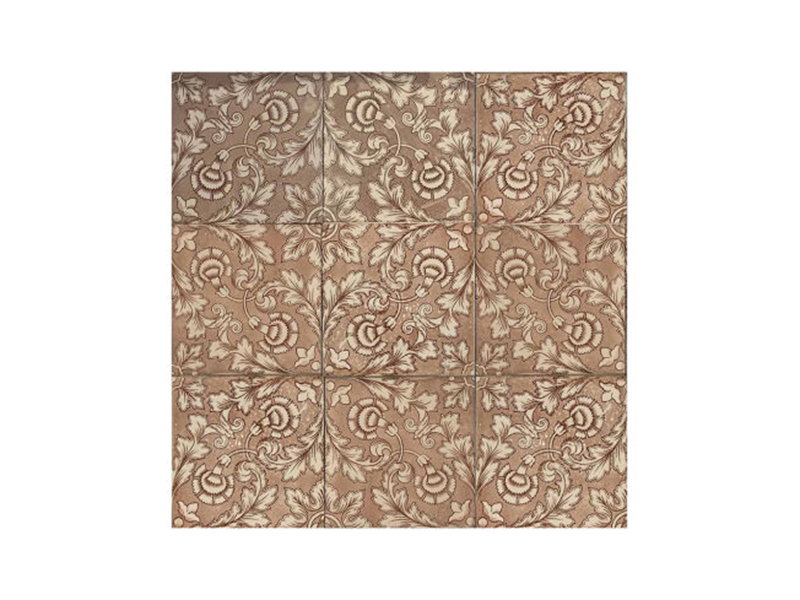
Original antique tiles are not merely surfaces you walk on or wipe spaghetti sauce off of. They are small, fired pieces of history: colorful witnesses to changing tastes, regional craftsmanship, old-world manufacturing, and the occasional questionable bathroom renovation from 1978.
Whether you are restoring a Victorian entryway, hunting for vintage subway tile, rescuing an Art Deco bathroom, or adding a few salvaged tiles to a modern kitchen, original antique tiles bring something reproductions cannot fully copy: real age, real variation, and real character. A tiny chip may be a flaw in a showroom tile. In an original antique tile, it can look like a well-earned wrinkle.
What Are Original Antique Tiles?
Original antique tiles are genuine historic tiles made during an earlier period and still surviving in their original form. They may come from demolished homes, old hotels, schools, churches, apartment buildings, train stations, fireplaces, kitchens, or bathrooms that were remodeled before anyone realized the old tile was cooler than the replacement.
In the antiques world, the word antique is often used for objects that are at least 100 years old. In the architectural salvage market, however, sellers may use “antique,” “vintage,” “historic,” and “period” more loosely. That is why buyers should focus less on a romantic label and more on provenance, material, condition, and design era.
Original antique tiles can include:
- Victorian encaustic floor tiles
- Geometric mosaic tiles
- Early subway tiles
- Art Nouveau decorative wall tiles
- Art Deco bathroom tiles
- Hand-painted European tiles
- Historic fireplace surrounds
- Quarry tiles and terracotta pavers
- Mid-century ceramic tiles
- Decorative majolica and art pottery tiles
Some are elegant and formal. Others are humble little squares that spent decades under muddy boots, dripping umbrellas, and probably one suspiciously energetic Labrador. Both can be historically valuable.
Why Original Antique Tiles Matter
They Preserve Real Architectural Character
Original tile is often a character-defining feature in an older home. A patterned vestibule floor, a tiled fireplace surround, or a colorful 1930s bathroom may tell you more about a building’s history than a dozen framed photos in the hallway.
Historic tiles also reflect the technology and design preferences of their era. Early handmade tiles may have irregular edges, slight differences in thickness, uneven glaze, and subtle shifts in color. These variations are not defects. They are the visual evidence that a human hand, a kiln, clay, and time all had a meeting.
They Have Patina That Cannot Be Manufactured
Modern reproduction tile can imitate historic styles beautifully, but original tile has a depth that comes from decades of use. The surface may be softened by foot traffic. The glaze may have fine crazing. The color may be slightly faded near a sunny window. Even the grout stains can contribute to the story, although nobody is required to become emotionally attached to 90 years of mysterious kitchen grime.
They Support Reuse and Architectural Salvage
Using reclaimed tile can keep historic building materials out of landfills while preserving craftsmanship that may be difficult or expensive to reproduce today. Salvaged tiles are especially useful when restoring a small damaged section of an original floor, repairing a fireplace surround, or completing a period-appropriate bathroom.
Popular Types of Original Antique Tiles
Victorian Encaustic Tiles
Victorian encaustic tiles are known for bold geometric patterns, deep earth tones, and decorative motifs. Unlike printed tiles, true encaustic tiles often have colored clay patterns that extend into the body of the tile. This makes them visually rich and remarkably durable, although decades of foot traffic can still wear down the surface.
They are commonly found in entry halls, porches, public buildings, churches, and grand homes. A black, red, buff, and cream Victorian floor can make a narrow hallway feel like it has been promoted to minor palace status.
Subway Tiles
Classic white subway tiles became popular in the early twentieth century because they were bright, practical, and easy to clean. Their familiar rectangular shape is still widely copied today, but original examples often have subtle differences in glaze, edge profile, thickness, and color.
Early subway tile installations frequently used running-bond patterns with narrow grout joints. Original tiles may appear creamier or slightly more irregular than modern versions, especially after decades of light exposure and cleaning.
Art Deco Tiles
Art Deco tile is all about confidence. Think dramatic color combinations, bold borders, stepped patterns, fan motifs, black-and-white geometry, seafoam green, powder blue, peach, burgundy, and enough visual energy to make a plain white bathroom nervous.
These tiles are often associated with bathrooms and public spaces from the 1920s through the 1940s. They can be especially valuable when complete original installations survive with matching trim, soap dishes, towel bars, and corner pieces.
Majolica and Decorative Art Tiles
Majolica tiles are often richly glazed, highly decorative, and sometimes wonderfully over-the-top. Floral patterns, animals, fruit, mythical creatures, and pastoral scenes were common subjects. Decorative art tiles may have been produced by regional pottery studios or larger manufacturers, making identification especially important.
A single original decorative tile can work as a framed display piece, a fireplace accent, or a backsplash focal point. Just do not hide it behind a toaster. That would be like parking a convertible in a broom closet.
Quarry Tile and Terracotta Pavers
Quarry tile and terracotta pavers are more understated, but they are no less historic. These unglazed tiles often come in earthy reds, browns, grays, and warm clay colors. They suit kitchens, mudrooms, porches, garden rooms, and Mediterranean-inspired interiors.
Because many original quarry tiles are dense and durable, they can survive for generations. Their biggest enemy is usually moisture damage beneath the surface, not ordinary wear on top.
How to Identify Original Antique Tiles
Identifying old tile is part detective work, part material science, and part resisting the urge to believe every seller who says, “It came from a very important estate.” Maybe it did. Maybe the estate was called Gary’s Basement.
Look at the Back of the Tile
The reverse side often provides important clues. Older tiles may have raised ridges, grid patterns, circles, manufacturer marks, or recessed areas designed to improve adhesion to mortar. Handmade tiles may show irregularities, kiln marks, or variations in clay color.
Study the Tile Body and Glaze
Original antique tiles often have a denser, more complex appearance than modern reproductions. Look for natural wear, crazing, slight color changes, and irregular glaze pooling. However, age alone does not prove authenticity. Artificial distressing can make a new tile look old faster than a reality television makeover.
Check Dimensions Carefully
Historic tiles may not match modern standard dimensions exactly. A tile described as “three inches” may measure slightly under or over that size. Thickness can also vary, especially in handmade or early machine-made tile.
Measure several pieces, not just one. A single tile can be misleading because old tiles sometimes shrink, wear down, or become distorted during removal.
Search for Manufacturer Marks
Some tiles include stamps, initials, logos, or symbols on the back. These marks can help identify the maker, approximate production period, and original use. A tile specialist, architectural salvage dealer, preservation consultant, or tile history organization may be able to help with research when the mark is unclear.
Evaluate the Installation Context
If tiles remain in place, study the entire room before removing anything. Original borders, corner pieces, trim tiles, thresholds, and transitions often reveal whether the installation is historically complete. A floor that looks “dated” may actually be a rare surviving example of a particular period.
Buying Original Antique Tiles Without Regret
Ask About Provenance
Provenance means the documented history of where the tiles came from. The ideal seller can tell you the building type, location, approximate age, material, and whether the tiles were removed professionally.
You may not always receive a full biography for every tile, but basic information matters. A dealer who can explain whether a group came from a 1910 townhouse, a 1930s hotel bathroom, or an old commercial building is usually more useful than someone offering “old tile, probably European, maybe haunted.”
Buy Enough for Repairs
Original antique tiles are often sold in limited quantities. Before beginning a project, calculate the total coverage area, account for cuts, and set aside a small reserve for future repairs. Once the installation is complete, store your spare tiles somewhere dry, labeled, and memorable.
A shoebox marked “important old tile” is better than nothing. A labeled storage bin with photos, measurements, and notes is much better.
Inspect for Damage
Check for cracks, chips, hairline fractures, glaze loss, staining, warping, and old adhesive on the back. Minor wear may be acceptable and even desirable. Structural cracks, deep spalling, or severe glaze failure deserve a closer look.
Ask whether the tiles are suitable for floors, walls, fireplaces, or decorative use only. A delicate wall tile should not be pressed into service under dining chairs and a family of enthusiastic roller skaters.
Match the Tile to the Room
Original tiles do not need to be used only in old homes. The trick is to let them feel intentional. A small collection of antique tiles can create a dramatic fireplace surround in a contemporary room. A salvaged Victorian border can add personality to a restrained entryway. A few Art Deco tiles can turn a plain bathroom niche into a feature worth talking about.
Cleaning and Restoring Original Antique Tiles
Cleaning historic tile should begin gently. The goal is to remove dirt without removing the finish, glaze, pattern, or personality along with it.
Start With Dry Cleaning
Vacuum carefully using a soft attachment, sweep with a soft broom, or dry mop the surface first. Grit is one of the most common sources of wear because it acts like tiny sandpaper under shoes and furniture.
Use Mild Cleaning Methods
For many ceramic tiles, warm water and a mild non-abrasive cleaner are enough. Test any product in a small hidden area before applying it to the full surface. Use soft cloths, natural-bristle brushes, or nylon brushes instead of aggressive scrub pads.
Avoid abrasive powders, metal brushes, harsh acids, and aggressive mechanical cleaning. These methods can damage glazes, remove decorative surfaces, and make a historic tile look less “beautifully aged” and more “attacked by a tiny construction crew.”
Address Moisture Problems First
Loose tiles, white powdery deposits, cracked grout, and recurring stains may signal moisture problems below the surface. In bathrooms and entryways, water can weaken grout and mortar over time, leading to loose or broken tiles.
Do not simply re-grout over a failing system and hope for the best. Identify the source of moisture, inspect the substrate, and correct the underlying issue before making cosmetic repairs.
Repair Before Replacing
When possible, preserve original tiles in place. A skilled restoration professional can sometimes stabilize loose pieces, repair mortar beds, replace missing grout, or carefully lift and reset damaged tiles.
If replacement is necessary, use salvaged originals when available. When exact matches cannot be found, a high-quality reproduction may be the most practical option. The goal is not to fool future historians. It is to respect the original design while keeping the room usable.
How to Decorate With Original Antique Tiles
Create a Historic Entryway
An antique tile entry floor makes an immediate statement. Patterned encaustic tiles, mosaic borders, or geometric Victorian designs work beautifully in foyers, porches, and vestibules. Pair them with simple walls and let the floor do the dramatic monologue.
Restore a Vintage Bathroom
Original bathroom tile can be charming, colorful, and surprisingly practical. Keep original wall tile, floor tile, trim pieces, and built-in ceramic accessories whenever possible. Update plumbing, lighting, ventilation, and fixtures around the tile rather than treating the tile as the first thing to remove.
Use Antique Tiles as Accents
You do not need a truckload of salvaged tile to make an impact. Use a small grouping behind a range, around a fireplace, inside a niche, on a tabletop, or as framed wall art. Decorative tiles can also become coasters, tray inserts, garden signs, or backsplash details.
Mix Old Tile With New Materials
Original antique tiles pair beautifully with plaster walls, natural wood, marble, unlacquered brass, painted cabinetry, and simple stone countertops. The key is balance. Let historic tile be the eccentric aunt at the dinner party: memorable, stylish, slightly dramatic, and absolutely not ignored.
Experiences: What It Is Really Like to Live With Original Antique Tiles
Living with original antique tiles changes the way you notice a room. At first, you may see a floor. After a few weeks, you start seeing the individual pieces: the slightly darker red tile near the doorway, the one green tile with a faint mark beneath the glaze, the tiny corner repair that proves someone decades ago cared enough to fix rather than replace.
One of the most common experiences is discovering that an “ugly old floor” becomes the favorite feature of the house once it is cleaned properly. Many homeowners inherit old tile covered by rugs, paint splatters, wax buildup, or years of dirt. The first gentle cleaning can reveal surprising color and pattern. A floor that seemed brown and dull may turn out to be a combination of deep burgundy, charcoal, ochre, cream, and blue.
Another experience is learning patience. Original tile rarely behaves like a modern boxed product. The dimensions may vary slightly. Edges may not line up with mathematical perfection. A replacement piece may need to be adjusted by hand. This can feel frustrating during installation, especially for anyone raised on factory-perfect materials and instant delivery notifications. But the final result often looks richer because it is not too perfect.
Owners also learn that preservation is not the same as freezing a house in time. You can enjoy an old tile floor while adding modern lighting, improved insulation, safer electrical systems, better ventilation, and plumbing that does not make alarming noises at 2:00 a.m. The goal is not to live in a museum. The goal is to let the history remain visible while the house continues doing the useful work of being a home.
There is also a practical side. Original tile asks for a little attention. You notice when grout begins to crack. You put mats near exterior doors. You avoid dragging heavy furniture across the floor as if you are reenacting a moving-day disaster film. You keep a few spare tiles because the future has a funny way of dropping cast-iron pans exactly where replacements are hardest to find.
Perhaps the best experience is the conversation. Guests notice original tile. They ask where it came from, whether it is new, how old it is, and whether you found it under layers of vinyl flooring. Suddenly, a hallway becomes a story. A bathroom becomes a time capsule. A fireplace surround becomes a small piece of decorative art that has survived generations of changing taste.
That is the real charm of original antique tiles. They are useful, durable, and visually striking, but they are also proof that ordinary materials can become meaningful when they survive long enough to carry memory. A tile may be only a few inches wide, yet it can hold a century of footsteps.
Final Thoughts
Original antique tiles offer more than vintage style. They bring texture, craftsmanship, history, and individuality into a space that might otherwise feel too polished, too predictable, or too much like every other room on the internet.
Before buying or restoring antique tile, research the material, inspect its condition, understand its provenance, and choose cleaning and repair methods that respect the original surface. The best projects do not erase age. They make room for it.












