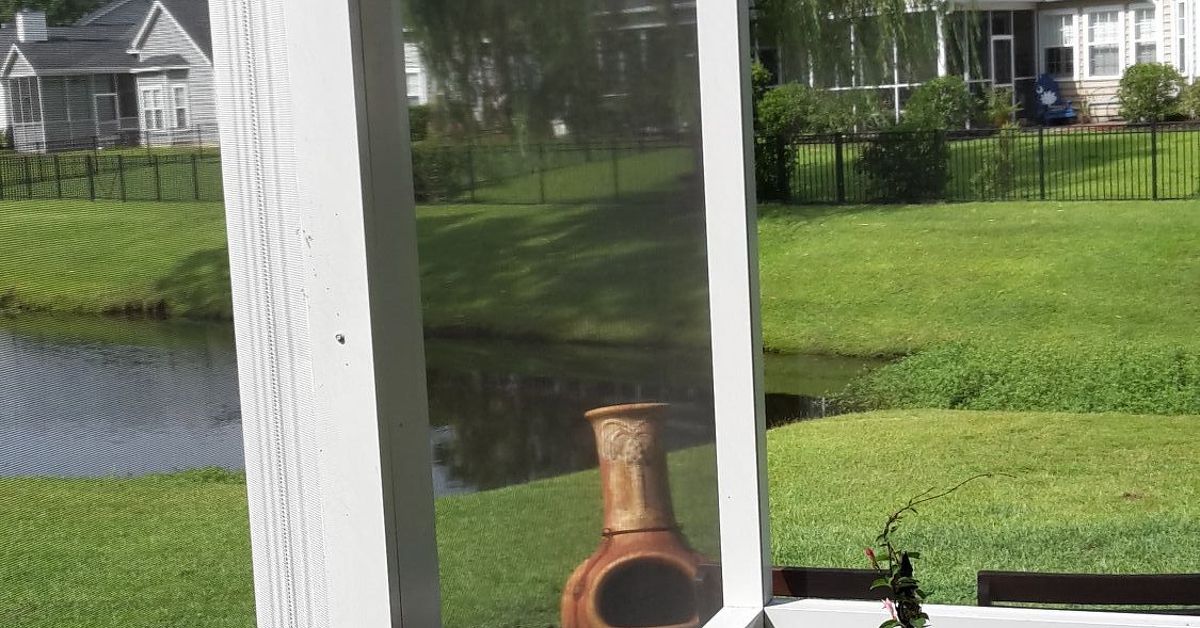
An aluminum screen room already keeps insects out, breezes moving, and outdoor living pleasantly civilized. Add curtains, and it can also provide privacy, softer light, glare control, and the cozy feeling of a real roomwithout asking the mosquitoes to contribute rent.
The challenge is that aluminum enclosure members are often hollow, thin-walled, or shaped to hold screen mesh, spline, doors, and trim. The best outdoor curtain rod is therefore not merely the prettiest one. It must suit the span, fabric weight, wind exposure, mounting surface, corrosion risk, and construction of the enclosure.
Why Aluminum Screen Rooms Require Special Planning
Screen-room framing is commonly made from extruded aluminum profiles. Some members are structural; others function mainly as screen channels or covers. Screen Tight’s systems, for example, use purpose-built channels and attachment points, while Patio Enclosures describes engineered extruded aluminum components. That is why a bracket should never be attached wherever a surface happens to look flat.
Outdoor fabric also creates moving loads. A curtain hanging quietly is one thing; the same panel catching a gust behaves like a small sail. Rods, brackets, fasteners, and framing must handle pulling and twisting as well as static weight. Outdoor-curtain guides therefore emphasize secure supports, weather-resistant materials, and wind controls such as tiebacks, weighted hems, or lower anchors.
Best Outdoor Curtain Rod Options
Fixed Outdoor-Rated Rods
A bracket-mounted outdoor rod is usually the best choice when the room has approved structural posts or a solid header. Choose a rust-resistant rod with enough diameter to resist sagging, and match it to the curtain’s grommets, rings, tabs, or rod pocket. Long telescoping rods may require a center support. Separate rods across individual screen bays are often stronger and easier to maintain than one enormous rod spanning the entire wall.
Ceiling-Mounted Track
A corrosion-resistant track creates a clean appearance and distributes support along its length. It is useful for wide openings, wraparound privacy, and curtains that must travel around corners. However, the overhead member must be suitable for fastening. Do not drill into a roof-pan seam, drainage route, wiring channel, screen groove, or decorative cover.
Heavy-Duty Tension Rod
A tension rod can work between parallel solid posts when the span is modest and the panels are light. It is helpful for renters, warranty-conscious homeowners, or anyone testing curtain placement before drilling. Its weakness is friction: heat, humidity, smooth powder coating, and repeated pulling can reduce grip. Permanent bracket mounting is generally more secure, so avoid tension rods above fragile furniture or busy walkways.
Stainless Cable or Exterior Wire Rope
Cable is visually light and adaptable. Lowe’s identifies heavy-gauge exterior wire rope as an alternative to a conventional rod. It works with rings, clips, or grommets, but the end anchors must resist inward tension. Long runs need tensioners and may still sag slightly.
Clamp-On Brackets
Custom clamps can avoid holes when they fit the aluminum profile securely. Use nonmarring pads, keep clamps clear of doors and screen channels, and inspect them periodically. A clamp that crushes a hollow post has technically stayed attached, but it has missed the larger goal.
Choosing Rod and Fastener Materials
Powder-coated steel is stiff, affordable, and widely available. It works well in covered rooms when the coating remains intact. Touch up scratches and exposed cut ends before rust finds them.
Aluminum is lightweight, naturally oxidation resistant, and visually compatible with enclosure framing. Choose tubing thick enough for the span because thin aluminum can flex.
Stainless steel performs well in humid and coastal settings, but dissimilar-metal contact must be considered. Moisture between stainless hardware and aluminum can contribute to galvanic corrosion. Compatible coatings, nylon washers, sleeves, gaskets, and sealants can isolate the connection and reduce water intrusion. Fastenal and federal construction guidance both emphasize material compatibility and corrosion protection for weather-exposed connections.
For an approved aluminum member, possible fasteners include correctly sized self-drilling screws, machine screws with threaded inserts, or manufacturer-specified hardware. The correct choice depends on the profile’s wall thickness and the bracket load. Avoid drywall anchors, ordinary interior screws, and oversized fasteners installed with heroic enthusiasm.
How to Install Outdoor Curtain Rods Safely
1. Decide What the Curtains Must Do
Privacy, afternoon shade, rain control, and decoration require different fabrics and support strength. Heavy privacy curtains need a stiffer rod and stronger attachment than lightweight sheers.
2. Measure Every Screen Bay
Record the width, mounting height, floor clearance, door swing, furniture position, and space required by rings or grommets. Home Depot, Lowe’s, and Better Homes & Gardens all stress accurate measurement and selecting a hanging method appropriate for the structure.
3. Choose Outdoor-Rated Fabric
Look for UV, moisture, stain, and mildew resistance. Solution-dyed acrylic and outdoor polyester are common choices. Sunbrella explains that color throughout solution-dyed fibers improves fade resistance, while Phifer highlights UV and moisture performance in outdoor fabrics. Rust-resistant grommets or removable tab tops simplify maintenance.
4. Verify the Mounting Location
Use plans, installation instructions, model labels, or advice from the original installer to identify a structural post or header. Never attach a bracket through screen mesh, into a spline groove, or onto a snap-on cover. Mark both brackets at the same height and check the line with a level.
5. Support the Span
Install a center bracket when the rod manufacturer requires one. Dividing a wide wall into shorter rods reduces sag and lets each curtain pair move independently. Corner connectors can serve an L-shaped room, but every direction still needs adequate support.
6. Drill and Tighten Carefully
When drilling is approved, use a sharp bit suitable for aluminum and the pilot-hole size required by the fastener. Fastenal notes that a 118-degree point is suitable for softer materials such as aluminum alloys. Drive screws slowly and stop once the bracket is seated; overtightening can strip threads or deform a hollow extrusion.
7. Isolate, Seal, and Test
Add compatible washers, gaskets, sleeves, or sealant where appropriate, without blocking drainage openings. Hang the curtains, test their full movement, and confirm that fabric does not rub against the screen.
8. Control Wind
Use tiebacks for open panels. In breezy rooms, consider weighted hems, bottom tabs, a lower cable, or double-grommet curtains. Remove or secure panels before severe weather; a curtain that cannot release wind transfers more force to the rod and enclosure.
Design Tips for a Finished Look
Keep rod heights and finishes consistent from bay to bay. Light-colored curtains preserve brightness and soften glare, while darker fabrics increase privacy but may absorb more heat. Let hems stop slightly above the floor so they stay cleaner and dry faster. Use enough width for relaxed folds, but not so much that fabric constantly presses against the screen. Weather-resistant curtains on sturdy rods or wire can help a porch feel like a true outdoor room.
Common Mistakes to Avoid
- Mounting brackets to a screen-retention channel instead of a structural member.
- Using a long indoor rod that sags, twists, or rusts outdoors.
- Ignoring wind and providing no tiebacks, weights, lower anchors, or storm plan.
- Combining dissimilar metals without suitable isolation.
- Overtightening screws in thin aluminum.
- Blocking doors, tracks, latches, roof seams, or drainage openings.
- Leaving curtains exposed during severe winds.
Real-World Experience: What Usually Works Best
The most successful aluminum screen-room curtain projects usually begin with restraint. Homeowners often assume the first task is buying a rod, but the better first move is spending ten quiet minutes examining the enclosure. Look at how the screen is held, where vertical posts meet the roof beam, whether trim pieces snap off, and which members appear substantial. That inspection often reveals that one “post” is a structural extrusion while the neighboring strip is merely a screen cap. They may look equally confident from six feet away; they are not equally eager to hold eight feet of wet curtain.
For a room divided into several screen bays, separate rods usually create the least drama. Imagine three openings, each five or six feet wide. Installing one outdoor-rated rod per opening keeps every span manageable, allows the center bay to remain open, and prevents one loose bracket from affecting the entire wall. It also makes cleaning easier because each pair of panels can be removed independently. A continuous ceiling track may look sleeker, but it demands more precise installation and a reliable overhead mounting surface.
Lightweight tab-top or grommet curtains are generally easier to live with than heavy indoor blackout drapes. They slide with less force, place less stress on brackets, and dry faster after humid weather. In practice, “water resistant” does not mean “immune to nature.” Pollen settles, spiders launch ambitious construction projects, and windblown rain discovers angles that seem to violate geometry. Removable panels and washable outdoor fabric are therefore more valuable than elaborate finials shaped like pineapples.
Wind control is where many first installations improve during the second weekend. Tiebacks work while curtains are open, but closed panels may still billow into the screen. Weighted hems help in mild breezes. Bottom tabs connected loosely to a lower cable can work better in exposed rooms, provided the fabric is allowed to move rather than being stretched drum-tight. During storms, the safest routine is usually to tie panels securely or remove them. A panel that cannot spill wind sends more force into the brackets and aluminum frame.
Corrosion prevention pays off slowly, which makes it easy to neglect. Use outdoor-rated rods, touch up damaged coatings, isolate incompatible metals where recommended, and rinse hardware in coastal environments. Once or twice a year, inspect brackets for movement and look around screw heads for rust staining, white aluminum corrosion, enlarged holes, or finish failure. Tighten cautiously. If a screw spins without becoming snug, the threads may already be stripped, and the connection needs a proper repair rather than a larger screw installed with optimism.
Finally, the best system supports the way the room is used. For curtains opened every morning, prioritize smooth rings and reachable tiebacks. For seasonal privacy panels, removable rods may be sufficient. For intense western sun, overlapping curtains on a track can reduce bright gaps. The winning installation is not the fanciest one. It is the setup that stays straight, moves easily, survives weather, respects the enclosure, and does not make you whisper suspiciously at the brackets whenever the wind picks up.
Conclusion
Outdoor curtain rods can make an aluminum screen room more private, comfortable, and polished, but the attachment method matters more than the finials. Identify approved structural members, match the system to the span and fabric weight, use corrosion-conscious hardware, and control wind. When the enclosure’s construction or warranty is unclear, consult the manufacturer or original installer before drilling. That small pause is cheaper than turning an aluminum post into accidental modern art.