
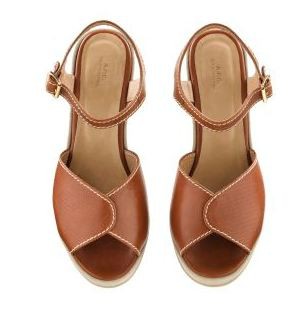
Perforated wedge sandals are the rare summer shoe that understands the assignment: look polished, let your feet breathe, and give you height without making you walk like you are crossing a rope bridge in a windstorm. They are stylish enough for brunch, practical enough for vacation, and comfortable enough for those “just one more block” days that somehow turn into 12,000 steps and a minor personality change.
At their best, perforated wedge sandals combine three things women often want in warm-weather footwear: airflow, stability, and versatility. The perforated upper adds tiny cutout details that make the shoe lighter and more breathable. The wedge heel spreads height across the sole instead of concentrating pressure on one tiny point. The sandal structure keeps the design open and season-friendly. Put all of that together, and you get a shoe that can move from office casual to garden party to dinner patio without needing a dramatic costume change.
This guide takes a closer look at what makes perforated wedge sandals so popular, how to choose the right pair, what materials and heel heights matter, how to style them, and how to keep them looking fresh. Consider it your friendly footwear field manual, minus the boring lecture and plus a little sandal gossip.
What Are Perforated Wedge Sandals?
Perforated wedge sandals are sandals designed with small punched holes, cutouts, or decorative openings in the upper material. The upper may be leather, faux leather, suede, nubuck, textile, or synthetic material. These perforations can be purely decorative, but they often help with ventilation, which is especially useful when temperatures rise and your feet begin negotiating for better working conditions.
The wedge portion refers to the heel shape. Unlike a stiletto or skinny heel, a wedge runs under the foot in one continuous piece, usually from the heel toward the ball of the foot. This creates a broader base and often a more stable feel. That is why many people find wedge sandals easier to walk in than traditional high heels, especially on grass, boardwalks, cobblestones, or uneven sidewalks.
The Appeal of the Perforated Design
Perforation adds texture without shouting. It can make a simple tan sandal look artisanal, a black wedge look less heavy, and a white summer shoe feel airy rather than stiff. Some perforated sandals use tiny circular holes. Others feature floral, geometric, lattice, or laser-cut patterns. The effect is similar to eyelet fabric: light, breezy, and just fancy enough to say, “Yes, I did think about my outfit, but not in a stressful way.”
Why the Wedge Heel Works
The wedge heel gives lift while distributing weight more evenly than a narrow heel. That does not automatically make every wedge comfortable, because shoes are still shoes and feet are still opinionated. However, a well-designed wedge can provide more balance, better contact with the ground, and less wobble than a spike heel. A wider, flatter wedge is especially useful when comfort and walkability matter.
Why Perforated Wedge Sandals Belong in a Summer Wardrobe
Warm-weather dressing needs shoes that can handle real life. You want something nicer than flip-flops, cooler than closed-toe pumps, and less risky than stilettos at an outdoor wedding. Perforated wedge sandals sit comfortably in that sweet spot.
They are especially useful because they solve several wardrobe problems at once. They add height to cropped jeans and midi dresses. They give structure to flowy skirts. They dress up shorts without making the outfit look overdone. They also work with casual linen, polished cotton, denim, chambray, and even lightweight tailoring.
In other words, they are the shoe version of a good iced coffee: practical, mood-lifting, and somehow appropriate for almost every summer situation.
Main Benefits of Perforated Wedge Sandals
1. Breathability for Hot Weather
The perforated upper allows more airflow than a solid, closed design. This can help the shoe feel lighter and less stuffy during spring and summer. While perforations will not magically turn a sandal into air conditioning, they do make a noticeable difference compared with heavy, non-breathable uppers.
Leather and canvas are especially popular because they tend to feel more breathable and flexible over time. Many comfort-focused footwear brands also use cushioned footbeds, flexible soles, and supportive shapes to improve all-day wear.
2. Height Without the Drama
Wedges are loved because they offer elevation with a more grounded feel. A two-inch or three-inch wedge can lengthen the look of the leg, balance wide-leg pants, and make a simple outfit feel more intentional. Unlike thin heels, wedges are less likely to sink into soft ground, which is a major advantage at outdoor events. Nobody wants to aerate the lawn with their expensive shoes.
3. Better Stability Than Many Heels
Because the wedge sole has a larger surface area, it can feel steadier than a narrow heel. That stability matters when walking through airports, standing during events, or navigating city sidewalks. For the most stable option, look for a wedge that is not too steep, has a wider base, and includes a grippy outsole.
4. Stylish Texture
Perforation adds visual interest. A plain beige sandal can look flat, but add a laser-cut pattern and suddenly it has personality. Perforated details also pair beautifully with summer materials like raffia, cork, linen, straw bags, woven belts, and cotton dresses.
5. Day-to-Night Versatility
One of the best things about perforated wedge sandals is their ability to behave politely in many settings. They can look relaxed with denim shorts, refined with a shirtdress, and elegant with a maxi dress. Neutral shades like tan, beige, ivory, taupe, cognac, black, and metallic are especially versatile.
How to Choose the Best Perforated Wedge Sandals
Not all wedge sandals are created equal. Some feel like walking on supportive clouds. Others feel like fashionable punishment with ankle straps. The difference usually comes down to fit, materials, heel height, sole design, and support.
Check the Heel Height
For everyday wear, a low to medium wedge is usually the easiest choice. A wedge between one and three inches often gives a flattering lift without making walking feel like a balancing act. Higher wedges can be beautiful, but they are usually better for shorter events, dinners, photos, and occasions where you will not be power-walking across a parking lot in 92-degree heat.
Also pay attention to platform height. A sandal with a three-inch heel and a one-inch platform feels less steep than a true three-inch rise. The pitch, or angle of the foot, matters as much as the heel measurement.
Look for Arch Support
Arch support can make a major difference, especially if you plan to wear the sandals for hours. A contoured footbed helps the sandal support the natural shape of the foot instead of leaving the arch floating around like it missed the meeting. Some comfort brands build in arch support, heel cups, cushioning, and flexible midsoles for easier walking.
If you have foot pain, plantar fasciitis, bunions, or other concerns, choose sandals carefully and consider advice from a podiatrist or foot health professional. Style is fun, but limping into the restaurant is rarely the vibe.
Choose Adjustable Straps
Adjustable straps are your friend. Feet can swell slightly in hot weather, during travel, or after long periods of standing. Buckles, hook-and-loop closures, elastic panels, and adjustable ankle straps help you customize the fit. A sandal that fits well at 9 a.m. should not become a tiny foot prison by 4 p.m.
Prioritize a Secure Fit
A good perforated wedge sandal should hold the foot securely without rubbing. The heel should not slide around, the toes should not grip desperately to keep the shoe on, and the straps should not dig into the skin. If you can walk normally without clenching your toes, that is a very good sign.
Inspect the Outsole
A rubber or textured outsole improves traction. This matters on polished floors, wet sidewalks, patios, and vacation streets that appear charming until they become slippery. Smooth soles may look elegant, but they can turn an ordinary walk into an accidental dance routine.
Best Materials for Perforated Wedge Sandals
Leather
Leather is one of the most popular materials for perforated wedge sandals because it is durable, flexible, and polished. Perforated leather can soften with wear and often looks more refined than synthetic alternatives. It works well for casual and dressy styling, especially in colors like tan, black, white, cognac, and metallic gold.
Suede and Nubuck
Suede and nubuck offer a soft, velvety texture that looks elegant but requires more care. These materials are best for dry-weather wear because moisture can stain or damage them. A perforated suede wedge can be beautiful for spring events, dinners, and indoor occasions, but it may not be the best choice for a sudden summer rainstorm unless you enjoy dramatic footwear suspense.
Cork
Cork is often used in wedge soles because it is lightweight and naturally casual. Cork wedges pair well with perforated uppers, especially for resort wear, beach vacations, and relaxed summer outfits. They look great with linen pants, sundresses, denim, and woven accessories.
Espadrille Jute
Espadrille wedge sandals use woven jute or rope-style wrapping around the sole. They are classic for summer and give a relaxed, Mediterranean-inspired feel. Perforated uppers can make espadrille wedges feel even lighter and more decorative.
Synthetic Materials
Synthetic perforated wedge sandals can be affordable, lightweight, and easy to clean. Quality varies, so check for softness, flexibility, and breathability. Some synthetics can feel stiff or trap heat, while better versions offer decent comfort at a friendly price.
How to Style Perforated Wedge Sandals
With Dresses
Perforated wedge sandals are natural partners for dresses. A tan or nude wedge works beautifully with floral sundresses, shirt dresses, wrap dresses, and breezy maxi dresses. For a casual daytime look, pair ivory perforated wedges with a cotton midi dress and a straw tote. For dinner, try black perforated leather wedges with a sleeveless linen dress and gold jewelry.
With Jeans
Cropped jeans and wedge sandals are a reliable combination because the hem shows off the shoe. Straight-leg, bootcut, and wide-leg jeans all work, depending on the wedge shape. A perforated cognac wedge with light-wash denim and a white button-down is simple, classic, and hard to mess up.
With Shorts
Wedge sandals can make shorts look more polished. Try them with tailored linen shorts, a tucked-in tank, and a lightweight blazer for a casual-chic outfit. Avoid extremely high wedges with very short shorts if you want a balanced daytime look. Proportion is the secret sauce.
With Workwear
In many business-casual settings, low or medium perforated wedges can work well with ankle pants, midi skirts, and summer dresses. Choose closed or partially covered uppers for a more professional look. Neutral leather styles tend to look more office-ready than beachy rope wedges.
With Vacation Outfits
For travel, perforated wedge sandals can replace several pairs of shoes if chosen carefully. A comfortable neutral pair can work with a dinner dress, casual pants, sightseeing outfits, and resort wear. Just make sure the pair is broken in before the trip. Vacation is not the time to discover that your new sandals have chosen violence.
Color Guide: Which Shade Should You Buy?
Tan or Cognac
Tan and cognac are the most versatile warm-weather choices. They pair with denim, white, navy, olive, coral, cream, and floral prints. These shades also create a natural, leg-lengthening effect for many outfits.
Black
Black perforated wedge sandals are sleek and practical. They work well for evenings, office outfits, and city wear. A perforated pattern helps black sandals feel less heavy in summer.
White or Ivory
White and ivory wedges feel crisp, fresh, and coastal. They look great with linen, eyelet dresses, blue denim, and soft pastels. The only downside is maintenance. White shoes are brave. They live dangerously near coffee, grass, and mystery sidewalk puddles.
Metallic
Metallic perforated wedges in gold, champagne, pewter, or silver can function almost like neutrals. They add shine without requiring complicated styling. Metallic sandals are excellent for weddings, parties, vacations, and dressier summer dinners.
Comfort Tips Before Wearing Them All Day
Even comfortable sandals need a test run. Wear new perforated wedge sandals around the house for short periods before committing to a full day outside. Check for rubbing at the toes, heel, and ankle strap. If a strap feels stiff, a shoe stretcher or professional cobbler may help with leather styles.
Consider cushioned inserts or ball-of-foot pads if the sandal has enough room. For sweaty days, moisture-wicking foot petals or anti-friction balm can reduce rubbing. If the sandal causes sharp pain, numbness, or repeated blisters, do not try to “tough it out.” Your feet are not auditioning for a survival show.
Care and Cleaning Tips
For Leather
Wipe leather perforated sandals with a soft, slightly damp cloth. Use leather conditioner occasionally to prevent drying and cracking. Avoid soaking the shoes, especially around glued soles or cork wedges.
For Suede
Use a suede brush to lift dirt and restore texture. Protect suede with a weatherproofing spray designed for suede and nubuck. Keep them away from heavy rain whenever possible.
For Cork and Espadrille Soles
Spot clean cork and jute-wrapped soles gently. Avoid saturating rope or jute because water can weaken fibers or cause staining. Store espadrille wedges in a dry area to prevent odor and mildew.
Storage
Store sandals away from direct sunlight, which can fade leather and dry out materials. Keep them upright or stuffed lightly with tissue to preserve shape. If you own several pairs, rotating them helps each pair last longer.
Common Mistakes to Avoid
Buying Only for Looks
A beautiful sandal that hurts after ten minutes is not a bargain. It is a decorative object with straps. Always consider comfort features like cushioning, arch support, adjustable straps, and traction.
Ignoring Width
If your foot spills over the side of the sandal, the fit is wrong. Many brands offer wide-width options, which can make a huge difference. A properly fitted sandal looks better and feels better.
Choosing a Wedge That Is Too Steep
A steep wedge can push pressure onto the ball of the foot. For longer wear, choose a moderate heel height or a platform wedge with a gentler slope.
Skipping the Break-In Period
New sandals can rub, even when they are well made. Break them in gradually before wearing them to weddings, travel days, graduation events, or long shopping trips.
Who Should Wear Perforated Wedge Sandals?
Perforated wedge sandals are ideal for anyone who wants a warm-weather shoe that feels more polished than casual flats but more stable than narrow heels. They are especially useful for people who attend outdoor events, travel often, prefer breathable uppers, or want one pair of sandals that can handle multiple outfits.
They are not always the best choice for intense walking, hiking, slippery surfaces, or foot conditions that require medical-grade support. For those situations, supportive walking sandals or athletic shoes may be smarter. The right shoe depends on the day. A garden brunch and a mountain trail do not require the same footwear, unless your brunch group is unusually intense.
Experience-Based Notes: Living With Perforated Wedge Sandals
After spending time with perforated wedge sandals in real-life situations, one thing becomes clear: they are at their best when they are chosen for lifestyle, not fantasy. The fantasy pair is the one that looks amazing in a product photo, has a sky-high heel, and seems destined for a glamorous vacation where nobody sweats, trips, or carries groceries. The lifestyle pair is the one you actually wear because it works with your clothes, supports your feet, and does not require a backup pair hidden in your tote bag.
The first experience many people notice is how much perforation changes the feel of the shoe. A solid leather upper can sometimes feel stiff or warm, especially across the top of the foot. A perforated upper tends to feel visually lighter and often physically lighter as well. On a warm afternoon, that extra airflow may not feel dramatic, but it can make the sandal less stuffy. It also helps the shoe look more relaxed, which is useful when you want your outfit to feel summery without looking like you are headed directly to the beach.
Another practical experience is the stability of the wedge. A moderate wedge can be surprisingly easy to wear for errands, casual workdays, and dinners. The best pairs feel steady when stepping off curbs, crossing parking lots, or walking on patio stones. The worst pairs are too narrow at the base or too steep through the arch, creating the feeling that your foot is sliding forward. That is why trying them on and walking around matters. Standing in front of a mirror tells you how they look; walking tells you whether they are secretly plotting against you.
Perforated wedge sandals also shine when packing for trips. A neutral pair can replace several shoes because it goes with jeans, dresses, skirts, and lightweight pants. For a weekend getaway, tan perforated wedges can work with a casual travel outfit, a dinner dress, and a Sunday brunch look. That versatility saves suitcase space, which is valuable unless your hobby is wrestling with luggage zippers in hotel rooms.
One lesson from experience: the ankle strap can make or break the shoe. A soft, adjustable ankle strap helps the sandal feel secure. A stiff strap can rub quickly, especially in heat. If the sandal has a back zipper, check whether it presses against the heel. If it has a slingback, make sure it does not slip while walking. Tiny fit issues become big opinions after a few hours.
Another lesson is that color matters more than expected. Cognac and tan are the easiest to wear because they blend with most summer palettes. Black looks polished but can feel visually heavy unless the perforation is delicate. White looks fresh but requires more cleaning. Metallic shades are surprisingly useful because they dress up simple outfits without much effort. A champagne perforated wedge, for example, can make a cotton dress look dinner-ready in about three seconds.
Finally, comfort depends on expectations. Perforated wedge sandals can be comfortable, stylish, and practical, but they are still sandals with height. They are wonderful for lunches, events, office days, vacations, and casual evenings. They are less wonderful for marathon sightseeing days, amusement parks, or any plan involving the phrase “we can just walk there” repeated six times. Use them where they shine, care for them properly, and they can become one of the most useful warm-weather shoes in your closet.
Conclusion
Perforated wedge sandals are a smart blend of breathable design, stable height, and easy summer style. They offer texture without fuss, polish without stiffness, and lift without the drama of a narrow heel. The best pairs feature comfortable materials, supportive footbeds, adjustable straps, and grippy soles. Choose a versatile color, keep the heel height realistic, and break them in before a big day.
Whether you wear them with linen pants, sundresses, cropped jeans, tailored shorts, or vacation outfits, perforated wedge sandals can become a reliable seasonal favorite. They are not just pretty shoes with holes in them. They are warm-weather problem solvers with a little personality, and honestly, every closet could use more of that.
Note: This article is original, publication-ready web content written in standard American English and based on widely accepted footwear, styling, comfort, and retail information.














