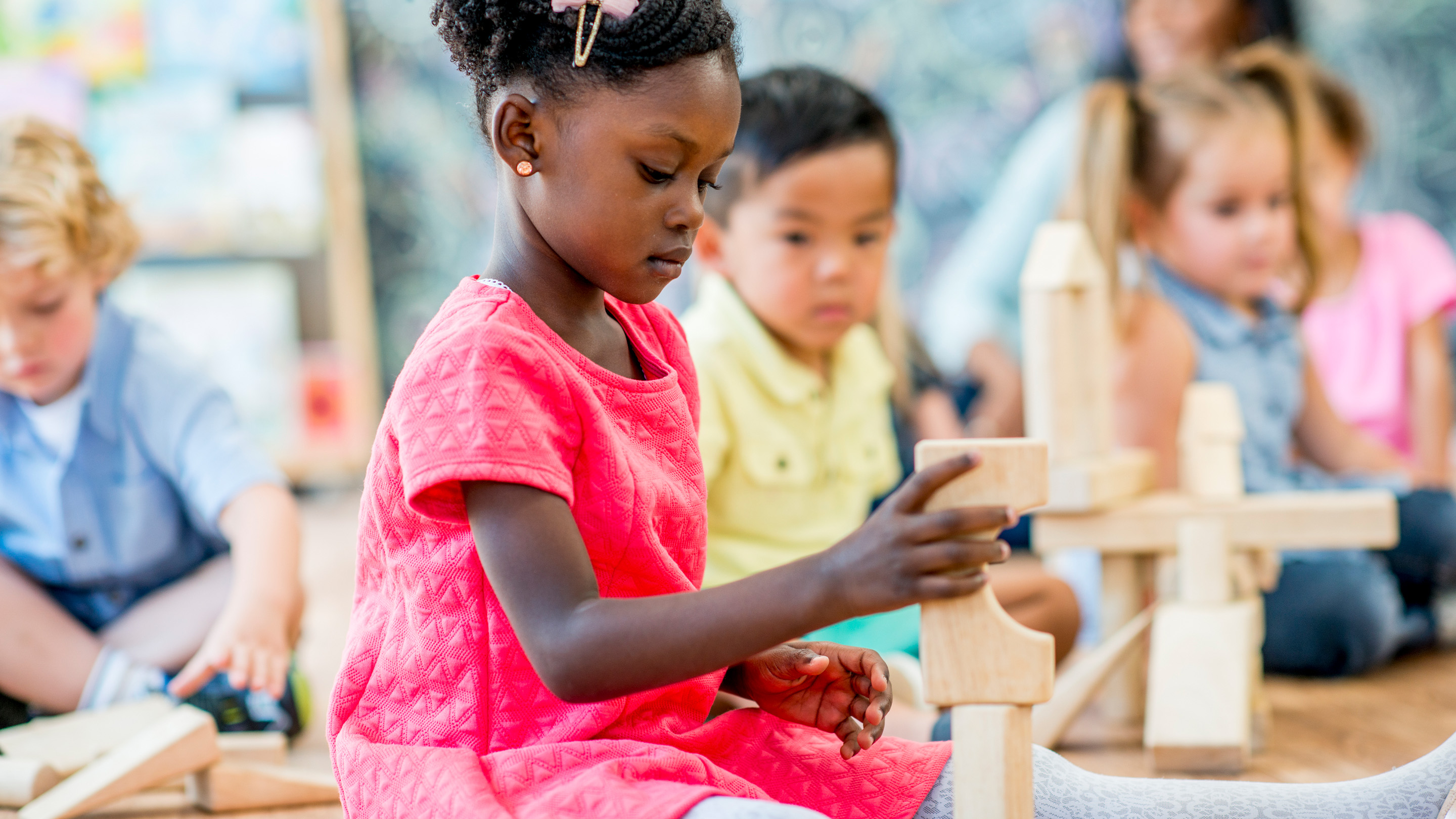
Walk into a great Pre-K classroom and you will usually find a small but impressive research team already at work. One child is examining a worm like it holds the secrets of the universe. Another is building a “veterinary clinic” out of blocks and pure confidence. A third is asking a question so sharp it would make a journalist proud: “Why do leaves fall down but birds don’t?” In other words, Pre-K students are already wired for inquiry. Project-based learning simply gives that curiosity a home address.
Project-based learning in Pre-K classrooms is not about turning four-year-olds into tiny office workers with clipboards and deadlines. It is about helping young children investigate meaningful topics through play, conversation, observation, drawing, building, reading, and sharing. When done well, it feels less like a rigid academic program and more like a smart, joyful adventure with purpose. Children explore real questions, gather information, test ideas, create something to show what they learned, and involve families and communities along the way.
That matters because early childhood education works best when learning is active, developmentally appropriate, language-rich, and rooted in relationships. A good Pre-K project can support social-emotional development, oral language, early literacy, math, science, motor skills, and problem-solving without making the classroom feel like a tiny test-prep center. Nobody needs that. Especially not the child who is still emotionally processing the fact that snack time ended.
What Project-Based Learning Means in Pre-K
In simple terms, project-based learning is an approach where children investigate a topic, question, or real-world problem over time. In Pre-K, the topic is usually close to children’s lives and close enough to touch, observe, or experience directly. Think gardens, pets, buses, bakeries, construction sites, weather, baby animals, playgrounds, community helpers, maps of the school, or how a library works.
The best Pre-K projects are not random Pinterest crafts wearing a fake mustache and pretending to be inquiry. They are deeper than a weekly theme and more connected than a one-day activity. A project grows from children’s curiosity, teacher observation, learning goals, and a meaningful outcome. Children might ask questions, interview a visitor, go on a walk, collect data, make models, dictate stories, compare pictures, label drawings, build a display, or present their findings to families.
That is why many educators connect project-based learning in preschool with the classic “project approach”: a beginning, a middle, and an end. First, children explore what they already know and what they wonder. Next, they investigate through fieldwork, books, conversations, experiments, and play. Finally, they share what they learned through displays, performances, models, or class-made products. It is organized, but not stiff. Purposeful, but still playful.
Why Project-Based Learning Works So Well for Young Children
It matches how Pre-K children naturally learn
Young children learn by doing, talking, pretending, repeating, observing, and asking “why” seventeen times before lunch. Project-based learning respects that reality instead of fighting it. A well-designed project invites children to move, manipulate materials, test ideas, and return to a topic over many days. That repeated engagement helps children build understanding in a way that short, disconnected activities often cannot.
It strengthens language and early literacy
Strong Pre-K classrooms are language-rich classrooms, and project-based learning gives children many reasons to talk. They describe what they notice, explain what they think, ask questions, listen to peers, learn topic-specific vocabulary, dictate captions, label diagrams, and revisit books connected to the project. A garden project, for example, introduces words like seed, stem, roots, measure, observe, and predict. A bakery project brings in recipe, ingredient, weigh, sign, price, and order. Vocabulary grows because it is useful, not because it was taped to a wall and ignored by everyone except the teacher.
Projects also create authentic reasons to read and write. Children may help make a class list, compare nonfiction books, create signs for dramatic play, dictate a letter to a local expert, or make name labels for a display. In Pre-K, literacy should feel alive. Project-based learning gives print a job to do.
It supports executive function and problem-solving
When children plan, remember steps, wait their turn, adjust ideas, solve social problems, and stick with a challenge, they are building crucial self-regulation skills. Projects create these opportunities naturally. If children are building a model playground, they need to negotiate space, decide what materials to use, revise a plan, and work through frustration when the slide falls off for the fifth time. That is not a failure. That is Tuesday. And it is also real learning.
It builds social-emotional growth
Project-based learning in Pre-K classrooms is deeply social. Children collaborate, share materials, listen to others, practice empathy, and begin to see themselves as contributors. They learn that their ideas matter, but also that other people have ideas too. This is excellent preparation for school and for life, where sadly not everyone will agree that the block area belongs to them forever.
It connects school, family, and community
One of the biggest strengths of project-based learning is that it reaches beyond the classroom door. Families can send photos, answer children’s questions, join showcases, lend tools, share expertise, or help document learning in home languages. Community members can visit as guest experts or provide a real audience for children’s work. These connections make learning feel authentic and help children understand that school is part of the larger world, not a separate planet ruled by tiny chairs.
What High-Quality Project-Based Learning Looks Like in a Pre-K Classroom
Not every project needs to be huge, dramatic, or worthy of a documentary soundtrack. A strong Pre-K project is usually simpler than people expect and more intentional than it appears. The classroom may look playful, but the teacher is making thoughtful choices behind the scenes.
1. A meaningful topic
The topic should be relevant, concrete, and worth investigating. “Community gardens” works better than “global trade systems,” unless your preschoolers are unusually ambitious. Great topics often emerge from children’s play, daily routines, neighborhood observations, seasonal changes, or common classroom questions.
2. A strong launch
Teachers often begin with a provocation: a mystery object, a photo, a walk, a visitor, a classroom problem, or a surprising event. The launch sparks wonder and leads to a driving question such as “How can we help new children find their way around our school?” or “What do plants need to grow in our playground garden?”
3. Voice and choice
Pre-K children do not need total control of the project, and frankly that would end with someone making a castle for no clear reason. But they do need real opportunities for voice and choice. They can help choose what to investigate, what questions to ask, what materials to use, what role to play, or how to represent what they learned. Agency matters, even in small doses.
4. Investigation over time
Projects unfold across days or weeks. Children revisit ideas, gather more information, and refine what they know. They might compare photos, interview a custodian, measure plant growth, test which containers hold more water, or make multiple versions of a model. This extended time is what allows depth to develop.
5. Documentation and reflection
Teachers document children’s questions, theories, conversations, drawings, and work samples. Documentation makes thinking visible. It helps children remember what happened, compare ideas, and notice growth. It also helps families understand that when a child says, “I played with dirt,” that may actually mean, “I conducted an early science investigation involving soil texture, drainage, and collaboration.”
6. A real audience or product
The project should end with a meaningful way to share learning. Children might create a class museum, perform a short presentation, build a model, publish a class book, host a garden walk, or display maps for visiting families. The public product does not need to be fancy. It needs to be genuine.
Practical Project Ideas for Pre-K Classrooms
The School Map Project: Children explore the building, notice important places, and create a map to help new students or visitors. This project supports spatial language, drawing, symbols, oral language, and community awareness.
The Garden Project: Children investigate seeds, soil, insects, weather, and plant growth. They can measure sprouts, create plant labels, interview a gardener, and invite families to a harvest showcase. This is a natural fit for science, math, and vocabulary development.
The Bakery Project: Sparked by dramatic play or children’s interest in stores, this project can include menus, signs, pretend money, measuring tools, recipe books, and family stories about favorite foods. It blends literacy, numeracy, social studies, and imagination beautifully.
The Library Project: Children study how libraries work, organize books, design checkout cards, and create a mini classroom library system. It gives literacy a very practical spotlight and helps children see books as living tools, not just shelf decorations.
The Weather Watchers Project: Children track rain, wind, temperature, and clouds, compare daily observations, and present a class weather report. It encourages scientific thinking and introduces pattern, graphing, and descriptive language.
How Teachers Can Plan Project-Based Learning Without Creating Chaos
Project-based learning in Pre-K classrooms does not mean tossing a basket of loose parts onto the rug and hoping for educational magic. Structure is your friend. So are routines, visual supports, and a realistic sense of what four-year-olds can do before they need a snack, a movement break, or a heartfelt discussion about glue sticks.
Start by choosing a topic that connects both to standards and to children’s interests. Next, identify a few key learning goals in language, literacy, math, science, or social-emotional development. Then plan how centers, small groups, read-alouds, outdoor play, and whole-group meetings can all support the same project.
Teachers should also prepare the environment to support the investigation. Add relevant books, photos, props, labels, writing tools, measuring tools, clipboards, or artifacts. Create a “wonder wall” or question board. Keep materials visible and usable. When children can see the project around the room, they are more likely to return to it with purpose.
Assessment can remain simple and strong. Teachers can observe conversations, collect drawings, note vocabulary growth, save dictated stories, photograph models, and compare what children said at the beginning and end of the project. In Pre-K, assessment should capture thinking in motion, not just finished products.
Common Mistakes to Avoid
Mistake one: confusing projects with themes. A theme is “This week we do apples.” A project is “Children noticed bruised apples in lunchboxes and began investigating how apples grow, change, and get used.” One is a topic. The other is an inquiry.
Mistake two: over-planning every detail. Teachers need a roadmap, but projects should leave room for children’s questions and discoveries. If the adults already know every conversation, product, and conclusion in advance, the inquiry may be wearing a costume.
Mistake three: expecting long stretches of formal work. Pre-K projects should include movement, play, music, sensory exploration, read-alouds, outdoor observation, and hands-on materials. Young children are not designed for endless table work, and they will make that opinion known.
Mistake four: ignoring families. Family engagement is not an optional bonus. It can deepen language, identity, relevance, and participation. Even simple invitations for photos, stories, objects, or feedback can enrich a project.
Classroom Experiences Related to Project-Based Learning in Pre-K Classrooms
The following experiences reflect the kind of moments teachers and families often notice when project-based learning becomes part of everyday Pre-K life. They are not flashy miracle stories. They are the quieter, more convincing signs that something important is happening.
In one classroom, a project on birds began because children kept stopping on the playground to point at nests near the fence. At first, the teacher thought it might turn into a short nature study. Instead, it became the center of the room for nearly a month. Children drew birds with surprising seriousness, compared feathers, listened to bird calls, and argued politely about whether all birds could fly. One child who rarely spoke during circle time began using words like nest, branch, and shelter while explaining her drawing to a classmate. Another child started building “safe bird homes” in the block area and invited others to help. The topic gave them a reason to talk, negotiate, and think together.
In another setting, a class studied the school kitchen after children became fascinated by lunch delivery carts. The teachers arranged a visit with cafeteria staff, and suddenly the classroom was full of charts, menus, pretend aprons, order forms, and careful discussions about ingredients. A child who usually rushed through activities spent twenty full minutes making a sign for the dramatic play restaurant because he wanted customers to “know the soup is hot.” That is the kind of persistence teachers hope for and rarely get from worksheets.
Families often notice changes too. During a neighborhood project, children were sent home with a simple prompt: ask someone in your family about an important place nearby. The next morning, the classroom buzzed with stories about bakeries, bus stops, temples, barber shops, parks, and grandparents’ homes. Children came in carrying photos, receipts, and enthusiastic opinions. One parent said it was the first time her child led a long conversation at dinner about school. That matters. When project-based learning is working, the school day does not end at dismissal. It spills into family talk, neighborhood walks, and weekend questions.
Teachers also describe how projects reveal children’s strengths in unexpected ways. A child who struggles to sit during a read-aloud may become the most focused observer during outdoor fieldwork. A child who is quiet in large groups may become a confident expert when explaining a class model to visitors. Project work gives children multiple entry points into learning, which is another way of saying it gives more children a chance to shine without forcing them all into the same shape.
Perhaps the most memorable experience is the feeling in the room near the end of a project. Children begin using the language of investigators. They say things like “We need more evidence,” “Let’s check again,” or “That was our first idea, but now we think this.” For Pre-K students, that is powerful. They are not just completing activities. They are building identity. They begin to see themselves as thinkers, makers, question-askers, and problem-solvers. And that may be the greatest gift of project-based learning in Pre-K classrooms: it helps very young children discover that learning is something they do, not something that simply happens to them.
Conclusion
Project-based learning in Pre-K classrooms works because it honors what young children already do best: wonder, talk, play, notice, test, imagine, and connect. When teachers combine that natural curiosity with thoughtful planning, strong routines, family engagement, and meaningful investigation, the result is rich learning that feels both joyful and substantial.
In the end, the goal is not to make Pre-K look more like upper grades. It is to make early learning more intentional, more connected, and more alive. A good project does not rush children past childhood. It uses childhood itself as the engine for growth. That is a pretty smart design for a classroom full of curious humans in tiny sneakers.