
Scalp psoriasis is one of those conditions that can make your head feel like it has joined a tiny, very dramatic weather system: flakes, itching, redness, burning, and sometimes thick plaques that refuse to leave quietly. The Spanish title “Psoriasis del cuero cabelludo: Remedios caseros y tratamientos” translates to “Scalp Psoriasis: Home Remedies and Treatments,” and that is exactly what this guide covers: what scalp psoriasis is, how to manage it at home, which medical treatments work, and when it is time to call in a dermatologist instead of negotiating with your shampoo bottle.
Psoriasis is a chronic immune-mediated skin disease. In simple terms, the immune system speeds up skin cell growth, causing cells to pile up into raised, scaly patches. When it affects the scalp, symptoms may appear along the hairline, behind the ears, on the back of the neck, or across the entire scalp. It can look like severe dandruff, but it is not “just flakes.” Scalp psoriasis can itch, crack, bleed, and affect confidence, sleep, hairstyles, and daily comfort.
The good news: scalp psoriasis can be managed. There is no universal cure, but there are many effective options, from gentle home care and medicated shampoos to prescription foams, solutions, light therapy, and advanced systemic treatments. Think of treatment like building a playlist: one song rarely does the whole job, but the right mix can change the mood completely.
What Is Scalp Psoriasis?
Scalp psoriasis is psoriasis that develops on the scalp. It may appear as fine scaling, thick silvery-white plaques, redness, dryness, soreness, or flakes that resemble dandruff. In darker skin tones, plaques may look violet, brown, gray, or darker than the surrounding skin rather than bright red. Some people have mild patches; others have plaques that extend beyond the hairline onto the forehead, neck, or ears.
One frustrating part is that hair makes treatment harder. Creams and ointments that work well on elbows or knees can feel greasy, messy, or impossible to apply through hair. That is why scalp psoriasis treatments often come in shampoos, oils, foams, gels, sprays, and liquid solutions. The “vehicle,” meaning the form of the medicine, matters almost as much as the medicine itself.
Common Symptoms of Scalp Psoriasis
Scalp psoriasis symptoms vary from person to person, but the most common signs include:
- Itchy scalp that may feel mild or intense
- Dry flakes or thick scales
- Raised plaques on the scalp
- Red, pink, purple, gray, or darker patches depending on skin tone
- Burning, tenderness, or soreness
- Cracking or bleeding from scratching or picking
- Temporary hair shedding caused by inflammation, scratching, or harsh scale removal
Scalp psoriasis itself usually does not permanently destroy hair follicles. However, aggressive scratching, picking, tight hairstyles, harsh chemical treatments, and untreated inflammation can contribute to breakage or temporary hair loss. Translation: the scalp is already annoyed, so try not to give it a second argument.
Scalp Psoriasis vs. Dandruff: How to Tell the Difference
Dandruff and scalp psoriasis can both cause flakes, but they are not the same. Dandruff is often linked to oiliness, yeast overgrowth, irritation, or seborrheic dermatitis. It usually causes loose white or yellowish flakes and mild itching. Scalp psoriasis tends to create thicker, drier, more defined plaques that may extend beyond the scalp. It may also appear with psoriasis on the elbows, knees, nails, lower back, or other areas.
If flakes are persistent, painful, thick, bleeding, or not responding to regular dandruff shampoo, it is worth seeing a healthcare professional. A dermatologist can confirm whether you have scalp psoriasis, seborrheic dermatitis, eczema, fungal infection, contact dermatitis, or a combination of conditions. Yes, the scalp can multitask, but not always in a helpful way.
What Triggers Scalp Psoriasis Flare-Ups?
Triggers are not the same for everyone, but common psoriasis flare triggers include stress, skin injury, infections, cold or dry weather, smoking, heavy alcohol use, certain medications, and irritation from harsh hair products. Scratching can also worsen plaques through something called the Koebner phenomenon, where skin trauma triggers new psoriasis lesions.
Keeping a symptom diary can help. Track flare-ups along with stress levels, weather changes, new shampoos, hair dye, illnesses, diet shifts, and sleep patterns. After a few weeks, patterns may appear. Your scalp may not send polite emails, but it often leaves clues.
Best Home Remedies for Scalp Psoriasis Relief
Home remedies cannot replace medical treatment for moderate or severe scalp psoriasis, but they can support comfort, reduce dryness, soften scales, and help prevent irritation. The safest home approach is gentle, consistent scalp care.
1. Soften Scales Before Washing
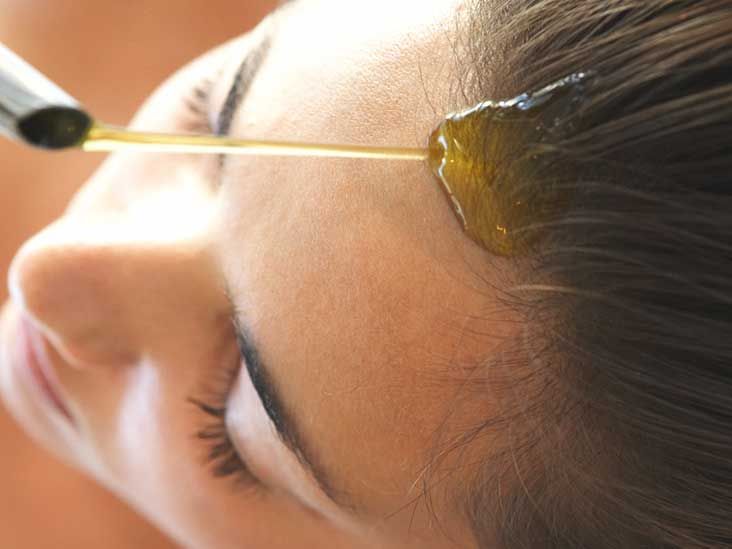
Thick scales are easier to remove when softened first. Applying mineral oil, coconut oil, olive oil, or a dermatologist-recommended scale softener before shampooing may help loosen buildup. Leave it on for a short period, then wash gently. Avoid scraping plaques with fingernails, combs, or brushes. Removing scales should feel like convincing them to leave, not evicting them with a tiny rake.
2. Use Gentle, Fragrance-Free Hair Products
Fragrance, alcohol-heavy formulas, strong dyes, and harsh styling products can irritate the scalp. Choose mild shampoos and conditioners when you are not using medicated products. Look for “fragrance-free,” “sensitive skin,” or “gentle” labels. Avoid assuming “natural” always means safer; essential oils and botanicals can still trigger irritation.
3. Try Aloe Vera for Cooling Comfort
Aloe vera gel may help soothe itching, dryness, and irritation for some people. Use a simple, fragrance-free aloe product and test a small area first. If it burns or causes redness, stop using it. Aloe is gentle for many people, but your scalp gets the final vote.
4. Consider Apple Cider Vinegar Carefully
Diluted apple cider vinegar may reduce itching for some people, but it can sting badly if the scalp is cracked, bleeding, or raw. Never apply it undiluted, never use it on open skin, and rinse it out after a short time. If your scalp feels like it is shouting, skip vinegar and choose a gentler option.
5. Manage Itch Without Scratching
Scratching feels satisfying for about three seconds and then often makes the situation worse. Try a cool compress, gentle pressure with the fingertips, a medicated anti-itch product recommended by your clinician, or a soothing oil before washing. Keep nails short to reduce accidental damage.
6. Reduce Stress Where Possible
Stress does not “cause” psoriasis by itself, but it can worsen flares. Relaxation techniques, walking, breathing exercises, yoga, journaling, therapy, or better sleep routines may help. The goal is not to become a perfectly calm forest monk. The goal is to lower the volume on stress enough that your immune system stops playing drums on your scalp.
7. Protect the Scalp From Dryness
Cold weather, indoor heating, hot showers, and frequent blow-drying can dry the scalp. Use lukewarm water, avoid blasting the scalp with high heat, and moisturize when appropriate. If you use a hair dryer, choose a cooler setting and keep it moving.
Over-the-Counter Treatments for Scalp Psoriasis
For mild scalp psoriasis, over-the-counter treatments may provide meaningful relief. The most common options are medicated shampoos and scale-softening ingredients.
Salicylic Acid Shampoos
Salicylic acid helps soften and lift scales, making plaques easier to treat. It can also help other topical medicines penetrate more effectively. However, too much salicylic acid may dry or irritate the scalp, so follow product directions carefully. If your hair becomes brittle or your scalp feels raw, reduce use and ask a clinician for guidance.
Coal Tar Shampoos
Coal tar can slow rapid skin cell growth and reduce scaling, itching, and inflammation. It is available in shampoos and other topical products. The downsides: it may have a strong smell, stain light-colored hair or fabrics, and increase sun sensitivity in some people. It is not glamorous, but for some scalps, it is surprisingly useful.
Anti-Dandruff Ingredients
Some people with scalp psoriasis also have seborrheic dermatitis or dandruff-like flaking. Ingredients such as zinc pyrithione, selenium sulfide, or ketoconazole may help if yeast or oiliness contributes to symptoms. If you are unsure which shampoo to use, a dermatologist can help you avoid buying a bathroom shelf full of “maybe.”
Prescription Treatments for Scalp Psoriasis
If home care and over-the-counter shampoos are not enough, prescription treatments can be much more effective. Scalp psoriasis often needs targeted therapy, especially when plaques are thick, widespread, painful, or interfering with sleep and daily life.
Topical Corticosteroids
Topical corticosteroids are among the most commonly prescribed treatments for scalp psoriasis. They reduce inflammation, redness, itching, and scaling. For the scalp, they may come as foams, sprays, gels, oils, shampoos, or solutions. High-potency steroids may work well for short periods, but long-term use should be supervised because overuse can thin the skin or cause other side effects.
Vitamin D Analogs
Vitamin D analogs, such as calcipotriene or calcitriol, help slow skin cell growth. They are often used alone or in combination with topical corticosteroids. Combination therapy may improve results while reducing reliance on steroids. These treatments require consistency, which is unfair but true: psoriasis loves inconsistency the way toddlers love glitter.
Topical Retinoids
Topical retinoids can help normalize skin cell turnover. They may irritate sensitive skin and are not suitable for everyone, especially during pregnancy. Use them only as directed by a healthcare professional.
Prescription Medicated Shampoos
Prescription shampoos may include stronger corticosteroids, salicylic acid, coal tar, or other active ingredients. Some are designed to stay on the scalp for several minutes before rinsing. Follow instructions closely; rinsing too soon may reduce effectiveness, while leaving products on too long may cause irritation.
Light Therapy
Phototherapy uses controlled ultraviolet light to slow skin cell growth and calm inflammation. Treating the scalp can be challenging because hair blocks light, but special devices may help. Never use tanning beds as a substitute. Tanning beds are not medical phototherapy; they are more like inviting skin damage to a meeting it did not need to attend.
Systemic Medications and Biologics
For moderate to severe psoriasis, or psoriasis that affects multiple areas of the body, doctors may recommend oral medications, injectable biologics, or other systemic therapies. These treatments target immune pathways involved in psoriasis. They may be especially important if you also have psoriatic arthritis, nail psoriasis, or widespread plaques.
How to Build a Scalp Psoriasis Hair Care Routine
A good routine should reduce scale, calm inflammation, protect hair, and fit your real life. A routine that requires 47 steps and a ceremonial towel is not going to survive a Monday morning.
Step 1: Loosen Scales Gently
Before washing, apply a scale softener or oil if recommended. Let it sit long enough to soften plaques, then wash gently. Do not pick plaques off dry skin.
Step 2: Use Medicated Shampoo Correctly
Massage medicated shampoo into the scalp, not just the hair. Let it sit for the recommended time before rinsing. Use it as directed, which may be daily during flares or a few times per week for maintenance.
Step 3: Condition the Hair, Protect the Scalp
Medicated shampoos can dry hair. Use a gentle conditioner on hair lengths and ends. Avoid heavy conditioner directly on inflamed plaques unless your clinician says it is okay.
Step 4: Apply Prescription Leave-On Treatments
If prescribed, apply foams, solutions, oils, or gels directly to the scalp. Part the hair in sections so the medication reaches the skin. Wash hands afterward and avoid getting medication in the eyes.
Step 5: Avoid Harsh Styling During Flares
During active flares, skip tight braids, chemical relaxers, bleaching, strong dyes, heavy gels, and high-heat styling when possible. Choose loose, comfortable hairstyles. Your scalp is not being dramatic; it is inflamed.
When to See a Dermatologist
See a dermatologist if your scalp psoriasis is painful, bleeding, spreading, causing hair shedding, disrupting sleep, or not improving after several weeks of consistent over-the-counter care. Also seek medical advice if you have joint pain, morning stiffness, swollen fingers or toes, nail pitting, or severe fatigue, because psoriasis can be associated with psoriatic arthritis.
A dermatologist can confirm the diagnosis, rule out other scalp conditions, and create a treatment plan that matches your hair type, styling habits, severity, and preferences. This matters because the best treatment is not just the strongest one; it is the one you can actually use.
Common Mistakes to Avoid
Picking or Scraping Scales
Picking can cause bleeding, infection, more irritation, and possibly more psoriasis lesions. Soften scales first and remove them gently during washing.
Stopping Treatment Too Soon
Many treatments take time. Symptoms may improve before inflammation is fully controlled. Ask your clinician how long to continue treatment and how to maintain results.
Using Too Many Products at Once
Layering multiple remedies can irritate the scalp and make it hard to know what is helping. Introduce one change at a time when possible.
Ignoring Lifestyle Triggers
Medication helps, but triggers matter. Stress, smoking, heavy alcohol use, poor sleep, and harsh hair products may keep flares going. Lifestyle changes are not a moral test; they are extra tools.
Diet and Scalp Psoriasis: What Helps?
No single diet cures scalp psoriasis. However, a balanced anti-inflammatory eating pattern may support overall health and reduce flare intensity for some people. Focus on fruits, vegetables, whole grains, beans, nuts, olive oil, and fatty fish such as salmon or sardines. Limit highly processed foods, excess sugar, and heavy alcohol intake if they seem to worsen symptoms.
People with psoriasis have a higher risk of certain related health issues, including metabolic syndrome and cardiovascular concerns, so nutrition is not only about the scalp. It is about supporting the whole body while your dermatologist handles the targeted treatment plan.
Living With Scalp Psoriasis: Practical Tips That Actually Help
Wear light-colored tops if flakes make you self-conscious. Keep a travel-size gentle moisturizer or treatment on hand if your clinician recommends it. Use a soft brush instead of scratching. Wash pillowcases regularly. Tell your hairstylist about your scalp psoriasis before chemical services, and do not feel embarrassed. Professional stylists have seen scalps in every possible mood.
If plaques are visible near the hairline, a dermatologist may adjust your treatment to include products safe for nearby facial skin. Do not use high-potency scalp steroids on the face unless specifically directed.
Personal Experiences and Real-Life Lessons From Managing Scalp Psoriasis
Living with scalp psoriasis is not just a medical issue; it is a daily-life issue. Many people describe the first stage as confusion. They think they have dandruff, switch shampoos five times, scrub harder, and then wonder why the scalp is angrier than before. The first big lesson is this: more scrubbing does not mean more healing. In fact, gentle care usually beats aggressive cleaning.
A common experience is the “black shirt problem.” You get dressed, look in the mirror, and suddenly your shoulders look like a tiny snowstorm passed through. This can be embarrassing, especially at work, school, dates, meetings, or social events. One practical trick is to keep a lint roller nearby and choose fabrics strategically during flares. That may sound small, but small comforts matter when a chronic condition keeps tapping you on the shoulder.
Another real-life challenge is treatment consistency. Medicated shampoos often need contact time. That means standing in the shower while the shampoo sits on the scalp for several minutes. Those minutes can feel oddly long, especially before work. One helpful habit is to apply the shampoo first, then brush teeth, wash the body, or do other shower tasks while it works. Suddenly, treatment becomes less of a chore and more of a routine.
Hair type also matters. People with curly, coily, textured, color-treated, or dry hair may struggle with frequent washing because medicated shampoos can be drying. In these cases, dermatologists may recommend oils, foams, solutions, or adjusted wash schedules. The goal is not to force everyone into the same routine. The goal is to treat the scalp while respecting the hair. Healthy scalp care should not require sacrificing hair health like an offering to the shampoo gods.
Many people also learn that stress management is not optional fluff. A stressful week can show up on the scalp like an unwanted calendar reminder. While breathing exercises or walks will not replace prescription medicine, they may reduce flare frequency or intensity. Some people find that sleep, hydration, movement, and fewer harsh products make their treatments work better.
There is also an emotional side. Scalp psoriasis can make people avoid haircuts, salons, close-up photos, hats, or intimacy. It can create the fear that others will think the condition is contagious. It is not contagious. You cannot spread psoriasis through touch, shared combs, hugs, or sitting beside someone. Educating close friends, partners, or stylists can reduce awkwardness and help people feel supported.
The most encouraging experience many patients report is finally getting the right diagnosis and treatment format. A foam may work better than an ointment. A solution may fit better than a cream. A prescription shampoo may calm a flare that drugstore products could not touch. Sometimes improvement comes not from trying “harder,” but from using the right tool in the right way.
The practical takeaway: be patient, be gentle, and do not let embarrassment delay care. Scalp psoriasis is common, manageable, and worthy of proper treatment. Your scalp does not need punishment; it needs a plan.
Conclusion
Scalp psoriasis can be itchy, flaky, stubborn, and socially frustrating, but it is also treatable. Home remedies such as gentle washing, scale softening, aloe vera, stress management, and irritation avoidance can help mild symptoms and support comfort. Over-the-counter options like salicylic acid and coal tar shampoos may reduce scaling and itching. For persistent or severe symptoms, prescription corticosteroids, vitamin D analogs, retinoids, medicated shampoos, phototherapy, or systemic treatments may be needed.
The best approach is personalized. Pay attention to triggers, protect your scalp from harsh styling, avoid picking scales, and talk with a dermatologist if symptoms affect your quality of life. With the right routine, scalp psoriasis can become less of a daily drama and more of a manageable background character.
Note: This article is for educational purposes only and should not replace medical advice. Anyone with severe symptoms, bleeding, infection signs, hair loss, or joint pain should consult a dermatologist or qualified healthcare professional.














