
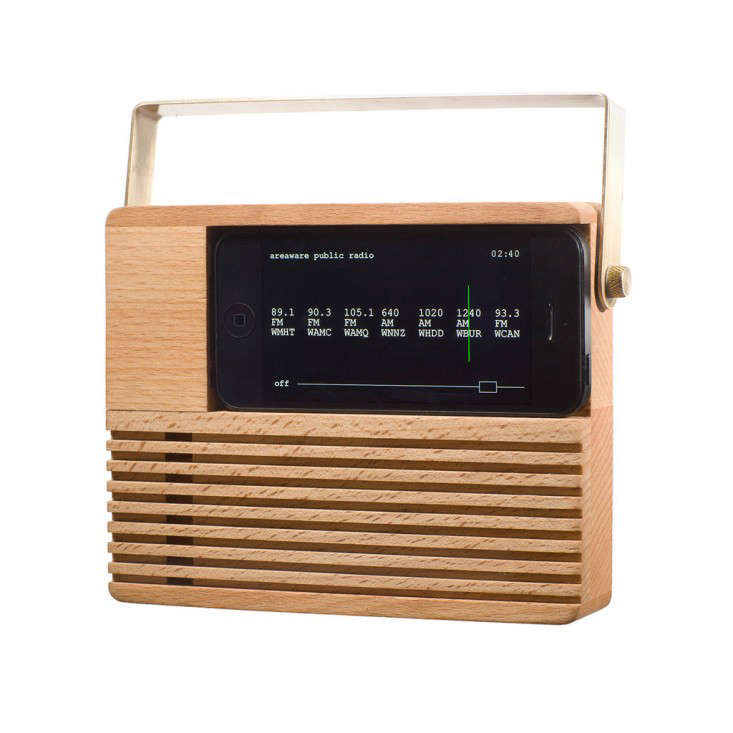
A radio dock is one of those humble gadgets that rarely gets a standing ovation, yet quietly saves the morning. It tells time, charges your phone, plays music, wakes you up, and sometimes looks stylish enough to earn a permanent spot on the nightstand. Think of it as the Swiss Army knife of bedside audiominus the tiny scissors nobody knows how to fold back in.
At its simplest, a radio dock combines a radio receiver, speaker system, clock, alarm, and device-charging station in one compact body. Older models were built around iPod and iPhone dock connectors. Newer versions lean toward Bluetooth, USB-C, Qi wireless charging, FM radio, app-friendly alarms, and cleaner minimalist designs. The category has changed a lot, but the basic promise remains the same: one small station that handles sound, time, and charging without turning your bedside table into a cable jungle.
What Is a Radio Dock?
A radio dock is a multifunction audio device designed to “dock” or connect a phone, music player, or other device while also offering radio playback. In the classic era, that meant physically placing an iPod or iPhone onto a 30-pin or Lightning connector. Today, docking may mean a magnetic wireless charging pad, a USB-C port, Bluetooth pairing, or a simple stand that keeps your phone visible while it charges.
The “radio” part usually refers to FM radio, though some devices include AM, internet radio, or streaming integration. The “dock” part refers to its ability to hold, charge, or connect with another device. Put together, a radio dock becomes a compact command center for music, alarms, podcasts, weather updates, and late-night “I forgot to charge my phone again” emergencies.
Why Radio Docks Became Popular
Radio docks became popular because they solved a very real problem: people wanted better sound from their portable music devices without building a full stereo system. Early iPod docks made digital music feel less trapped inside tiny earbuds. You could drop your player into the dock, press play, and fill a bedroom, kitchen, dorm room, or office with sound.
Then smartphones arrived and changed the game. The phone became the alarm clock, music library, podcast player, weather station, calendar, and emergency flashlight. Naturally, the bedside dock evolved from “speaker for your iPod” into “charging station for your digital life.” Modern radio docks often include Bluetooth streaming, wireless charging, USB ports, adjustable display dimmers, dual alarms, sleep timers, and light-based wake-up features.
Key Features That Matter in a Radio Dock
1. Radio Reception
A good radio dock should tune clearly and hold a station without constant fiddling. FM remains the most common feature, especially for music, local news, sports, and morning shows. AM is useful for talk radio, traffic updates, and certain regional broadcasts. If you live in an area with weaker signals, look for models with external antenna support or proven reception performance.
2. Bluetooth Streaming
Bluetooth has become essential because it frees the radio dock from one phone brand or connector type. Instead of worrying about whether your device has Lightning, USB-C, or a headphone jack, you simply pair and stream. This is especially helpful for households with mixed devices: one person has an iPhone, another has Android, and someone else still owns a tablet that refuses to retire.
3. Charging Options
Charging is where modern radio docks shine. Many models now include USB-A, USB-C, wireless charging, or magnetic Qi-style charging. The best setup depends on your devices. If you charge a phone, earbuds, and smartwatch overnight, a multi-device radio dock can replace three separate chargers and restore peace to the nightstand.
4. Alarm Flexibility
A useful radio dock should offer more than one alarm sound. Some people wake best to FM radio. Others prefer Bluetooth audio, a tone, nature sounds, or gradual light. Dual alarms are especially helpful for couples, shift workers, students, or anyone whose weekday schedule looks like it was designed by a mischievous raccoon.
5. Display Brightness
Never underestimate the importance of a dimmable display. A clock that looks elegant at noon can become a glowing rectangle of doom at 2:17 a.m. Look for adjustable brightness, automatic dimming, or a display-off option. Your sleep quality will thank you politely, probably in the morning.
6. Sound Quality
Radio docks are compact, so they usually will not replace a serious hi-fi system. Still, sound quality varies widely. Better models deliver clear vocals, balanced mids, and enough bass to make music feel alive without shaking the lamp off the table. For bedrooms and offices, clarity matters more than raw volume.
Old-School Dock vs Modern Radio Dock
The old-school radio dock was built around physical connection. You placed an iPod or iPhone onto a dock connector, and the device charged while sending audio directly to the speaker. This approach felt wonderfully simpleuntil connector standards changed. The shift from 30-pin connectors to Lightning, and later the broader move toward USB-C and wireless audio, made many older docks less convenient.
Modern radio docks solve that problem by focusing on flexible connectivity. Bluetooth works across brands. USB ports charge many devices. Wireless pads reduce cable clutter. Instead of being locked to one generation of phone, the modern radio dock behaves more like a small audio and charging hub.
That does not mean old docks are useless. Some vintage speaker docks still sound warm, charming, and surprisingly powerful. With the right adapter or auxiliary cable, they can continue serving as kitchen speakers or office radios. However, for daily use with current phones, a newer Bluetooth radio dock is usually easier.
Where a Radio Dock Works Best
Bedroom
The bedroom is the natural home of the radio dock. It replaces the alarm clock, phone charger, Bluetooth speaker, and sometimes the bedside lamp. A good bedroom model should have a dim display, gentle alarms, reliable backup battery, and enough charging capacity for your nightly routine.
Kitchen
In the kitchen, a radio dock becomes a cooking companion. It can play morning radio while coffee brews, stream a playlist while you chop vegetables, or keep a podcast going while you attempt a recipe that uses the phrase “fold gently” far too confidently. Choose a model with easy controls and a sturdy build, because kitchens are not always gentle environments.
Home Office
For a desk, the best radio dock is compact, clean, and distraction-free. Bluetooth streaming, USB-C charging, and good voice clarity are more important than dramatic bass. The goal is background audio, quick charging, and fewer cables fighting for territory behind your monitor.
Guest Room
A guest-room radio dock should be simple. Guests should not need a manual, a support forum, and emotional resilience just to set an alarm. Look for obvious buttons, universal charging options, and Bluetooth pairing that does not require a treasure map.
How to Choose the Best Radio Dock
Start with your real habits. If you mostly stream Spotify, podcasts, or YouTube audio from your phone, Bluetooth matters more than AM reception. If you love local radio, focus on tuner quality and presets. If your nightstand is a cable disaster, prioritize wireless charging and multiple ports.
Next, check compatibility. Older physical docks may not work with modern phones without adapters, and even then, audio support can vary. A radio dock with Bluetooth, auxiliary input, USB-C, and wireless charging gives you more long-term flexibility.
Also consider the room size. A small bedside radio dock does not need party-level volume. For a kitchen or open living space, choose a stronger speaker system with better bass response. For a dorm room, compact size and dependable charging may matter more than audiophile sound.
Finally, look at the controls. Touch panels can look sleek but may be annoying in the dark. Physical buttons are less glamorous but often easier to use when you are half-awake and bargaining with the snooze button like it owes you money.
Common Mistakes to Avoid
The first mistake is buying only for looks. A beautiful radio dock with terrible controls will become a decorative frustration machine. The second mistake is ignoring brightness. A display that cannot dim properly can disturb sleep. The third mistake is assuming every charging pad works perfectly with every case. Thick phone cases, wallet cases, metal rings, and magnetic accessories can affect wireless charging.
Another common mistake is overpaying for features you will never use. If you never listen to AM radio, do not make it a deciding factor. If you never use colored mood lighting, do not let “11 light modes” hypnotize your wallet. Buy for your daily routine, not for the fantasy version of yourself who wakes at 5 a.m., journals, stretches, and listens to classical radio while making oatmeal.
Radio Dock vs Bluetooth Speaker: Which Is Better?
A Bluetooth speaker is better if portability and sound performance are your top priorities. Many Bluetooth speakers are waterproof, battery-powered, and designed for outdoor use. A radio dock is better if you want a fixed station for charging, alarms, time display, and radio playback.
In other words, a Bluetooth speaker says, “Take me to the picnic.” A radio dock says, “I live here, I know what time it is, and I charged your phone while you slept.” Both are useful. They simply solve different problems.
Is a Radio Dock Still Worth Buying?
Yes, a radio dock is still worth buying if you want one device to handle several small daily tasks. It is especially practical for bedrooms, kitchens, guest rooms, and desks. While smart speakers and portable Bluetooth speakers get more attention, they do not always replace the simple usefulness of a clock radio with charging built in.
The best radio dock today is not just a nostalgia gadget. It is a small piece of practical home technology. It reduces clutter, supports better routines, and keeps audio easily available without needing to unlock a screen every time you want sound.
Real-World Experience With a Radio Dock
Living with a radio dock is less about dramatic tech magic and more about tiny daily wins. The first win is the nightstand. Before using one, the average bedside table often looks like a small electronics yard sale: phone cable, watch charger, earbuds case, lamp cord, maybe a mystery cable that belongs to a device nobody remembers owning. A radio dock turns that chaos into one organized station. Suddenly, the phone has a place to land, the clock is visible, and the charging cable is not hiding under a book like a shy garden snake.
The second win is morning consistency. A phone alarm works, but it can be too easy to silence, especially when the phone is under a pillow, under a blanket, or somehow across the room because sleep-you made questionable decisions. A radio dock gives the alarm a dedicated location. You know where the sound is coming from. You know where the snooze button is. You also know, after several mornings, whether the display is too bright, the alarm tone is too aggressive, or the FM station talks too much before coffee.
In a kitchen, the experience becomes even more useful. A radio dock can sit near the counter and play local radio while breakfast happens. It can stream a cooking playlist from a phone without risking the phone near splashing water or flour clouds. It is also handy for timers, background news, and the kind of low-pressure music that makes washing dishes feel slightly less like a character-building exercise.
The home office experience is different. There, a radio dock is not trying to be entertainment central. It is a tidy little helper. It charges the phone, plays quiet background audio, and keeps time visible during calls. Compared with using computer speakers all day, a separate dock can make audio feel less tied to work. When the laptop closes, the music can continue, which is oddly satisfying.
The most important lesson is that the best radio dock disappears into the routine. You stop thinking about it. You simply place your phone down, wake up on time, hear the morning show, stream music, and leave with a charged battery. That may not sound glamorous, but practical gadgets are not always supposed to be glamorous. Sometimes the highest praise for a device is: “It works, it looks decent, and I have not yelled at it this week.” By that standard, a well-chosen radio dock earns its space.
Conclusion
A radio dock may not be the flashiest gadget in the room, but it remains one of the most useful. It blends radio, charging, alarms, and everyday audio into a compact device that makes mornings smoother and nightstands cleaner. The best models are not necessarily the most expensive; they are the ones that match your habits. Look for reliable radio reception, flexible charging, Bluetooth streaming, dimmable display settings, and controls that make sense when your brain is still loading.
Whether you want a modern wireless charging clock radio, a Bluetooth bedside speaker, or a retro-inspired tabletop radio with docking features, the radio dock still has a place in the modern home. It proves that practical technology does not have to shout. Sometimes it just needs to wake you up, charge your phone, and play your favorite station without making a fuss.











