
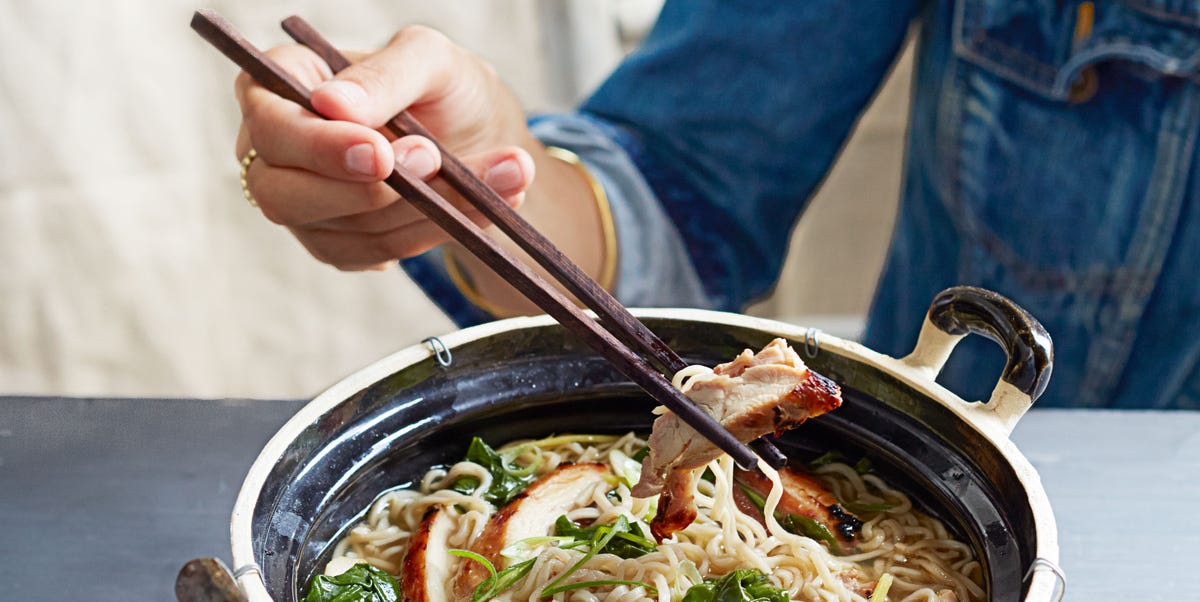
Some dinners politely knock on the door. This roasted chicken and mushroom ramen bowl kicks it open wearing slippers, carrying a steaming bowl of noodles, and announcing, “You deserve comfort.” It is cozy, savory, slurpable, and far easier than the dramatic ramen-shop mystique suggests.
This recipe brings together juicy roasted chicken, deeply browned mushrooms, springy ramen noodles, a fragrant ginger-garlic broth, and toppings that make the bowl feel restaurant-worthy without requiring a culinary degree or a secret noodle password. It is not meant to be a strict traditional Japanese ramen recipe. Instead, it is a practical homemade ramen bowl built for weeknights, cold evenings, lazy Sundays, and anyone who believes dinner should come with broth therapy.
The key phrase here is roasted chicken and mushroom ramen bowl recipe, but the real magic is balance: rich chicken, earthy mushrooms, salty-sweet broth, fresh green onions, tender noodles, and a soft egg if you want the full “look at me, I have my life together” effect.
Why This Roasted Chicken and Mushroom Ramen Works
Great ramen bowls depend on layers. The chicken gives the bowl protein and roasted flavor. The mushrooms add umami, which is the savory depth that makes your spoon keep returning to the bowl like it forgot something important. The broth carries ginger, garlic, soy sauce, sesame oil, and a touch of miso or rice vinegar to keep things bright.
Roasting the chicken instead of simmering it directly in the soup gives you better texture and deeper flavor. Meanwhile, browning the mushrooms before adding them prevents the dreaded sponge situation. Nobody invited rubbery mushrooms to dinner. They can wait outside.
Ingredients
For the Roasted Chicken
- 1 pound boneless, skinless chicken thighs or breasts
- 1 tablespoon neutral oil or olive oil
- 1 tablespoon soy sauce
- 1 teaspoon sesame oil
- 1 teaspoon honey or brown sugar
- 1 teaspoon grated fresh ginger
- 2 cloves garlic, minced
- 1/2 teaspoon kosher salt
- 1/4 teaspoon black pepper
For the Mushrooms
- 10 ounces cremini, shiitake, oyster, or mixed mushrooms, sliced
- 1 tablespoon neutral oil
- 1 teaspoon sesame oil
- 1 tablespoon soy sauce
- 1 teaspoon rice vinegar
- Pinch of black pepper
For the Ramen Broth
- 6 cups low-sodium chicken broth
- 1 cup water
- 3 cloves garlic, smashed
- 1 tablespoon fresh ginger, sliced or grated
- 3 tablespoons soy sauce
- 1 tablespoon white miso paste, optional but recommended
- 1 tablespoon mirin or 1 teaspoon brown sugar
- 1 teaspoon rice vinegar
- 1 teaspoon toasted sesame oil
- 1/2 teaspoon chili garlic sauce or chili crisp, optional
For the Bowls
- 4 servings ramen noodles, fresh or dried
- 2 cups baby bok choy, spinach, or shredded cabbage
- 2 soft-boiled eggs, halved, optional
- 3 green onions, thinly sliced
- 1 sheet nori, cut into strips, optional
- Sesame seeds, chili oil, or crispy garlic for topping
Step-by-Step Instructions
1. Marinate the Chicken
In a bowl, combine oil, soy sauce, sesame oil, honey, ginger, garlic, salt, and pepper. Add the chicken and turn it until coated. Let it sit for at least 15 minutes while you prepare the other ingredients. If you have 2 hours, even better. If you have overnight, congratulations, you are living the meal-prep dream.
2. Roast Until Juicy
Preheat the oven to 425°F. Place the chicken on a parchment-lined baking sheet and roast for 18 to 25 minutes, depending on thickness, until the internal temperature reaches 165°F. Let it rest for 5 to 10 minutes before slicing. Resting keeps the juices where they belong: in the chicken, not sadly puddled on the cutting board.
3. Brown the Mushrooms
Heat a wide skillet over medium-high heat. Add neutral oil, then add mushrooms in a single layer. Do not stir right away. Let them brown for 3 to 4 minutes, then toss and continue cooking until their moisture evaporates and the edges turn golden. Add sesame oil, soy sauce, rice vinegar, and pepper. Cook for another minute, then remove from heat.
4. Build the Broth
In a large pot, combine chicken broth, water, garlic, ginger, soy sauce, miso paste, mirin, rice vinegar, sesame oil, and chili sauce if using. Bring to a gentle simmer and cook for 10 to 15 minutes. Taste and adjust. Need salt? Add soy sauce. Too salty? Add water. Too flat? Add vinegar. Too boring? Add chili crisp and tell boredom to pack its bags.
5. Cook the Noodles Separately
Cook ramen noodles according to package directions in a separate pot of boiling water. Drain well. Cooking noodles separately keeps the broth cleaner and prevents the noodles from soaking up all the liquid before you get to the table.
6. Add Greens
Stir bok choy, spinach, or cabbage into the hot broth for 1 to 2 minutes, just until tender. Greens should look lively, not like they have given up on their dreams.
7. Assemble the Ramen Bowls
Divide noodles among bowls. Ladle hot broth over the noodles. Top with sliced roasted chicken, browned mushrooms, soft-boiled egg, green onions, nori, sesame seeds, and chili oil. Serve immediately while the noodles still have bounce and the broth is steaming.
Recipe Timing and Servings
| Prep Time | 20 minutes |
|---|---|
| Cook Time | 30 minutes |
| Total Time | 50 minutes |
| Servings | 4 bowls |
| Difficulty | Easy to moderate |
Best Mushrooms for Ramen
Cremini mushrooms are affordable, easy to find, and flavorful enough for everyday ramen. Shiitake mushrooms bring a deeper savory taste, especially if you use dried shiitakes in the broth. Oyster mushrooms cook quickly and have a delicate, almost silky texture. A mix gives you the best bowl because each mushroom contributes something different.
The most important trick is not variety; it is technique. Mushrooms need space and heat. Crowd the pan and they steam. Give them room and they brown. That browning is where flavor develops, so use a wide skillet and work in batches if necessary.
Chicken Thighs or Chicken Breast?
Chicken thighs are more forgiving because they contain more fat and stay juicy even if you cook them a little longer. Chicken breasts are leaner and lighter, but they require attention. If using breasts, pound them to an even thickness before roasting so the thin end does not turn into poultry jerky while the thick end catches up.
For the most flavorful roasted chicken ramen bowl, thighs are the easy winner. For a leaner bowl, breasts work beautifully as long as you use a thermometer and do not wander off to reorganize your spice drawer mid-roast.
Flavor Variations
Miso Mushroom Ramen
Add an extra tablespoon of white or yellow miso paste to the broth. Miso adds body and a savory, slightly nutty flavor that pairs beautifully with mushrooms.
Spicy Chicken Ramen
Add chili crisp, gochujang, sambal oelek, or sriracha to the broth. Start small. You can always add more heat, but removing it requires wizardry and possibly dairy.
Creamy Sesame Ramen
Whisk 2 tablespoons tahini or Japanese sesame paste into the broth. This creates a richer, slightly creamy soup without adding cream.
Extra Vegetable Ramen
Add carrots, corn, snap peas, cabbage, bean sprouts, or baby spinach. Keep the vegetables lightly cooked so the bowl still tastes fresh.
Storage and Meal Prep Tips
Store the broth, noodles, chicken, and toppings separately whenever possible. Ramen noodles continue drinking broth after cooking, and they are not polite about it. If stored together, they can become swollen and soft.
The roasted chicken and mushrooms can be refrigerated for up to 3 to 4 days. The broth can also be stored for several days in an airtight container. Reheat the broth until hot, then add noodles and toppings just before serving. For best results, cook a fresh portion of noodles when you are ready to eat.
What to Serve With Roasted Chicken and Mushroom Ramen
This bowl is hearty enough to stand alone, but side dishes can make it feel like a full ramen-night spread. Try cucumber salad, steamed edamame, roasted broccoli, gyoza, kimchi, quick pickled carrots, or a simple cabbage slaw with rice vinegar and sesame oil.
If you want crunch, add fried shallots or crispy garlic. If you want freshness, add cilantro, basil, or lime. If you want drama, place the soft-boiled egg on top and slice it open at the table like you are hosting a cooking show with exactly one loyal viewer: yourself.
Common Mistakes to Avoid
Overcooking the Noodles
Ramen noodles should be springy, not mushy. Cook them slightly under if they will sit in hot broth for more than a minute.
Using Bland Broth
Chicken broth alone is not enough. Soy sauce, ginger, garlic, miso, sesame oil, and vinegar turn basic broth into ramen-worthy broth.
Skipping the Mushroom Browning
Raw or lightly steamed mushrooms can taste watery. Browning them first concentrates their flavor and gives the bowl a deeper, richer taste.
Not Resting the Chicken
Slice roasted chicken too soon and the juices run out. Give it a few minutes to rest so every bite stays tender.
of Kitchen Experience: What This Bowl Teaches You
The first time you make a roasted chicken and mushroom ramen bowl, you may think the recipe is mostly about noodles. That is understandable. Noodles are charismatic. They twirl, they slurp, they make dinner feel more fun than a sensible plate of baked chicken and vegetables. But after making this bowl a few times, you realize the noodles are only one part of the story. The real lesson is how small cooking decisions build big flavor.
For example, roasting the chicken changes the whole personality of the bowl. Simmered chicken can be tender, but roasted chicken has browned edges, concentrated seasoning, and a little chew that stands up to the broth. When you slice it and lay it across the noodles, it feels intentional, not like leftover protein wandered into soup by accident. The marinade does not need to be complicated. Soy sauce, ginger, garlic, sesame oil, and a little sweetness are enough to make the chicken taste like it belongs in the bowl.
The mushrooms are another mini cooking lesson. If you toss them into the broth raw, they cook, but they do not shine. When you brown them in a hot skillet, they shrink, deepen, and become intensely savory. The first few minutes can test your patience because mushrooms release water. Then, suddenly, the pan dries out, the edges brown, and the kitchen smells like something expensive is happening. It is not expensive. It is just heat doing its job.
The broth also teaches balance. A good homemade ramen broth does not need to simmer for 12 hours to taste satisfying, although that kind of broth is wonderful. For a home cook, the goal is smart layering. Chicken broth gives the base. Ginger and garlic give aroma. Soy sauce adds salt and depth. Miso adds body. Rice vinegar brightens the finish. Sesame oil gives fragrance. Taste the broth as you go and you will learn what it needs. More soy sauce makes it deeper. More vinegar makes it livelier. More chili crisp makes it louder, in the best possible way.
Another experience worth mentioning is assembly. Ramen rewards organization. If the noodles are ready but the toppings are not, chaos enters wearing an apron. Set out the bowls, slice the green onions, halve the eggs, and keep toppings close. Once the noodles are cooked, move quickly. Hot broth, fresh noodles, roasted chicken, mushrooms, greens, toppings. It is a fast little dinner ballet, and yes, sometimes the egg slides sideways. That is not failure. That is rustic charm.
Most importantly, this recipe is flexible. After you make it once, you begin adjusting it to your mood. More mushrooms on rainy days. Extra chili when you need dinner to wake you up. Spinach when you want speed. Bok choy when you want crunch. Leftover roasted chicken when the fridge is asking to be useful. The bowl becomes less of a strict recipe and more of a comforting formula: hot broth, good noodles, savory protein, vegetables, and toppings that make you happy.
Conclusion
This roasted chicken and mushroom ramen bowl recipe is the kind of meal that feels special without acting precious. It is warm, savory, customizable, and realistic for home cooks who want big flavor without turning the kitchen into a laboratory. By roasting the chicken, browning the mushrooms, seasoning the broth thoughtfully, and assembling the toppings with care, you get a homemade ramen bowl that tastes layered, comforting, and deeply satisfying.
Whether you make it for a weeknight dinner, a cozy weekend lunch, or a “my soul needs noodles” emergency, this bowl delivers. Keep the broth hot, the noodles springy, the mushrooms golden, and the toppings generous. A good ramen bowl is not just food. It is a little edible reset button.














