
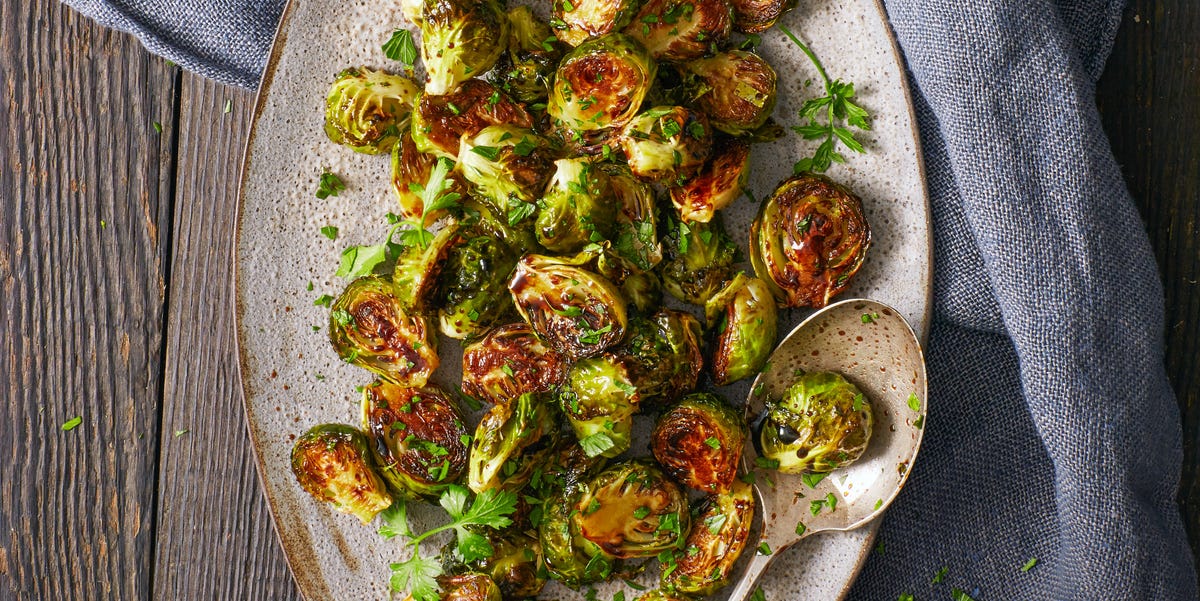
Brussels sprouts have had one of the greatest glow-ups in vegetable history. Once unfairly sentenced to the “boiled until suspiciously gray” category, they are now the crispy, caramelized, sweet-tangy side dish that disappears before the main course gets comfortable. And when you roast them with a sweet and sour glaze? Suddenly, the humble little cabbage cousin is wearing a leather jacket, hosting dinner, and making everyone ask for the recipe.
This recipe for Roasted Sweet & Sour Brussels Sprouts is built around contrast: crispy roasted edges, tender centers, a glossy glaze with just enough sweetness, and a bright acidic finish that keeps each bite lively. The magic happens when high oven heat transforms Brussels sprouts from firm and grassy into nutty, browned, and almost snack-like. Then the sweet and sour sauce swoops in like a flavor superhero, balancing maple syrup or honey with vinegar, soy sauce, garlic, and a whisper of heat.
Whether you need a Thanksgiving vegetable side dish, a weeknight roasted vegetable recipe, or a way to convince a Brussels-sprout skeptic that life is still full of surprises, this dish earns its spot on the table.
Why Roasted Sweet & Sour Brussels Sprouts Work So Well
The best roasted Brussels sprouts are not complicated. They are the result of a few smart choices: high heat, enough space on the pan, a light coating of oil, and a glaze added at the right moment. Brussels sprouts contain natural sugars that brown beautifully in the oven. When they are cut in half and placed cut-side down, their flat surfaces make direct contact with the hot pan, creating deep caramelization instead of pale, steamed disappointment.
The sweet and sour glaze makes them even better. Sweetness softens the natural bitterness that some people still associate with Brussels sprouts, while vinegar adds brightness and keeps the dish from tasting heavy. A small amount of soy sauce or tamari gives the glaze savory depth, and garlic brings the whole thing into “just one more bite” territory.
The Flavor Formula
Great sweet and sour Brussels sprouts usually follow this simple formula:
- Sweet: honey, maple syrup, brown sugar, or date syrup
- Sour: balsamic vinegar, rice vinegar, apple cider vinegar, or sherry vinegar
- Savory: soy sauce, tamari, garlic, shallots, or miso
- Heat: red pepper flakes, chili crisp, sriracha, or hot honey
- Crunch: toasted sesame seeds, pecans, panko, or crispy loose sprout leaves
The goal is balance. You should taste sweetness first, tang right behind it, savory richness underneath, and roasted Brussels sprouts holding everything together like tiny green flavor boats.
Ingredients for Roasted Sweet & Sour Brussels Sprouts
This recipe uses pantry-friendly ingredients and gives you plenty of room to customize. The result is bold enough for a holiday table but easy enough for a Tuesday night when dinner needs to happen before everyone starts eating cereal from the box.
Main Ingredients
- 1 1/2 pounds Brussels sprouts: Trimmed and halved lengthwise. Choose firm, bright green sprouts with tightly packed leaves.
- 2 tablespoons olive oil: Helps the sprouts brown and crisp in the oven.
- 3/4 teaspoon kosher salt: Essential for drawing out flavor.
- 1/2 teaspoon black pepper: Adds mild warmth.
- 1 tablespoon neutral oil: Optional, for extra high-heat roasting support.
Sweet & Sour Glaze
- 2 tablespoons balsamic vinegar: Rich, tangy, and slightly sweet.
- 1 tablespoon rice vinegar or apple cider vinegar: Adds sharper brightness.
- 2 tablespoons honey or maple syrup: Creates the sweet side of the glaze.
- 1 tablespoon soy sauce or tamari: Adds umami and saltiness.
- 1 teaspoon Dijon mustard: Helps emulsify the glaze and adds subtle bite.
- 2 cloves garlic, finely grated: Gives the sauce a savory backbone.
- 1/4 teaspoon red pepper flakes: Optional, but highly recommended if your taste buds enjoy a little drama.
- 1 teaspoon sesame oil: Optional finishing touch for a nutty aroma.
Optional Garnishes
- Toasted sesame seeds
- Chopped scallions
- Fresh parsley or cilantro
- Crushed roasted peanuts or pecans
- A squeeze of lemon or lime
- Flaky sea salt
How to Make Roasted Sweet & Sour Brussels Sprouts
Step 1: Prep the Brussels Sprouts
Start by trimming the dry stem ends from the Brussels sprouts. Remove any yellowed or damaged outer leaves. Cut each sprout in half from top to stem so the leaves stay connected. If some sprouts are much larger than the others, quarter them. Even sizing is not glamorous, but it is the difference between “perfectly roasted” and “half raw, half fossilized.”
After cutting, dry the sprouts well. Moisture is the enemy of crispiness. If the sprouts are wet, they steam before they roast, and steamed Brussels sprouts are not the vibe we came here for.
Step 2: Roast at High Heat
Preheat the oven to 425°F. Place a large rimmed baking sheet in the oven while it heats. A hot pan gives the sprouts a head start on browning, especially when they go down cut-side first.
In a large bowl, toss the Brussels sprouts with olive oil, salt, and black pepper. Spread them onto the hot baking sheet in a single layer, cut-side down. Give them space. If the sprouts are crowded, they will steam each other like commuters packed into a rush-hour subway car. Use two pans if needed.
Roast for 20 to 25 minutes, or until the flat sides are deeply browned and the outer leaves are crisp. Smaller sprouts may finish closer to 18 minutes, while larger ones may need closer to 30.
Step 3: Make the Sweet & Sour Glaze
While the sprouts roast, combine balsamic vinegar, rice vinegar, honey or maple syrup, soy sauce, Dijon mustard, grated garlic, and red pepper flakes in a small saucepan. Simmer over medium-low heat for 3 to 5 minutes, stirring often, until the mixture looks slightly glossy and lightly reduced.
Do not reduce it into candy. You want a spoonable glaze, not a sticky kitchen science experiment. If it thickens too much, stir in a teaspoon of water to loosen it.
Step 4: Toss and Finish
When the Brussels sprouts are browned and tender, transfer them to a large bowl. Drizzle with the warm sweet and sour glaze and toss gently. Add sesame oil if using. Taste and adjust with a small splash of vinegar for more tang, a drizzle of honey for extra sweetness, or a pinch of salt if the flavors need sharpening.
Finish with sesame seeds, scallions, herbs, nuts, or flaky salt. Serve immediately while the edges are still crisp and the glaze is shiny.
Recipe Card: Roasted Sweet & Sour Brussels Sprouts
Servings
4 to 6 servings
Prep Time
10 minutes
Cook Time
25 minutes
Total Time
35 minutes
Ingredients
- 1 1/2 pounds Brussels sprouts, trimmed and halved
- 2 tablespoons olive oil
- 3/4 teaspoon kosher salt
- 1/2 teaspoon black pepper
- 2 tablespoons balsamic vinegar
- 1 tablespoon rice vinegar or apple cider vinegar
- 2 tablespoons honey or maple syrup
- 1 tablespoon soy sauce or tamari
- 1 teaspoon Dijon mustard
- 2 garlic cloves, finely grated
- 1/4 teaspoon red pepper flakes, optional
- 1 teaspoon sesame oil, optional
- Toasted sesame seeds and scallions, for garnish
Instructions
- Preheat oven to 425°F. Place a rimmed baking sheet in the oven while it heats.
- Trim Brussels sprouts and cut them in half lengthwise. Pat dry.
- Toss sprouts with olive oil, salt, and pepper.
- Spread sprouts cut-side down on the hot baking sheet in a single layer.
- Roast for 20 to 25 minutes, until browned, crisp at the edges, and tender inside.
- Meanwhile, simmer balsamic vinegar, rice vinegar, honey or maple syrup, soy sauce, Dijon mustard, garlic, and red pepper flakes for 3 to 5 minutes.
- Toss roasted sprouts with the glaze. Add sesame oil if desired.
- Garnish with sesame seeds and scallions. Serve hot.
Expert Tips for Crispy Brussels Sprouts
Do Not Overcrowd the Pan
This is the number one rule. Brussels sprouts need space so hot air can circulate around them. When they overlap, moisture gets trapped, and the sprouts steam instead of roast. A crowded pan is where crispiness goes to retire.
Use Enough Oil, But Not Too Much
A light coating of oil helps the sprouts brown evenly. Too little oil can make them dry; too much can make them greasy. Aim for glossy, not drenched.
Place Them Cut-Side Down
The flat side has the most surface area, which means more contact with the pan and better caramelization. This is how you get those golden-brown bottoms that taste almost nutty.
Add the Glaze After Roasting
Sweeteners can burn if they spend too long in a hot oven. Roasting the sprouts first and tossing them with glaze afterward gives you crisp edges and a clean sweet-tangy finish.
Use Fresh Brussels Sprouts
Look for firm sprouts with tight leaves and a bright green color. Avoid sprouts with black spots, loose leaves, or dry, cracked stems. Fresh sprouts roast better and taste sweeter.
Flavor Variations
Asian-Inspired Sweet & Sour Brussels Sprouts
Use rice vinegar, maple syrup, soy sauce, garlic, ginger, sesame oil, and chili crisp. Finish with scallions and sesame seeds. This version pairs beautifully with salmon, rice bowls, tofu, or grilled chicken.
Balsamic Honey Brussels Sprouts
Use balsamic vinegar, honey, Dijon mustard, and black pepper. Add a little lemon zest at the end for brightness. This version is perfect with roast chicken, pork tenderloin, turkey, or a vegetarian holiday spread.
Spicy Sweet & Sour Brussels Sprouts
Add sriracha, gochujang, or crushed red pepper flakes to the glaze. The heat cuts through the sweetness and makes the sprouts dangerously snackable.
Maple Pecan Brussels Sprouts
Use maple syrup as the sweetener and toss in toasted pecans before serving. The pecans add crunch, warmth, and a cozy fall flavor that works especially well for Thanksgiving or Christmas dinner.
Vegan Sweet & Sour Brussels Sprouts
Use maple syrup instead of honey and tamari instead of soy sauce if you want the dish to be gluten-free. The result is fully plant-based, deeply flavorful, and definitely not “sad vegetable side dish” material.
What to Serve with Roasted Sweet & Sour Brussels Sprouts
These Brussels sprouts are flexible enough to go with almost anything. Their tangy glaze makes them especially good beside rich main dishes because the acidity cuts through heavier flavors.
Great Main Dish Pairings
- Roast chicken with herbs
- Grilled salmon or baked cod
- Pork chops or pork tenderloin
- Turkey, ham, or holiday roasts
- Tofu bowls with rice and avocado
- Grain bowls with quinoa, farro, or brown rice
- Mac and cheese, because balance is a beautiful thing
Turn Them into a Meal
To make roasted sweet and sour Brussels sprouts into a full meal, serve them over rice or noodles with a protein. Add a fried egg, crispy tofu, shredded chicken, or edamame. Spoon extra glaze over the top and finish with scallions. Suddenly, your side dish has become dinner, and nobody needs to know how easy it was.
Storage and Reheating
Roasted Brussels sprouts are best fresh from the oven, but leftovers can still be delicious. Store them in an airtight container in the refrigerator for up to 4 days. To reheat, place them on a baking sheet and warm at 375°F for 8 to 10 minutes. An air fryer also works well for reviving crispy edges.
Avoid microwaving if crispiness matters. The microwave is fast, yes, but it tends to soften the sprouts. If you are adding leftovers to a grain bowl or salad, that softer texture may be perfectly fine.
Nutrition Notes
Brussels sprouts are part of the cruciferous vegetable family, along with broccoli, cauliflower, kale, and cabbage. They are naturally rich in fiber, vitamin C, vitamin K, and plant compounds that make them a smart addition to a balanced diet. Roasting keeps the dish satisfying, while the sweet and sour glaze adds big flavor without requiring a heavy sauce.
To keep the recipe lighter, use maple syrup or honey in moderation and measure the oil instead of free-pouring. To make the dish lower in sodium, choose reduced-sodium soy sauce or use a smaller amount and add extra vinegar, garlic, or citrus for flavor.
Common Mistakes to Avoid
Using Wet Brussels Sprouts
Wet sprouts steam. Dry sprouts roast. Pat them dry before adding oil.
Adding the Glaze Too Early
Sugary glazes can burn in the oven. Add the glaze after roasting or during the final few minutes only.
Skipping the Salt
Salt is not just for saltiness. It brings out sweetness, balances bitterness, and makes the glaze taste complete.
Cooking at Too Low a Temperature
Low heat can make Brussels sprouts soft before they brown. A hot oven gives you the crispy outside and tender inside you want.
Forgetting Texture
A garnish like sesame seeds, nuts, or crispy loose leaves makes the final dish more exciting. Texture is the difference between “nice” and “please move this bowl closer to me.”
Why This Recipe Is Great for Holidays and Weeknights
Roasted sweet and sour Brussels sprouts are fancy enough for a holiday table but simple enough for regular dinners. That is their superpower. They do not require special equipment, rare ingredients, or a culinary degree from a school where everyone says “mouthfeel” too often. You need a sheet pan, a hot oven, and a glaze you can stir together in minutes.
For holidays, the dish brings color and brightness to a table often dominated by creamy, buttery, rich foods. For weeknights, it turns basic vegetables into something you actually look forward to eating. It also scales easily. Cooking for two? Use one pound of sprouts. Feeding a crowd? Double the recipe and use two baking sheets.
Make-Ahead Tips
You can trim and halve the Brussels sprouts up to 24 hours ahead. Store them in an airtight container or zip-top bag in the refrigerator with a paper towel to absorb moisture. You can also make the glaze 2 to 3 days in advance and refrigerate it. Warm it gently before tossing with the roasted sprouts.
For the best texture, roast the Brussels sprouts shortly before serving. If you must roast them ahead, slightly undercook them, then reheat on a hot sheet pan before adding the glaze.
Personal Kitchen Experiences with Roasted Sweet & Sour Brussels Sprouts
The first time I made roasted sweet and sour Brussels sprouts for a mixed crowd, I treated them like a diplomatic mission. On one side of the table were the vegetable enthusiasts, people who say things like “I love cruciferous greens” without being prompted. On the other side were the skeptics, still haunted by childhood memories of boiled Brussels sprouts that smelled like a science classroom after a power outage. The goal was simple: make a version that both groups would eat without politely hiding pieces under the mashed potatoes.
The turning point was the glaze. Plain roasted Brussels sprouts can be excellent, but sweet and sour glaze gives them a personality. The honey or maple syrup makes the browned edges taste almost candied, while the vinegar keeps everything sharp and lively. Soy sauce adds depth, garlic adds comfort, and red pepper flakes give just enough heat to wake up the room. When the sprouts came out of the oven, I tossed them while they were still sizzling. The glaze clung to the leaves, slipped into the browned layers, and made the kitchen smell like a restaurant appetizer people would happily overpay for.
One thing I learned quickly is that Brussels sprouts reward patience but punish crowding. I once tried to fit two pounds onto one sheet pan because I did not want to wash a second pan. This was a mistake. The sprouts released moisture, steamed each other, and came out soft instead of crisp. They were edible, but they lacked that roasted dramathe dark edges, the nutty flavor, the little crispy leaves that everyone steals first. Since then, I have accepted the truth: use two pans. Dishes are temporary; soggy Brussels sprouts are emotionally longer lasting.
Another useful experience is to keep the glaze bold. It may taste intense when sampled from the spoon, but once it coats the roasted sprouts, it mellows. Brussels sprouts have a strong personality of their own, so the sauce cannot whisper. It needs to speak clearly. If the finished dish tastes flat, I usually add a splash of vinegar or a squeeze of lemon. If it tastes too sharp, a small drizzle of maple syrup brings it back into balance. Cooking is not a courtroom; you are allowed to adjust the evidence.
These sprouts are also surprisingly good at room temperature. That makes them practical for potlucks, holiday dinners, and meals where the main dish refuses to finish on schedule. I have served them beside turkey, salmon, rice bowls, and even cold noodles. They fit in almost everywhere because they bring sweet, sour, salty, and savory notes in one bite. They also make excellent leftovers when chopped and added to fried rice, grain bowls, omelets, or sandwiches. Yes, Brussels sprouts in a sandwich sounds bold. Try it with turkey, sharp cheddar, and a little mustard, and suddenly bold becomes brilliant.
My biggest lesson is that roasted sweet and sour Brussels sprouts are less about disguising a vegetable and more about treating it properly. High heat brings out sweetness. Space creates crispiness. Acid adds sparkle. A little sweetness makes the bitterness behave. When all of those details come together, Brussels sprouts stop being the vegetable people avoid and become the side dish people request. That is a pretty impressive career change for a tiny cabbage.
Conclusion
Roasted Sweet & Sour Brussels Sprouts prove that a vegetable side dish can be bold, crispy, balanced, and wildly craveable without being complicated. The secret is simple: roast the sprouts at high heat until browned and tender, then toss them with a glossy glaze that balances sweetness, acidity, savoriness, and a little heat. The result is a dish that works for weeknight dinners, holiday menus, meal prep bowls, and anyone who still thinks Brussels sprouts are boring.
Serve them hot, garnish generously, and do not be surprised if someone at the table says, “Wait, I thought I hated Brussels sprouts.” That is your cue to smile modestly and pretend this was difficult.
Note: This article is written as original, web-ready content based on widely accepted U.S. cooking practices for roasting vegetables, balancing sweet and sour sauces, and preparing Brussels sprouts for crisp texture and strong flavor.











