
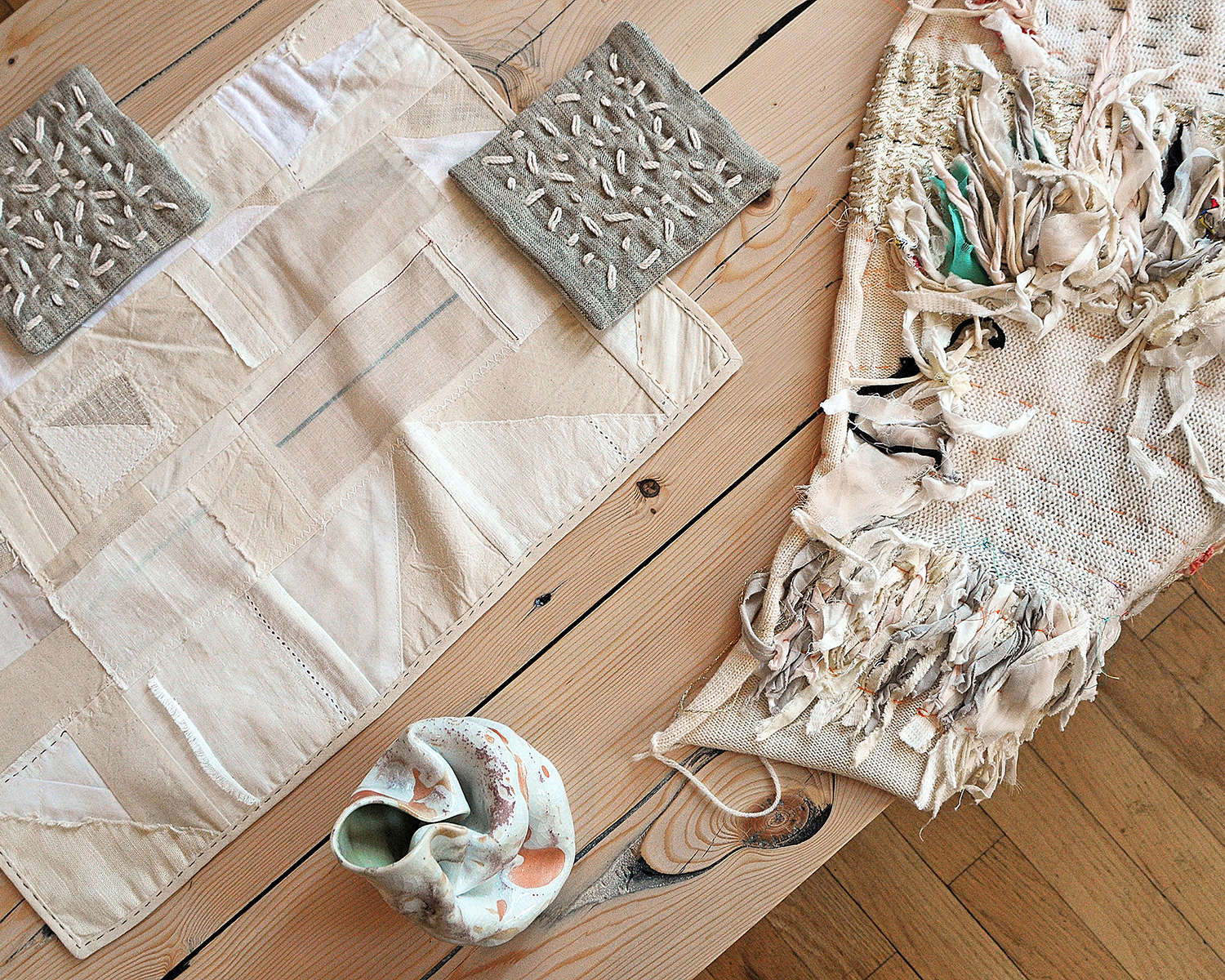
Some crafts whisper, “Take your time.” A rope embroidered coaster says, “Grab your thread, make a tiny masterpiece, and protect the coffee table while you’re at it.” That is part of the charm. This project sits at the sweet spot between useful and delightful, where home décor, beginner sewing, and embroidery all shake hands like old friends. If you love projects that look boutique without demanding a full weekend of chaos, a rope embroidered coaster deserves a permanent place on your craft list.
At its core, a rope embroidered coaster is exactly what it sounds like: a flat coaster made by coiling soft rope and stitching it together, then decorating it with embroidery. The result has texture, personality, and a handmade warmth that plain store-bought coasters rarely match. It feels rustic without being rough, polished without being fussy, and customizable enough to suit everything from farmhouse kitchens to modern coffee bars.
Why Rope Embroidered Coasters Are Having a Craft Moment
The popularity of rope-based sewing projects makes perfect sense. They are approachable, forgiving, and surprisingly stylish. Unlike some DIY décor projects that require expensive equipment or a suspicious level of optimism, rope coasters are friendly to ordinary makers. You can make them with a sewing machine, embellish them by hand, or combine both methods for a result that looks far more advanced than it really is.
They also check the boxes that today’s crafters care about most: they are practical, giftable, scrap-friendly, and easy to personalize. A set can look coastal, cottagecore, minimalist, festive, or cheerfully weird depending on the thread color and embroidery motif. Tiny florals? Lovely. Monograms? Classic. Mushrooms, stars, citrus slices, ghosts, or abstract lines? Also excellent. The coaster does not judge. It simply serves.
What Makes a Good Rope Embroidered Coaster?
The best rope embroidered coasters usually start with one important material choice: soft cotton rope or cotton clothesline. Cotton is popular because it is flexible enough to coil neatly, easy to stitch through compared with stiffer synthetic options, and naturally suited to the cozy, tactile look people want from handmade tabletop pieces. If your dream coaster should feel charming instead of industrial, cotton is the hero of the story.
Thickness matters too. A rope that is too skinny can make the coaster look flimsy unless you want a delicate style. A rope that is too dense or too stiff can make the stitching process unnecessarily dramatic. For many makers, a medium cotton cording lands in the Goldilocks zone: substantial enough to hold shape, soft enough to sew, and forgiving enough for beginners who are still negotiating with their zigzag stitch.
Then comes construction. The rope is coiled tightly from the center outward and stitched in place, usually with a zigzag stitch that catches both sides of the cord as the circle grows. The flatter and more even you keep that growing coil, the better the finished coaster will sit on a table. This is not a place for accidental bowls. Bowls are lovely, but if your iced tea glass tilts because your coaster became a tiny volcano, the vibe changes fast.
Design Ideas That Actually Look Good
Here is where the project becomes addictive. A rope embroidered coaster can be simple enough for a beginner and still look custom. That is rare craft magic.
1. Minimalist linework
A few stitched leaves, a curved branch, a little sunburst, or a geometric outline can make a coaster feel elegant without overwhelming the rope texture. Linework embroidery works especially well because dense stitching can disappear into the coiled surface or make the center feel too heavy.
2. Monograms and initials
These are perfect for wedding gifts, hostess sets, and the kind of friend who labels pantry jars for fun. A single embroidered initial turns a practical object into a personalized keepsake. Suddenly, it is not just a coaster. It is “your coaster,” and that makes people absurdly happy.
3. Seasonal motifs
Rope embroidered coasters shine during the holidays because they are small enough to make in batches and festive enough to feel special. Snowflakes, pumpkins, hearts, citrus slices, stars, shamrocks, or little patriotic flourishes can all work beautifully. One base technique, endless costume changes.
4. Nature-inspired embroidery
Flowers, berries, herbs, bees, waves, and simple mountain outlines suit the organic look of rope particularly well. The coiled foundation already has a natural rhythm, so botanical and landscape motifs feel right at home.
5. Playful kitchen themes
Think coffee cups, teapots, wine glasses, lemons, or tiny words like “sip,” “brew,” or “cheers.” These designs are easy to pair with a gift basket or to style in a breakfast nook, bar cart, or guest room coffee station.
Best Embroidery Styles for This Project
Not every embroidery style behaves nicely on rope, and that is useful to know before you start. The texture of coiled cotton is part of the beauty, but it also means the surface is not as uniformly smooth as plain woven fabric. Smart design choices make the difference between “handmade in the best way” and “why did my flower turn into a potato?”
For hand embroidery, outline-forward stitches are especially effective. Running stitch gives a light, relaxed look. Back stitch creates crisp lettering and simple illustrations. Stem stitch is lovely for curved lines, vines, and delicate borders. Chain stitch offers a bolder, decorative line if you want the design to stand up visually. Satin stitch can work in small areas, but it tends to look best when used sparingly instead of filling large shapes. French knots are ideal for dotted centers, berries, and tiny bursts of texture.
If you use a machine embroidery approach, lighter, less dense designs tend to perform better on coiled rope than heavily filled motifs. Open florals, redwork-style outlines, simple monograms, and airy decorative shapes are usually safer bets than dense blocks of stitching. The rope already brings texture and presence, so the embroidery does not need to shout.
Color Choices That Elevate the Whole Piece
Color can take your coaster from “cute craft” to “I would absolutely buy that at a boutique.” The natural cream of cotton rope pairs beautifully with almost everything, which is great news if color decisions tend to send you into existential crisis.
For a modern organic look, pair natural rope with olive, rust, charcoal, navy, or terracotta thread. For a coastal mood, try pale blue, sandy beige, sea-glass green, or soft coral. If you want something cheerful and giftable, use contrasting brights like tomato red, mustard, teal, and pink. Variegated thread can also produce a gorgeous painterly effect across a very simple stitched motif.
One smart trick is to choose one dominant thread color for the structural stitching that joins the rope, then add embroidery in one or two accent colors. That creates a deliberate, finished look instead of a coaster that appears to have wandered through your thread drawer unsupervised.
How to Make a Rope Embroidered Coaster Look Professional
There is a big difference between homemade and handmade. Homemade can be wonderful, but handmade has intention. If you want your rope coaster to land in the second camp, a few details matter.
Keep the center tight
The opening coil sets the tone for everything that follows. A tidy center gives the whole coaster a cleaner appearance. If the first inch is sloppy, the coaster will spend the rest of its life trying to recover.
Maintain an even stitch rhythm
Consistent zigzag spacing and thread tension help the rope lie flat and keep the coaster looking balanced. This does not mean perfection. It just means avoiding sudden stitch mood swings.
Choose embroidery placement carefully
Most embroidered rope coasters look best when the design stays centered or intentionally offset in a small, balanced way. Oversized motifs that crash into the edge can make a tiny coaster feel visually crowded.
Finish the tail neatly
Where the rope ends, the project can either look polished or suspicious. Tapering, trimming neatly, and securing the final stitches well helps the coaster feel complete.
Work in sets
Even if each coaster has a different motif, repeating the same rope, shape, and color palette creates a cohesive collection. Matching sets feel more gift-worthy and more styled on a table.
Where Rope Embroidered Coasters Work Best at Home
This is one of the rare crafts that refuses to be confined to one room. Rope embroidered coasters can live almost anywhere.
In the living room, they soften the look of wood, metal, or stone tables. In the kitchen, they add warmth to mugs, glasses, and little serving moments. In a guest room, they make a bedside water glass feel intentional rather than lonely. On a desk, they turn the daily coffee ritual into a small design statement. And if you style them near a candle, stack of books, or ceramic vase, they quietly become décor even when no drink is around.
They also make excellent conversation pieces, which is always amusing for something whose main job is preventing ring marks. A guest picks one up, turns it over, squints at the stitching, and suddenly you are explaining rope construction like a fiber-arts wizard.
Why They Make Such Good Gifts
Handmade gifts succeed when they feel useful, personal, and not alarmingly difficult to store. Rope embroidered coasters win on all three counts. They are easy to wrap, easy to mail, easy to match to a recipient’s style, and easy to bundle with candles, tea, mugs, wine, coffee beans, or homemade treats.
A set of four can become a housewarming gift. A pair can become a thank-you present. One monogrammed coaster attached to a mug can become a teacher gift. Seasonal versions work as party favors, stocking stuffers, or table settings that guests can take home. It is hard to resent receiving something attractive that also protects furniture. That is elite gift strategy.
Common Mistakes and How to Avoid Them
Using overly stiff rope: If the material fights you from the start, the finished coaster will probably look lumpy or resist lying flat.
Choosing overly dense embroidery: On a textured rope base, simpler usually looks cleaner. Let the rope do some of the visual work.
Skipping practice: Make one test coaster before launching into a full set. It is much better to learn on a “prototype” than on the one you already promised as a gift.
Ignoring scale: Tiny coasters do not need giant designs. A small, crisp motif often looks more expensive than a crowded one.
Not planning color balance: Beautiful thread colors can still fight each other. Pick a palette first, then stitch like you mean it.
Rope Embroidered Coaster Trends to Watch
Expect to keep seeing rope-based tabletop crafts evolve in stylish ways. Makers are leaning into tone-on-tone stitching, earthy palettes, textural contrast, and small-batch handmade home accessories that feel personal rather than mass-produced. Embroidered coasters fit neatly into that movement because they combine usefulness with visible craftsmanship.
There is also growing interest in projects that feel slower and more tactile. Rope embroidery answers that beautifully. The coiling, stitching, and embellishing process is repetitive in the most satisfying way. It is the kind of craft that lets your brain exhale a little while your hands stay busy. Not to sound dramatic, but that is a pretty good deal for one tiny coaster.
The Experience of Making Rope Embroidered Coasters
The first time I worked on a rope embroidered coaster, I expected a fast utility project and got something much more memorable. The rope itself was immediately satisfying to handle: soft but structured, sturdy but still easy to guide into a neat coil. There is something oddly calming about watching that first tight spiral turn into a real object. You start with what looks like humble cord, and ten minutes later it begins to resemble décor. That transformation feels almost theatrical, like the craft equivalent of a glow-up montage.
What surprised me most was how much personality a coaster could hold. Once the base was stitched, I added a simple embroidered branch with tiny leaves. Nothing complicated, nothing museum-worthy, and certainly nothing that required me to wear a dramatic artist scarf. But the minute the stitching went on, the piece changed. It stopped looking like a sewing exercise and started looking intentional. It had character. It looked like something chosen, not just made.
There were mistakes, of course. My first center coil was a little crooked, and I learned very quickly that rope has opinions. If I guided it too loosely, the shape wandered. If I rushed the zigzag stitching, the coaster threatened to become a very shallow bowl. If I pulled my embroidery thread too tightly, the motif puckered slightly and gave the leaf branch a stressed-out expression. Still, that was part of the fun. The project felt forgiving. Each coaster taught me something, and none of the lessons were expensive.
I also noticed how easy it was to get attached to the finished pieces. That is the danger of making useful things by hand: suddenly every small object seems to deserve a backstory. One coaster reminded me of a beach weekend because of the pale blue stitching. Another looked cozy and autumnal just because I used rust thread on natural rope. A holiday version with little stars somehow made hot chocolate feel more official. The coasters did not merely sit under cups; they changed the mood of the whole table in a subtle, satisfying way.
Giving them away turned out to be even better. People reacted as if I had handed them something much more elaborate than a coaster set. They touched the rope, traced the embroidery, and almost always asked, “You made this?” in the tone usually reserved for much fancier projects. That is the secret power of rope embroidered coasters: they look crafted in a way that reads as thoughtful and skillful, even though the process is wonderfully manageable.
Now I think of them as one of the most rewarding small crafts around. They are practical, yes, but they also deliver that rare sense of creative satisfaction without demanding endless time, costly materials, or saint-level patience. A rope embroidered coaster is a tiny project with real presence. It gives your hands something lovely to do, your table something lovely to wear, and your gift pile something far more charming than another generic candle. Honestly, that is a lot of performance for a little circle of rope.
Conclusion
A rope embroidered coaster proves that small crafts can have serious style. It combines the sculptural beauty of coiled cotton rope with the charm of embroidery, creating a project that feels handmade, useful, and genuinely worth displaying. Whether you prefer minimalist linework, seasonal motifs, botanical details, or personalized initials, this is one of those rare DIYs that rewards creativity without demanding perfection.
If you want a craft that is beginner-friendly but still polished enough for gifting, decorating, and repeat-making, this is it. Start with good cotton rope, keep the design light and balanced, and let the texture do part of the talking. Your mug gets a soft landing, your table stays protected, and your home gets a custom detail that looks thoughtful every single time you set down a drink. Not bad for a project small enough to fit in one hand.














