
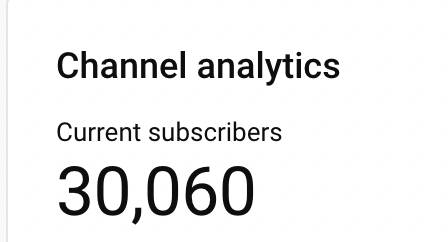
In the world of SaaS, where acronyms reproduce faster than rabbits and every founder has “one quick question” about ARR, SaaStr’s YouTube channel crossing 30,000 subscribers was more than a vanity milestone. It was a signal. B2B audiences were not only willing to watch long-form educational content; they were actively subscribing to it, returning to it, and sharing it with teams trying to scale without accidentally setting the company on fire.
SaaStr has long been known as a hub for SaaS founders, executives, revenue leaders, marketers, product builders, and investors. Its core promise is practical: help people build better software companies with less stress and more success. The YouTube channel fits that mission perfectly. Instead of gated PDFs that require your phone number, job title, company size, favorite cereal, and possibly your childhood nickname, SaaStr puts high-quality operator advice directly in front of viewers for free.
The 30,000-subscriber moment mattered because it showed that serious B2B content can work on YouTube. Not dance-challenge YouTube. Not “I bought 10,000 rubber ducks” YouTube. Useful, detailed, executive-level YouTube. The kind where a founder can hear from leaders at companies like GitLab, Zoom, Y Combinator, Zapier, Databricks, Notion, Amplitude, and Samsara, then walk away with ideas they can actually test on Monday morning.
Why SaaStr’s YouTube Growth Matters
For years, B2B companies treated YouTube like a storage closet for webinar recordings. Upload the video, paste the link into a newsletter, and hope three people watched it while eating lunch. SaaStr’s growth suggests a better model: YouTube can become a living library of founder education, SaaS strategy, and go-to-market lessons.
That matters because SaaS buyers and builders do not only want polished brand slogans. They want patterns. They want to hear how a company scaled sales, how a CEO handled competition, how a product leader approached the first 90 days, or how a founder survived the awkward middle stage between “we have traction” and “why is everyone asking for enterprise security reviews?”
Video is especially powerful for this kind of content because it carries nuance. A written quote can summarize a lesson, but a video lets viewers hear tone, hesitation, conviction, and the tiny pauses where the real wisdom often hides. When an experienced operator explains what went wrong, the lesson lands differently than a bullet point in a slide deck.
The Original 30,000-Subscriber Milestone
When SaaStr celebrated crossing 30,000 YouTube subscribers, Jason Lemkin framed the channel as a place where SaaS leaders could learn from CEOs, CROs, CMOs, and product executives at many of the strongest companies in software. The appeal was simple: where else could you get this much practical SaaS training for free?
The milestone also came with a look at standout videos from the previous twelve months. That detail is important. The original post highlighted timely favorites, while later SaaStr updates showed how the all-time leaderboard evolved as the channel grew further. In other words, SaaStr’s YouTube success was not a single viral spike. It was a compounding library.
Top SaaStr Videos That Defined the Channel’s Appeal
The best-performing SaaStr videos tend to fall into a few clear categories: founder playbooks, revenue scaling, product leadership, fundraising, community-led growth, and hard-won lessons from iconic SaaS companies. These are not random topics. They match the recurring questions founders and executives ask as their companies grow.
1. Y Combinator and the Power of Startup Fundamentals
Y Combinator-related sessions have repeatedly performed well for SaaStr. That makes sense. YC has a gravitational pull in startup culture, and founders are always hungry for clear advice on pitching, early traction, and company building. A session with Michael Seibel on how to pitch a seed-stage startup became one of SaaStr’s most visible all-time performers in later rankings.
The lesson is not simply “put YC in the title and magic happens.” The deeper point is that startup audiences reward content that answers painful, high-stakes questions. How do I explain my company? How do I raise money? How do I avoid sounding like I swallowed a buzzword smoothie? A great SaaStr video gives founders usable answers.
2. Revenue Growth With Mark Roberge
Revenue growth content is another reliable winner. Mark Roberge, known for his work scaling HubSpot’s sales organization and teaching at Harvard Business School, represents the kind of operator viewers trust. A step-by-step revenue growth session works because it speaks to the most persistent SaaS problem: turning a promising product into a repeatable business.
Founders may enjoy vision, but they survive on pipeline, conversion, retention, and expansion. A video that breaks revenue growth into practical stages has long shelf life because the problem never goes out of style. Every generation of SaaS founders eventually discovers that “build it and they will come” is not a go-to-market strategy. It is a motivational poster with Wi-Fi.
3. GitLab and Community-Led Growth
GitLab CEO Sid Sijbrandij’s session on innovating faster with community became one of the standout videos in SaaStr’s 30,000-subscriber era and appeared again in later popularity lists. Its appeal is obvious: community is one of those ideas everyone praises, few teams operationalize well, and many companies accidentally turn into a Slack group with tumbleweeds.
GitLab’s story gives SaaS leaders a more serious model. Community can support product feedback, brand trust, hiring, documentation, and distribution. For technical audiences especially, community is not a decorative marketing layer. It can become part of the product’s growth engine.
4. Zoom and Scaling a Sales Team
Zoom CRO Ryan Azus’s session on scaling a sales team resonated because SaaS companies often struggle to move from founder-led sales into a structured revenue organization. The transition sounds simple until the founder realizes that hiring salespeople does not automatically create a sales machine. It may simply create more calendar invites.
Great sales-scaling content answers operational questions: when to hire, how to segment accounts, how to coach managers, how to move upmarket, and how to keep culture intact as the team grows. For SaaS operators, that is catnip with a CRM login.
5. Zapier and Scaling Culture
SaaStr’s featured session with Zapier CEO Wade Foster and employees focused on scaling to hundreds of people. This type of content performs because founders eventually learn that company building is not only about product and revenue. It is also about people systems, decision-making, communication, and keeping the company from turning into a maze of Notion pages nobody reads.
Zapier’s remote-first identity also made the topic more relevant as distributed work became normal for many software companies. The broader lesson is that viewers reward videos that connect growth with the human systems behind it.
6. Databricks, AI, Open Source, and Enterprise SaaS
Databricks CEO Ali Ghodsi’s appearance connected several high-interest themes: artificial intelligence, open source, data infrastructure, and enterprise software. These topics sit at the center of modern SaaS and B2B technology. They also attract viewers who are trying to understand where the market is going, not just how to close this quarter.
Strategic market conversations give a channel authority. Tactical videos help today; strategic videos help viewers make sense of tomorrow. SaaStr’s strongest library includes both.
What the Later All-Time Rankings Reveal
As SaaStr’s channel moved beyond the 30,000-subscriber mark, later rankings highlighted the durability of certain themes. Videos featuring Y Combinator, WordPress, Mark Roberge, Loom, WP Engine, Veeva, Twilio, and GitLab continued to stand out. That mix is revealing.
First, founder stories travel well. A session about Loom going from near-death to a major acquisition is naturally compelling because it has stakes, tension, and payoff. Second, category-defining SaaS stories age well. Veeva, Twilio, GitLab, and WP Engine are not just companies; they are case studies. Third, practical revenue and pitch advice remains evergreen because every new founder eventually needs it.
The best SaaStr videos are not merely popular because of famous names. They are popular because the names are attached to specific lessons. “A CEO talks about stuff” is vague. “A founder explains how they survived two weeks of runway and built toward a billion-dollar outcome” is a story. YouTube rewards stories because humans reward stories. Even in SaaS, where people occasionally say “operationalize” without blinking.
Why SaaStr’s YouTube Strategy Works
It Turns Events Into Evergreen Assets
SaaStr has a major advantage: it produces high-value live events and conversations. YouTube turns those moments into durable assets. A conference session happens once, but a well-packaged video can educate viewers for years. This is the magic of content compounding. One great session can keep generating awareness, trust, subscribers, and inbound interest long after the chairs have been stacked and the conference coffee has been forgiven.
It Focuses on Operators, Not Fluff
SaaStr’s audience is sophisticated. Founders and executives can smell generic advice from across the internet. The channel works because it features people with real operating experience: CEOs, CROs, CMOs, product leaders, investors, and founders who have actually built, scaled, sold, or survived software companies.
That credibility matters in B2B. A viewer may not subscribe after a single video, but if the library consistently answers hard questions with real examples, trust builds. Eventually the channel becomes a reference point.
It Balances Timely Topics With Evergreen Lessons
The SaaS market changes constantly. AI rises. Funding tightens. Product-led growth evolves. Sales motions shift. But many founder problems remain stubbornly familiar: hiring, pricing, churn, sales productivity, expansion, positioning, and leadership. SaaStr’s best videos blend current market relevance with lessons that stay useful.
That balance is essential for YouTube SEO. Timely topics can capture spikes in interest, while evergreen topics continue attracting search traffic over time. The best content calendar has both the news hook and the library shelf.
The SEO Lessons Behind SaaStr’s YouTube Growth
SaaStr’s YouTube progress also offers a useful playbook for B2B content marketers. YouTube is a search engine, a recommendation platform, a social channel, and a trust-building machine all at once. Treating it as only a video host leaves most of the value on the table.
Titles Need Clarity Before Cleverness
Strong SaaStr titles usually tell viewers exactly what they will learn: how to scale a sales team, how to pitch, how to grow revenue, how to build community, how to manage product leadership, or how a company reached a major milestone. Clear titles help both human viewers and search systems understand the value of the video.
Cleverness can help, but only after clarity is handled. A title that sounds brilliant but tells viewers nothing is just a riddle wearing a blazer.
Thumbnails and Packaging Matter
SaaStr later shared that experimenting with AI-assisted descriptions, headlines, and thumbnails produced meaningful improvements in views, watch time, and subscribers. The important takeaway is not that AI is magic glitter. It is that packaging matters. A great video with weak packaging is like a brilliant founder pitching with the microphone off.
For B2B channels, packaging should be professional but not boring. Faces, recognizable company names, specific outcomes, and crisp language can help a video earn the click without drifting into clickbait.
Audience Satisfaction Beats Empty Clicks
YouTube discovery is not only about getting someone to click. If viewers leave quickly because the title overpromised, the platform gets the message. SaaStr’s advantage is that its content tends to satisfy a clear intent. When someone clicks a SaaStr video about scaling outbound sales, they expect experienced revenue leaders discussing outbound sales. That alignment is basic, but basic is often where the money is hiding.
What B2B Brands Can Learn From SaaStr
The biggest lesson from SaaStr’s YouTube channel is that B2B audiences are not allergic to depth. They are allergic to boredom, vagueness, and content that feels like it was approved by seven committees and one nervous legal intern. Serious buyers and builders will watch long videos when the topic is important and the speaker is credible.
B2B brands should think less like advertisers and more like media operators. That means building repeatable formats, naming the audience clearly, creating topic clusters, repurposing long-form sessions into shorter clips, and measuring more than surface-level views. Subscribers, watch time, returning viewers, assisted pipeline, newsletter signups, and event registrations can all matter.
SaaStr also shows the value of community-driven distribution. A great video becomes more powerful when it is shared through newsletters, social posts, event pages, podcasts, founder networks, and search. The channel is not isolated; it is part of a larger ecosystem.
Experiences and Practical Reflections: What This Milestone Teaches Content Teams
Looking at SaaStr’s YouTube journey from a content operator’s perspective, the most useful lesson is patience. Many companies publish five videos, fail to go viral, and declare YouTube “not for our audience.” That is usually too soon. SaaStr’s growth looked more like a slow burn than an overnight explosion. The library became more valuable as it expanded.
That experience is familiar to anyone who has built serious content in a narrow market. At first, the numbers can feel underwhelming. A deeply useful video may get fewer views than a cat knocking over a lamp. This is unfair, but the cat has excellent timing. In B2B, however, one qualified viewer can be worth more than thousands of casual viewers. A founder, VP of Sales, or investor watching the right session at the right moment can become a subscriber, customer, attendee, sponsor, or advocate.
Another practical takeaway is that content teams should treat every video as an asset with multiple lives. A 45-minute SaaStr session can become a full YouTube upload, several short clips, a blog recap, a newsletter feature, quote cards, LinkedIn posts, podcast material, and internal sales enablement. The original recording is not the finish line. It is the raw material.
Teams should also build a simple feedback loop. Which topics attract subscribers? Which speakers hold attention? Which titles get impressions but weak clicks? Which videos keep viewers watching past the first few minutes? Which sessions generate comments from the exact people the brand wants to reach? This is where the craft improves. The algorithm may feel mysterious, but audience behavior is usually trying to tell you something.
SaaStr’s milestone also reinforces the importance of editorial taste. The best B2B channels are not just archives; they are curated libraries. They choose speakers carefully, frame topics clearly, and keep returning to the problems their audience cares about most. For SaaStr, that means scaling revenue, hiring executives, building product, raising capital, moving upmarket, navigating AI, managing churn, and learning from iconic SaaS companies.
Finally, the milestone is a reminder that authority compounds. A single great video is useful. Ten great videos create credibility. One hundred great videos create a destination. When a channel becomes a destination, subscribers are not just following content; they are following a point of view. SaaStr’s point of view is that founders and operators can learn from the best people in SaaS, for free, and apply those lessons faster. That is a strong reason to subscribe.
Conclusion
SaaStr crossing 30,000 YouTube subscribers was a meaningful moment because it proved something many B2B teams still underestimate: serious educational video can build a real audience. The channel’s best videos succeed because they combine recognizable leaders, specific business problems, strong SaaS storytelling, and practical lessons viewers can use.
The later growth of SaaStr’s YouTube presence only strengthens the point. The channel did not stop at one milestone. It kept building a deeper library, testing better packaging, and turning SaaS expertise into accessible video content. For founders, it is a free education. For marketers, it is a case study in content compounding. For anyone who thinks B2B video has to be dull, it is a polite but firm rebuttal with a subscribe button.
Note: This article is an original, rewritten analysis based on publicly available information about SaaStr’s YouTube milestones, top-performing sessions, SaaS video content strategy, and current B2B video marketing trends. It contains no copied source text and no unnecessary citation placeholders.












