
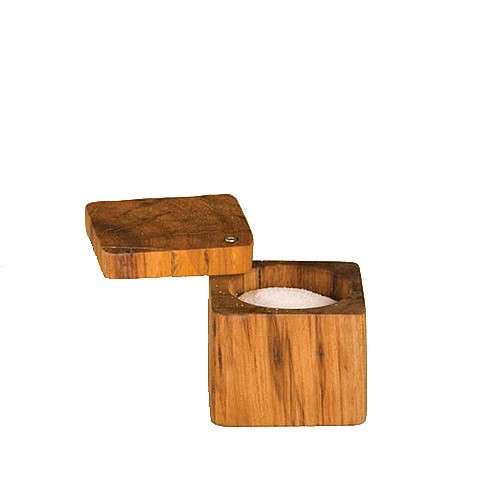
A salt cellar with lid is one of those tiny kitchen upgrades that feels suspiciously too simple to matteruntil you use one. Then suddenly the cardboard box of kosher salt looks like it arrived from a warehouse basement, your salt shaker feels slow and dramatic, and seasoning dinner becomes smoother than a chef’s “just a pinch” hand motion on television.
At its core, a salt cellar is a small container designed to keep salt close at hand. Add a lid, and you get something even better: easy access plus protection from moisture, splatters, dust, and the occasional rogue breadcrumb. Whether you cook nightly, host occasionally, or simply enjoy a countertop that looks like an adult lives there, a lidded salt cellar can be both practical and stylish.
This guide explores what a salt cellar with lid is, why it belongs near your stove, which materials work best, how to choose the right one, and how to care for it so your salt stays clean, dry, and ready for action.
What Is a Salt Cellar With Lid?
A salt cellar with lid is a small kitchen container used to store salt for cooking or serving. Unlike a salt shaker, which dispenses salt through tiny holes, a salt cellar lets you pinch, spoon, or measure salt directly. The lid helps protect the contents when the container is not in use.
Most salt cellars are designed for countertop use. They are often placed beside the stove, on a prep station, or on the dining table. The goal is simple: keep salt accessible without leaving it exposed to everything happening in the kitchen. And let us be honestkitchens are busy places. Steam rises, sauces splatter, flour floats around like culinary confetti, and somehow a single toast crumb can travel six feet.
The lid may be a lift-off top, a hinged cover, a swivel lid, or a magnetic flip-top. Some salt cellars also include a tiny spoon, which is charming, useful, and easy to lose if your drawer is a black hole of measuring spoons and rubber bands.
Why Use a Lidded Salt Cellar Instead of a Salt Shaker?
A salt shaker is fine for the table, but it is not always ideal for cooking. Many cooks prefer to season by touch because it gives better control. A salt cellar allows you to grab a pinch, feel the salt’s texture, and distribute it evenly over food.
Better Control While Cooking
When you season pasta water, roasted vegetables, steaks, soups, or sauces, you often need more than a polite dusting. A shaker can be slow, uneven, or clogged by humidity. A lidded salt box gives you direct access, so you can season confidently without performing the “shake-shake-shake-is-anything-coming-out?” dance.
Protection From Moisture and Kitchen Debris
Salt naturally attracts moisture from the air, especially in humid kitchens. When exposed, it can clump or become less pleasant to use. A lid helps reduce contact with humidity, steam, food particles, and airborne kitchen mess. This is especially helpful if your salt cellar sits near the stove, where steam and splatter are regular visitors.
A Cleaner Countertop Setup
A salt cellar with lid also looks more intentional than an open bowl or torn cardboard salt box. It can complement your kitchen style, from farmhouse to modern minimalist. Think of it as a tiny countertop accessory with an actual jobnot just something that stands there looking pretty and judging your takeout containers.
Best Types of Salt for a Salt Cellar With Lid
Not every salt behaves the same way. Texture, grain size, and moisture content affect how easy it is to pinch, sprinkle, and store.
Kosher Salt
Kosher salt is one of the best choices for a kitchen salt cellar. It has larger crystals than table salt, making it easy to pinch and distribute. Many home cooks and chefs prefer kosher salt because it offers good control and dissolves well during cooking.
One important note: different kosher salt brands can vary in density and saltiness by volume. A teaspoon of one brand may not equal a teaspoon of another. If you follow recipes carefully, stick with one brand or measure by weight when precision matters.
Sea Salt
Sea salt can work beautifully in a salt cellar, especially if it is coarse or flaky. It is excellent for finishing dishes, topping roasted vegetables, seasoning eggs, or adding a final crunch to chocolate chip cookies. Yes, salt on cookies is legal, delicious, and emotionally supportive.
Flake Salt
Flake salt is delicate and often used as a finishing salt. A lidded salt cellar helps protect its texture from humidity and crushing. Use it on grilled meats, salads, caramel desserts, buttered bread, and anything that deserves a tiny sparkle of savory magic.
Table Salt
Table salt can be stored in a salt cellar, but it is not always the best choice for pinching because the grains are small and dense. It is easy to over-salt food when using table salt by hand. If you prefer table salt, use a small spoon for better control.
Popular Materials for Salt Cellars With Lids
The best salt cellar material depends on your cooking habits, kitchen style, and cleaning preferences. The main goal is to choose something food-safe, durable, and resistant to moisture.
Wood Salt Cellar With Lid
A wooden salt cellar is warm, rustic, and comfortable to use. Olivewood, acacia, bamboo, and ash are common choices. Many wooden salt boxes feature a swivel lid, which is convenient because you can open it with one hand while cooking.
Wood has personality. Every grain pattern is different, which makes the cellar feel handmade even when it was not carved by a charming old artisan in a linen apron. However, wood requires more care than ceramic or glass. It should not be soaked in water or placed in the dishwasher. Wipe it clean and let it dry thoroughly.
Ceramic Salt Cellar With Lid
Ceramic is a popular choice because it is non-reactive, easy to clean, and available in many colors and designs. A glazed ceramic salt cellar resists stains and moisture better than unglazed pottery. It can look classic, modern, farmhouse-inspired, or playful depending on the finish.
If you want a salt cellar that works equally well beside the stove and on the dining table, ceramic is a strong option. It has enough weight to feel stable, but it usually is not as heavy as stone or marble.
Marble Salt Cellar With Lid
A marble salt cellar brings instant elegance to the counter. It feels cool, substantial, and expensiveeven when it is quietly sitting next to a bottle of bargain olive oil. Marble is naturally heavy, which helps keep the container steady while you cook.
The downside is that marble can be porous and may need gentle cleaning. Avoid harsh cleaners and acidic liquids. Also, check whether the interior is polished well. A smooth interior is easier to wipe and less likely to trap salt dust.
Glass Salt Cellar With Lid
Glass is clean, simple, and practical. It lets you see how much salt remains, which is helpful if you do not enjoy discovering an empty container halfway through seasoning a roast chicken. Glass also does not absorb odors and is easy to wash.
The main drawback is breakability. If your kitchen has tile floors, lively children, enthusiastic pets, or your own personal talent for dropping things, choose thicker glass or consider ceramic, wood, or stainless steel instead.
Stainless Steel Salt Cellar With Lid
Stainless steel can be durable, sleek, and modern. It works well in contemporary kitchens and is often easy to clean. However, the most important factor is the lid. If the container does not close tightly, it may not protect salt from humidity as well as expected.
For best results, choose food-grade stainless steel with a well-fitting lid and avoid leaving damp spoons inside. Salt plus moisture can be unfriendly to some metals over time, so dryness matters.
How to Choose the Best Salt Cellar With Lid
Shopping for a salt cellar sounds easy until you realize there are hundreds of options: round, square, wooden, marble, ceramic, tiny, huge, spooned, spoonless, rustic, modern, and one shaped like a little animal because the internet refuses to be normal.
1. Choose the Right Capacity
For everyday cooking, a salt cellar that holds about 6 to 12 ounces is usually practical. It is large enough that you do not have to refill it constantly, but small enough to fit beside the stove. If you cook often or use kosher salt generously, choose a larger salt box. If you mainly want a dining table salt cellar, a smaller one may be better.
2. Look for One-Handed Access
A swivel lid, hinged lid, or magnetic flip-top can make cooking easier. When one hand is holding tongs and the other is trying not to drip sauce on the floor, one-handed access feels like luxury. Lift-off lids are attractive but may be less convenient if you need to set the lid down every time.
3. Consider the Lid Fit
The lid does not always need to be airtight for daily cooking salt, but it should close well enough to protect against dust, splatter, and moisture. If you live in a humid climate, a tighter lid is more important. A silicone gasket can help, especially for glass or ceramic containers.
4. Pick a Shape That Fits Your Hand
A wide opening makes it easier to pinch salt. If the opening is too narrow, your fingers may bump the sides, which is mildly annoying in a way only kitchen tools can be. For spoon use, a narrower opening is fine. For pinch seasoning, choose a cellar with enough room for comfortable access.
5. Match the Material to Your Lifestyle
If you want low-maintenance cleaning, choose glazed ceramic or glass. If you want warmth and charm, choose wood. If you want a dramatic countertop moment, choose marble. If you want something lightweight and modern, stainless steel may be your match.
Salt Cellar With Lid vs. Salt Pig
A salt cellar is a general term for a small salt container. A salt pig is a specific style, usually with a wide side opening and hooded shape. Salt pigs are great for quick access while cooking, and their design helps shield the salt from splatters.
A lidded salt cellar, however, offers more complete coverage. It may be better for humid kitchens, households with pets, or anyone who prefers a cleaner look. A salt pig says, “I cook with confidence.” A lidded salt cellar says, “I cook with confidence, and I also do not want dust in my seasoning.” Both are valid personalities.
Where Should You Keep a Salt Cellar?
The best place for a salt cellar with lid is near your main cooking area, but not directly in the line of steam. Beside the stove is convenient, but avoid placing it so close that boiling pasta water or simmering soup sends moisture into the container.
A good location is near the prep board, beside the oil and pepper, or on a small tray that keeps daily cooking essentials organized. If you use finishing salt, keep a second smaller cellar on the dining table or near your serving area.
How to Keep Salt Dry in a Salt Cellar
Salt can clump when exposed to moisture. A lid helps, but a few habits make an even bigger difference.
Use Dry Hands or a Dry Spoon
Never reach into the salt cellar with wet fingers. Even a few drops of water can create clumps. If your hands are damp from washing vegetables or handling ingredients, use a dry spoon instead.
Keep It Away From Steam
Avoid placing your salt cellar directly beside a boiling pot, dishwasher vent, sink, or kettle. Steam is basically humidity wearing a dramatic costume.
Refill in Small Amounts
Instead of filling the cellar to the very top, refill it with a manageable amount. Keep bulk salt in an airtight container in a cool, dry pantry. This keeps your daily salt fresh and reduces the risk of contamination.
Clean and Dry Before Refilling
When the cellar gets low, empty it, wipe it out, and make sure it is completely dry before adding fresh salt. This is especially important for ceramic, glass, and stainless steel containers.
How to Clean a Salt Cellar With Lid
Cleaning depends on the material. Always check the manufacturer’s instructions if available.
Wood
Wipe wood with a slightly damp cloth, then dry it immediately. Do not soak it. Do not run it through the dishwasher. If the wood looks dry, apply a small amount of food-safe mineral oil occasionally. Let it absorb fully before adding salt.
Ceramic and Glass
Most glazed ceramic and glass salt cellars can be washed with mild soap and warm water. Dry thoroughly before refilling. If the lid has wood, bamboo, cork, or a gasket, clean that part separately according to its material.
Marble
Use a soft cloth and mild soap. Avoid vinegar, lemon, bleach, or abrasive cleaners. Marble may look tough, but it does not enjoy being attacked by acidic cleaners. Honestly, same.
Stainless Steel
Wash with mild soap, rinse well, and dry completely. Avoid leaving salt residue mixed with water on the surface for long periods.
Design Ideas: Making a Salt Cellar Look Good on the Counter
A salt cellar is practical, but it can also improve your kitchen’s visual rhythm. Place it on a small tray with olive oil, pepper, and your favorite wooden spoon rest. In a modern kitchen, a white ceramic or glass cellar looks clean and quiet. In a cozy kitchen, wood or stone adds warmth. In a dramatic kitchen, black marble or matte ceramic can look sophisticated without trying too hard.
You can also use multiple salt cellars. Keep kosher salt near the stove, flaky sea salt near the dining table, and specialty salts in smaller labeled containers. This setup is especially helpful if you enjoy cooking different cuisines or finishing dishes with texture.
Common Mistakes to Avoid
Choosing Style Over Function
A beautiful salt cellar is wonderful, but if the opening is too small or the lid is awkward, you will stop using it. Function should come first. Beauty can ride shotgun.
Leaving It Open All Day
The lid only works if you close it. This seems obvious, but so does not touching a hot pan, and humanity continues to struggle.
Using the Same Cellar for Every Salt
Kosher salt, flaky salt, smoked salt, and flavored salts have different textures and uses. Store them separately when possible, especially if one has added herbs, spices, or aromas.
Forgetting About Humidity
If your kitchen is humid, prioritize a tighter lid, smaller refills, and dry handling. A gorgeous open salt bowl may look charming, but clumpy salt is less charming when you are trying to season eggs before coffee.
Is a Salt Cellar With Lid Worth It?
Yes, especially if you cook regularly. A salt cellar with lid makes seasoning faster, cleaner, and more intuitive. It protects your salt better than an open bowl and gives you easier access than a shaker. It also encourages better cooking habits because salt becomes something you use thoughtfully instead of something you shake randomly over food at the end.
The best salt cellar is not necessarily the most expensive one. It is the one you will actually use. Look for a comfortable opening, stable base, practical lid, and material that fits your cleaning style. A $20 ceramic cellar that you use daily is better than a luxury marble one that sits untouched because you are afraid to breathe near it.
Personal Experience: What Using a Salt Cellar With Lid Actually Changes
The first thing you notice after switching to a salt cellar with lid is speed. Cooking feels less interrupted. Instead of opening a box, shaking a container, or searching for a measuring spoon, you simply open the lid and take what you need. It sounds tiny because it is tinybut tiny improvements matter in a kitchen. A smooth cooking routine is made of small conveniences stacked together like pancakes.
A lidded salt cellar also changes how you season. When salt is easy to pinch, you begin seasoning in layers. You add a little to onions while they soften, a little more to tomatoes as they cook down, and a final touch before serving. Food tastes more balanced because the salt is not dumped in at the end like a last-minute apology.
Another practical benefit is cleanliness. An open bowl can work, but in a real kitchen, things happen. Flour dust appears. Steam drifts. Someone makes toast with the confidence of a leaf blower. A lid gives peace of mind. You are not sealing your salt inside a bank vault, but you are giving it a reasonable little roof.
Wooden salt cellars are especially pleasant if you like a warm, natural look. They feel casual and friendly, and many swivel open with one hand. The trade-off is care. You must keep them dry and avoid aggressive washing. Ceramic cellars are easier for busy households because they wipe clean quickly. Marble looks beautiful, but it is heavier and needs gentler cleaning. Glass is great for visibility, especially if you like knowing exactly when a refill is coming.
In daily use, the best size is usually medium. A tiny cellar looks adorable but needs constant refilling. A huge one can take up too much counter space and may expose more salt to kitchen humidity. A container that holds enough salt for a week or two of regular cooking is usually the sweet spot.
One surprisingly useful habit is keeping two salts nearby: kosher salt for cooking and flaky salt for finishing. The cooking salt lives beside the stove in a larger lidded cellar. The finishing salt sits in a smaller covered container near the serving area. This makes it easy to add texture to roasted vegetables, sliced tomatoes, grilled fish, caramel brownies, or buttered bread. It also makes you feel slightly fancy, which is not required but absolutely welcome.
If you cook for family or guests, a small spoon can be helpful. Pinching salt is convenient while cooking for yourself, but a spoon feels cleaner when others are sharing the meal. Some salt cellars include a spoon; others do not. If yours does, choose one that fits inside the container or rests neatly beside it. Otherwise, it may disappear into the utensil drawer wilderness.
The biggest lesson is that a salt cellar with lid is not just a container. It is a cooking habit disguised as a container. It invites you to season earlier, taste more often, and keep your most important ingredient within reach. Salt is simple, but using it well is one of the quiet skills that makes home cooking better. A good lidded salt cellar will not turn you into a professional chef overnight, but it will make your counter more organized, your seasoning more controlled, and your cooking rhythm a little smoother. That is a pretty impressive resume for a small bowl with a hat.
Conclusion
A salt cellar with lid is a small kitchen tool with a big everyday payoff. It keeps salt accessible, protected, and easy to use, whether you prefer kosher salt for cooking or flaky sea salt for finishing. The best option depends on your kitchen style and habits: wood feels warm, ceramic is practical, marble is elegant, glass is clear and clean, and stainless steel is sleek and durable.
Choose a size that fits your cooking routine, look for a lid that opens easily, and keep the container dry. With the right salt cellar, seasoning becomes faster, cleaner, and more enjoyable. Not bad for something that takes up less space than a coffee mug.














