
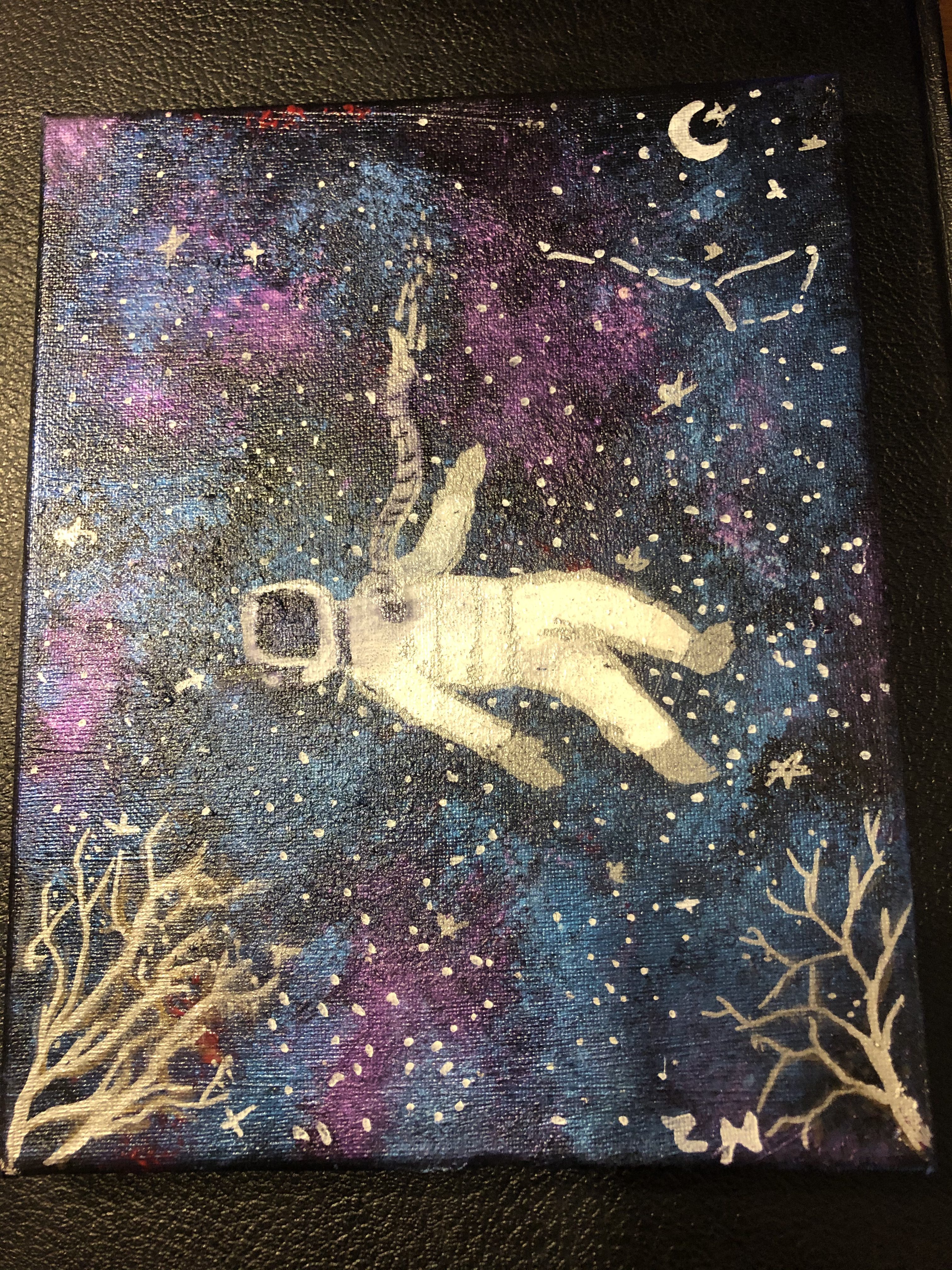
There is a special kind of panic that happens when someone says, “So, what have you been making lately?” Suddenly your brain becomes a raccoon in a kitchen drawer. You forget every sketch, every ceramic bowl, every digital illustration, every photo edit, every collage made at 1:12 a.m. while surviving on iced coffee and stubbornness.
But here is the truth: showing some art you’re proud of is not about proving you are a genius, starting a museum revolution, or pretending every piece belongs under dramatic gallery lighting. It is about sharing something real. It is about saying, “This came from me. I made choices. I solved problems. I tried to turn a feeling, memory, joke, fear, obsession, or wild visual idea into something other people can actually see.” That matters.
Art has always done more than decorate blank walls and give coffee shops an excuse to hang abstract paintings next to overpriced muffins. It helps people express identity, process experience, tell stories, communicate ideas, and connect with community. That is why showing your work can feel vulnerable and powerful at the same time. You are not just displaying an object. You are revealing a little evidence that your inner world exists.
This article is for artists, students, hobbyists, side-quest doodlers, and serious creative weirdos alike. Whether you paint, draw, sculpt, knit, animate, photograph, build comics, design digital art, or transform old cardboard into something unexpectedly gorgeous, here is how to share your artwork with confidence, talk about it clearly, and actually feel proud of what you made.
Why Showing Your Art Matters More Than You Think
Many people assume that sharing art is basically a request for applause. Sometimes it is, and honestly, fair enough. Compliments are nice. The human soul enjoys being told, “Wow, that’s beautiful,” preferably before noon. But the deeper reason to show art is communication.
When you put your work in front of other people, you invite them into your way of seeing. Maybe your painting turns an ordinary sidewalk into a dramatic movie set. Maybe your embroidery carries family history. Maybe your comic strips make anxiety look like a badly behaved goblin in sneakers. Whatever the medium, art translates thought into form.
That translation is important because creative self-expression often helps people understand themselves better. The act of making something requires decisions: color, shape, mood, pace, material, texture, space, contrast, emphasis. Even when you think you are “just messing around,” you are revealing taste, instinct, memory, and intention. Sharing that work gives those choices a second life. Suddenly the piece is not just yours. It starts a conversation.
Showing art also builds confidence in a healthier way than chasing perfection. Confidence does not arrive wearing a crown and shouting, “You are now talented forever!” It grows through repetition. You make something. You share it. You survive. You make another thing. You revise. You hear useful feedback. You keep going. Confidence is less a lightning bolt and more a stack of small brave moments.
What Counts as Art You Can Be Proud Of?
Let’s solve a common problem right now: people think they are only allowed to feel proud of “finished” work. Not true. A polished oil painting can be worth showing, yes. So can a rough concept sketch, a practice page of hands, a messy clay mug with one slightly chaotic handle, or a photo series you made while figuring out light.
You can be proud of art for different reasons:
It says something honest
Maybe the piece captures grief, joy, nostalgia, anger, humor, or identity in a way that feels true. Honest art tends to linger in people’s minds, even when it is technically simple.
It shows growth
Sometimes you are proud because the anatomy is finally better, the composition is stronger, the color choices are less “mystery soup,” or the perspective no longer looks like the room is sliding into the ocean. Progress is absolutely a valid reason to share.
It solves a creative problem
Perhaps you figured out how to layer textures in a collage, how to make a short animation loop smoothly, or how to photograph reflective surfaces without capturing your own face in the glass like a startled ghost. That counts.
It means something personal
A small piece can matter because it connects to family, culture, memory, community, or a turning point in your life. Viewers usually respond to sincerity faster than spectacle.
In other words, art worth showing does not have to be famous-looking. It just has to feel meaningful, intentional, or revealing in some way.
How to Share Your Artwork Without Making It Weird
A lot of artists struggle less with making art than with talking about it. The minute they have to explain a piece, they either say too little“Uh, it’s just something I made”or too much and accidentally deliver a ten-minute TED Talk about one pencil drawing of a bird.
The sweet spot is clarity.
Start with one piece and one sentence
If sharing your art feels overwhelming, do not begin with your entire life’s creative output. Pick one piece. Then give it one clear sentence:
“I made this after thinking about how cities feel lonely at night.”
“This collage is based on old family photos and grocery ads.”
“I wanted this ceramic piece to look delicate and stubborn at the same time.”
That is enough to open the door.
Use a short artist statement
If you are posting work online, entering a school exhibition, building a portfolio, or setting up a display, write a short artist statement. Nothing dramatic. Just explain the basics: what the piece is, what inspired it, what choices you made, and what you hoped the viewer would notice or feel.
A strong mini statement usually answers three questions:
What is this? Name the medium and subject.
Why did I make it? Share the idea, emotion, or question behind it.
How did I make choices? Mention color, composition, texture, scale, repetition, contrast, or process.
Example:
“This digital illustration explores homesickness through exaggerated color and compressed space. I used warm reds and heavy shadows to make the room feel crowded, then added a small window to create emotional distance. I wanted the image to feel familiar and slightly uncomfortable, like remembering a place you love but can’t return to exactly as it was.”
See? Professional, clear, and not a single sentence begins with “In today’s fast-paced world.” Miracles happen.
Show the work clearly
If you want people to engage with your art, help them see it. Photograph it in decent light. Crop distractions. Avoid blurry images that make your painting look as though it was documented during an earthquake. If the piece has texture, scale, or layered materials, include a close-up. If it is a sequence, show the order. If it is physical work, mention dimensions and materials.
Also, whenever possible, describe the image in plain language for accessibility. A short visual description helps more people engage with your work and usually makes your presentation stronger overall. If you can explain what a viewer is looking at in a few crisp sentences, you probably understand your own piece better too.
What People Actually Want to Hear About Your Art
Most viewers are not waiting to interrogate you like art detectives in a crime drama. They usually want a few useful things: context, intention, and a way into the work.
Talk about your choices
Instead of saying “This is about life,” which is technically true and also says nothing, talk about decisions. Why this palette? Why this material? Why this scale? Why did you leave part of the canvas empty? Why repeat the same shape? Why use text, thread, charcoal, found objects, or motion blur?
Concrete choices make abstract ideas easier to understand.
Talk about process
People love process. Show the sketch before the final painting. Mention the failed print that led to the better version. Talk about revision. Creative work becomes more compelling when people can see the path behind it.
That is also good for you as an artist. Sharing process reminds you that art is built, not magically delivered by the muse like a pizza order.
Talk about meaning, but do not strangle the mystery
You do not need to explain every symbol and emotional nuance until the work collapses under the weight of over-interpretation. Give viewers enough to engage, then let them bring their own experience. Art is a conversation, not a hostage situation.
How to Handle Feedback Without Spiraling Into the Void
Once you show art, feedback enters the chat. Some of it is useful. Some of it is vague. Some of it sounds like, “I don’t know, maybe make it more… blue?” Thank you, random citizen. Tremendously precise.
The trick is learning what kind of feedback helps you grow.
Ask better questions
Do not ask only, “Do you like it?” Ask things like:
“What do you notice first?”
“Does the mood come across?”
“Is anything distracting?”
“What feels strongest?”
“Where do you want more clarity?”
These questions invite constructive critique instead of shallow approval.
Separate taste from guidance
Not every opinion deserves control over your work. Someone disliking collage, surrealism, bright pink, abstract faces, or comics does not mean your piece failed. Sometimes feedback reveals more about the viewer’s preferences than your art.
Useful critique is specific. It helps you see what is working, what is unclear, and what might be strengthened in service of your own vision.
Let revision be part of pride
Artists are often proud of finished work because of how much revision it took to get there. Revising does not weaken your ownership. It deepens it. There is no gold medal for refusing to improve a background out of stubborn loyalty to Version One.
Easy Ways to Share Art in Real Life and Online
Create a small portfolio
A portfolio does not need to be massive. Start with five to ten pieces that show range, consistency, or a strong point of view. Include titles, materials, dates, and short statements if needed. Clean presentation makes even modest work feel more intentional.
Try a mini showcase
You do not need a gallery. You can share work in a classroom display, school event, community board, club showcase, artist alley table, maker fair, coffee shop wall, small online portfolio, or curated social post. A simple theme helps: portraits, memory, nature studies, city sketches, color experiments, comic pages, textile pieces, or works in progress.
Show the story, not just the final image
People connect with progression. Post the thumbnail sketch next to the finished illustration. Show the raw clay before glazing. Share the rejected color tests. That behind-the-scenes view makes your artwork feel alive and human.
Invite conversation
Instead of dumping a piece online and fleeing the scene emotionally, try adding a prompt: “Which detail stands out first?” “What mood do you get from this?” “Would you hang this in a quiet room or a loud one?” Conversation increases engagement and makes sharing feel less like performance and more like exchange.
Examples of Art You Might Be Proud to Share
A self-portrait that is technically imperfect but emotionally sharp. Maybe the proportions are slightly off, yet the expression is honest and memorable.
A comic page that finally sounds like your voice. The linework may still be evolving, but the humor lands and the pacing works.
A textile piece made from family materials. Even if it is small, it carries history and intentional craft.
A photo series taken in ordinary places. Good art does not require dramatic mountains and expensive cameras. Sometimes a grocery store parking lot at dusk is the entire plot.
A sketchbook spread full of experiments. Showing development can be just as compelling as showing completion.
Extra Reflections: Real Experiences Around Showing Art You’re Proud Of
Across classrooms, studios, community centers, and independent creative spaces, people often describe the same strange arc when they first show artwork they care about. It starts with hesitation. They worry the work is too personal, too messy, too simple, too weird, too colorful, too quiet, or not “advanced” enough. A student hides a charcoal portrait because the shading feels imperfect. A hobby painter keeps a landscape in a closet because it does not look like the polished work they see online. A ceramic artist apologizes for a bowl before anyone has even seen it, as if pre-rejecting it will somehow soften the risk.
Then comes the moment of sharing. The piece goes on the wall, into a portfolio, onto a table, or into a post. Usually nothing catastrophic happens. No sirens. No dramatic fainting in the aisles. Instead, people begin asking questions. They notice a detail the artist thought no one would catch. They connect with the color choices. They recognize a mood. They say the work reminds them of home, of childhood, of a street they used to walk, of a feeling they had but never knew how to describe. The artist realizes the piece has left private territory and become legible to someone else. That can be incredibly moving.
Many artists also describe a second kind of pride: not pride in being flawless, but pride in having stayed with the process. They remember the false starts, the ugly middle stage, the revision that saved the composition, the version that failed, the material that fought back, and the choice to continue anyway. By the time the work is shown, it represents persistence as much as talent. A printmaker may be proud because they finally got the registration right after six attempts. A photographer may be proud because they trusted an unusual framing choice. A comic artist may be proud because the page finally sounds like them instead of like everyone they admire.
Another common experience is discovering that viewers do not always value the same things the artist values. The maker might obsess over technical imperfections, while the audience responds to mood, honesty, humor, or storytelling. That mismatch can be liberating. It reminds artists that human connection often matters more than sterile perfection. Viewers are not only scanning for mistakes; they are looking for energy, intention, and meaning.
Over time, people who regularly share art often become more comfortable speaking about their work. At first, they say, “It’s just a sketch.” Later, they say, “This piece explores memory through repetition and limited color.” Same artist. Bigger confidence. Better language. More ownership. That growth is one of the most valuable experiences art can offer. Showing work does not just reveal the art. It gradually reveals the artist to themselves.
Conclusion
Showing some art you’re proud of is not about claiming perfection. It is about recognizing value in what you made and giving it a chance to connect with someone else. Pride in art can come from honesty, growth, craft, storytelling, experimentation, revision, or courage. Sometimes all at once.
So pick one piece. Share it clearly. Say what inspired it. Describe your choices. Invite thoughtful feedback. Keep making. Then do it again. Your art does not need to be louder, trendier, or shinier to deserve attention. It just needs to be yoursand shown with enough care that other people can meet it halfway.











