
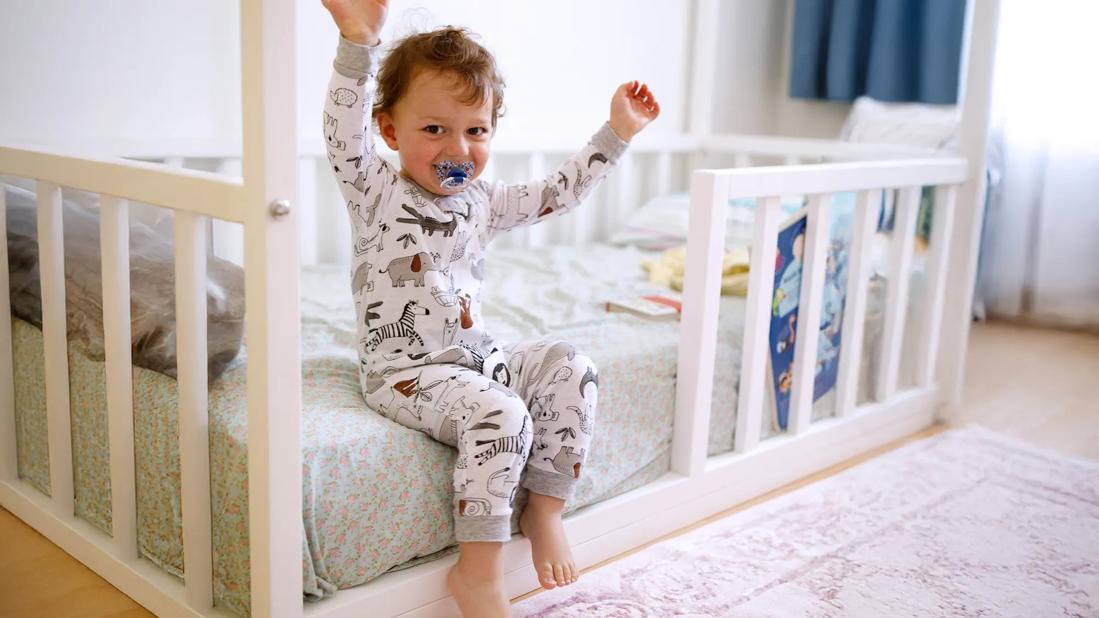
Few parenting milestones feel as suspiciously adorableand mildly terrifyingas moving your child from a crib to a toddler bed. One day, your toddler is safely contained like a pajama-wearing cinnamon roll. The next, they are free-range, possibly standing next to your bed at 2:13 a.m. whispering, “I need water,” like a tiny ghost with opinions.
The transition from crib to toddler bed is not just about buying cute dinosaur sheets or assembling furniture with an Allen wrench while questioning every life choice. It is a safety decision, a developmental milestone, and a bedtime routine upgrade all rolled into one. The right timing matters because moving too early can lead to bedtime battles, while waiting too long can become risky if your child is climbing out of the crib.
So how do you know when your child is ready? The best answer is not a magic age. It is a mix of physical growth, behavior, safety, emotional readiness, and your family’s current routine. This guide breaks down the clearest signs your toddler is ready for a toddler bed, when it may be smarter to wait, and how to make the switch without turning bedtime into a nightly circus with snacks.
What Is the Best Age to Move From Crib to Toddler Bed?
Most children move from a crib to a toddler bed somewhere between 18 months and 3 years old, but that range is wide for a reason. Some toddlers are adventurous climbers before age 2. Others are perfectly happy in the crib closer to age 3. If your child is sleeping safely, not climbing out, and not too tall for the crib, there is usually no need to rush.
Many pediatric sleep experts suggest keeping a child in the crib as long as it remains safe. Why? A crib naturally creates boundaries. A toddler bed gives your child freedom, and toddlers are not exactly famous for reading the room. To them, “freedom” can mean checking whether socks float in the toilet at midnight.
Instead of focusing only on age, look for readiness signs. A child who can understand simple rules, stay in bed with reminders, and handle small changes calmly may adjust more smoothly than a younger toddler who treats every new boundary as a personal challenge.
1. Your Child Is Climbing Out of the Crib
The biggest sign your child is ready to transition to a toddler bed is climbing out of the crib. This is not just a cute “look what I can do” moment. It is a safety issue. Once your toddler can climb over the crib rail, the crib may no longer be the safest sleep space.
A child who climbs out can fall, land awkwardly, or get hurt while trying to escape. Even if your toddler seems athletic enough to join a preschool parkour team, crib climbing is unpredictable. Sleepy toddlers do not make excellent risk managers.
What to do before switching immediately
First, make sure the crib mattress is at its lowest setting. Remove anything your child might use as a step, such as large stuffed animals, thick blankets, pillows, or crib toys. If the mattress is already low and your toddler is still climbing out or throwing a leg over the rail, it is time to seriously consider the toddler bed transition.
2. Your Child Is Around 35 Inches Tall
Height is another major clue. Many child-safety recommendations point to around 35 inches as the point when a toddler may be too tall for a standard crib. At this height, the crib rail may no longer provide enough protection, especially if your child is standing and the rail hits around chest level.
This does not mean every 35-inch toddler will launch themselves over the rail like a bedtime superhero. But it does mean the risk is higher. If your child is tall, strong, and curious, the crib may start feeling less like a safe sleep space and more like an obstacle course.
How to check crib fit
Watch where the top rail lands when your toddler stands in the crib. If the rail is at or below the middle of the chest, your child may be physically able to climb out even if they have not done it yet. Also check your crib manual for height and weight limits because manufacturers may provide specific guidance.
3. Your Toddler Asks for a “Big Kid Bed”
Some children announce their readiness with words. They may point to an older sibling’s bed, talk about wanting a big kid bed, or show excitement when they see toddler bedding at the store. Interest alone does not always mean your child is ready, but it can be a positive signespecially if your toddler is already close to the typical transition age.
A child who wants the bed may feel proud and motivated. That emotional buy-in can make the transition easier. You can build on it by letting your toddler choose between two parent-approved sheet sets, place a favorite stuffed animal on the new bed, or help “decorate” the sleep space.
The trick is to offer limited choices. “Do you want the blue sheets or the bear sheets?” works better than “Design your dream bedroom, tiny project manager.” Toddlers do best with independence inside safe boundaries.
4. Your Child Understands Simple Bedtime Rules
A toddler bed comes with one major difference: your child can get out. That means readiness is not only physical. It is also behavioral. A child who can understand simple instructions like “stay in bed,” “call for help,” or “books stay on the shelf at night” may be better prepared for the switch.
Of course, understanding a rule and following it are two different toddler departments. Your child may fully understand “stay in bed” and still decide the hallway needs inspecting. But if your toddler responds to consistent routines and gentle redirection, the transition will likely be smoother.
Signs of rule readiness
Your child may be ready if they can follow basic one-step directions, settle after a predictable bedtime routine, and respond to calm reminders. If every bedtime already involves running, bargaining, dramatic floor melting, and requests for six different cups of water, a new bed may add more fuel to the pajama fire.
5. The Crib Is No Longer Comfortable
Sometimes the sign is simple: your toddler looks cramped. If your child frequently bumps into crib sides, wakes up because they cannot stretch comfortably, or seems frustrated by the limited space, a toddler bed may offer more room while still staying low to the ground.
A toddler bed is often the same size as a crib mattress, especially if you use a convertible crib. But it removes the high crib sides and gives the child easier access. Some families choose a toddler bed; others place a crib mattress or twin mattress on the floor as a temporary step. The safest choice depends on your room setup, the bed design, and your child’s behavior.
6. Your Child Is Starting Potty Training
Potty training can be a reason to consider the toddler bed transition, especially for older toddlers who need easier bathroom access. If your child is waking to use the potty or showing strong signs of toilet readiness, a bed can make nighttime bathroom trips more practical.
That said, do not feel pressured to move beds the same week you start potty training. Toddlers handle change better when it comes in small servings, not an all-you-can-handle buffet. If your child is just beginning potty training, you may want to keep the crib until the daytime routine feels more stable.
7. A New Baby Is Comingbut Timing Matters
Many families transition a toddler because a new baby needs the crib. This is practical, but it needs a gentle plan. Moving your toddler out of the crib right when the baby arrives can make the crib feel “taken away,” which may trigger jealousy or sleep struggles.
If possible, make the move several weeks or even a couple of months before the new baby uses the crib. That gives your toddler time to feel ownership of the new bed. Use language like “your cozy big kid bed” rather than “the baby needs your crib now.” Toddlers may be small, but their sense of property law is extremely advanced.
When Your Child May Not Be Ready Yet
Just as important as knowing the signs of readiness is knowing when to wait. If your child is under 2, not climbing out, sleeping well, and still fits safely in the crib, waiting may be the better choice. A crib can support healthy sleep by keeping boundaries clear.
You may also want to delay the switch if your family is dealing with another major transition. Moving homes, starting daycare, welcoming a new sibling, weaning from a pacifier, or beginning potty training can all affect sleep. Adding a new bed at the same time may overwhelm your toddler.
Signs it may be too soon
Your child may not be ready if they cannot follow simple bedtime directions, repeatedly leaves the room during bedtime, seems anxious about the new bed, or is already struggling with sleep. In those cases, focus first on routine, safety, and emotional security.
How to Make the Toddler Bed Transition Easier
Once you decide the time is right, keep the transition calm and predictable. You do not need a marching band, a balloon arch, and a speech about personal growth. In fact, too much excitement can make bedtime feel like a party instead of sleep preparation.
Keep the bedtime routine the same
Routine is your best friend. Keep the order familiar: bath, pajamas, brushing teeth, books, cuddles, lights out. A predictable bedtime routine tells your child’s brain and body what comes next. The bed may be new, but the rhythm should feel familiar.
Childproof the entire room
Once your toddler can get out of bed, the bedroom becomes part of the sleep environment. Anchor furniture, cover outlets, secure cords, remove choking hazards, and keep climbing temptations away from windows. Think of the room as a giant crib without rails. Cozy? Yes. Safe? It needs your help.
Use a low bed or mattress
A toddler bed, convertible crib, or mattress on the floor can reduce fall risk. If you use guardrails, make sure they fit tightly against the mattress and bed frame with no dangerous gaps. Avoid placing the bed right against a wall if it could create an entrapment space between the mattress and wall.
Set simple expectations
Before the first night, explain the rules in toddler-friendly language: “This is where your body rests. If you need help, call Mommy or Daddy.” Keep it short. A toddler does not need a TED Talk on sleep hygiene.
Respond calmly to escapes
Many toddlers test the new freedom. If your child gets out of bed, calmly return them with minimal conversation. Too much attention can turn the escape into a game. Be boring, loving, and consistent. Boring is powerful. Boring is bedtime magic.
Common Mistakes Parents Make During the Transition
The first mistake is moving too early because the bed is cute, the room makeover is exciting, or social media has convinced you that toddler bedrooms must look like boutique hotels. Readiness matters more than aesthetics.
The second mistake is changing everything at once. New bed, new bedtime, new room, no pacifier, potty training, and a new sibling? That is not a transition. That is a toddler management obstacle course.
The third mistake is negotiating endlessly after lights out. Toddlers are brilliant bedtime lawyers. They will argue for one more book, one more hug, one more sip, one more philosophical discussion about why shadows exist. Build in reasonable comfort, then hold the line kindly.
Specific Examples of Toddler Bed Readiness
Imagine a 22-month-old who has climbed out twice, even with the mattress at the lowest setting. This child may need a safer sleep setup now, even if bedtime rules are still a work in progress. Safety comes first.
Now imagine a 30-month-old who has never climbed out, sleeps well, and still fits safely in the crib. This child may not need to move yet. Waiting could protect sleep quality.
Another example: a nearly 3-year-old asks for a big kid bed, follows bedtime directions, and is starting nighttime potty practice. That child may be emotionally and developmentally ready, especially if the room is childproofed and the family keeps the same routine.
Real-Life Experiences: What the Toddler Bed Transition Often Feels Like
In real family life, the move from crib to toddler bed rarely feels like a perfectly edited parenting video. It is more like a mini home renovation mixed with a sleep experiment and a tiny person who suddenly realizes doors exist. Parents often expect the first night to reveal everything, but the transition usually unfolds over several days or weeks.
One common experience is the “honeymoon night.” Your toddler is thrilled, climbs into the bed, hugs the new pillow, and sleeps beautifully. Parents celebrate quietly in the hallway. Then night two arrives, and the same child appears in the living room wearing one sock and holding a board book like a passport. This does not mean the transition failed. It means the novelty wore off and your toddler is testing what the new freedom means.
Another real-life pattern is the “jack-in-the-box phase.” The child gets out of bed repeatedly, not always because they are upset, but because they can. The best response is usually calm repetition. Walk them back, use the same simple phrase, and avoid turning it into a debate. The fewer words, the better. “It’s bedtime. I love you. Back to bed.” Repeat as needed. It may feel robotic, but consistency teaches the new boundary.
Some parents find that naps become harder before nighttime does. A toddler who will sleep at night may treat nap time like an open invitation to rearrange books, inspect the laundry basket, or hold a private concert for stuffed animals. If naps go sideways, keep the room dark, safe, and boring. Offer quiet rest even if sleep does not happen right away.
Families also learn that childproofing is not a one-time task. The first few nights reveal what your toddler notices. Maybe the diaper drawer is irresistible. Maybe the lamp switch becomes the most fascinating object in North America. Maybe your child can open a closet you were absolutely sure they could not open. Adjust the room after observing what happens.
Parents often feel emotional, too. The crib can symbolize babyhood, and moving to a toddler bed makes your child suddenly look bigger. It is normal to feel proud and a little sentimental. One minute you are cheering for independence; the next you are staring at the crib mattress like it contains every baby memory ever made. Both feelings can exist together.
A helpful experience-based tip is to practice during the day. Let your child climb in, pull up the blanket, place a stuffed animal, and pretend to say goodnight. This makes the bed familiar before bedtime pressure begins. Keep the tone positive but not overly exciting. You want the bed to feel safe and cozy, not like a trampoline with sheets.
Another practical trick is to keep morning expectations clear. Use a toddler clock or simple family rule if your child is old enough: “When the light turns green, you can get up.” For younger toddlers, the rule may simply be that they call for you instead of leaving the room. Do not expect perfection immediately. Think of it as teaching a skill, not flipping a switch.
Most importantly, remember that temporary setbacks are normal. A child may need extra reassurance, a shorter bedtime script, or a few nights of repeated returns. The goal is not to create a flawless sleeper overnight. The goal is to create a safe, consistent environment where your toddler can learn what bedtime looks like in a new bed.
Conclusion: Follow Safety First, Then Readiness
The clearest signs your child is ready to transition to a toddler bed include climbing out of the crib, reaching about 35 inches tall, outgrowing the crib, asking for a big kid bed, understanding simple bedtime rules, or needing easier access for potty training. But readiness is not one single milestone. It is a combination of safety, maturity, comfort, and timing.
If the crib is still safe and your child sleeps well, there is no prize for moving early. If the crib is no longer safe, the transition becomes necessary. Either way, keep the bedtime routine steady, childproof the room, choose a safe sleep setup, and respond consistently when your toddler tests the new boundaries.
The toddler bed transition is a big step, but it does not have to be dramatic. With patience, preparation, and maybe a little humor, your child can move from crib to bed with confidenceand you might even get some sleep again. Eventually.














