
For a while, many people heard the phrase social distance and translated it into something much gloomier: stay inside, avoid everyone, and treat fresh air like it might personally file a complaint against you. That misunderstanding made sense in a stressful moment, but it also created a strange cultural side effect. We started acting as if the outdoors were the problem, when in many situations the outdoors were actually part of the solution.
The better lesson is not “hide from the world.” It is “be smart about how you move through it.” Parks, trails, sidewalks, porches, backyards, gardens, beaches, and quiet neighborhood streets can offer room to breathe, room to think, and room to be around other humans without being stacked on top of them like discount luggage at the airport. In other words, social distancing outdoors can be both practical and healthy.
That does not mean every outdoor setting is automatically risk-free. A packed concert pit is still a packed concert pit, even if the stars are twinkling overhead. But when you compare open-air environments with crowded indoor rooms, the outdoors often give you big advantages: better airflow, more space, easier movement, and less of that trapped, stale feeling that makes a room feel one sneeze away from chaos.
This article looks at why the outdoors deserve a little less fear and a lot more respect. We will cover outdoor safety, the health benefits of time outside, the situations that still call for caution, and simple ways to enjoy nature or public spaces without pretending your front door is the edge of civilization.
The outdoors were never the villain
It helps to separate two ideas that people often blur together: being around people and being outside. Those are not the same thing. The problem in many public-health situations is not the sky, the trees, or the breeze. The problem is prolonged close contact, crowding, poor ventilation, and limited ability to spread out.
That distinction matters because open-air settings usually work in your favor. Fresh air moves. Space expands. People can step aside, change direction, or choose a less crowded corner. A casual walk in the park is not the same exposure situation as sitting elbow-to-elbow in a sealed room for two hours while someone nearby coughs like they are auditioning for a dramatic radio play.
There is another reason not to fear the outdoors: staying inside too much comes with its own costs. People who spend all day indoors tend to move less, feel more mentally drained, and miss out on the emotional reset that comes from green spaces, sunlight, and ordinary outdoor routines. The human brain, for all its impressive ability to remember embarrassing moments from seventh grade, generally does better with some nature, some movement, and a little natural light.
So yes, keep your distance when needed. Be thoughtful. Be considerate. But do not confuse caution with isolation. The outdoors are not a reckless choice by default. Often, they are the smarter choice.
Why outdoor spaces often feel safer and healthier
1. Airflow is your quiet, underrated friend
In enclosed indoor spaces, exhaled air can linger. Outdoors, moving air helps dilute what people breathe out. That does not make risk disappear, but it changes the environment in a meaningful way. If you are choosing between a crowded indoor setting and an open-air one with room to spread out, the outdoor option often starts with a built-in advantage.
2. Space makes good decisions easier
Outside, it is usually easier to keep a comfortable buffer between yourself and others. You can step off the path, choose a different bench, wait for the next turn, or shift your picnic blanket ten feet without creating a minor diplomatic crisis. That flexibility matters. Safer behavior becomes simpler when the setting supports it.
3. Nature encourages movement without making it feel like punishment
One of the best things about being outdoors is that physical activity sneaks in wearing a very convincing disguise. A walk with a friend, a loop around the neighborhood, a slow hike, gardening, kicking a ball around with kids, or strolling to a local park all count. Outdoor movement is often easier to repeat because it feels less like a chore and more like life.
4. Green spaces can calm a crowded mind
The benefits of being outdoors are not just physical. Time in nature and green spaces has long been associated with lower stress, better mood, improved focus, and a stronger sense of well-being. Even short outdoor breaks can help people feel less mentally boxed in. When life gets noisy, a patch of grass, a line of trees, or a simple walking trail can work like a pressure-release valve for the brain.
5. Outdoor routines can improve social connection without overload
There is something wonderfully civilized about seeing another human in a park, saying hello, and then continuing your day without being trapped in an over-air-conditioned room with twelve opinions and one stale muffin platter. Outdoor spaces can support connection while giving people autonomy. That balance is one reason parks and trails matter so much to community health.
But let’s not get goofy: outdoors is not a magic shield
Now for the important fine print. Saying the outdoors are often safer does not mean every outdoor activity is wise. Context still matters, and pretending otherwise is how people end up making bad decisions with the confidence of a man wearing flip-flops on a mountain trail.
Crowds still change the equation
A packed festival, shoulder-to-shoulder sports line, busy outdoor bar, or tightly clustered queue can erase a lot of the advantages that open air normally offers. If you cannot move freely, cannot avoid close contact, and remain packed together for a long time, “but we’re outside” becomes less impressive.
Duration matters
A quick pass on a walking path is different from spending hours close to the same group. The longer the contact, the more thoughtful you should be. Outdoor lunches, school events, family gatherings, and recreational activities all become lower stress when people have room, circulate naturally, and do not stay compressed into one small area.
High-energy behavior matters too
Shouting, singing, heavy breathing in close quarters, and face-to-face contact for long periods can raise the stakes. That does not mean you should never play sports or attend events. It means smart adjustments help: choose less crowded times, spread seating out, keep activities moving, and avoid situations where everyone is funneled into one dense knot of humanity.
Air quality and weather are part of outdoor safety too
Fresh air is wonderful unless the air is full of smoke, pollution, or extreme heat. People with asthma, heart conditions, or other health concerns should pay attention to air-quality alerts and weather conditions. Outdoor wellness is still wellness, not a dare. Shade, water, sunscreen, and common sense remain very fashionable.
Smart ways to enjoy the outdoors while keeping your distance
If you want the benefits of outdoor activities without the unnecessary risk, the strategy is simple: choose space, choose movement, and choose settings that do not force closeness.
Take the meeting outside
Walk-and-talk meetings are criminally underused. Two people walking side by side on a quiet route often communicate better than four people sitting under fluorescent lights pretending the speakerphone is not cursed. Outdoor conversations can feel easier, more relaxed, and less intense.
Choose off-peak times
A park at sunrise and a park at noon on a holiday weekend are two very different planets. Going earlier, later, or on less busy days can give you the same outdoor benefits with fewer people and less friction.
Build low-pressure habits
You do not need to summit a mountain before breakfast to count as an outdoor person. A ten-minute walk after dinner, morning coffee on a porch, reading on a bench, watering plants, or taking a lap around the block all qualify. The best outdoor activities are often the ones you will actually repeat.
Pick open spaces over bottlenecks
Wide trails, larger parks, neighborhood streets, botanical gardens, beaches with room to spread out, and backyard gatherings usually work better than narrow paths, crowded entrances, or enclosed tents. When in doubt, choose the setting that gives people more room to behave like considerate adults.
Use a “less crowded, less complicated” filter
If a plan involves standing in line forever, yelling over music, squeezing between strangers, or wondering whether you are technically on someone else’s picnic blanket, maybe try a different plan. Outdoor safety gets much easier when the activity itself is low drama.
Examples of outdoor living that actually work
Sometimes advice sounds useful until it collides with real life. So here are practical examples that make this idea easier to picture.
The neighborhood walk
Instead of meeting a friend in a packed café, meet at a nearby trail or quiet block and walk for thirty minutes. You get movement, conversation, and less crowding. Bonus: nobody asks whether you want oat milk foam art with that.
The backyard dinner
A simple meal outdoors can feel surprisingly relaxed. People spread out more naturally, conversations break into smaller groups, and the whole event feels less compressed. Add a few chairs, some shade, and realistic expectations about mosquitoes, and you are in business.
The kid-friendly park plan
Families often do better with outdoor space because children are not designed to sit silently in neat geometric arrangements. A park, field, or open green area gives kids room to move while giving adults room to breathe. That is not just convenient. It is survival with better scenery.
The solo reset
Not every outdoor experience has to be social. Sometimes the healthiest move is a solitary walk, a bike ride, a few minutes in a garden, or lunch on a bench without notifications, meetings, or tiny digital icons demanding your soul. Solitude outside can feel less lonely than isolation indoors.
The patio compromise
If people want the pleasure of eating out without the intensity of an indoor dining room, an uncrowded patio with well-spaced seating is often the more comfortable middle ground. It is the social equivalent of saying, “I would like company, but not enough company to hear the stranger behind me describe his tax strategy.”
The bigger picture: why parks, trails, and green spaces matter
The conversation is not only about individual choices. It is also about communities. Safe, appealing outdoor spaces make healthy behavior easier. When neighborhoods have good sidewalks, nearby parks, shaded paths, benches, bike access, and places to gather without crowding, people are more likely to move, connect, and spend time outside.
That matters for equity as much as convenience. Outdoor health should not be a luxury reserved for people with mountain cabins, giant backyards, or suspiciously photogenic porches. Communities need public spaces that are welcoming, accessible, and safe for everyone. A well-designed park does more than decorate a map. It creates room for exercise, room for rest, and room for ordinary human interaction that does not revolve around buying something indoors.
In that sense, the phrase “don’t be afraid of the outdoors” is bigger than a personal wellness tip. It is also a design principle. The more communities invest in usable outdoor space, the easier it becomes for people to choose healthier routines without needing a personal life coach, a private trail, or heroic levels of motivation.
Conclusion
Social distance if the moment calls for it. Be respectful of space. Pay attention to crowding, duration, air quality, and your own health needs. But do not make the mistake of treating the outdoors like a problem to avoid. In many situations, the outdoors offer exactly what stressed, sedentary, over-screened humans need: movement, daylight, perspective, calmer social contact, and literal breathing room.
The smartest rule is not “stay away from outside.” It is “use outside wisely.” Go where the air moves. Go where there is room. Go where your body can walk, your mind can settle, and your life can feel a little less boxed in. Social distance, yes. Fear the trees? Absolutely not.
Experiences that show why the outdoors still matter
One of the clearest lessons people learned during periods of distancing was how different an outdoor experience feels compared with staying cooped up inside. Think about the person who started taking evening walks simply to break up the day. At first, it was just a lap around the block. Then it became a routine: headphones in, shoulders relaxing, mind slowing down, neighbors waving from a distance, and the strange comfort of seeing other people without feeling crowded by them. Nothing dramatic happened, yet everything felt a little more manageable.
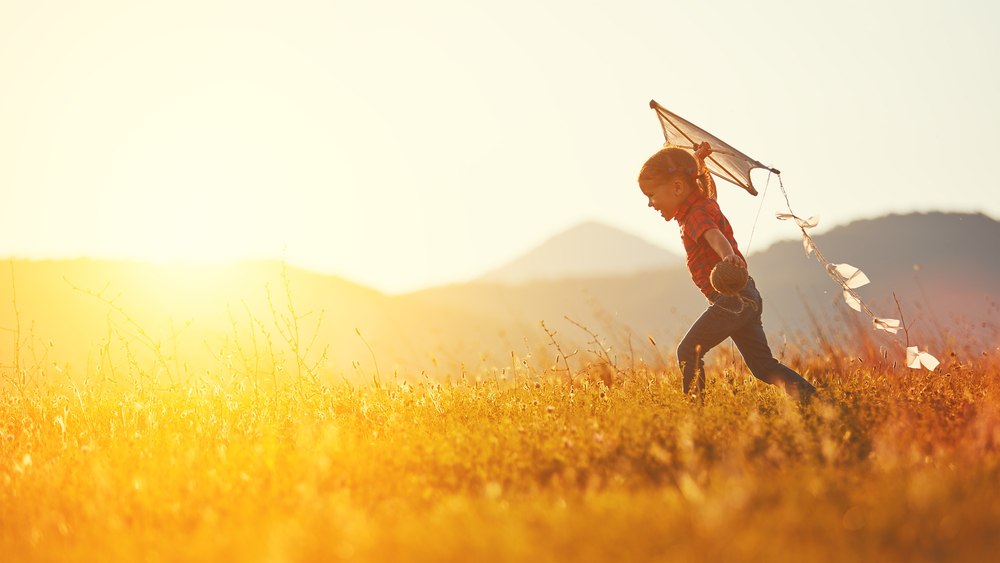
Parents often discovered something similar. A child who was restless, cranky, and bouncing off the furniture indoors could become a different person in a park or open field. Space changed the mood. A ball, a patch of grass, or a trail with sticks and birds and “look at that bug!” energy turned tension into play. Adults benefited too. Instead of constantly saying “don’t jump on that” or “please use your indoor voice,” they could exhale and let movement do some of the heavy lifting.
Older adults and people living alone frequently found that outdoor habits restored a sense of normal life. Sitting on a front porch, tending a small garden, or walking at the same time every morning created small but powerful anchors in the week. A familiar face on a nearby bench or a short chat across a sidewalk could provide connection without pressure. It was social contact without the emotional traffic jam that crowded indoor settings sometimes create.
Friends also became more creative outside. Instead of canceling everything, they met in driveways with folding chairs, shared coffee on patios, or brought blankets to a local park. These were not glamorous movie scenes with perfect lighting and acoustic guitar music in the background. Usually someone forgot napkins, someone sat in the wobbly chair, and somebody’s snack choice was aggressively disappointing. But the gatherings worked because they felt doable. People could be together while still respecting space.
Even solo outdoor time took on a new kind of value. For many people, a walk, run, hike, or bike ride became less about fitness and more about perspective. The rhythm of moving through a neighborhood or along a trail gave structure to anxious days. Seeing trees change, hearing birds, feeling the weather shift, or catching the late-afternoon light on a quiet street reminded people that life was still happening beyond screens, headlines, and walls.
That may be the strongest argument of all. The outdoors do not just provide air and space. They provide emotional scale. Problems that feel enormous indoors can become more workable outside. A body in motion thinks differently. A stressed mind settles differently. A family interacts differently. A community feels more human. Social distance can protect health, but the outdoors can protect spirit. When both are handled wisely, life feels less restricted and a lot more livable.











