
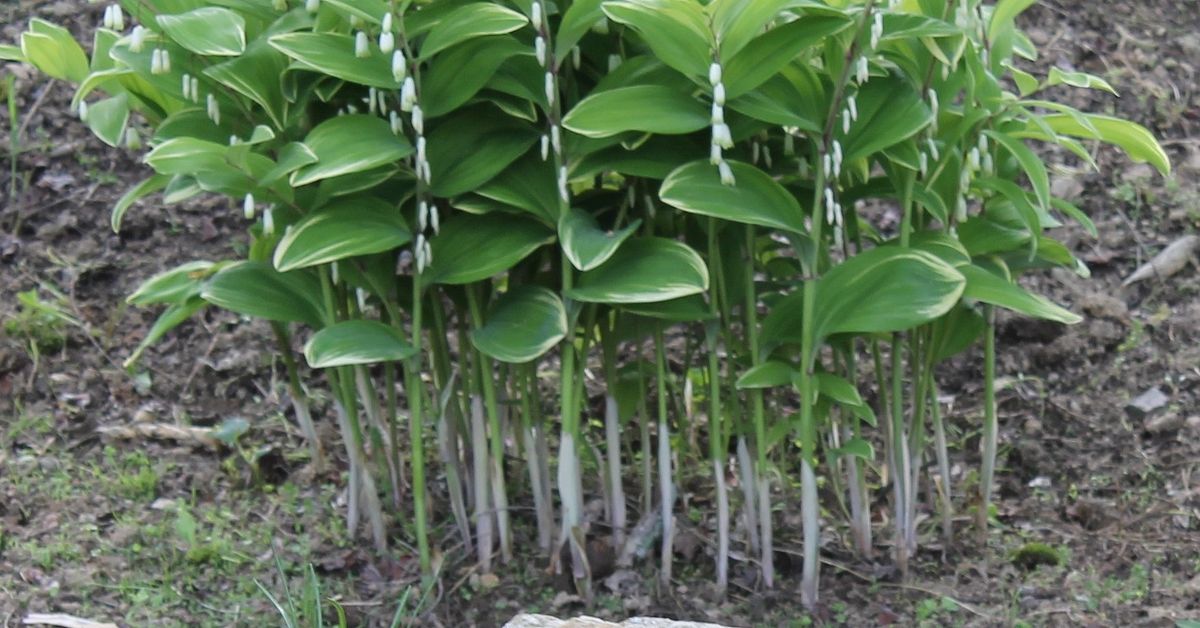
If shade gardening had a red carpet, Solomon’s seal would float down it wearing arching green stems, dangling ivory bells, and the quiet confidence of a plant that knows it does not need neon flowers to steal the show. In a world where many gardeners panic at the phrase “part shade,” Solomon’s seal politely raises one leaf and says, “Relax. I was born for this.”
Known botanically as Polygonatum, Solomon’s seal is a graceful woodland perennial loved for its curved stems, oval leaves, spring flowers, and calm, architectural shape. It is not loud. It does not shout from the border like a dahlia with a microphone. Instead, it brings elegance to the shade garden with the kind of natural poise that makes hostas look over and wonder if they should stand up straighter.
Whether you grow native Polygonatum biflorum, tall giant Solomon’s seal, or the popular variegated Solomon’s seal with creamy-edged leaves, this plant can transform a dim corner into a layered, woodland-style planting. It thrives where many sun-loving flowers give up, and once established, it often returns year after year with very little drama. For gardeners who appreciate dependable beauty, Solomon’s seal is not just a filler plant. It is the star of the shade garden.
What Is Solomon’s Seal?
Solomon’s seal is the common name for plants in the genus Polygonatum, a group of herbaceous perennials grown mainly for their graceful form and shade tolerance. These plants spread slowly by underground rhizomes, forming colonies over time. In spring, shoots rise from the soil and unfurl into arching stems lined with alternating leaves. Beneath those stems, small bell-shaped flowers appear, often white or greenish-white, hanging like tiny garden lanterns.
The name “Solomon’s seal” comes from the round scars left on the rhizomes after old stems die back. These marks were thought to resemble wax seals, giving the plant its memorable, slightly mysterious name. It sounds like something from an ancient scroll, but do not worry: growing it requires no royal decree, secret handshake, or beard worthy of a biblical painting.
Common Types of Solomon’s Seal
Gardeners in the United States commonly encounter several forms of Solomon’s seal. Polygonatum biflorum, often called smooth Solomon’s seal or small Solomon’s seal, is native to much of eastern and central North America. It typically grows in woodland settings and fits beautifully into native shade gardens.
Giant Solomon’s seal, often listed as Polygonatum biflorum var. commutatum or Polygonatum commutatum, can reach impressive heights, making it excellent for the back of a shade border. Then there is variegated Solomon’s seal, commonly sold as Polygonatum odoratum ‘Variegatum’, famous for its cream-edged leaves and refined habit. This variegated form is especially popular because it brightens dark corners without needing a spotlight, a plug, or your neighbor’s questionable solar flamingos.
Why Solomon’s Seal Shines in a Shade Garden
The best shade garden plants do more than tolerate low light. They create movement, structure, and contrast. Solomon’s seal checks all three boxes. Its stems arch gently, adding a sense of rhythm to the planting bed. Its leaves form clean lines that contrast beautifully with the bold foliage of hostas, the delicate texture of ferns, and the early flowers of bleeding heart.
In spring, Solomon’s seal provides fresh green growth when the garden is waking up. In late spring to early summer, its flowers add subtle charm. Later, many types produce dark berries. By fall, the foliage may turn yellow, giving the plant one final bow before it disappears for winter dormancy. That seasonal performance is one reason experienced gardeners often treat it as a backbone plant in woodland designs.
A Plant With Quiet Architectural Power
Some perennials are pretty only when they bloom. Solomon’s seal is handsome even without flowers. Its shape is the real magic. The stems look almost arranged, as if a garden designer sneaked in at dawn with a ruler and a very calm personality. This makes Polygonatum useful in naturalistic plantings, cottage gardens, native plant gardens, and shaded foundation beds.
Because the flowers hang underneath the stems, Solomon’s seal invites closer inspection. You do not simply glance at it; you lean in. That is part of its charm. It rewards curiosity, which is more than can be said for some garden plants that bloom for three minutes and then spend the rest of summer looking personally offended.
Best Growing Conditions for Solomon’s Seal
Solomon’s seal grows best in conditions that resemble a healthy woodland floor: filtered shade, humus-rich soil, steady moisture, and good drainage. It likes soil that stays reasonably moist but not swampy. Think “soft forest sponge,” not “forgotten soup.”
Light Requirements
Most Solomon’s seal plants prefer part shade to full shade. Dappled light under deciduous trees is ideal. Morning sun with afternoon shade can also work in many regions, especially where summers are not brutally hot. In warmer climates, stronger afternoon sun may scorch or stress the foliage, so a cooler shaded location is usually safer.
Variegated Solomon’s seal can be especially useful in darker beds because the pale leaf edges reflect light visually. It will not actually illuminate your garden like a lamp, but it may make a gloomy corner look like it had a good night’s sleep.
Soil and Moisture
Rich, organic soil helps Solomon’s seal establish well. Before planting, improve poor soil with compost, leaf mold, or well-aged organic matter. This supports the rhizomes and helps retain moisture without creating soggy conditions.
Once established, many Solomon’s seal varieties can handle short dry periods, especially in cool shade. However, consistent moisture produces fuller growth and better performance. Mulching with shredded leaves or composted bark helps mimic woodland conditions while suppressing weeds.
How to Plant Solomon’s Seal
Solomon’s seal is usually planted from nursery-grown pots or rhizome divisions. Spring and fall are both good planting seasons. Choose a spot with shade, loose soil, and enough room for the plant to spread slowly over time.
When planting a potted Solomon’s seal, dig a hole about as deep as the root ball and slightly wider. Set the plant at the same depth it was growing in its container. Backfill with amended soil, water well, and mulch lightly. If planting rhizomes, place them horizontally in the soil with growth buds positioned correctly, then cover and water thoroughly.
Spacing Tips
Spacing depends on the type. Smaller Solomon’s seal may fit nicely 12 to 18 inches apart, while larger forms need more breathing room. Giant Solomon’s seal can become a dramatic background plant, so give it space to stretch. Crowding it too tightly is like asking a ballet dancer to perform in a pantry.
Because Solomon’s seal spreads by rhizomes, it gradually forms colonies rather than racing through the garden. It is generally considered well-behaved, but clumps can be divided if they become larger than desired.
Solomon’s Seal Care: Low-Maintenance, Not No-Maintenance
One reason gardeners love Solomon’s seal is its easygoing nature. After establishment, it usually needs little attention. Still, a few smart habits will keep it looking its best.
Watering
Water new plants regularly during the first growing season. Established plants appreciate moisture during dry spells, especially in sandy soil or under thirsty tree roots. If the leaves wilt or brown early in the season, the plant may be asking for more consistent moisture.
Mulching
A light mulch layer helps protect the rhizomes, conserve moisture, and improve soil over time. Shredded leaves are excellent because they resemble the natural leaf litter of woodland habitats. Plus, using leaves as mulch gives you the rare satisfaction of turning yard cleanup into garden luxury.
Fertilizing
Solomon’s seal generally does not need heavy fertilizer. In fact, too much fertilizer may encourage floppy growth. A yearly top-dressing of compost is usually enough. Rich soil, not aggressive feeding, is the secret.
Pruning and Cleanup
After frost, the stems die back naturally. You can cut them down in late fall or leave them until early spring. If the foliage remains attractive into autumn, enjoy the show. If it collapses dramatically like it just read bad news, trim it back and move on.
Flowers, Berries, and Wildlife Value
Solomon’s seal flowers appear beneath the stems in spring or early summer. They are usually small, tubular, and pale, often with green tips. While not flashy from across the yard, they are beautiful up close and can attract pollinators. After flowering, many plants produce blue-black berries that add seasonal interest.
Gardeners should treat the berries as ornamental only. They are not for human consumption and should be kept away from curious children and pets. Birds and wildlife may interact with the fruit, but humans should admire with their eyes, not their snack instincts.
Design Ideas: Where Solomon’s Seal Looks Best
Solomon’s seal is a natural fit for woodland gardens, shaded borders, native plantings, and quiet corners near paths. Because its flowers hang below the stems, it works especially well where people can view it up close. Plant it near a walkway, bench, patio edge, or garden path so the details are not lost.
Companion Plants for Solomon’s Seal
Pair Solomon’s seal with plants that enjoy similar conditions. Ferns bring fine texture. Hostas offer broad leaves. Heuchera adds colorful foliage. Lungwort provides early spring flowers and spotted leaves. Astilbe contributes feathery blooms. Wild ginger can serve as a low groundcover. Bleeding heart adds romantic spring flowers, although it may go dormant later in summer.
For a native-inspired shade garden, combine Polygonatum biflorum with woodland phlox, foamflower, sedges, native ferns, and Virginia bluebells. The result is layered, seasonal, and far more interesting than a sad patch of mulch pretending to be landscaping.
Using Variegated Solomon’s Seal
Variegated Solomon’s seal is excellent for brightening shade. Its cream-edged leaves create a soft glow beside dark green foliage. It looks especially elegant with Japanese painted fern, blue hostas, or deep green hellebores. Use it as a repeating element through a shady bed to create visual rhythm.
Native Solomon’s Seal vs. Variegated Solomon’s Seal
One important distinction for gardeners is the difference between native Solomon’s seal and ornamental non-native forms. Polygonatum biflorum is native to much of eastern and central North America, while many variegated types come from species native to Europe or Asia. Both can be beautiful garden plants, but they serve different goals.
If your priority is native planting, habitat restoration, or supporting regional ecology, look for properly identified native species from reputable nurseries. If your goal is ornamental shade design, variegated Solomon’s seal may be a wonderful choice. The smartest approach is not to panic over plant labels, but to read them carefully. Common names can be confusing, and “Solomon’s seal” may refer to several species.
Common Problems and Practical Fixes
Solomon’s seal is usually trouble-free, but no plant is completely immune to garden nonsense. Slugs and snails may nibble young shoots or leaves, especially in damp locations. Deer may browse the foliage in some regions. Dry soil can cause early browning. Poor drainage can harm rhizomes.
Yellowing Leaves
Yellow leaves late in the season are normal. Yellowing in spring or early summer may suggest drought stress, poor soil, root competition, or too much sun. Check moisture first, then consider adding compost or relocating the plant to a cooler site.
Slow Growth
Solomon’s seal is not a racehorse. It often takes a few seasons to settle in and spread. If the plant looks healthy but slow, patience may be the correct fertilizer. Make sure it has adequate moisture and organic matter, then let it build strength underground.
Confusing It With False Solomon’s Seal
True Solomon’s seal belongs to Polygonatum and typically has flowers hanging from the leaf axils along the stem. False Solomon’s seal, now commonly placed in Maianthemum, produces flowers in a cluster at the end of the stem. Both can be attractive woodland plants, but they are not the same. When identifying plants, flower placement is one of the easiest clues.
Why Solomon’s Seal Deserves Star Status
Solomon’s seal earns its place in the shade garden because it solves several problems at once. It adds height without heaviness. It offers flowers without demanding full sun. It spreads gently without behaving like a garden villain. It pairs well with other perennials and brings structure from spring through fall.
Most importantly, it makes shade feel intentional. That is a big deal. Many gardeners treat shade as a problem to hide, cover, or apologize for. Solomon’s seal proves that shade can be graceful, layered, and deeply beautiful. It turns the difficult corner into the interesting corner. It makes the quiet part of the garden feel curated rather than neglected.
Personal Experience: Living With the Star of My Shade Garden
The first time I planted Solomon’s seal, I did not expect much. I had a shady spot that had defeated several more dramatic plants, including one perennial that arrived with a glossy nursery tag and then immediately began acting like it had been kidnapped. The area received filtered light in spring, deeper shade in summer, and a steady rain of leaves every fall. In other words, it was not a flower bed. It was a woodland negotiation.
Solomon’s seal handled that spot with quiet confidence. The first year, it was polite and modest. A few arching stems appeared, and I admired them mostly because they did not die. This is how many great garden relationships begin: with low expectations and a watering can. By the second year, the plant had more presence. The stems curved naturally, the leaves looked fresh, and the tiny hanging flowers made the whole planting feel like a secret garden scene.
What surprised me most was how well Solomon’s seal connected the other plants around it. Hostas looked better beside it. Ferns seemed softer. The bare soil between shrubs suddenly felt less empty. Instead of one lonely plant trying to entertain the entire shade bed, the area began to look layered. Solomon’s seal acted like the friend at a party who introduces everyone and somehow makes the room more relaxed.
I also learned that placement matters. When I tucked Solomon’s seal too far behind larger foliage, the flowers were easy to miss. They hang beneath the stems, which is charming but not exactly billboard behavior. Moving a division closer to the edge of a path made a huge difference. Suddenly, people noticed the dangling blooms and asked about the plant. That is when Solomon’s seal became a conversation piece instead of just “the green thing by the fern.”
Another lesson: do not over-fuss. My best clump grew where I added compost, mulched with leaves, watered during dry spells, and then mostly left it alone. The plant did not want daily compliments, specialty fertilizer, or motivational speeches. It wanted shade, decent soil, and moisture. Honestly, that is a very reasonable contract.
Over time, Solomon’s seal became one of the most dependable plants in my shade garden. Every spring, the shoots return like little green promises. The stems rise, arch, bloom, and settle into the background with elegance. It is not the loudest plant I grow, but it may be one of the most satisfying. Some plants perform like fireworks. Solomon’s seal performs like music in the next room: calm, graceful, and impossible to ignore once you learn to listen.
If you are building a shade garden from scratch, start with one or two clumps and give them room. Pair them with ferns, hostas, hellebores, astilbes, and native woodland plants. Add leaf mulch, keep the soil from drying out completely, and be patient. In a few seasons, you may find what I found: the shady part of the yard is no longer the problem area. It is the place you visit first with coffee in hand, pretending you are checking on the plants when really you are just enjoying a quiet little masterpiece.
Conclusion
Solomon’s seal is one of the finest perennials for shade gardens because it combines beauty, structure, reliability, and woodland charm. Its arching stems, dangling spring flowers, attractive foliage, and slow-spreading habit make it useful in both naturalistic and designed landscapes. Whether you choose native Polygonatum biflorum, tall giant Solomon’s seal, or a luminous variegated form, this plant brings elegance to places where many flowers struggle.
For gardeners looking to transform a dim corner into something graceful and alive, Solomon’s seal deserves serious attention. It may not be flashy, but it has staying power. And in the shade garden, that kind of quiet brilliance is pure gold.














