If you’ve ever walked into a restaurant and immediately thought, “I want to live here,” you already understand the
entire point of Steal This Look. Clyde Common (in downtown Portland, Oregon) was one of those places:
the kind of room that made a rainy night feel like a stylish life choice.
Remodelista’s “Steal This Look” spotlight didn’t obsess over fussy décor or precious “don’t-touch-that” styling.
Instead, it captured a vibe that Portland does better than most cities: practical, a little scrappy, quietly cool,
and somehow still warm. Think “Army/Navy surplus meets dinner party,” with the lighting of a summer backyard and
the confidence of a bar that knows exactly what it’s doing.
Clyde Common officially closed in January 2022, but its design DNA is still wildly usefulbecause the whole look is
built on approachable moves you can copy at home, in a studio apartment, or even in a small café. The secret is
that it doesn’t rely on one expensive hero piece. It’s a collection of smart, repeatable choices that add up to a
space that feels lived-in on purpose.
Why Clyde Common Became a Style Reference (Even After Closing)
Before we “steal the look,” it helps to understand why this particular look mattered. Clyde Common wasn’t just a
pretty room; it was a social engine. It lived in the same downtown building that became famous as the Ace Hotel
Portlandand later rebranded back to its historic identity as The Clyde (now operated with Kasa). That building has
long leaned into recycled materials, repurposed furniture, and a non-pretentious kind of design swagger. Clyde
Common matched that energy.
And then there was the bar. Clyde Common was a big deal in cocktail history: its program helped popularize the
barrel-aged cocktail trend, and it earned major national recognition in the bar world. That matters for design
because great bar culture shapes how a room is built: the seating, the lighting, the flow, and the little “ritual”
objects (glassware, carafes, menus) that signal, you’re in good hands.
Bottom line: Clyde Common’s look worked because it had a purpose. It was designed for people to gather, linger,
and order “just one more” without feeling like they were being hustled out the door.
The Clyde Common Look, Broken Into 8 Stealable Moves
Remodelista framed Clyde Common as “Army/Navy style,” and that’s a great shorthand. Not camouflage-print chaosmore
like: utilitarian materials, simple shapes, and objects that look like they came from real life instead of a
showroom.
1) Start with a loft mindset: simple shell, strong personality
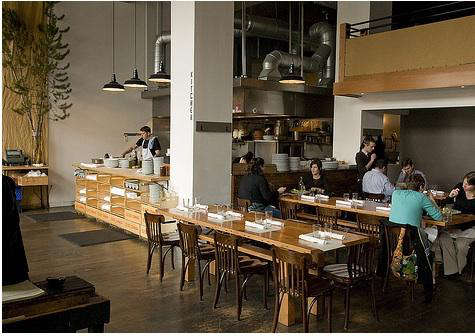
Clyde Common was described as a lofty, two-level spacemeaning the room didn’t need decorative clutter. Lofty
spaces rely on proportion, texture, and repetition. If your home isn’t a loft, borrow the principle: keep the
background simple (walls, floors, big furniture), then add character through repeated details (lighting, chairs,
tabletop pieces).
- Keep the palette calm: off-white, warm wood, blackened metal, and a little weathered patina.
- Let materials do the talking: wood grain, steel edges, canvas texture, glass reflections.
- Choose “honest” finishes: matte, brushed, worn-in, or naturally imperfect.
2) Use canvas tarps like a designer who shops at the hardware store
One of the most memorable Clyde Common details: off-white cotton canvas tarps used as wall coverings and even
curtains. This is the kind of move that sounds questionable until you see itand then you wonder why everyone
doesn’t do it.
How to steal it without turning your dining room into a camping supply aisle:
- Go neutral and natural: choose canvas or heavy cotton in off-white, oatmeal, or sand.
- Hang it cleanly: use simple rods, rings, or clips; keep the lines straight.
- Use it strategically: behind a banquette, as a curtain, or as a wall panel in a nook.
- Balance the “rough”: pair canvas with polished glassware or clean-lined chairs.
3) Make lighting feel like an invitation, not an interrogation
Clyde Common’s lighting mix is part of why the space reads “warm” even with industrial elements. Remodelista noted
outdoor string lights on a waterproof rubber cordbasically: patio lights, but made cool.
At home, this is your easiest win per dollar:
- String lights: use warm-white bulbs; drape them with intention (straight lines or gentle arcs).
- Industrial pendants: a barn-style shade over a table instantly says “gather here.”
- Layer in small lamps: a single low lamp near a bar cart makes a room feel cinematic.
The goal is a glow that flatters faces and makes people stay longer. If your overhead light makes you feel like
you’re being interviewed for a job you don’t want, it’s not Clyde Common lighting.
4) Commit to communal energy (even if you live alone)
Remodelista called out a communal table as a core piece of the space. You don’t need a restaurant-sized table, but
you do want the spirit of one: big enough to spread out, casual enough to pull up a chair, sturdy enough to take a
few dents without crying.
Steal it like this:
- Choose a “workhorse” table: thick wood top, simple base, not precious.
- Keep chairs mismatched-but-related: same material family (wood + metal), different shapes.
- Add one bench: it instantly turns “dining” into “hangout.”
5) Use bentwood café chairs to telegraph “classic” without trying too hard
Remodelista highlighted beech bentwood fan-back café chairsiconic café furniture that reads European, timeless,
and friendly. Bentwood chairs are also a cheat code for making a room feel intentional without being stiff.
Pro tip: if your space is small, bentwood chairs work because they’re visually light. They don’t block sightlines,
so the room feels bigger.
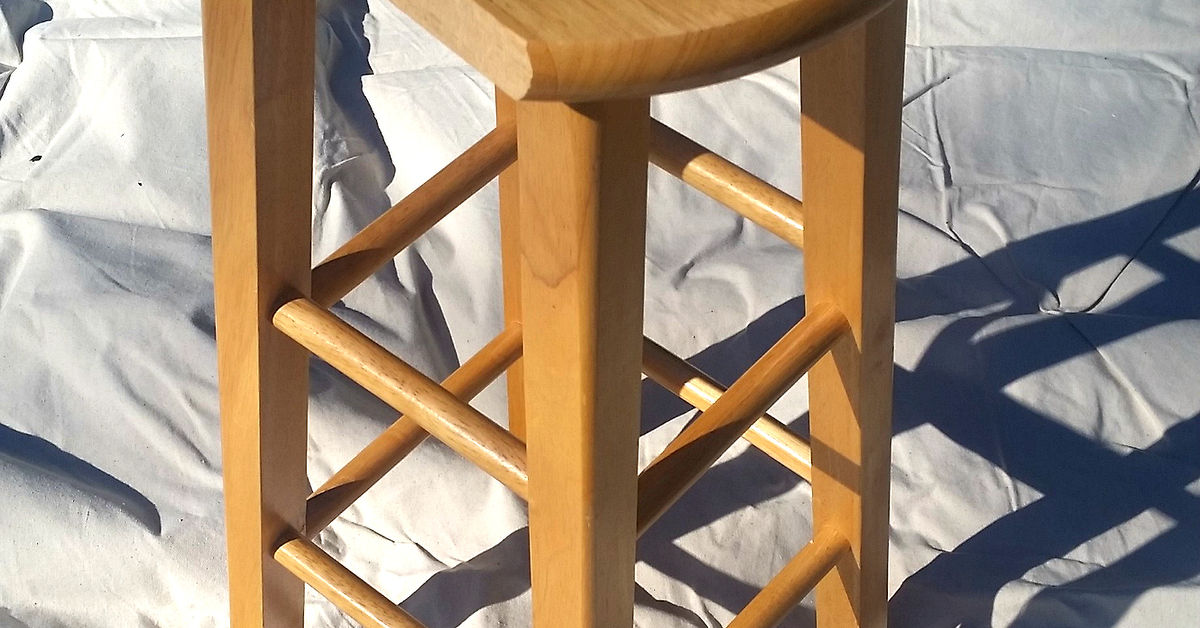
6) Add a touch of welded-steel toughness (but keep it ergonomic)
Another Remodelista detail: a backless welded steel stool. This is where the Army/Navy vibe shows up loudestmetal,
functional, no fluff. In a home, you only need a little of this to get the effect.
- Do: use 2–3 metal stools at a kitchen counter or bar cart zone.
- Don’t: fill the whole room with backless metal unless you hate your friends’ spines.
- Balance: pair with one soft elementcanvas, a cushion, a wood tabletop.
7) Make the tabletop feel “designed,” not decorated
Clyde Common’s tabletop details are a masterclass in subtle signaling. Remodelista called out Jasper Morrison’s
Alessi glassware and plate setsclean, modern, and quietly premium. But the bigger lesson is about consistency:
fewer styles, repeated thoughtfully.
Steal the logic, even if you’re not buying designer dishware:
- Pick one glass shape (or two) and repeat it for everything.
- Choose plates with simple geometry: round, low rim, neutral tone.
- Keep cutlery minimal: brushed metal beats shiny for this look.
Then steal Clyde Common’s most charming hack: reusing wine bottles as carafes. It’s eco-friendly, it looks casual
and cool, and it makes tap water feel like it has a personality.
8) Bring in branches like they’re the Pacific Northwest’s version of flowers
Remodelista described fir-tree branches in a glass cylinder and bud vases with dried branchessimple, sculptural,
and very “Portland.” Branches are perfect for this style because they’re graphic and architectural. They don’t read
fussy; they read intentional.
- For everyday: one glass cylinder + a handful of evergreen or long branches.
- For a dinner: small bud vases spread down the table (instead of one big centerpiece).
- For small spaces: one tall vase near a window creates height without clutter.
How to Steal the Look at Home (Room-by-Room)
Dining room: “casual dinner party, always ready”
Start with your table and chairs. Add a neutral runner (canvas, linen, or even a simple cotton drop cloth). Hang
one industrial pendant or a line of string lights above. Then keep the center of the table simple: branches + one
candle + water in a reclaimed bottle. That’s it. Clyde Common energy comes from restraint.
Kitchen: turn one corner into a tiny bar moment
You don’t need a full bar to borrow Clyde Common’s “serious but not snobby” cocktail vibe. A tray, a few good
glasses, and a small cluster of bottles creates the same signal. Keep the tray metal or wood. Add a clipboard menu
if you’re feeling playful: write two “house cocktails” (even if one is just sparkling water with citrus).
Entryway or mudroom: Army/Navy without the costume
If you want the utilitarian edge, the entryway is the safest place to do it. A canvas curtain, a metal hook rail,
and a simple bench gets you the look without making your living room feel like a supply depot.
Small apartments: steal the vibe, not the square footage
Use “light” versions of the elements:
- One string-light line instead of multiple fixtures
- Two bentwood chairs instead of a full set
- One canvas panel behind a desk or dining nook
- One tall vase with branches instead of floral arrangements everywhere
How to Steal the Look for a Café, Bar, or Restaurant (Without Copying a Movie Set)
If you’re a hospitality owner (or you’re designing a pop-up), Clyde Common’s style is a useful model because it
scales well and doesn’t depend on fragile décor. Here’s what’s especially stealable:
Design for flow: the room should “work” on a Friday night
Great restaurant design is less about what’s on the wall and more about how people move. Communal tables encourage
group energy, bentwood chairs keep the vibe classic, and metal stools communicate that the bar is a primary stage.
Choose materials that age well
Canvas, wood, steel, and glass get better with time. Glossy, trendy finishes usually don’t. If your concept relies
on patina, every scuff becomes part of the story instead of a maintenance emergency.
Use “cheap” elements in a premium way
A clipboard menu, stenciled signage, and repurposed bottles are inexpensive, but they can read elevated when they
are consistent and thoughtfully placed. This is the Clyde Common lesson: don’t buy more thingschoose fewer things
and repeat them confidently.
The Portland Context: Why This Look Felt So Natural
Clyde Common’s design made sense in Portland because it alignedI: it matched the city’s larger design language:
repurposed objects, local art, warm minimalism, and a mild allergic reaction to anything too shiny. The building
itself was a big part of that storyoriginally the Clyde Hotel (opening in 1912), later becoming the Ace in 2005,
and then rebranding again as The Clyde in 2024 under a Kasa partnership.
Even the neighborhood ecosystem reinforced the mood: Stumptown Coffee’s Ace Hotel location eventually closed, and
the old Clyde Common space was slated to become a new all-day café concept called Stone’s Throw. That churn is
normal for cities post-2020but the design lesson remains: spaces that feel flexible and human tend to have longer
cultural lives than spaces that only work for a single trend.
The “Don’t Overdo It” Checklist (So It Looks Inspired, Not Imitated)
- Don’t go full military. The vibe is utilitarian, not thematic. Avoid literal props.
- Don’t mix too many eras. Keep it modern + classic. Skip overly ornate vintage pieces.
- Don’t forget comfort. Add softness somewhere: canvas, a cushion, a warm rug, or a lamp.
- Don’t overcrowd surfaces. Clyde Common worked because there was breathing room.
- Don’t use harsh lighting. If it makes everyone look tired, you missed the point.
Experience Add-On (): Living the Clyde Common Mood
Imagine a typical Portland evening: the sky is doing that gray, drizzly thing that feels less like “weather” and
more like “a setting.” You step inside somewhere warm, and immediately your shoulders dropbecause the room isn’t
trying to impress you. It’s inviting you to settle in. That’s the Clyde Common mood, and you can recreate it even
if your “downtown” is just the walk from your kitchen to your couch.
Start with the first sensory cue: light. Clyde Common’s string lights are basically a psychological trick. They
don’t scream “restaurant lighting,” they whisper “patio at dusk,” which makes your brain decide it has time. At
home, you can pull the same move by swapping one overhead bulb for a warmer tone and letting a string of lights
(or a small lamp) do the emotional heavy lifting. The effect is instant: dinner becomes an event, not a task.
Next comes the feeling of materials. Canvas is the underrated star here. It’s soft enough to feel domestic, but
utilitarian enough to feel honestlike it belongs to real life. If you hang a canvas curtain or add a heavy cotton
runner to your table, the room gets a subtle “workshop-meets-dining” texture. It’s the same reason a great denim
jacket works with almost anything: it relaxes the outfit. Canvas relaxes the room.
Then there’s the social setup. Clyde Common’s communal-table energy isn’t about having lots of guests; it’s about
making the space behave as if guests could arrive at any moment. Clear the table. Keep a couple of glasses
ready. Put water in a bottle and set it out like it’s the most normal thing in the world. That tiny act changes
your home from “private bunker” to “welcoming place.” Even if it’s just you, you’ll notice you linger longerbecause
the environment tells you it’s okay.
Finally, add the branch move. Portland doesn’t do fussy florals the way some cities do; it does sculptural
greenery. A few evergreen sprigs or dried branches in a glass cylinder makes a room feel grounded, seasonal, and
calm. It’s a centerpiece that doesn’t demand attentionit just quietly improves the architecture of your table.
The best part of stealing the Clyde Common look is that it encourages you to stop chasing perfection. A scuffed
chair? Character. A reused bottle? Smart and charming. A slightly wrinkled canvas runner? Proof that someone ate
here and laughed here and lived here. That’s the real “steal”: not a shopping list, but a permission slip to make
your space feel both designed and human at the same time.
Conclusion: The Real “Steal” Is Confidence
Clyde Common’s Remodelista-worthy appeal was never about luxury. It was about clarity: a consistent palette, a few
repeatable materials, warm lighting, and small rituals that made people feel welcome. If you copy anything, copy
that. Build a room that’s sturdy, glowy, and ready for whoever shows upfriends, family, or just you and a really
good sandwich.