
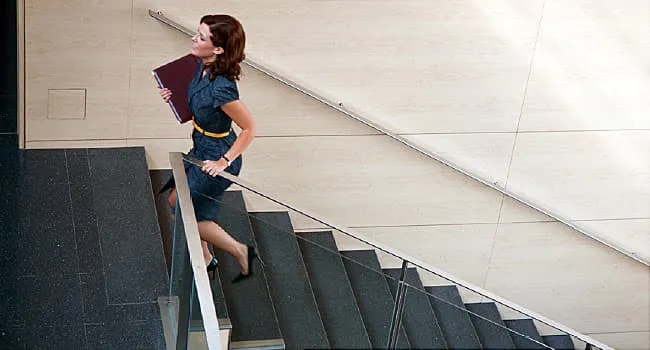
There are few health upgrades as gloriously low-tech as taking the stairs. No subscription. No charging cable. No instructor shouting motivational poetry over a bass drop. Just you, gravity, and a set of steps that has been quietly waiting to improve your cardiovascular fitness, strengthen your legs, and humble your calves in under two minutes.
In a world where elevators arrive with a polite ding and escalators do half the work for us, choosing the stairs can feel like a tiny rebellion against convenience. But that small decision adds up. Stair climbing is one of the simplest ways to sneak more physical activity into a packed day, and it can support better heart health, stronger muscles, improved balance, weight management, and even a brighter mood. It is not a magic cure, and it will not turn one flight of stairs into a medical miracle. But as daily habits go, taking the stairs is a surprisingly powerful move.
The case for taking the stairs is not about guilt or gym-bro drama. It is about making health easier to access. You do not need a perfect schedule. You need a staircase, a reasonable pace, and the willingness to arrive at the third floor slightly more heroic than when you left the lobby.
Why Stair Climbing Works So Well
Stair climbing is effective because it combines two types of movement your body loves: aerobic activity and resistance work. When you climb stairs, your heart rate rises, your breathing deepens, and your large lower-body muscles get busy. Your quadriceps, hamstrings, glutes, calves, hip muscles, and core all join the party. It is basically a committee meeting for your legs, except this one actually gets something done.
Unlike walking on flat ground, stair climbing requires you to lift your body weight upward against gravity. That extra vertical challenge increases the demand on your heart, lungs, and muscles. Even a short climb can feel intense because your body is working harder per step. This is why stair climbing can be a smart choice for people who want a time-efficient way to add more movement to daily life.
A Mini Cardio Session Hiding in Plain Sight
Taking the stairs can qualify as moderate to vigorous physical activity depending on your pace, fitness level, and how many flights you climb. If you are slightly winded at the top but can still speak in short sentences, you are probably in a productive zone. If you reach the landing and suddenly understand why mountain goats have such serious faces, you may have pushed into vigorous territory.
Regular aerobic activity is linked with better heart and lung function, improved circulation, healthier blood pressure, better blood sugar control, and reduced risk of several chronic diseases. Stair climbing fits neatly into this picture because it raises your heart rate quickly and can be done in short bursts throughout the day.
Strength Training Without the Drama
Stairs also challenge your muscles. Each step asks your legs and hips to produce force, stabilize your body, and control your movement. Over time, that repeated effort can help build lower-body strength and muscular endurance. Stronger legs matter for far more than looking confident in jeans. They support walking, lifting, standing from a chair, carrying groceries, playing with kids, and maintaining independence as you age.
Stair climbing is not a full replacement for a balanced strength-training program, especially one that includes upper-body and core work. But it is an excellent everyday supplement. Think of it as the multivitamin of movement: not the whole meal, but definitely useful.
The Heart Health Argument for Taking the Stairs
Your heart is a muscle, and like any hardworking muscle, it responds to regular training. Climbing stairs makes the heart pump faster to deliver oxygen-rich blood to working muscles. Done consistently, this can help improve cardiovascular fitness and endurance.
Research has connected stair climbing with better cardiometabolic health markers, including improved aerobic fitness, healthier lipid profiles, better blood pressure, and improved blood sugar regulation. Some large observational studies have also found associations between regular stair climbing and lower risk of cardiovascular disease. That does not mean stairs are a force field against heart problems, but it does suggest that this simple habit deserves more respect than it gets.
For many adults, the hardest part of exercise is not knowing what to do. It is finding time, energy, and motivation. Stairs solve part of that problem by being already built into daily environments. Office building? Stairs. Apartment? Stairs. Parking garage? Stairs. Mall? Stairs. Hotel? Stairs. The world has been hiding a cardio machine in public architecture all along.
Stairs vs. Elevator: A Small Choice With Big Habit Power
The elevator is not evil. It is useful, accessible, and sometimes necessary. If you are injured, carrying heavy items, managing a disability, feeling unwell, or navigating a stroller, the elevator may be the right choice. Health is not a morality contest, and nobody earns extra virtue points for making life harder than it needs to be.
But when stairs are safe and realistic, choosing them can be an easy way to build movement into the day without changing clothes, blocking off a workout hour, or negotiating with your inner couch goblin. These tiny choices are powerful because they reduce friction. You are not adding a new errand to your life; you are slightly upgrading an errand you already had.
This is the beauty of stair climbing as a health habit: it is attached to something you already do. You are already going upstairs. The question is simply whether your legs or a machine do the work.
How Taking the Stairs Supports Weight Management
Stair climbing burns calories because it uses large muscles and requires you to move your body upward. The exact number of calories burned depends on body size, pace, duration, and fitness level. A quick climb here and there will not cancel out a weekend of nachos, and it certainly will not “melt belly fat” in the magical way internet ads like to promise. But it can contribute to daily energy expenditure in a practical, repeatable way.
Weight management is not about one heroic workout. It is about patterns. A few flights a day, repeated over weeks and months, can become part of a healthier lifestyle that also includes balanced meals, adequate sleep, stress management, strength training, and other forms of movement. Stairs are not the whole strategy. They are one dependable tool in the toolbox.
There is also a psychological win. Choosing stairs gives you an immediate sense of action. You made the healthier choice. You did the thing. You reached the top. Your legs may file a complaint, but your confidence gets a vote too.
Blood Sugar, Metabolism, and the Power of Short Bursts
One of the most exciting ideas in modern fitness is that movement does not always need to happen in long, formal sessions. Short bursts of activity can still matter. Climbing stairs after long periods of sitting may help wake up your muscles and encourage better glucose use, especially when it becomes a regular habit.
When muscles contract, they use energy. Repeated muscle activity can support insulin sensitivity and metabolic health over time. This is one reason health experts encourage breaking up sedentary time with movement. A brief stair climb after lunch, between meetings, or during an afternoon slump can do more for your body than another dramatic stare into the refrigerator.
Of course, stairs are not a treatment plan for diabetes or metabolic disease. Anyone managing a medical condition should follow professional guidance. But for many healthy adults, stair climbing is a practical way to add intensity to the day without needing a gym membership or complicated programming.
Balance, Bones, and Aging Better
Taking the stairs can also support functional fitness. Functional fitness is the ability to do real-life tasks with strength, balance, coordination, and confidence. Climbing stairs requires you to shift weight, stabilize your hips, control your feet, and coordinate movement. These skills matter at every age.
For older adults, maintaining strength and balance is especially important because it can help reduce fall risk and preserve independence. Stair climbing may improve leg power and confidence when done safely and progressively. The key word is safely. A sturdy railing, proper footwear, good lighting, and an honest assessment of your current ability are all part of the plan.
Stairs also provide weight-bearing movement, which can help support bone health. Bones respond to appropriate mechanical stress, and climbing stairs gives the legs and hips a regular dose of that load. Again, this does not replace medical care or targeted exercise for osteoporosis, but it can be one helpful piece of a bone-friendly lifestyle.
Mood, Energy, and the “I Actually Did Something” Effect
Exercise is not just for muscles and arteries. Physical activity can support mood, mental clarity, and energy. Even brief movement can shake off sluggishness, reduce stress, and create a useful reset during the day.
There is something mentally satisfying about stairs. They are measurable. One floor. Two floors. Three floors. You can see progress immediately. Unlike vague wellness goals such as “be healthier,” stairs give you a tiny finish line. You start at the bottom, climb, and arrive somewhere higher. That is practically a metaphor wearing sneakers.
For office workers, remote workers, students, and anyone trapped in a chair for long stretches, stair breaks can also interrupt sedentary patterns. Instead of doom-scrolling for five minutes, climb one or two flights. You may return to your desk more alert, slightly smug, and less likely to become one with your chair.
How to Start Taking the Stairs Safely
If you are new to stair climbing, start small. The goal is consistency, not a cinematic training montage. You do not need to sprint up ten flights on Monday and then spend Tuesday walking like a newborn giraffe.
A Beginner-Friendly Stair Plan
- Week 1: Take one flight once or twice a day at an easy pace.
- Week 2: Add another flight or take the stairs more often during routine errands.
- Week 3: Increase pace slightly on one climb while keeping others comfortable.
- Week 4: Try short stair intervals, such as one faster flight followed by slow walking recovery.
Warm up if you plan to do a longer stair workout. Walk for a few minutes first, keep your posture tall, place your whole foot securely on each step, and use the railing for balance when needed. Going down stairs can stress the knees more than going up, so descend with control. If your knees object loudly, listen to them. Knees are not known for subtle diplomacy.
Who Should Be Careful?
Stair climbing can be intense. People with chest pain, severe shortness of breath, dizziness, uncontrolled blood pressure, significant joint problems, recent surgery, balance issues, or heart and lung conditions should talk with a healthcare professional before adding stair workouts. If you feel pressure in the chest, faintness, unusual pain, or severe breathlessness, stop and seek medical advice.
Also, do not turn public stairwells into personal obstacle courses. Watch for wet steps, poor lighting, loose rugs, clutter, and distractions. Texting while climbing stairs is a bold attempt to combine cardio with chaos. Skip it.
Simple Stair Workouts for Busy People
Once you have built a base, stairs can become a flexible workout tool. Here are a few simple options that require no equipment.
The “Meeting Starts in Five Minutes” Climb
Climb one or two flights at a steady pace, walk slowly for recovery, and repeat for three to five minutes. This is ideal for busy workdays because it is short enough to fit between tasks but energetic enough to wake you up.
The Lunch Break Reset
After eating, take a gentle walk and add one to three flights of stairs. Keep the pace comfortable. The goal is not to set a record; it is to move your body and avoid the post-lunch desk coma.
The Weekend Stair Session
Find a safe staircase, warm up with five minutes of walking, then climb for 30 seconds and recover for 60 to 90 seconds. Repeat six to ten times. Cool down with easy walking. This can improve fitness without requiring a long workout.
The Strength-Focused Step-Up
Use the bottom step for slow step-ups. Step up with the right foot, bring the left foot up, step down with control, and repeat. Switch sides. This builds leg strength and balance. Keep movements smooth, and hold the railing if needed.
How to Make Stair Climbing a Habit
The best health habit is the one you can repeat. To make stair climbing stick, connect it to predictable moments in your day. Take the stairs when arriving at work. Use stairs after coffee. Climb one flight before lunch. Take the stairs down at the end of the day if climbing up feels too intense at first.
You can also set a “minimum stairs rule.” For example, if your destination is three floors or less, take the stairs unless you are carrying something heavy or not feeling well. If you work on the tenth floor, take the elevator to seven and climb the last three. That still counts. Fitness is not canceled because you used strategy.
Environment helps too. Choose comfortable shoes when possible. Keep stairwells clean and well-lit at home. Encourage workplaces to make stairwells more inviting with signs, lighting, and clear access. People are more likely to use stairs when they feel safe, visible, and convenient.
Real-World Experiences: What Happens When Stairs Become a Daily Habit
The first thing many people notice when they begin taking the stairs is not dramatic weight loss or superhero calves. It is breath. More specifically, it is the sudden awareness that breathing can become a full-time job by the second landing. This can be humbling, especially if you consider yourself “pretty active” because you once carried all the groceries in one trip. But the good news is that stair fitness improves quickly when practiced consistently.
Imagine someone who works on the fourth floor. At first, they take the elevator every morning because it is automatic. Then they decide to climb one flight and ride the elevator the rest of the way. It feels manageable. After a week, they climb two flights. By the end of the month, they can climb all four without needing to pause and pretend to check an urgent email. That is real progress, and it came from a habit that added only a few minutes to the day.
Another common experience is improved confidence during everyday tasks. Carrying laundry upstairs feels less like a competitive sport. Walking from a parking garage to an appointment becomes easier. Vacation days with hills, museums, subway stations, or old buildings with suspiciously tiny elevators become less intimidating. Stair climbing trains the body for real life, not just for a fitness tracker celebration animation.
Some people also discover that stairs are a useful stress valve. Instead of sitting through frustration after a difficult phone call or a messy meeting, they climb a few flights. The movement burns off nervous energy. The short burst of effort creates a clean break between one mental state and the next. By the time they return, the problem may still exist, but at least their body has stopped marinating in stress.
For parents, stairs can become a practical form of “exercise snacking.” A parent at home may not have 45 quiet minutes for a workout, because children have a mysterious ability to detect peace from three rooms away. But one flight here, two flights there, step-ups while waiting for laundry, or a quick climb during nap time can add meaningful movement. It is not glamorous. There is no dramatic lighting. But it works.
For older adults, the experience should be more cautious and intentional. A person may start by practicing step-ups on the bottom stair while holding a railing. Over time, they may gain strength and confidence. The goal is not speed. The goal is secure movement, steadier legs, and the confidence to handle stairs in daily life. Small improvements can feel enormous when they make ordinary activities easier.
And yes, there will be days when the elevator wins. That is fine. Building a stair habit is not about perfection. It is about choosing the stairs often enough that your body adapts. Every climb is a vote for better health. Some votes are tiny. Some are sweaty. All of them count.
Conclusion: Better Health Is One Step Away
Taking the stairs is not flashy, expensive, or complicated. That is exactly why it works. It turns ordinary moments into opportunities for better health. Each climb can support cardiovascular fitness, strengthen lower-body muscles, improve balance, burn calories, break up sedentary time, and reinforce the identity of someone who chooses movement when it is available.
The goal is not to reject elevators forever or treat every staircase like a personal Everest. The goal is to recognize that health is built through repeated choices. When the stairs are safe and realistic, take them. Start with one flight. Add more as your body adapts. Keep your pace sensible, use the railing when needed, and celebrate the small win waiting at the landing.
Better health does not always require a new device, a complicated plan, or a motivational quote printed on a water bottle. Sometimes it starts with the simplest instruction possible: step up.












