Closets have a funny way of becoming emotional support caves. One day, everything is neatly arranged; the next, your favorite shirt is hiding between a winter coat, a tote bag, and a mystery garment you swear you donated two years ago. The humble clothes hanger may not seem like the hero of this story, but when it comes to smarter storage, better garment care, and a cleaner-looking closet, the hanger matters more than most people think.
That is where Ditto clothes hangers come in. Known for their recycled paperboard design, slim profile, and eco-conscious materials, Ditto hangers offer a refreshing alternative to bulky plastic hangers, flimsy wire hangers, and heavy wooden hangers that eat up valuable closet space. They are simple, smart, and surprisingly stylishbasically the closet equivalent of a person who brings labeled containers to a picnic.
This guide explores what Ditto clothes hangers are, why they became popular among sustainability-minded shoppers and retailers, how they work for home storage, and whether they deserve a place in your closet.
What Are Ditto Clothes Hangers?
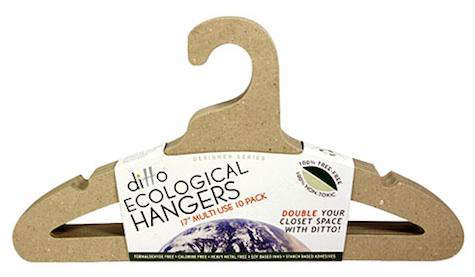
Ditto clothes hangers are eco-friendly hangers originally designed as a recyclable alternative to traditional plastic and wire hangers. Instead of relying on petroleum-based plastics or coated metal, many Ditto hangers are made from compressed recycled paperboard or fiberboard. Some versions have also been associated with recycled PET plastic, but the paperboard models are the best-known option for sustainable closet storage.
The most recognizable Ditto hanger design is thin, flat, and lightweight. It is not trying to look like a luxury cedar hanger in a boutique hotel. Its strength is practicality: it saves space, supports everyday clothing, and can often be recycled much more easily than mixed-material hangers.
Key Features of Ditto Hangers
Ditto hangers are often described with features such as:
- Made from recycled paperboard or recycled fiber material
- Slim profile for space-saving closet storage
- Lightweight but sturdy enough for many everyday garments
- Designed with notches for straps or hanging loops
- Often produced with vegetable-based inks and starch-based adhesives
- Recyclable when clean and accepted by local recycling programs
- Custom-printable for retailers, brands, and hospitality use
In short, Ditto hangers are not just about hanging clothes. They are about reducing closet bulk, improving visual order, and choosing storage products with a lighter environmental footprint.
Why Hangers Matter More Than You Think
A hanger seems like a tiny detail until you count how many of them you own. Most closets have dozens. Some family closets have hundreds. If those hangers are mismatchedplastic from old shopping trips, wire from the dry cleaner, wooden suit hangers, velvet hangers, and one lonely hanger from a Halloween costume in 2014the closet instantly feels more chaotic.
Uniform hangers create a cleaner visual line. They help clothes hang at the same height, reduce tangling, and make your wardrobe easier to scan. That means less time digging and more time wearing what you actually own. A good hanger system also helps protect garment shape, especially for shirts, dresses, jackets, and items with straps.
Ditto clothes hangers are especially interesting because they combine two big closet goals: space saving and sustainability. They do not solve every wardrobe problemsadly, they will not convince you to stop buying black T-shirtsbut they can make daily storage feel simpler.
The Sustainability Appeal of Ditto Clothes Hangers
The biggest reason people search for Ditto clothes hangers is their eco-friendly reputation. Traditional plastic hangers can be difficult to recycle because they may be made from mixed plastics, contain metal hooks, or lack consistent recycling markets. Wire hangers are often coated and can bend out of shape quickly. Wooden hangers are durable, but they require more material and take up more space.
Ditto paperboard hangers offer a different approach. They use recycled fiber materials and are designed with end-of-life recycling in mind. For retailers and clothing manufacturers, this matters because garment-on-hanger shipping can generate a large amount of hanger waste. A recyclable paperboard hanger can reduce reliance on single-use plastic hangers and make sustainability easier to communicate to customers.
Why Recycled Paperboard Makes Sense
Paperboard is familiar, lightweight, and widely understood by consumers. When used correctly, it can be recycled through many paper or cardboard recycling streams, depending on local rules and whether the hanger is clean and free from non-paper attachments. That makes it more intuitive than trying to guess whether a random plastic hanger belongs in the recycling bin, the trash, or a museum of confusing household objects.
Ditto hangers also show how everyday storage products can support a broader circular economy. The idea is simple: use recycled materials, design the product for reuse, and make disposal easier when the product eventually reaches the end of its life.
How Ditto Hangers Help Save Closet Space
Closet space is valuable real estate. In some apartments, it is practically beachfront property. A bulky hanger can waste rod space, especially if your wardrobe includes many tops, blouses, lightweight jackets, or dresses. Ditto hangers have a slim, flat structure that helps reduce hanger thickness and allows garments to sit closer together.
This does not mean you should pack clothes so tightly that they need a reservation to breathe. Overcrowding can cause wrinkles and make it harder to see what you own. But a slim hanger gives you more flexibility. You can create breathing room, organize by category, or simply stop fighting with your closet every morning.
Best Clothing Types for Ditto Hangers
Ditto clothes hangers work well for many everyday garments, including:
- T-shirts and casual tops
- Button-down shirts
- Lightweight blouses
- Summer dresses
- Children’s clothing
- Retail display garments
- Travel or dorm wardrobes
For very heavy coats, structured suits, or garments that need broad shoulder support, a thicker wooden or contoured hanger may still be the better choice. The smartest closet is not one that uses only one hanger for everything. It is one that uses the right hanger for the right job.
Ditto Hangers vs. Plastic, Wire, Velvet, and Wooden Hangers
Every hanger type has strengths and weaknesses. Choosing the best clothes hangers depends on your wardrobe, budget, closet size, and sustainability priorities.
Ditto Hangers vs. Plastic Hangers
Plastic hangers are inexpensive and widely available, but they can be bulky and may break over time. Recycling them is not always straightforward. Ditto hangers are thinner and usually more environmentally friendly, especially when made from recycled paperboard. However, plastic hangers may be more moisture-resistant in damp spaces.
Ditto Hangers vs. Wire Hangers
Wire hangers are thin, but they are notorious for bending, snagging clothing, and creating shoulder bumps. They are fine for short-term dry-cleaning transport, but they are rarely ideal for long-term closet storage. Ditto hangers provide a flatter, cleaner shape and a more polished look.
Ditto Hangers vs. Velvet Hangers
Velvet hangers are popular because they are slim and non-slip. They are excellent for silky blouses, dresses, and delicate tops. Ditto hangers are also slim, but they do not have the same fuzzy grip. If slipping is your main frustration, velvet may win. If recyclability and paper-based materials matter more, Ditto hangers have a strong advantage.
Ditto Hangers vs. Wooden Hangers
Wooden hangers look premium and support heavier garments beautifully. They are excellent for coats, suits, and structured jackets. The trade-off is space: wooden hangers are thick. Ditto hangers are better for lightweight everyday clothing and compact storage, especially in small closets, dorm rooms, and shared wardrobes.
How to Organize a Closet with Ditto Clothes Hangers
Buying better hangers is only the first step. To get the full benefit, you need a system. Fortunately, closet organization does not require a full renovation, a label maker addiction, or a dramatic “before and after” montage. A few simple steps can make Ditto hangers work beautifully.
Step 1: Empty and Edit
Start by removing everything from the closet rod. Yes, everything. This part may feel like your wardrobe exploded, but it helps you see what you actually own. Sort clothes into categories: keep, donate, repair, seasonal storage, and maybe. The “maybe” pile is where clothes go to negotiate their future.
Step 2: Match Hangers by Category
Use Ditto hangers for lightweight and medium-weight garments. Keep heavier wooden hangers for coats or structured blazers. If you use velvet hangers for slippery items, group them together so the closet still looks intentional.
Step 3: Hang by Clothing Type
Arrange garments by category: shirts, blouses, dresses, jackets, pants, and outerwear. Within each category, organize by color or frequency of use. This makes your closet easier to scan and gives it that calm, boutique-like feelingminus the boutique price tag.
Step 4: Use the Hanger Turn Trick
At the start of a season, turn all hangers backward. After you wear and wash an item, hang it the normal way. After a few weeks or months, you can clearly see which clothes you actually wear. This method works especially well with uniform hangers because the visual difference is easy to spot.
Step 5: Avoid Overcrowding
Even slim hangers need breathing room. If clothes are crushed together, they wrinkle and become harder to access. Leave enough space so each hanger can move slightly along the rod. Your shirts deserve personal space too.
Practical Pros and Cons of Ditto Clothes Hangers
Pros
- Eco-conscious design: Recycled paperboard options reduce reliance on traditional plastic hangers.
- Space-saving shape: The slim profile helps maximize closet rod space.
- Lightweight handling: They are easy to move, pack, and use in dorms or travel storage.
- Clean visual look: Matching paperboard hangers create a tidy, modern closet appearance.
- Customizable surface: Some versions can be printed or written on, which is useful for retail, events, or labeling.
Cons
- Not ideal for very heavy garments: Heavy coats or structured suits may need stronger shaped hangers.
- Moisture sensitivity: Paperboard should be kept away from wet laundry or damp storage areas.
- Availability may vary: Depending on location and retailer, Ditto hangers may be easier to find through specialty sellers or commercial suppliers than everyday stores.
- Less grip than velvet: Silky straps may need notches, loops, or a non-slip hanger alternative.
Who Should Use Ditto Clothes Hangers?
Ditto hangers are a good fit for people who want a cleaner closet without adding more plastic to their home. They are especially useful for small-space living, college dorms, guest closets, children’s closets, capsule wardrobes, and retail-style home organization.
They also appeal to people who enjoy minimalist storage. Because the hangers look consistent and understated, they reduce visual clutter. This can make even a modest wardrobe feel more edited and intentional. You do not need a walk-in closet to enjoy that effect. A narrow reach-in closet can look dramatically better when the hangers match.
Care Tips for Ditto Hangers
To make Ditto clothes hangers last longer, treat them like smart paper-based storage tools rather than indestructible hardware. Keep them dry, avoid hanging soaking-wet garments on them, and do not overload them with heavy coats or multiple pairs of jeans. If a hanger becomes bent, stained, or worn out, check your local recycling guidance before placing it with paper or cardboard.
You can also personalize Ditto hangers for specific storage needs. Write sizes on children’s hangers, label outfits by weekday, mark seasonal clothing, or create a simple wardrobe rotation system. In a guest closet, labeled hangers can make the space feel thoughtful and organized without much effort.
Storage Experience: Living with Ditto Clothes Hangers
Using Ditto clothes hangers in real life feels less like buying a flashy storage product and more like quietly upgrading the entire closet experience. The first noticeable change is visual. When mismatched hangers are replaced with slim, uniform paperboard hangers, the closet instantly looks calmer. Clothes hang at a more consistent level, the rod feels less crowded, and the whole space becomes easier to read at a glance.
In a small bedroom closet, this matters every morning. Instead of pushing through a noisy crowd of plastic hangers, you can slide garments along the rod more smoothly. Lightweight shirts, cotton dresses, and everyday tops are easy to organize. The notches help with straps, especially on camisoles or dresses with hanging loops. For people who get annoyed when a blouse slips off and lands on the closet floor like it has given up on life, this small design detail is helpful.
The space-saving benefit is also real, but it works best when paired with decluttering. If someone simply transfers 120 garments onto Ditto hangers and keeps every item jammed together, the closet will still feel crowded. But after removing clothes that no longer fit, need repair, or have not been worn in ages, Ditto hangers help maintain the progress. They make the “after” stage easier to keep.
One practical experience is that these hangers are best used intentionally. They are excellent for shirts, light jackets, dresses, and children’s clothing. They are not the first choice for a heavy wool coat, a structured blazer with strong shoulders, or damp laundry fresh from the washer. Paperboard has limits, and respecting those limits keeps the system working. Think of Ditto hangers as the efficient everyday team, not the bodybuilders of the closet rod.
Another pleasant surprise is how well they fit into lifestyle storage routines. In a dorm room, they are lightweight and easy to move. In a guest closet, they look neat without feeling overly formal. In a capsule wardrobe, they reinforce the idea that every item has a place. They can even be useful for planning outfits: write small labels, divide clothing by season, or turn hangers backward to track what gets worn.
For families, Ditto hangers can make children’s closets easier to manage. Because the hangers are lightweight, kids can handle them more easily than bulky wooden hangers. Parents can label them by school days, outfit types, or sizes. That may not magically end the morning search for “the shirt with the dinosaur,” but it certainly improves the odds.
The sustainability factor also changes how the closet feels. Many storage upgrades involve buying more plastic bins, more plastic hooks, and more plastic organizers. Ditto hangers offer a different mood: less landfill guilt, more practical order. They are not a perfect solution for every garment, but they are a smart example of how small household choices can support better habits.
The best experience comes from using Ditto clothes hangers as part of a complete closet reset: edit first, choose hanger types by garment weight, organize by category, and leave some space between items. Do that, and the closet becomes easier to use, easier to maintain, and much nicer to open. And honestly, any product that makes opening a closet feel less like entering a fabric jungle deserves a little applause.
Conclusion
Ditto clothes hangers prove that storage does not have to be complicated to be effective. Their recycled paperboard construction, slim shape, and clean design make them a practical choice for people who want a more organized closet and a more sustainable home. They are not the perfect hanger for every garment, but they shine when used for everyday clothing, compact wardrobes, children’s closets, dorm rooms, and eco-conscious storage systems.
If your closet feels crowded, mismatched, or visually noisy, switching to uniform slim hangers can make a bigger difference than expected. Ditto hangers add an extra benefit by reducing dependence on conventional plastic hangers and supporting a reuse-and-recycle mindset. In the world of home organization, that is a small change with a surprisingly satisfying payoff.
Note: This article synthesizes real product information, sustainable storage concepts, and practical closet-organization guidance. External source links and unnecessary publishing artifacts have been intentionally omitted for clean web use.