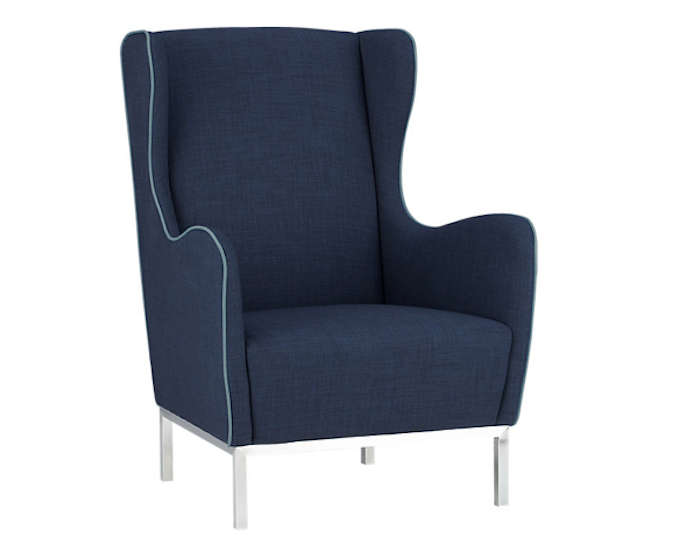
A study wingback chair is not just a chair with a tall back and dramatic side panels. It is the furniture equivalent of a wise professor in a tweed jacket: refined, supportive, slightly serious, and secretly very comfortable. For anyone building a home study, reading corner, office nook, bedroom workstation, or quiet library-inspired space, a wingback chair can bring together comfort, posture support, visual character, and that delightful feeling of “I have my life together,” even if there are three unread emails and a coffee cup hiding behind your laptop.
The classic wingback chair has been around for centuries, originally designed with a high back and “wings” that helped shield the sitter from drafts and fireplace heat. Today, the same shape works beautifully in study spaces because it creates a cozy, semi-enclosed feeling. The tall back supports the upper body, the arms give a natural resting place, and the winged sides help make the chair feel private and focused. In a world full of open tabs, loud notifications, and chairs that look like gym equipment wandered into the office, the study wingback chair offers something rare: comfort with character.
What Is a Study Wingback Chair?
A study wingback chair is a wingback-style armchair chosen specifically for reading, writing, working, thinking, or quietly pretending to work while actually researching vacation cabins. It usually has a high back, upholstered seat, supportive arms, and side wings extending from the backrest. Unlike a standard office chair, it is not always full of adjustable levers, mesh panels, or rolling wheels. Instead, it leans into comfort, style, and atmosphere.
That does not mean a study wingback chair should be chosen only for looks. A good one needs the right seat height, cushion firmness, arm position, upholstery, and scale for the room. The best study wingback chair feels supportive enough for reading or laptop work, but inviting enough for long thinking sessions. It should say, “Sit down and focus,” not “Good luck getting out of me without a forklift.”
Why Wingback Chairs Work So Well in Study Spaces
They Create a Sense of Focus
The wingback silhouette naturally frames the body. Those side wings are not just decorative drama; they create a subtle cocoon effect that makes the chair feel separated from the rest of the room. In a study, that matters. A chair that visually says “this is the reading zone” can help define a corner, especially in open living areas, bedrooms, or multipurpose home offices.
They Add Instant Style
A study space can easily become a sad little arrangement of desk, lamp, and tangled charging cable. Add a wingback chair, and suddenly the room has intention. Traditional leather wingbacks can make a study feel like an old-world library. Linen or boucle versions soften the look. Velvet adds polish and personality. Modern wingback chairs with slim arms and tapered legs can fit beautifully in contemporary apartments.
They Support Reading Posture
For reading, a high back can be a blessing. It gives the shoulders and upper back a surface to rest against, while the arms help support elbows and books. If the seat is not too deep and the cushion is not too soft, a wingback chair can keep you upright enough to stay engaged. Too much sinking, and suddenly Chapter Two becomes Nap One.
How to Choose the Best Study Wingback Chair
Start With Seat Height
Seat height is one of the most important details. For study use, your feet should rest flat on the floor or on a footrest, with knees roughly level with or slightly below the hips. Many accent chairs sit lower than desk chairs, so always check the measurements before buying. A gorgeous chair that leaves your knees near your chin may look charming, but it will not help your focus.
Check Seat Depth
Seat depth determines whether you can sit back comfortably without pressure behind the knees. A deep wingback chair is wonderful for lounging, but it may not be ideal for study work unless you add a lumbar pillow. If you are shorter, look for a shallower seat. If you are taller, a deeper seat may feel more natural. The goal is simple: your back should meet the backrest without forcing your legs into awkward negotiations.
Look for Supportive Cushioning
The perfect study wingback chair sits between plush and firm. A very soft cushion feels luxurious at first, but it may encourage slouching over time. A very firm cushion can feel elegant for about ten minutes, after which your body may file a formal complaint. Fiber-wrapped foam, high-resiliency foam, sinuous spring support, and coil support are common construction details that can improve long-term comfort.
Consider Arm Height
If you plan to use the chair with a desk, writing table, or laptop tray, arm height matters. Arms that are too high may not slide under the desk. Arms that are too low may not support your elbows. For reading, medium-height arms are usually comfortable. For writing or laptop work, measure the chair against your desk height before committing.
Best Materials for a Study Wingback Chair
Leather
Leather is a classic choice for a study wingback chair. It looks mature, develops character over time, and pairs beautifully with wood desks, brass lamps, dark bookshelves, and moody paint colors. Top-grain and full-grain leather tend to be more durable and premium than cheaper bonded options. Leather can feel cool at first and may require conditioning, but it ages with personality. A leather wingback chair is ideal for traditional studies, executive offices, and anyone who wants their reading corner to whisper, “I understand compound interest.”
Performance Fabric
Performance fabrics are excellent for everyday use. They are often designed to resist stains, wear, and fading better than delicate materials. If your study chair will share space with coffee, pets, children, snacks, or all four at once, performance upholstery is a smart choice. It gives you the cozy look of fabric without turning every spill into a household tragedy.
Velvet
Velvet adds richness and softness. A velvet study wingback chair in navy, forest green, rust, charcoal, or cream can become the centerpiece of the room. It is best for people who want their study space to feel warm, stylish, and a little dramatic. The downside? Velvet can show marks, pet hair, and wear depending on the quality. Still, when it works, it works beautifully.
Linen and Linen Blends
Linen and linen-blend wingback chairs feel relaxed and airy. They suit coastal, farmhouse, transitional, and modern organic interiors. A natural linen chair beside a light oak desk and a ceramic lamp can make a study feel calm without looking boring. Linen may wrinkle or stain more easily than performance fabric, so choose carefully if the chair will see heavy daily use.
Study Wingback Chair Styles
Traditional Tufted Wingback
This is the grandparent of the category, and frankly, it still knows how to make an entrance. A traditional tufted wingback chair often includes rolled arms, nailhead trim, turned legs, and button-tufted upholstery. It is perfect for classic studies, formal living rooms, and home libraries.
Modern Wingback Chair
Modern wingback chairs keep the high back and side wings but simplify the shape. They may feature slim arms, clean lines, angled legs, and neutral fabric. This style works well in apartments, minimalist rooms, and contemporary offices where a bulky traditional chair would feel too heavy.
Wingback Recliner
A wingback recliner is a clever hybrid. It gives you the classic look of a wing chair with the comfort of a reclining mechanism. For study spaces, this can be excellent if the chair is used mostly for reading or reflection. For desk work, however, a recliner may encourage too much lounging. Use wisely, unless your productivity strategy is “horizontal brainstorming.”
Wingback Chair With Ottoman
A matching ottoman turns a study wingback chair into a true reading destination. It supports the legs, makes long reading sessions more comfortable, and visually completes the corner. Add a floor lamp and side table, and you have a study nook that may become more popular than the sofa.
Where to Place a Study Wingback Chair
Beside a Desk
A wingback chair can work beside a writing desk if the proportions are right. Choose a chair with arms low enough to fit comfortably near the work surface. This setup is best for journaling, reading documents, or casual laptop use rather than full-time typing.
In a Reading Corner
This is where the wingback chair shines. Place it near a window, add a floor lamp, include a small side table, and keep a throw blanket nearby. The result is a study corner that feels personal and useful. It also gives lonely corners a job, which is more than can be said for that one decorative basket full of mystery cords.
Near Bookshelves
A wingback chair next to bookshelves creates an instant library effect. Even if your shelves include cookbooks, old textbooks, and one suspiciously large collection of takeout menus, the chair pulls the look together. Choose leather or dark fabric for a classic library mood, or a light fabric for a softer modern feel.
In a Bedroom Study Area
If your bedroom doubles as a study, a wingback chair can provide a comfortable place to read without working from bed. This matters because beds are excellent for sleep and terrible at convincing your brain that spreadsheets are exciting. A dedicated chair helps separate rest from focus.
How to Style a Study Wingback Chair
Start with lighting. A study chair needs a good reading lamp, ideally positioned over the shoulder or slightly to the side to reduce glare. Add a small table for books, tea, glasses, or a notebook. A lumbar pillow can improve support and introduce color. A throw blanket adds warmth and texture, but avoid piling on so many accessories that the chair becomes a decorative laundry mountain.
For color, match the chair to the mood you want. Brown leather feels scholarly and timeless. Cream fabric feels calm and clean. Green velvet feels literary and moody. Gray or charcoal works in modern spaces. Patterned upholstery can be wonderful, but keep surrounding decor quieter so the chair does not compete with every object in the room.
Ergonomic Tips for Using a Study Wingback Chair
A wingback chair can be comfortable, but it is not automatically ergonomic. To use it well, sit back fully so your spine is supported. Add a small lumbar pillow if there is a gap behind your lower back. Keep your feet flat on the floor or use a footrest. If you use a laptop, raise the screen when possible and use a separate keyboard and mouse for longer sessions. Take movement breaks every 30 to 60 minutes. Your chair may be elegant, but your body still prefers circulation over statue cosplay.
If you study for long hours, alternate between your wingback chair and a more adjustable office chair. The wingback chair is excellent for reading, reviewing notes, planning, and creative thinking. For heavy typing, coding, or long video meetings, an ergonomic desk chair may be more practical. The smartest setup is not choosing one chair for everything; it is matching the chair to the task.
Common Mistakes to Avoid
Choosing Looks Over Measurements
A chair can look perfect online and feel completely wrong in person. Always check seat height, width, depth, back height, and arm height. If possible, test the chair before buying or review the return policy carefully.
Buying a Chair That Is Too Large
Wingback chairs have presence. In a small study, an oversized chair can dominate the room and make movement awkward. Leave enough space around it for a table, lamp, and comfortable walking path.
Ignoring Fabric Maintenance
A white linen chair looks heavenly until coffee enters the plot. Choose upholstery based on real life, not fantasy life. If the chair will be used daily, performance fabric, darker colors, leather, or textured weaves may be more forgiving.
Using It for the Wrong Task
A study wingback chair is wonderful for reading and reflection. It may not be ideal for eight hours of spreadsheet work. Use it where it performs best: quiet study, deep reading, note review, journaling, or relaxed laptop browsing.
Is a Study Wingback Chair Worth It?
Yes, if you want a chair that blends comfort, atmosphere, and long-term style. A study wingback chair is especially worth it for people who read often, work from home part-time, enjoy traditional or transitional interiors, or want to create a defined study corner without building an entire office. It offers more personality than many standard task chairs and more structure than many lounge chairs.
The key is choosing the right version. For daily study, prioritize supportive cushioning, suitable seat depth, durable upholstery, and good proportions. For occasional reading, you can focus more on style and softness. For a small room, choose a cleaner modern wingback. For a formal study, leather or tufted upholstery will feel right at home.
Personal Experience: Living With a Study Wingback Chair
A study wingback chair changes how a room behaves. Before adding one, a study corner can feel like leftover space. After adding one, it becomes a destination. The chair gives the room a center of gravity. You walk past it and think, “I should read there.” Sometimes you actually do. Sometimes you just admire it while carrying laundry. Progress is progress.
The first thing you notice is the sense of enclosure. A regular chair leaves you open to the whole room, but a wingback chair gently frames your attention. The high back and side wings make reading feel more focused. It is not the same as closing a door, but it has a similar psychological effect. When placed near a lamp and bookshelf, it becomes a small private zone, even in a shared home.
Comfort depends heavily on the cushion. A medium-firm study wingback chair tends to work best. A very soft chair feels amazing for five minutes, then slowly turns your posture into a question mark. A firmer seat keeps you alert while still feeling comfortable. Adding a lumbar pillow can make a big difference, especially if the chair has a deep seat. A small rectangular pillow behind the lower back can turn a pretty accent chair into a chair you actually use.
The upholstery also affects the experience. Leather feels cool and structured at first, then warms with use. It is easy to wipe clean and looks better as it ages, especially in a study with wood furniture. Fabric feels softer from the beginning and can make the space feel more relaxed. Velvet is beautiful and cozy, but it asks for a little more care. Performance fabric is the practical hero, the one that quietly saves the day when coffee, pets, or snack crumbs arrive uninvited.
Placement matters more than expected. A wingback chair tucked into a dark corner may look handsome but go unused. Put it near natural light, add a proper reading lamp, and suddenly it becomes the best seat in the house. A side table is essential. Without one, books land on the floor, mugs balance dangerously on chair arms, and your phone disappears into cushion geography. With a table, the chair becomes functional.
One unexpected benefit is how professional a study wingback chair makes video-call backgrounds look. Even when the chair is not used during calls, it adds polish behind a desk. It says “thoughtful home office,” not “temporary laptop zone next to a laundry rack.” In smaller homes, that visual upgrade can be surprisingly valuable.
The main limitation is task work. A wingback chair is not always the best choice for intense typing sessions. If the seat is low or the arms are high, using it at a desk can become awkward. For long computer work, an adjustable office chair still wins. But for reading, reviewing printed notes, brainstorming, journaling, or relaxing between focused work sessions, the study wingback chair is hard to beat.
Over time, the best study wingback chair becomes part of your routine. Morning coffee, evening reading, weekend planning, quiet phone calls, or ten minutes of doing absolutely nothing all feel better in a chair designed for comfort and presence. It may not magically make you more disciplined, but it does make discipline look much more stylish. And honestly, some days that is the motivational boost we need.
Conclusion
A study wingback chair is one of the most charming ways to make a study space feel useful, comfortable, and visually complete. Its tall back, supportive arms, and signature wings create a sense of privacy and focus, while its upholstery options allow it to fit nearly any interior style. Whether you choose leather for a classic library mood, performance fabric for daily durability, velvet for drama, or linen for quiet elegance, the right wingback chair can turn an unused corner into your favorite thinking spot.
For the best results, choose with both beauty and function in mind. Measure carefully, test the cushion if possible, consider your real study habits, and style the chair with good lighting and a side table. A study wingback chair should not merely look impressive; it should invite you to sit down, open a book, organize your thoughts, and stay awhile. That is the real magic of this timeless chair: it makes focus feel comfortable.