
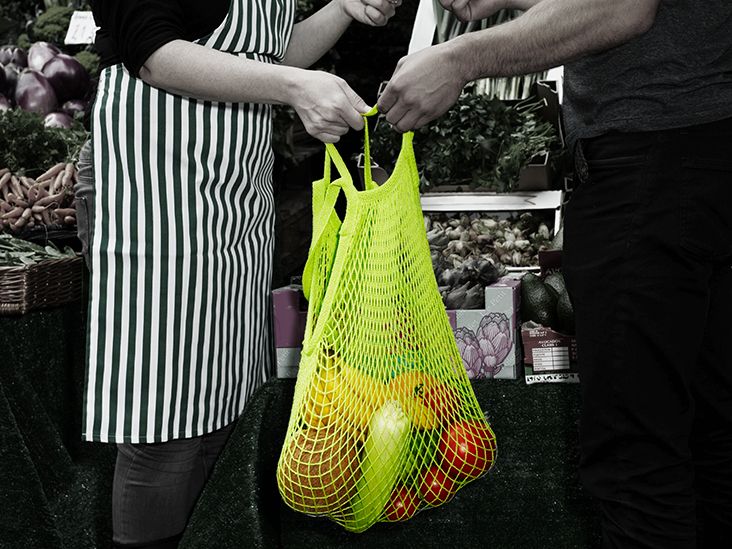
A sustainable diet sounds like something invented by a committee of nutritionists, climate scientists, and that one friend who brings reusable containers to every restaurant. But at its heart, the idea is refreshingly simple: eat in a way that supports your health, respects the planet, reduces waste, and still lets dinner taste like dinnernot punishment in a bowl.
A sustainable diet is not a single strict menu. It is not automatically vegan, gluten-free, raw, expensive, or built entirely from mysterious grains that look like birdseed. Instead, it is a flexible eating pattern that emphasizes nutrient-dense foods, especially plants, while reducing the environmental pressure created by food production, packaging, transportation, and waste. Think more beans, vegetables, fruits, whole grains, nuts, seeds, and thoughtfully chosen proteins; fewer ultra-processed foods, oversized portions of red and processed meat, sugary drinks, and meals that end up forgotten in the back of the fridge until they become a science project.
The best part? A sustainable diet can be practical. It can fit a busy family kitchen, a college budget, a meal-prep routine, or a person who simply wants to eat better without turning every grocery trip into a moral philosophy exam. This guide breaks down the facts, nutrition basics, benefits, common mistakes, and real-life strategies for building a sustainable diet that is healthy, realistic, and surprisingly delicious.
What Is a Sustainable Diet?
A sustainable diet is an eating pattern designed to promote human health while lowering harm to the environment. It considers more than calories and protein. It also looks at how food is grown, how much land and water it uses, how many greenhouse gases it produces, whether it supports biodiversity, and whether people can access it affordably and culturally.
In plain English, a sustainable diet asks two big questions: “Is this good for my body?” and “Is this food system something the planet can keep doing?” The answer does not have to be perfect. Perfection is where good intentions go to wear uncomfortable shoes. The real goal is progress: more balanced meals, less waste, smarter protein choices, and a pattern you can actually maintain.
Key Facts About Sustainable Eating
1. Plant-forward does not always mean plant-only
Most sustainable diet models are plant-forward, meaning vegetables, fruits, legumes, whole grains, nuts, and seeds take center stage. However, plant-forward does not have to mean removing every animal food. Many people include moderate amounts of dairy, eggs, seafood, poultry, or meat while still lowering their environmental footprint. The main shift is proportion: plants become the foundation, while animal products become smaller, more intentional parts of the meal.
2. Food waste matters more than many people think
A sustainable diet is not only about what you buy; it is also about what you use. Food that is grown, transported, refrigerated, purchased, and then thrown away wastes money, labor, water, land, and energy. When food waste ends up in landfills, it can produce methane, a powerful greenhouse gas. That means eating leftovers is not just “being frugal.” It is basically climate action with yesterday’s soup.
3. Nutrition still comes first
A sustainable diet should nourish the body. A bag of potato chips may be plant-based, but it is not exactly the nutritional hero of the century. The healthiest sustainable diets focus on whole and minimally processed foods: beans, lentils, oats, brown rice, leafy greens, berries, apples, carrots, sweet potatoes, nuts, seeds, olive oil, fermented foods, and balanced protein sources.
4. Local food is helpful, but not the whole story
Buying local can support nearby farmers and reduce some transportation impacts, especially for fresh seasonal foods. But transportation is only one part of a food’s footprint. Production methods, land use, fertilizer, water needs, packaging, and food waste also matter. A practical rule: buy seasonal and local when it makes sense, but do not panic if your bananas have a passport.
Nutrition Benefits of a Sustainable Diet
A well-planned sustainable diet can support heart health, digestion, weight management, blood sugar balance, and long-term wellness. The reason is simple: many sustainable food choices overlap with mainstream nutrition recommendations. Vegetables and fruits provide vitamins, minerals, fiber, and antioxidants. Whole grains bring complex carbohydrates and additional fiber. Legumes offer plant protein, iron, magnesium, potassium, and slow-digesting carbs. Nuts and seeds contribute healthy fats, protein, and minerals.
Fiber deserves special applause. It supports digestive health, helps you feel full, and is commonly found in the exact foods sustainable diets encourage: beans, peas, lentils, oats, barley, berries, vegetables, seeds, and whole grains. If your current diet is low in fiber, increase it gradually and drink enough water. Otherwise, your digestive system may file a strongly worded complaint.
Protein: Yes, You Can Get Enough
One common myth is that sustainable eating means protein becomes impossible. In reality, protein can come from many sources. Beans, lentils, chickpeas, tofu, tempeh, edamame, nuts, seeds, whole grains, eggs, dairy, seafood, poultry, and lean meats can all fit depending on your dietary pattern.
For a more sustainable plate, try replacing some meat-based meals with legume-based meals. For example, swap beef chili for lentil chili, make tacos with black beans and roasted vegetables, or add chickpeas to pasta instead of relying on sausage. These changes can reduce saturated fat and environmental impact while keeping meals filling.
Important Nutrients to Watch
A sustainable diet can be nutritionally complete, but some nutrients deserve attention, especially if you eat mostly or entirely plant-based.
- Vitamin B12: Found naturally in animal foods and added to some fortified foods. Vegans and some vegetarians may need fortified foods or supplements.
- Vitamin D: Found in fatty fish, egg yolks, fortified dairy, fortified plant milks, and some mushrooms exposed to UV light.
- Calcium: Available from dairy, fortified plant milks, tofu made with calcium, leafy greens, almonds, and certain fish with edible bones.
- Iron: Found in lentils, beans, tofu, spinach, pumpkin seeds, fortified cereals, poultry, seafood, and meat. Pairing plant iron with vitamin C-rich foods helps absorption.
- Omega-3 fats: Found in fatty fish, walnuts, chia seeds, flaxseeds, hemp seeds, and algae-based options.
- Iodine: Often supplied by iodized salt, seafood, dairy, and some sea vegetables, though seaweed levels vary widely.
The lesson is not “panic and buy seventeen supplements.” The lesson is to plan. A sustainable diet works best when it is thoughtful, varied, and built around real nutritional needs.
What Does a Sustainable Plate Look Like?
A simple sustainable plate can look like this: half vegetables and fruits, one-quarter whole grains or starchy vegetables, and one-quarter protein, with a small amount of healthy fat. That could mean a bowl with brown rice, roasted broccoli, carrots, chickpeas, avocado, and tahini dressing. It could be whole-grain pasta with tomato sauce, white beans, spinach, and a sprinkle of parmesan. It could be salmon with quinoa and asparagus. It could even be a peanut butter banana oatmeal breakfast that quietly does more good than it gets credit for.
Easy Sustainable Meal Examples
- Breakfast: Oatmeal with berries, walnuts, cinnamon, and fortified soy milk.
- Lunch: Lentil soup with whole-grain toast and a side salad.
- Dinner: Vegetable stir-fry with tofu, brown rice, and sesame ginger sauce.
- Snack: Apple slices with peanut butter or hummus with carrots.
- Flexible meal: Fish tacos with cabbage slaw, beans, salsa, and corn tortillas.
Sustainable Diet and the Environment
Food production affects the environment through greenhouse gas emissions, land use, water use, fertilizer runoff, packaging, transportation, and biodiversity loss. Animal foods, especially red meat from ruminant animals, generally require more land and produce more emissions than most plant foods. This does not mean everyone must eliminate meat overnight. It does mean that reducing portion sizes, choosing meat less often, and replacing some meals with legumes can make a meaningful difference.
Another powerful strategy is reducing waste. Plan meals before shopping, store food properly, freeze extras, use leftovers creatively, and learn the difference between “best by” dates and actual spoilage. A slightly tired carrot can still become soup. A brown banana is practically begging to become banana bread. The planet appreciates both.
How to Start a Sustainable Diet Without Feeling Overwhelmed
Start with one meal
Choose one meal per day or one day per week to make more sustainable. Meatless Monday is popular because alliteration makes habits feel official. Try bean burritos, lentil pasta, tofu bowls, vegetable curry, or chickpea salad sandwiches.
Use the “add before subtract” method
Instead of obsessing over what to remove, add more nutritious foods first. Add a vegetable to lunch. Add beans to soup. Add fruit to breakfast. Add nuts or seeds to salads. Over time, these additions naturally crowd out less nutritious options.
Buy versatile staples
Keep affordable sustainable staples on hand: oats, brown rice, whole-wheat pasta, lentils, canned beans, frozen vegetables, canned tomatoes, peanut butter, eggs, tofu, onions, potatoes, apples, and seasonal produce. Frozen vegetables are especially underrated. They are convenient, reduce spoilage, and do not judge you for forgetting about them for two weeks.
Choose better animal products when possible
If you eat animal foods, choose smaller portions and prioritize quality. Seafood can be part of a sustainable diet when it comes from responsibly managed fisheries or farms. Eggs, yogurt, poultry, and dairy can also fit in moderation. For red and processed meat, many health and sustainability recommendations suggest eating less and choosing smaller portions when included.
Cook once, eat twice
Batch cooking is sustainability’s quiet superhero. Cook a pot of lentils, roast a tray of vegetables, or prepare a grain bowl base. Use it in different ways during the week: salad, wrap, soup, pasta, or stir-fry. This saves time, reduces takeout packaging, and protects your wallet from the “I’m too tired, let’s order something” trap.
Common Myths About Sustainable Diets
Myth: Sustainable eating is too expensive
It can be expensive if your cart is full of specialty snacks, imported superfoods, and tiny jars with heroic price tags. But many sustainable foods are budget-friendly: beans, lentils, oats, rice, potatoes, cabbage, carrots, bananas, peanut butter, frozen vegetables, and seasonal produce. A sustainable diet can actually lower costs when it reduces meat portions, restaurant meals, and food waste.
Myth: You must become vegan
Vegan diets can be sustainable and healthy when well planned, but they are not the only option. Flexitarian, Mediterranean-style, vegetarian, pescatarian, and plant-forward omnivore diets can also support sustainability. The best diet is one that improves your health, lowers your footprint, respects your culture, and does not make you miserable by Thursday.
Myth: Processed plant foods are always healthy
Some plant-based products are useful, especially fortified foods and convenient protein options. But a plant-based label does not automatically equal nutritious. Highly processed snacks, sugary drinks, refined grains, and high-sodium frozen meals can still be low-quality choices. Focus on the overall pattern, not marketing magic words.
Experience-Based Tips: Making Sustainable Eating Work in Real Life
The most useful sustainable diet lessons often come from ordinary kitchens, not perfect Instagram meal-prep photos where every container lines up like a tiny edible army. In real life, people are busy, budgets matter, cravings exist, and sometimes dinner is assembled while standing in front of the fridge wearing one sock. Sustainable eating has to survive that reality.
One practical experience is learning to build meals around what you already have. Before shopping, check the pantry, freezer, and fridge. A can of chickpeas, half a bag of spinach, leftover rice, and a few eggs can become fried rice, a grain bowl, soup, or a quick skillet meal. This habit reduces waste and turns cooking into a small puzzle instead of a daily emergency.
Another helpful experience is keeping “rescue recipes” ready. These are meals designed for ingredients close to retirement. Soft tomatoes become sauce. Wilting greens go into soup or omelets. Stale bread becomes croutons. Overripe fruit becomes smoothies, muffins, or oatmeal topping. Once you start seeing leftovers as ingredients, the trash can gets less action and your grocery bill stops acting like it has a luxury lifestyle.
People also tend to stick with sustainable eating when they focus on flavor. A bowl of plain lentils may be healthy, but it is not exactly sending fireworks through the dining room. Add garlic, cumin, smoked paprika, lemon, herbs, salsa, curry paste, tahini, chili crisp, or a good vinaigrette. Sustainable meals should taste alive. Flavor is not a bonus; it is the reason the habit lasts.
It also helps to create a weekly rhythm. For example, make Monday a bean-based dinner, Tuesday a grain bowl, Wednesday a pasta with vegetables, Thursday a leftover remix, Friday a seafood or flexible protein meal, and the weekend a bigger batch-cooking day. This structure keeps decisions simple without making meals boring. You are not trapped in a diet; you are giving your future self fewer reasons to panic at 6:30 p.m.
Finally, the most sustainable diet is not the one you follow perfectly for three days. It is the one you can repeat for months and years. Maybe you start by eating lentils twice a week. Maybe you switch to oatmeal breakfasts. Maybe you cut food waste by planning three dinners instead of seven. Maybe you choose smaller meat portions and double the vegetables. These small actions compound. They are not flashy, but neither is brushing your teeth, and that seems to be working out pretty well.
Conclusion
A sustainable diet is not about guilt, restriction, or turning your kitchen into a laboratory for moral perfection. It is about building a smarter relationship with food. The core formula is simple: eat more whole and minimally processed plant foods, choose proteins thoughtfully, reduce food waste, plan for key nutrients, and make meals enjoyable enough to repeat.
When done well, sustainable eating supports personal health and planetary health at the same time. It can be affordable, flexible, culturally adaptable, and genuinely satisfying. Start small, keep flavor high, and remember that every better meal counts. The planet does not need one person eating perfectly. It needs millions of people eating a little more wisely, one delicious plate at a time.
Note: This article is for general educational publishing purposes and should not replace personalized advice from a registered dietitian, physician, or qualified health professional.













