
Note: This article is written as publication-ready HTML content and synthesizes current ideas from reputable U.S. home, entertaining, craft, tabletop, retail, and practical safety sources without adding source links into the article body.
A Simple Tabletop Update That Works Harder Than It Looks
A kraft paper table runner may not sound like the diva of tabletop decor. It does not sparkle, demand dry cleaning, or arrive in a velvet box whispering, “I cost more than your grocery bill.” And yet, this humble brown paper roll has quietly become one of the smartest, easiest, and most charming ways to update a dining table, party table, buffet, dessert station, kids’ table, craft table, or casual weekend brunch setup.
The appeal is wonderfully simple: kraft paper looks relaxed, warm, and intentional. It can lean rustic, modern, farmhouse, minimalist, wedding-worthy, classroom-cute, or “I pulled this together in 20 minutes and somehow look like a lifestyle editor.” A paper table runner gives the table a visual center line, protects the surface from crumbs and light messes, creates space for names, menus, doodles, labels, and messages, and makes cleanup almost suspiciously easy.
This kraft paper table runner update is not about throwing brown paper on the table and hoping your guests mistake it for a design decision. It is about making a small tabletop change that adds texture, personality, and function. Whether you are hosting Thanksgiving, a birthday dinner, a bridal shower, a backyard barbecue, a craft night, or a Tuesday pasta situation that accidentally becomes a group meal, a kraft paper runner can make the whole table feel finished without making you feel financially attacked.
Why Kraft Paper Table Runners Are Having a Moment
The best tabletop ideas usually solve more than one problem. A kraft paper runner does exactly that. It adds style, gives guests something interactive, helps organize serving areas, and can be replaced without guilt after a messy meal. Unlike a formal linen runner, it does not require laundering, ironing, stain-treating, or staring at a wine spill with the emotional intensity of a courtroom drama.
Brown kraft paper also brings a natural, neutral texture that pairs well with almost anything. White plates look crisp against it. Black flatware looks modern. Brass candlesticks look warm. Greenery looks fresh. Colorful napkins pop. Even mismatched dishes appear more deliberate when they sit on a simple paper foundation. That is the magic of neutral materials: they convince chaos to behave.
Another reason kraft paper works so well is flexibility. You can run it lengthwise down a rectangular table, cut short sections across the table as shared placemats, cover a buffet surface, line a kids’ activity table, or use it as a label strip for cheese boards, cookie bars, taco stations, and build-your-own sandwich spreads. If there is food and a surface, kraft paper is probably somewhere nearby, rolling up its sleeves.
Choosing the Right Kraft Paper for a Table Runner
Not all paper rolls are the same. For a tabletop runner, choose a kraft paper roll that feels sturdy enough to stay flat and resist tearing. Thin paper may curl, wrinkle, and shift around every time someone reaches for the bread basket. Heavyweight kraft paper, butcher-style paper, or dedicated paper table runners usually perform better for entertaining.
Width Matters
A good table runner should usually cover the center portion of the table without swallowing the place settings. For many dining tables, a runner between 15 and 24 inches wide works well. Narrower runners feel clean and modern, while wider paper can double as placemat space. If your roll is too wide, fold it lengthwise and crease the edge for a layered look, or trim it with scissors or a rotary cutter.
Length Matters Too
For a traditional runner, let the paper extend near the ends of the table or hang slightly over each side. For casual meals, it is perfectly fine to cut the paper shorter and keep it centered under flowers, candles, serving boards, or seasonal decor. If you are styling a buffet or dessert table, run the paper from end to end and label dishes directly on the surface.
Food-Safe Considerations
If food will touch the paper directly, use paper specifically labeled as food-safe. Plain craft paper from a general craft aisle is great for decor, place cards, doodles, and table protection, but it may not be intended for direct contact with oily, wet, or hot foods. For charcuterie boards, pastries, cookies, or sandwiches placed directly on paper, choose food-grade butcher paper, parchment, or another food-safe liner. Your table can be cute without turning into a mystery chemistry experiment.
The Updated Look: Less “School Project,” More Styled Table
The old version of a kraft paper table runner was often just a roll of brown paper and maybe a marker. That still works, especially for a kids’ table or casual family night. But the updated version feels more layered, more polished, and more intentional. Think of kraft paper as the base layer, not the whole outfit. It is the jeans. Now add the jacket, shoes, and one accessory that says, “Yes, I know what I’m doing.”
Layer It Over a Tablecloth
Place kraft paper over a white, cream, black, or striped tablecloth for instant contrast. The paper adds texture and breaks up the formality of fabric. A white tablecloth underneath creates a clean farmhouse look. A dark tablecloth feels moody and modern. A checked cloth gives picnic energy without the ants trying to RSVP.
Add a Narrow Fabric Runner on Top
One of the easiest updates is to lay a narrow linen, cotton, burlap, or gauze runner over the kraft paper. This creates depth and makes the paper look like part of a designed tablescape instead of emergency wrapping material. Use soft linen for brunch, burlap for rustic gatherings, gauze for weddings and showers, or velvet ribbon for holiday dinners.
Try Painted Edges
For a quick DIY table runner update, paint a simple border along each edge. White paint gives a fresh modern look. Black paint creates a bistro-style runner. Metallic gold or copper adds holiday warmth. Use a sponge brush, stencil brush, or even irregular brush strokes for a handmade finish. The goal is charm, not museum-level symmetry. If one line wiggles, call it organic.
Use Stamps for a Custom Pattern
Rubber stamps are perfect for kraft paper. Try stars for birthdays, leaves for fall, tiny hearts for Valentine’s Day, initials for weddings, lemons for summer lunches, or small forks and spoons for dinner parties. Stamp lightly and leave space between motifs so the design feels airy. Too many stamps can turn the table into an overexcited scrapbook page.
Creative Kraft Paper Table Runner Ideas
The beauty of kraft paper is that it invites participation. You can keep it clean and minimal, or make it part of the event. Here are some practical, stylish ways to use it.
1. Write Guest Names Directly on the Runner
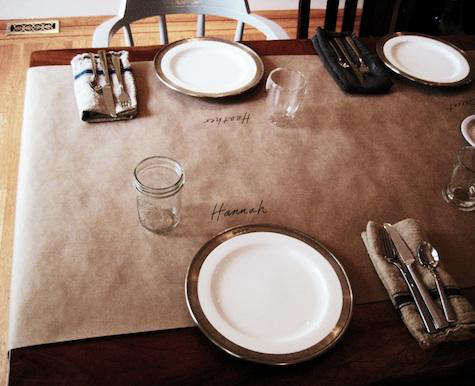
Skip place cards and write each guest’s name above their plate. Use white paint pen for a modern look, black marker for casual style, or metallic marker for holidays. Add a small sprig of rosemary, a cinnamon stick, or a tiny flower beside each name to make the setting feel special.
2. Create a Menu Down the Center
Write the evening’s menu directly on the paper runner. This works especially well for family-style meals, wine nights, brunch boards, and casual dinner parties. A handwritten menu adds personality and helps guests know what they are eating before they ask, “Is this spicy?” while already sweating bravely.
3. Label a Buffet or Charcuterie Spread
For a buffet table, kraft paper becomes a built-in labeling system. Write “cheddar,” “goat cheese,” “gluten-free crackers,” “spicy salsa,” “vegan dip,” or “do not trust this jalapeño” beside each dish. It is useful, attractive, and saves you from repeating the same explanation 37 times.
4. Make a Kids’ Table That Actually Entertains Kids
Cover the kids’ table with kraft paper and place cups of crayons or washable markers in the center. Draw simple frames, tic-tac-toe boards, word prompts, or blank “design your own plate” circles before guests arrive. The children get an activity, the table gets protected, and the adults get seven peaceful minutes. Maybe nine, if the markers are new.
5. Add Seasonal Greenery
Kraft paper loves greenery. Eucalyptus, rosemary, pine, olive branches, magnolia leaves, or simple grocery-store herbs look beautiful against brown paper. Keep arrangements low so guests can see each other across the table. A centerpiece should not require people to lean around it like they are trying to make eye contact through a jungle.
6. Use Candles Carefully
Candles add warmth, but remember that paper and open flames are not best friends. Use enclosed candle holders, hurricanes, LED candles, or place real candles on trays or plates. Keep flames away from paper edges, greenery, napkins, and anything else that might decide to become dramatic.
7. Turn It Into a Gratitude Runner
For Thanksgiving, Friendsgiving, birthdays, anniversaries, or family reunions, invite guests to write messages on the runner. Ask everyone to share something they are thankful for, a memory, a toast, or advice for the guest of honor. After dinner, cut out the best messages and save them in a scrapbook or memory box.
Tabletop Styling Formula: Kraft Paper + Three Layers
If you want a kraft paper table runner to look designed, use a simple three-layer formula: base, texture, and detail.
Layer One: The Base
The base is the kraft paper itself. Smooth it down the table, secure the underside with painter’s tape if needed, and trim clean edges. If the paper curls, roll it in the opposite direction for a minute before placing it on the table.
Layer Two: The Texture
Add texture with greenery, a fabric strip, woven chargers, wood boards, ceramic dishes, or linen napkins. This keeps the table from looking flat. Kraft paper is matte and earthy, so it pairs beautifully with natural materials.
Layer Three: The Detail
Finish with small details: handwritten names, stamped motifs, ribbon, twine, mini pumpkins, citrus, shells, ornaments, herbs, or flowers. Choose one or two detail ideas, not all of them. A tabletop should feel festive, not like a craft store sneezed.
Best Occasions for a Kraft Paper Table Runner
A kraft paper runner is useful all year, but it shines especially when the mood is relaxed, creative, or slightly messy.
Casual Dinner Parties
For pasta night, chili night, taco night, or pizza night, kraft paper adds instant style without making the evening feel stiff. Write the menu down the center, add low candles in glass holders, and use cloth napkins to elevate the look.
Holiday Tables
For Thanksgiving, Christmas, Easter, Halloween, or New Year’s gatherings, kraft paper can shift with the season. Add pine and cranberries in winter, tulips and pastel napkins in spring, mini pumpkins in fall, or metallic accents for New Year’s Eve.
Birthdays and Showers
Stamp the paper with the guest of honor’s name, age, initials, or favorite shape. For baby showers, add soft ribbon and tiny doodles. For bridal showers, use white marker, greenery, and bud vases. For milestone birthdays, write memories along the runner and let guests add more.
Outdoor Entertaining
Paper runners are perfect for picnic tables, backyard dinners, barbecue stations, and garden parties. Use clips, tape, or heavier decor to keep the paper from lifting in the breeze. Wind has no respect for tablescapes.
Craft Nights and Workshops
If your event involves paint, glue, flowers, food, or children, kraft paper is both decor and protection. Cover the table, label supplies, and roll it up when the creative storm has passed.
Common Mistakes to Avoid
Kraft paper is forgiving, but a few mistakes can make it look sloppy instead of stylish.
Using Paper That Is Too Thin
Thin paper wrinkles quickly and may tear under plates or serving dishes. Choose a stronger roll for dining and entertaining.
Forgetting About Moisture
Kraft paper can absorb spills. Use coasters, trivets, trays, and plates under wet glasses, flower vases, sauces, and oily foods. If you are protecting a wood table, do not let damp paper sit on the surface after the meal.
Overcrowding the Center
The runner should support the tablescape, not become a landing strip for every decorative item in the house. Leave room for plates, elbows, serving dishes, and actual eating. Guests appreciate beauty, but they appreciate butter access more.
Ignoring Table Shape
Long rectangular tables look great with a continuous runner. Round tables may look better with shorter strips crossed through the center or a wide circular paper base trimmed to fit. For square tables, try two runners crossing in the middle.
How to Make the Runner Look More Expensive
The secret to making kraft paper look elevated is contrast. Pair inexpensive paper with items that have weight, shine, softness, or organic shape.
Use ceramic plates instead of disposable plates when possible. Add cloth napkins, even if they are simple cotton. Choose glassware with clean lines. Place food on wood boards, marble slabs, or white platters. Add a few real flowers or fresh herbs. Mix matte paper with shiny flatware, textured linens, or glowing candlelight. The paper becomes the calm background that lets everything else look better.
For a modern look, use black ink, white plates, clear glasses, and simple greenery. For a rustic look, add twine, wood chargers, wildflowers, and amber glass. For a holiday look, bring in metallic markers, ornaments, ribbon, and evergreen sprigs. For a kids’ party, use bright markers, stickers, and playful stamped shapes.
Cleanup, Reuse, and Sustainability Tips
One reason people love paper table runners is easy cleanup. After the meal, remove dishes and decor, shake off crumbs, cut away clean sections for reuse, and recycle the paper if it is accepted locally and not heavily contaminated with food, wax, paint, glitter, or grease. If the runner is covered in sauce, candle wax, or mystery dip, it belongs in the trash rather than the recycling bin.
To make the project less wasteful, use only the length you need, save clean scraps for gift tags or labels, and avoid plastic-coated or glitter-heavy paper when possible. Plain kraft paper is the most versatile and easiest to repurpose. Leftover pieces can become drawer liners, wrapping paper, lunch labels, craft mats, homemade place cards, or practice paper for calligraphy.
My Experience With a Kraft Paper Table Runner Update
The first time I used a kraft paper table runner, I was not trying to be trendy. I was trying to hide a table that had seen things. It had scratches, water rings, and one mysterious dent that looked like a tiny meteor had entered the dining room. I had guests coming over, very little time, and absolutely no desire to iron a linen runner. The kraft paper roll was sitting in a closet, leftover from gift wrapping. I rolled it down the table, trimmed the ends, added white plates, a few jars of flowers, and wrote everyone’s name directly above each setting. Suddenly, the table looked intentional. Not perfect, but intentional, which is honestly the hosting sweet spot.
What surprised me most was how much guests interacted with it. Someone doodled a tiny fork beside their name. Another guest wrote “excellent potatoes” near the serving bowl, which I considered a formal review. By dessert, the runner had become part menu, part guest book, part comedy wall. It made the meal feel relaxed in a way that a formal tablecloth never could. Nobody was afraid of spilling. Nobody whispered, “Is this napkin decorative?” People just settled in.
I have since used kraft paper runners for birthday brunches, holiday dinners, backyard lunches, and one chaotic cookie-decorating night where the table looked like a powdered sugar blizzard had received funding. The runner handled it all. For adult dinners, I like using a black marker and low greenery. For family gatherings, I use brown paper with white paint pen because it feels cozy and still photographs well. For kids, I draw simple activity prompts before they arrive: “design a cupcake,” “draw your dream pet,” or “write the funniest food name.” Children take this very seriously. One invented “spaghetti pancakes,” and frankly, I still have questions.
The biggest lesson is that kraft paper works best when you do not overthink it. Trim the paper neatly, keep the centerpieces low, add one polished element like cloth napkins or candles in glass holders, and let the paper do what it does best: make the table feel warm, creative, and ready for real life. It is especially helpful when you want a styled table but do not want the emotional responsibility of stain removal. Hosting is already enough work. If a table runner can look good, invite conversation, label the cheese, entertain children, and roll away at the end of the night, it deserves a permanent spot in the party supply closet.
Conclusion: A Small Update With Big Tabletop Payoff
A kraft paper table runner is proof that good tabletop design does not have to be expensive, complicated, or precious. It brings warmth, structure, creativity, and practicality to the table. It can be rustic or refined, playful or polished, seasonal or everyday. With the right width, a few thoughtful layers, and simple details like handwritten names, greenery, stamps, or a painted border, kraft paper becomes more than a disposable runner. It becomes part of the experience.
The best update is not just how the table looks, but how it feels. A kraft paper runner makes guests comfortable. It invites writing, sharing, labeling, laughing, and relaxing. It protects the table, simplifies cleanup, and lets the host focus on the meal instead of guarding the linens like a museum security officer. For casual entertaining, family gatherings, creative parties, and stylish budget-friendly decor, this simple brown paper roll earns its place at the center of the table.













